

Choosing a healthcare program in Canada can look simple until you compare program length, career direction, licensing needs, practical training, and international-student rules. The best healthcare diploma courses in Canada for international students are usually the ones that connect your previous education and career goal with a clear training path.
Some popular programs include Practical Nursing, Health Information Management, Pharmacy Technician, Personal Support Worker, Occupational or Physiotherapist Assistant, and healthcare administration. Program names and durations are specific to school and province and should not be interpreted as a final choice; rather, they should be used as a guide.
For international students, one extra check matters before paying a deposit. A school may be a Designated Learning Institution, or DLI, while some programs may still have different Post-Graduation Work Permit eligibility. Canada’s official guidance tells students to check the institution and the specific program before applying.
Key Takeaway
Start with the healthcare job you want, then compare the training, licensing pathway, total cost, DLI status, and program-specific eligibility before choosing a course.
Which healthcare diploma courses in Canada are worth comparing?

The strongest option depends on the kind of work you want after graduation. Some programs focus on direct patient care. Others build skills in pharmacy operations, rehabilitation support, health records, or medical administration.
| Program | Common Length* | Main Career Focus | Good Fit For |
|---|---|---|---|
| Practical Nursing | About 2 years | Direct nursing care | Students seeking clinical patient care |
| Health Information Management | About 2 years | Health records and data | Analytical and detail-focused students |
| Pharmacy Technician | About 2 years | Pharmacy operations | Students interested in medication systems |
| PSW / Health Care Assistant | Often 1 year or less* | Personal and daily care | Students interested in direct support roles |
| OTA / PTA | About 2 years | Rehabilitation support | Students interested in therapy and movement |
| Healthcare Administration | Varies | Medical office operations | Students who prefer administrative work |
*Program length, credential type, admission requirements, and professional requirements vary by institution and province.
Practical Nursing is typically a 2-year diploma that trains students for practical nursing in long-term care, clinics and hospitals. Nursing is regulated; students should check the provincial registration and examination pathway that is linked to the nursing program.
This can be appropriate for students who prefer hands-on patient interaction, clinical responsibility, and a formalized career progression. It also involves a comfort level with science, communication, documentation and clinical learning.
Health Information Management
Health Information Management generally a two-year courses that concentrates on electronic healthcare records, privacy, medical coding, data quality, and healthcare information systems. It may be appropriate for students with an interest in health care who do not want to be involved in care-giving activities.
When comparing programs, ask how much practical experience is included. Employers in this area may value accuracy, privacy awareness, software confidence, and familiarity with healthcare documentation.
Pharmacy Technician
A Pharmacy Technician diploma commonly takes about two years and prepares students for technical work in community or hospital pharmacy environments. Training can cover medication distribution, pharmacy calculations, inventory processes, record keeping, and safe dispensing procedures.
Students should also check provincial licensing requirements before enrolling. Professional practice may involve registration, examinations, practical training, or other steps after the academic program.
Personal Support Worker or Health Care Assistant
Personal Support Worker, or PSW, and Health Care Assistant programs focus on daily support for people who need help with personal care, mobility, meals, safety, and everyday living. These programs are often shorter than two-year diplomas, although length and credential type vary.
At Pharma-Medical Science College of Canada, the PSW program focuses on practical training for community, long-term care, and related care settings. Students comparing this pathway can review the college’s Personal Support Worker course in Canada for international students for added context on the role and training.
Occupational Therapist Assistant and Physiotherapist Assistant
Occupational Therapist Assistant and Physiotherapist Assistant programs are frequently two-year rehabilitation diplomas, also known as OTA and PTA programs. Students become familiar with supporting therapy plans under the guidance of regulated occupational & physiotherapists.
This path can appeal to students who enjoy practical, movement-focused work and regular patient interaction. Look closely at lab learning, field placement, and the rehabilitation settings used for training.
Medical office and healthcare administration
Students who prefer organization, records, scheduling, billing, communication, and office systems can also consider administrative diploma courses in health. These programs may provide a less clinically intensive route into healthcare settings than direct-care programs.
This is one area students sometimes overlook. Strong administrative staff help clinics and healthcare organizations manage patient information, appointments, documentation, and daily operations.
How to choose the right health diploma course

A program should make sense in four areas: career role, training format, regulatory requirements, and international-student eligibility. Comparing only tuition can lead to a poor decision if the program does not match the job you want.
Choose your target career
Identify two or three healthcare roles you would realistically like to pursue.
Review practical training
Compare labs, simulations, placements, supervised practice, and workplace-focused learning.
Verify eligibility
Check DLI status, study permit requirements, program-specific PGWP details, and professional licensing requirements.
Calculate the total cost
Include tuition, housing, transportation, books, equipment, insurance, and possible licensing or examination costs.
1. Start with the job, not the course name
Write down two or three jobs you would realistically want after graduation. Then work backward and identify the education, registration, practical training, and language requirements connected to those jobs.
This prevents a common mistake: choosing a course because the title sounds attractive. Two programs with similar names can lead to very different responsibilities.
2. Check hands-on training
Employers in the health care industry frequently require graduates who have the ability to use skills safely, communicate with the patient, implement health care procedures, and function in a team. Inquire if the program has labs, simulations, placement, supervised practice or other hands-on training.
Pharma Medical College says its career-focused programs use modern labs, experienced instructors, and internship placements, with programs including sonography, PSW, massage therapy, and lab technician training.
3. Check DLI and PGWP details separately
International students should verify the school on the Government of Canada DLI list before applying for a study permit. If post-graduation work eligibility is part of your plan, check the specific program too.
The Government of Canada states that graduating from a DLI does not automatically make a student eligible for a PGWP. Students should review the current PGWP eligibility guidance before making a decision.
Save the official eligibility information you rely on when making your decision, then check it again before applying because immigration rules can change.
4. Compare the full cost
Tuition is only one part of the budget. Include application fees, books, equipment, uniforms, transportation, housing, food, health insurance, licensing or exam costs, and placement-related expenses.
For diploma courses in Toronto for international students, living costs can significantly affect the final budget. A lower tuition fee does not always mean a lower total cost.
What international students should prepare before applying
Specific admission requirements will depend on each program, but international students are typically required to submit academic records, identification, and English language proficiency. The international page on Pharma Medical College mentions that they require a valid passport, academic transcripts, proof of English proficiency (IELTS or other qualification may apply), a completed application form and a statement of purpose (if applicable).
If you completed college or university studies before applying, previous transcripts may also be relevant. Some healthcare programs can have science prerequisites or other academic requirements.
Compare Your Healthcare Study Options
Speak with Pharma Medical College about current programs, admission requirements, and international-student application steps.
Contact UsA practical program-check framework most students skip

Prior to selecting a health training course, give every course a score on 6 criteria, ranging from 1 to 5, for the following: Career fit, hands-on training, admission fit, cost, regulatory clarity, and international-student eligibility. Only add the scores after verifying from official sources.
This framework gives you a cleaner comparison than ranking programs by popularity. A highly rated course may still be the wrong choice if it requires licensing steps you did not expect, lacks the practical training you want, or does not fit your education history.
Try one final test: explain the program in one sentence. “This program trains me to do X, in Y setting, and the next professional step is Z.” If you cannot complete that sentence confidently, you probably need more information.
Why Toronto can be useful for healthcare training
Toronto has a varied healthcare environment, including hospitals, clinics, pharmacies, long-term care, rehabilitation services, community organizations, and medical offices. That variety can help students understand how different healthcare roles connect.
Location should still be a practical decision. Compare commute time, placement travel, housing, and your support network alongside the course itself.
Studying at Pharma Medical College as an international student
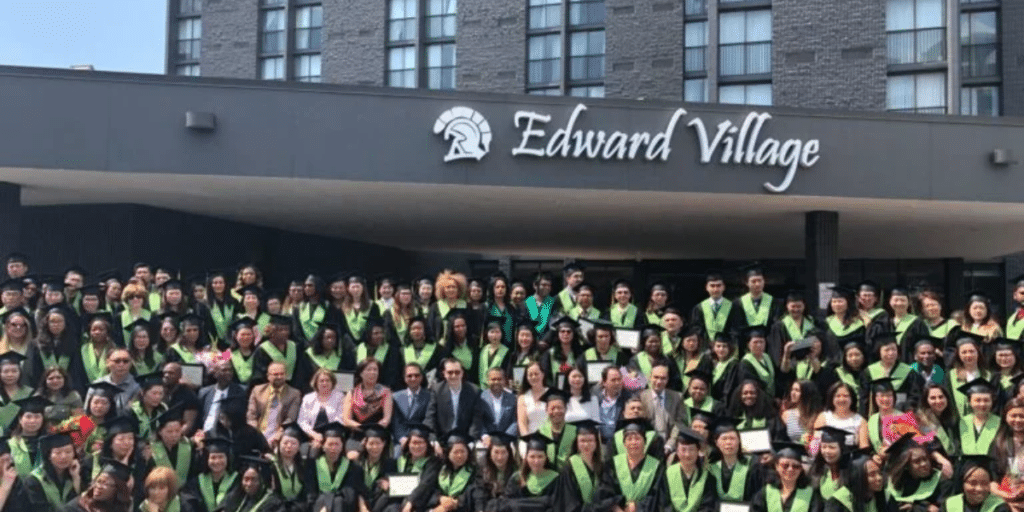
Pharma-Medical Science College of Canada welcomes international students and lists medical and healthcare programs, pharmaceutical and cosmetic courses, community service programs, certificate courses, and licence examination preparation among its study options. Its international-student information also outlines document review, acceptance, tuition, and study permit preparation steps.
The college describes its approach as career-focused and practical, with experienced instructors, hands-on learning, and student support. International applicants can review the college’s international student information before contacting admissions about a specific program.
International medical graduates exploring Canadian career options may also find the college’s article on good news for international medical graduates useful as part of their wider research.
Final checklist before you apply
Before submitting an application, confirm the exact credentials, program length, admission requirements, total estimated cost, practical training format, and any professional registration steps. International students should also verify current study permit requirements, DLI status, and program-specific PGWP information through official Government of Canada sources.
Not all international students will find the same best diploma courses in Canada. The best choice is the one that matches your background, career path, budget, and eligibility requirements with little or no questions.
When looking at healthcare certificate programs in Canada or medical diploma courses in Canada, reach out to Pharma Medical College to discuss your education history and areas of interest. Before finalizing, inquire about the present admission criteria, healthcare programmes available, and the subsequent steps in the application process.
FAQs
1. Which healthcare diploma is best for international students in Canada?
There is no single program that fits every student. Practical Nursing, Health Information Management, Pharmacy Technician, PSW, OTA/PTA, and healthcare administration are common options to compare. Your education, preferred type of work, budget, licensing requirements, and international-student eligibility should guide the final choice.
2. How long are healthcare diploma programs in Canada?
Many healthcare diploma programs are structured around two years, while some certificate, PSW, or related support programs can be shorter. Program length varies by institution, province, credential type, and training requirements.
3. Are all healthcare diploma programs in Canada PGWP eligible?
No. Graduating from a DLI does not automatically make every student or program eligible for a Post-Graduation Work Permit. Students should verify the institution, the specific program, and all current eligibility requirements through Immigration, Refugees and Citizenship Canada before applying.
4. What documents do international students usually need to apply?
Requirements depend on the program and college. Pharma Medical College currently lists documents such as a valid passport, academic transcripts, proof of English proficiency such as IELTS or an equivalent, a completed application form, and a statement of purpose when required.
5. Is Personal Support Worker a healthcare study option for international students?
PSW training focuses on practical support for people who need assistance with everyday activities, mobility, safety, and personal care. Pharma Medical College provides PSW information for international students and describes hands-on healthcare training within the program.


