What Makes a Great Diagnostic Cardiac Sonography Program? Key Features to Look For

What Makes a Great Diagnostic Cardiac Sonography Program Key Features to Look For (1)

Think about beginning a profession that involves important patient data in each heartbeat that you look at. Choosing the best diagnostic cardiac sonography program in Canada is the first step in a rewarding career for aspiring medical professionals. There are many different healthcare programs in Canada, and it can be difficult to know which programs will help students to become certified and employed.

This article discusses the characteristics of an outstanding cardiac sonography program. Whether it’s accreditation, coursework, or practical labs, clinical rotations, and graduate success, you will be able to see how a program is comprehensive and career-focused. The program you select should help you get ready to take the RDCS/ARDMS exams and have the knowledge and talents to begin working as soon as you graduate.

Why Accreditation Matters in a Diagnostic Cardiac Sonography Program

Why Accreditation Matters in a Diagnostic Cardiac Sonography Program

Accreditation is one of the main elements to consider when making your choice of program for both professional credibility and exam eligibility. A program that is not accredited will not provide adequate laboratory or clinical exposure, nor teaching quality, and graduates will not be well prepared for the profession.

CAAHEP Accreditation – The Gold Standard

The CAAHEP (Commission on Accreditation of Allied Health Education Programs) sets tough standards for allied health programs, such as diagnostic cardiac sonography programs. Accredited programs offer organized instruction, qualified teachers and suitable labs and clinical facilities.

The proof of a CAAHEP-accredited program is that you’ve had a quality education that’s recognized all across Canada. Accreditation also helps to ensure that the course covers the content expected in the RDCS/ARDMS exam.

Board Exam Alignment

Programs that reflect the job requirements of the RDCS/ARDMS certification provide students with strong preparation for taking the registry exams. Students who have completed their education from an accredited program know the theoretical concepts and skills they need to pass the certificate exams, which helps them to achieve a higher pass rate on the first attempt. The alignment places students high in the employability scale in hospitals and specialized imaging centres, given their competence and confidence.

Building a Strong Foundation – Curriculum Essentials

The fundamentals of a quality echocardiography program are based on the curriculum. Every echocardiography program should teach students the knowledge and skills required to be an effective practitioner in the echocardiography field. A quality program teaches sonographic physics and science while demonstrating how to use ultrasound to evaluate how well a person’s heart works.

Physics and Instrumentation

Knowledge of the physics involved in ultrasound and how to operate machines is basic to cardiac sonography training. Wave propagation, tissue interactions, image formation and machine settings should all be included in training courses. With practice on actual ultrasound machines, sonographers can learn to operate equipment, solve problems on the go to generate appropriate images, and work in a number of different settings.

Specialized Cardiac Focus

Cardiac anatomy, hemodynamics and echocardiography should be addressed thoroughly within a program. The students should receive training on normal and abnormal cardiac structures, hemodynamics and congenital heart disease. Experience with both 2D and 3D imaging prepares the graduate to deal with complex situations, with diagnostic information they will have faith in. Students are prepared for the expectations placed on them by employers when they choose an area of focus within cardiac sonography.

Hands-On Scanning Labs – Developing Practical Skills

Hands-On Scanning Labs – Developing Practical Skills

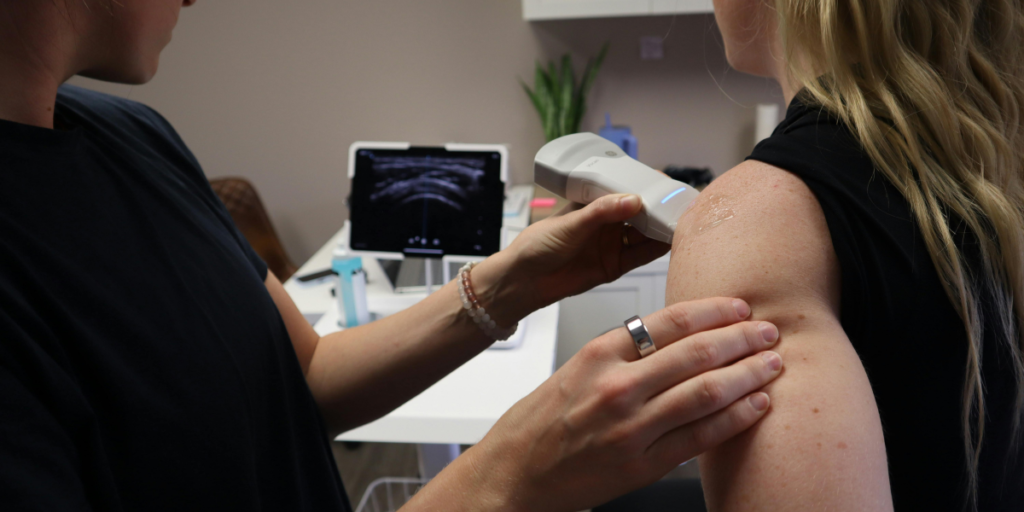
Practical experience will enhance confidence and competence. Excellent cardiac diagnostic sonography programs will use the simulation lab to allow students to move from the classroom environment to clinical reality.

State-of-the-Art Simulation Labs

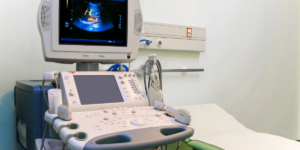
Simulation labs recreate actual cardiac conditions and enable students to repeatedly practice the procedure within a secure atmosphere. State-of-the-art ultrasound equipment, coupled with heart models, provides legitimate representations so that no one is subject to harm. Continuous practice allows you to enhance your level of accuracy and consistency, as well as your ability to accurately interpret complicated images.

Psychomotor Skill Development

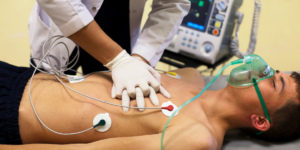
Cardiac sonography involves accuracy and the development of motor coordination and precision in technique. Programs concentrate on designing learning activities using guidebooks, instructor-led feedback, etc., to have students develop these psychomotor skills. Once students become proficient in these skills through practice in the lab setting, they should have no difficulty continuing to apply the same skills when working with patients while on their clinical rotations.

Clinical Rotations – Real-World Experience

Clinical rotations provide essential exposure to professional healthcare settings, helping students apply theoretical knowledge to real patients. This experience is invaluable in preparing graduates for employment.

Structured Hospital Rotations

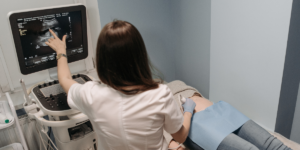
Quality programs coordinate with hospitals and clinics to provide structured rotations. Students learn with observation first and then eventually do scans on their own under supervision. A rotation often means hundreds of hours of patient contact and exposure to a wide variety of diseases and imaging needs. This encounter improves confidence and reaffirms practical abilities.

Competency Assessment and Mentorship

Students are assessed by trained sonographers who provide ongoing feedback. Mentorship helps to improve technical skills, fosters professional development and improves problem-solving skills. Strong mentorship networks in programs also help students connect with potential employers, increasing graduate job placement rates.

Graduate Outcomes and Career Support

Graduate Outcomes and Career Support

The success of graduates from a diagnostic cardiac sonography school is a reflection of the effectiveness of the curriculum. Programs with high exam success rates and planned career support provide real-world evidence of the value of their training.

High Pass Rates and Exam Success

RDCS/ARDMS exam prep programs ensure that students complete their professional certifications quickly. High pass rates show that the curriculum is relevant to exam requirements and that students have a good grasp of academic knowledge and practical abilities.

Career Placement and Employer Connections

Hospital affiliations, advisory boards, and networking opportunities for employment help are important in improving job placement. Graduates are offered career coaching and mentorship to help seek placements in hospitals, clinics, or imaging centres across Canada.

Choosing the Right Program – Decision-Making Checklist

Choosing the Right Program – Decision-Making Checklist

Prospective students should assess programs based on:

  • Accreditation status to confirm industry recognition and certification eligibility
  • Curriculum depth, covering both general and specialized cardiac sonography content
  • Hands-on labs and simulation experiences for skill development
  • Clinical rotations that provide real-world exposure and evaluation
  • Graduate outcomes, including certification success rates and employment support
  • Program facilities, resources, and accessibility

Evaluating programs against these criteria ensures that students make informed choices and invest effectively in their future careers.

Take the Next Step in Your Cardiac Sonography Career

Pharma Medical College has a top accredited diagnostic cardiac sonography curriculum with hands-on training and robust clinical rotations. Contact us today to learn more about enrollment, program requirements and how to begin your journey to being a certified cardiac sonographer in Canada.

Featured Snippet Opportunity:

“A great diagnostic cardiac sonography program combines CAAHEP accreditation, hands-on labs, and clinical rotations, ensuring eligibility for RDCS exams and a clear path to employment.”

Frequently Asked Questions

1: What prerequisites are required for a cardiac sonography program?

Most programs provide study in anatomy, physiology, and physics, and basic health care experience. Some may also reflect exposure to medical terminology and clinical observation.

2: How long does a diagnostic cardiac sonography program usually take?

Programs usually range from 12 to 24 months and combine classroom learning, hands-on labs, and clinical rotations. Part-time options may slightly extend the timeline.

3: What is the RDCS/ARDMS certification process?

Graduates must register with ARDMS, meet clinical experience requirements, and pass the RDCS exam. Certification demonstrates competency in diagnostic cardiac sonography and is recognized throughout Canada.

4: Can I work in Canada immediately after graduation?

Graduates of accredited programs with clinical experience are eligible for employment in hospitals, clinics, and diagnostic centers. Programs with strong employer connections can facilitate immediate job placement.

Connect with Us for Details on Pharmacy Assistant Course in Canada

How Hands-On Training Helps Students Succeed in Diagnostic Cardiac Sonography

How Hands-On Training Helps Students Succeed in Diagnostic Cardiac Sonography

Canada’s childcare field can be a meaningful place to build a career, especially if you enjoy helping young children learn, play, and feel safe. For many beginners, though, the first question is simple: where do you start?

Early childhood assistant jobs in Canada are often a practical entry point into childcare and early learning. These roles allow you to help educators, help children with daily routines, and gain hands-on knowledge in childcare centres, preschools, daycares & related settings.

This information describes early childhood aides, where they work, what skills employers want, income expectations, training alternatives, and how Pharma Medical Science College of Canada can help you prepare.

What are early childhood assistant jobs in Canada?

What are early childhood assistant jobs in Canada

Early childhood assistants support early childhood educators with newborns, toddlers, preschoolers, and school-aged children. They aid children’s physical, emotional, social, and intellectual growth.

Authentic childcare is dynamic and people-focused. One moment, you may help kids snack. You could be setting up a craft, reading a tale, teaching outdoor play, or helping a kid acclimatize to a classroom routine minutes later.

Children’s care and development are under the guidance of educators, with an assistant to children who provide education and care support, government figures indicate. They instill confidence in children through providing safe and engaging environments.

Early childhood assistant vs early childhood educator

An early childhood assistant helps the lead educator with classroom routines, supervision, activities, and child care. Early childhood educators may create programs, document development, guide curriculum & complete provincial certification requirements.

The exact requirements can vary by province, territory, and employer. That’s why beginners should always check local rules before applying for early childhood education assistant jobs.

Why consider a career as an early childhood assistant?

Why consider a career as an early childhood assistant

Childcare is personal work. It requires patience, energy, and care. It also gives you the chance to support children during some of their most important learning years.

There is also a practical reason to consider this path. The Government of Canada notes that early childhood educators and assistants are in demand across Canada, with over 100,000 new job openings expected by 2031.

This career may appeal to beginners because it offers:

  • A clear entry path into early childhood education
  • Workplaces in daycare, preschool, childcare, and kindergarten environments
  • Daily interaction with children and families
  • Room to grow into advanced childcare or education roles
  • A career that feels connected to community needs

Common early childhood assistant job duties

No two days are exactly the same in childcare. Still, most early childhood assistant jobs include a mix of care, supervision, classroom support, and communication.

Daily responsibilities

Typical duties may include:

  • Helping children during play, meals, rest, and transitions
  • Preparing learning materials and activity spaces
  • Assisting with songs, storytelling, crafts, games, and outdoor play
  • Supporting classroom routines set by the educator
  • Helping children practise sharing, listening, and social skills
  • Communicating with team members about children’s needs
  • Keeping the environment tidy, safe, and welcoming

Child safety and development support

Safeguarding is an important aspect of the role. The role of assistants includes monitoring children, implementing policies, reporting incidents, and fostering inclusive behaviour guidance.

They may also assess the ways children behave, move around, speak, play, and react to routines. This is because these observations are very important. They assist in understanding the development needs of individual children.

Where can early childhood assistants work in Canada?

Why consider a career as an early childhood assistant

Early childhood assistants can work in several child-focused settings. Common workplaces include:

  • Childcare centres
  • Daycare centres
  • Preschools
  • Nursery schools
  • Kindergarten classrooms
  • Home-based childcare settings
  • Child welfare or family support organizations
  • Agencies supporting children with special needs
  • Early childhood education service providers

Pharma Medical’s Early Childcare Assistant program also prepares students for roles such as daycare helper, preschool helper, early childhood program staff assistant & childcare worker assistant.

Early childhood assistant salary and job outlook in Canada

Salary depends on province, city, employer, experience & workplace type. A beginner in a small centre may earn differently from someone with experience in a larger urban childcare setting.

Average wages in Canada

Job Bank reports that early childhood educator assistants in Canada usually earn between $16.00 and $29.05 per hour.

Career factor  What beginners should know 
Wage range Usually $16.00 to $29.05 per hour in Canada
Higher earning potential May improve with experience, education, and certification
Job settings Daycare, preschool, childcare centres, schools, home childcare
Demand Strong need across many regions

Job demand and opportunities

Job Bank recently listed 660 jobs for early childhood educator assistants in Canada, showing active hiring across the country.

Demand is connected to family childcare needs, expanded childcare access, staff turnover, and the need for trained support in early learning environments.

Skills needed for early childhood assistant jobs

Training matters, but personality and attitude matter too. Childcare employers often look for people who are steady, warm, alert, and willing to learn.

Key skills employers look for

Useful skills include:

  • Patience and empathy
  • Clear communication
  • Creativity
  • Teamwork
  • Observation skills
  • Safety awareness
  • Basic child development knowledge
  • Comfort with routines and structure
  • Respect for diverse families and children
  • Ability to support inclusive classrooms

Good assistants notice details. An unusually quiet youngster. Attention-needed play area. A routine that overwhelms one learner. Those details can improve everyone’s day.

Education and training requirements for beginners

Education and training requirements for beginners

Beginners may qualify for some children assistant jobs, but training is important. Candidates who know child development, health and safety, behaviour guidance & classroom routines are preferred by employers.

Do you need an early childhood assistant diploma or certificate?

Requirements vary by employer and province. Some positions may ask for high school completion, childcare experience, first aid, background checks, or an early childhood assistant diploma or certificate.

A structured early childhood assistant program can help you feel prepared before stepping into a childcare environment.

How an early childhood assistant program helps

A good early childhood program gives students practical knowledge they can use at work. It can help you understand:

  • How young children develop
  • How to support safe play
  • How to communicate with families and educators
  • How to help with curriculum activities
  • How to support children with different needs
  • How to act professionally in childcare settings

About Pharma Medical’s Early Childcare Assistant program

About Pharma Medical’s Early Childcare Assistant program

Pharma Medical Science College of Canada suggests an Early Childcare Assistant program designed to help students prepare for entry-level childcare careers.

The program page describes instructor-led full-time training with co-op, including 36 weeks and 845 hours of learning. It also includes online learning and practical placement, with an 8-week practicum totalling 320 hours.

Program highlights

Students can expect:

  • Online early childhood education training
  • Practical placement experience
  • Child development learning
  • Health and safety training
  • Communication and child guidance topics
  • Curriculum and activity planning
  • Financial consultation, with aid options for those who qualify

What students learn

Early childhood development, communication with children and families, educational theory and philosophies, age-appropriate curriculum, inclusive classroom management, and program management principles are covered.

Past Pharma Medical student stories, including Leona Chen and Helen Cai, also highlight the value of supportive instructors and hands-on learning during the ECA journey.

Student Success Stories
Past Pharma Medical student stories, including Leona Chen and Helen Cai, also highlight the value of supportive instructors and hands-on learning during the ECA journey.

How to start your career in early childhood assistance

Here’s a practical path for beginners:

  1. Research early childhood assistant jobs in your province.
  2. Check employer & provincial requirements.
  3. Choose a relevant early childhood assistant program.
  4. Complete practical training or placement.
  5. Prepare your resume and references.
  6. Apply to childcare centres, preschools, daycares, and early learning employers.
  7. Keep learning if you want to move toward advanced early childhood education jobs.

Simple path. Real work. Strong purpose.

Career growth after early childhood assistant jobs

An assistant role can be the beginning of a longer career in childcare and education. With knowledge and further education, some people move toward:

  • Early childhood educator roles
  • Daycare supervisor positions
  • Preschool assistant or supervisor roles
  • Early childhood program staff positions
  • Home-based licensed childcare
  • Specialized childcare support
  • Further education in early childhood education

Your first role may help you understand which age group, setting, or career direction fits you best.

Is an early childhood assistant career right for you?

Is an early childhood assistant career right for you

This career may be a strong fit if you enjoy working with young children, can stay calm during busy moments, and like being part of a team.

Also, it’s helpful if you’re at ease with the activity. Childcare isn’t just a job at a desk. You might be sitting on the floor in story time, assisting in coat packing before outdoor play, painting up after an outdoor activity, or helping a child through a challenging time.

If that sounds meaningful rather than overwhelming, this path may be worth exploring.

Start your early childhood assistant career with Pharma Medical.

If you’re ready to prepare for early childhood assistant jobs in Canada, Pharma Medical Science College of Canada can help you take the next step.

Explore the Early Childcare Assistant Program, review the course details, and contact Pharma Medical for admission guidance, financial consultation, and upcoming class information.

Contact us todayreasons to choose early  to learn how Pharma Medical can help you prepare for a rewarding childcare career.

Frequently asked questions

What are early childhood assistant jobs in Canada?

They are childcare support roles where assistants help educators with classroom activities, routines, supervision, safety & children’s development.

How do I become an early childhood assistant in Canada?

Start by checking requirements in your province, complete relevant training, gain practical experience, and apply to childcare employers.

Do I need an early childhood assistant diploma?

It depends on the employer and province. A diploma or certificate can improve your confidence, job readiness, and understanding of childcare settings.

What is the salary for early childhood assistant jobs in Canada?

Job Bank reports that early childhood educator assistants usually earn between $16.00 and $29.05 per hour in Canada.

Where can early childhood assistants work?

They can work in daycares, childcare centres, preschools, nursery schools, kindergarten settings, home childcare, and child-focused agencies.

Is early childhood education a good career in Canada?

Yes, for people who enjoy working with children and want a stable, community-focused career. Government sources show strong demand across Canada.

What skills do employers want in early childhood assistants?

Employers often value patience, communication, creativity, teamwork, observation skills, safety awareness, and child development knowledge.

Does Pharma Medical offer an Early Childcare Assistant program?

Yes. Pharma Medical Science College of Canada offers an Early Childcare Assistant program with online learning and practical placement.

Connect with Us for Details on Pharmacy Assistant Course in Canada

Diagnostic Cardiac Sonography vs. General Sonography: Which Should You Choose?

Quick Answer:

Cardiac sonography specializes exclusively in heart imaging ($65,000-$90,000 salary), while general sonography covers multiple body systems ($60,000-$85,000 salary). Choose cardiac if you want deep specialization in cardiovascular imaging. Choose general if you prefer variety across abdominal, obstetric, vascular, and musculoskeletal scanning. Both programs at Pharma-Medical College lead to excellent career prospects.

Side-by-Side Comparison

Factor
Cardiac Sonography
General Sonography
Focus
Heart and cardiovascular system only
Multiple body systems

According to Job Bank Canada, both careers offer excellent employment prospects across Canada.

What is Cardiac Sonography?

Cardiac sonographers (echocardiographers) perform ultrasounds exclusively on the heart. The Diagnostic Cardiac Sonography program at Pharma-Medical College trains you in:

  • Transthoracic echocardiograms (TTE)
  • Transesophageal echocardiograms (TEE)
  • Stress echocardiography
  • Cardiac anatomy and pathophysiology
  • Hemodynamics and valve function
  • Electrocardiography (ECG) interpretation

You’ll work closely with cardiologists, assisting in diagnosing heart conditions like valve disease, heart failure, and congenital defects. The Heart and Stroke Foundation reports cardiovascular disease remains Canada’s leading health concern, driving strong demand for cardiac imaging specialists.

What is General Sonography?

General sonographers perform ultrasounds on various body systems. The Diagnostic Medical Sonography program covers:

  • Abdominal imaging (liver, kidneys, gallbladder, pancreas)
  • Obstetric and gynecological ultrasounds
  • Small parts (thyroid, breast, testicles)
  • Vascular imaging (arteries and veins)
  • Musculoskeletal scanning

Your workday varies significantly—scanning a pregnant patient, then performing abdominal studies, then vascular assessments. This variety keeps work interesting and develops broad diagnostic skills.

Training Differences

Both programs require similar foundational knowledge in anatomy, physics, and ultrasound principles. Key differences:

Cardiac programs emphasize:

  • Advanced cardiac anatomy
  • Heart pathology and disease processes
  • ECG interpretation
  • Hemodynamic calculations

General programs emphasize:

  • Multiple organ systems
  • Broader anatomical knowledge
  • Diverse pathology recognition
  • Cross-sectional anatomy

Both paths lead to professional certification through Sonography Canada, but via different examination routes.

Work Environment Considerations

Cardiac sonographers often work in fast-paced hospital settings, especially facilities with cardiac surgery programs. Emergency echocardiograms may be needed urgently, requiring on-call availability. The work is intense but intellectually stimulating for those passionate about cardiology.

General sonographers enjoy more workplace variety—hospitals, private imaging clinics, obstetrics offices, or mobile ultrasound services. Schedules are often more predictable, especially in outpatient settings, though hospital positions may include evenings and weekends.

Can You Do Both?

Yes! Many professionals pursue dual credentials. You might start with general sonography, then add cardiac specialization (or vice versa). This maximizes career flexibility and earning potential, making you valuable to employers needing coverage across multiple modalities.

Frequently Asked Questions

Which pays more? 

Cardiac sonographers typically earn $5,000-$10,000 more annually due to specialization, but this varies by location and employer.

Which has better job prospects? 

Both excellent. Cardiac demand is driven by cardiovascular disease prevalence; general demand by diverse diagnostic needs.

Which is harder to learn? 

Cardiac requires deep understanding of complex heart function. General requires broader knowledge across multiple systems. Difficulty depends on your learning style.

Can I switch between them? 

Yes, with additional training and certification in the new specialty.

Making Your Decision

Consider your interests:

  • Choose cardiac if: You’re fascinated by the heart, enjoy specialization, and want to work closely with cardiologists
  • Choose general if: You prefer variety, want flexibility in work settings, and enjoy diverse patient populations

Both sonography programs at Pharma-Medical College feature advanced labs with industry-standard equipment and clinical internships in real healthcare settings.

Book a campus tour to discuss which path aligns with your goals. Financial aid is available for both programs.

The answer: Choose cardiac for heart specialization and slightly higher pay; choose general for versatility and diverse work settings. Both offer excellent careers.

Connect with Us for Details on the Financial Aid Medical Program

Unlocking Heart Health: The Pioneering Journey into Diagnostic Cardiac Sonography

Diagnostic Cardiac Sonography

Diagnostic Cardiac Sonography, a pivotal aspect of medical sonography, is transforming heart health management due to its non-invasive nature and high accuracy. This field provides crucial insights into cardiac conditions, significantly impacting patient outcomes. As technology progresses, the role of diagnostic cardiac sonographers becomes increasingly vital. Beyond machinery and data, they directly influence lives by detecting life-threatening conditions and monitoring heart health. This growth reflects technological advancement and the demand for specialized healthcare professionals, bridging the gap between complex technology and patient care. Exploring its definition, history, training programs, and career opportunities offers valuable insights into this challenging yet rewarding profession for aspiring healthcare professionals and curious individuals.

What is Diagnostic Cardiac Sonography?

What is Diagnostic Cardiac Sonography

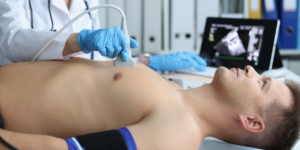
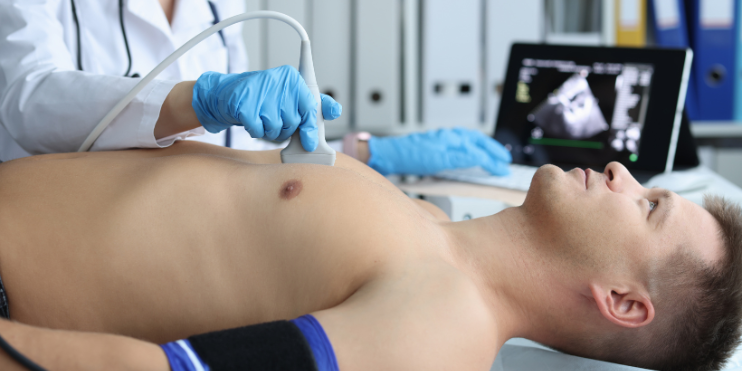
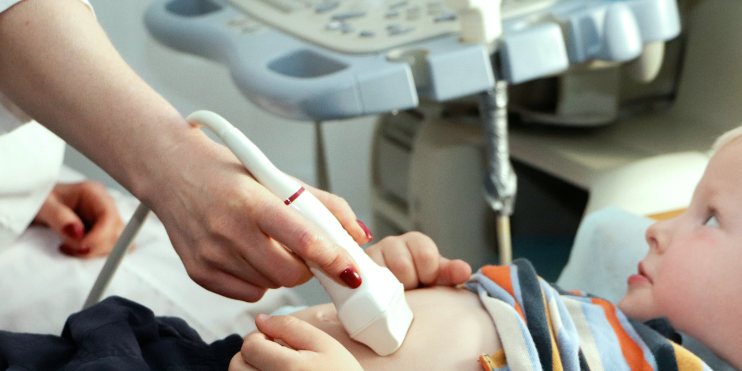
Diagnostic Cardiac Sonography is a vital medical imaging technique where sonographers use ultrasound equipment to analyze the heart’s structure and function. In this role, sonographers primarily conduct echocardiograms, employing a transducer to emit sound waves into the chest, creating detailed heart images. These images are crucial for diagnosing various cardiac conditions, from valve disorders to heart diseases. The role of a cardiac sonographer extends beyond equipment operation. They often serve as the initial healthcare contact for patients undergoing heart examinations, necessitating strong communication skills to ease patient concerns and gather medical history. 

Their work is pivotal in collaborating with cardiologists and other healthcare professionals, contributing critical imaging data that informs diagnostic and therapeutic decisions. Cardiac sonographers are thus integral to the healthcare team, combining technical expertise with patient care to influence clinical outcomes and patient health significantly.

Exploring the Diagnostic Cardiac Sonography Program

Exploring the Diagnostic Cardiac Sonography Program

The Diagnostic Cardiac Sonography program is an in-depth educational course that provides students with essential knowledge and skills for a career in cardiac sonography. Spanning 2-4 years, it blends theoretical studies in anatomy, particularly the cardiovascular system, with practical sonographic techniques and ultrasound physics. Key to the program is hands-on training through labs and clinical practicums, where students gain real-life experience under professional guidance. This practical aspect is vital for mastering the operation of sonographic equipment, performing diagnostic procedures, and interpreting results. Graduates of the program are well-equipped with technical expertise in cardiac sonography and the ability to provide compassionate, patient-centered care. They are prepared to contribute meaningfully to modern healthcare as skilled and empathetic providers.

What Does a Diagnostic Cardiac Sonographer Do?

What Does a Diagnostic Cardiac Sonographer Do

A Diagnostic Cardiac Sonographer is a vital member of the healthcare team. They specialize in using ultrasound equipment to examine the heart’s structure and function. They perform echocardiograms, where sound waves create detailed heart images crucial for diagnosing conditions like valve disorders and heart diseases. In their role, sonographers blend technical skills with patient interaction, often being the first healthcare contact for cardiac patients. They explain procedures, comfort patients, and work closely with cardiologists to inform treatment plans.

Recent industry advancements have enhanced the role of cardiac sonographers. With emerging technologies like 3D echocardiography and advancements in portable ultrasound devices, sonographers can provide even more precise and comprehensive cardiac assessments. These developments improve diagnostic accuracy and allow for more dynamic patient monitoring, impacting treatment strategies and outcomes in cardiac care.

Requirements for the Diagnostic Cardiac Sonography Program

Requirements for the Diagnostic Cardiac Sonography Program

To pursue a career in Diagnostic Cardiac Sonography, candidates need to fulfill specific academic and personal prerequisites:

Academic Requirements:

  • Applicants typically require a high school diploma with a robust science background, particularly biology, physics, and mathematics.
  • A minimum Ontario Secondary School Diploma (OSSD) or equivalent is necessary, with specific courses in biology and math.
  • Preference is given to candidates holding a 2-year or higher allied healthcare degree in patient care-related areas. This includes professions such as medical radiography, registered nursing, respiratory technology, occupational therapy, and emergency medical technology.
  • Alternatively, a bachelor’s degree in any major or a foreign degree equivalent to a bachelor’s degree in the U.S. or Canada is preferable.

Personal Traits:

  • Candidates must possess attention to detail, analytical skills, good hand-eye coordination, and physical stamina.
  • Strong interpersonal and communication skills are crucial for interacting with patients and healthcare teams.

Program Curriculum:

  • The curriculum encompasses courses in human anatomy, medical terminology, pathophysiology, and the principles of ultrasound imaging, with advanced training in cardiac imaging techniques and interpretation.

Additional Requirements:

  • A police check of Criminal records must be produced within 120 days of starting the program.
  • Medical checks, such as TB tests and Hepatitis B Immunization, are required within 120 days of program commencement.
  • Before clinical placement, first aid and CPR Level HCP (Healthcare provider) certification must be obtained.

Licensing and Certification in Canada:

  • Upon completing the program, graduates must pass a certification exam administered by recognized bodies such as Sonography Canada or the American Registry for Diagnostic Medical Sonography (ARDMS). This certification is usually essential for employment within Canada.

These comprehensive requirements ensure that candidates are academically and personally well-prepared for the rigors and responsibilities of a career in Diagnostic Cardiac Sonography.

Skills Gained from a Diagnostic Cardiac Sonography Program

Skills Gained from a Diagnostic Cardiac Sonography Program

Enrollment in a Diagnostic Cardiac Sonography program provides students with diverse skills essential for success in the field. These skills range from technical expertise in handling sonography equipment to critical soft skills necessary for patient care and professional collaboration.

Technical Skills: Students master operating sonography equipment, capturing high-quality images, and interpreting cardiac structures, which are vital for accurate diagnoses and treatment planning.

Soft Skills: Emphasis is placed on effective communication, critical thinking, problem-solving, and patient care, essential for easing patient anxieties, documenting findings, and collaborating within healthcare teams.

Professional Importance: These skills ensure diagnostic accuracy, facilitate patient care, and adaptability to evolving technologies and protocols, underscoring the commitment to continual learning and development.

Testimonials: Graduates and educators emphasize the transformative journey, highlighting the acquisition of technical proficiency and compassionate patient care as integral to becoming valued healthcare team members.

Diagnostic Cardiac Sonography Jobs in Canada

Diagnostic Cardiac Sonography Jobs in Canada

Demand: The aging population, technological advancements, and rising cardiovascular diseases fuel the growing need for cardiac sonographers.

Employment Settings: Opportunities abound in hospitals, private clinics, and cardiac care centers across urban, rural, and remote areas.

Industry Trends: Non-invasive cardiac sonography is increasingly preferred, contributing to steady job growth. The emphasis on preventive healthcare boosts demand.

Growth Opportunities: Sonographers can advance to supervisory roles, specialize in specific imaging techniques, or pursue education and training positions. Continuing education is crucial for career progression amidst evolving technologies.

Overall, the job outlook for Diagnostic Cardiac Sonographers in Canada is promising, offering diverse professional development opportunities.

Salary Overview and Comparison

The salary of Diagnostic Cardiac Sonographers in Canada varies depending on location, experience, and the type of healthcare facility. Generally, the field offers competitive compensation that reflects these professionals’ specialized skills and essential roles in healthcare.

Average Salary: The average salary for a Diagnostic Cardiac Sonographer in Canada is a testament to the demand and value of this profession. Entry-level positions may start lower, but wages can increase significantly with experience, additional certifications, and specialized skills.

Salary Comparison:

Toronto:

  • Average Salary: Around $75,000 to $95,000 per year.
  • Roles: Sonographers in hospitals and private clinics; cardiac sonography instructors in educational institutions.

Vancouver:

  • Average Salary: Approximately $73,000 to $92,000 annually.
  • Roles: Hospital-based sonographers; research roles in medical facilities.

Montreal:

  • Average Salary: $70,000 to $90,000 per year, varying with language skills.
  • Roles: Clinical sonographers; sonography technology consultants.

Calgary:

  • Average Salary: $72,000 to $91,000 annually.
  • Roles: Diagnostic centers and cardiac care units; sales and technical support for sonography equipment.

Ottawa:

  • Average Salary: $71,000 to $89,000 per year.
  • Roles: Government and private healthcare facilities; administrative and managerial positions in sonography departments.

Edmonton:

  • Average Salary: $70,000 to $88,000 annually.
  • Roles: Specialized cardiac sonography roles in hospitals; mobile sonography service providers.

Factors Influencing Salary:

  • Experience: More experienced sonographers usually earn higher salaries.
  • Employer Type: Variations between public hospitals and private clinics.
  • Certifications: Advanced certifications and specializations can increase earnings.
  • Roles: Administrative, research, or educational roles may offer different compensation.

Future Salary Trends: The salary trends for Diagnostic Cardiac Sonographers in Canada are expected to remain favorable. With the healthcare sector’s ongoing growth and the increasing importance of cardiac diagnostics, skilled sonographers will likely continue to be in high demand, which may positively impact salary trends in the future.

The Importance of Quality Education in Diagnostic Cardiac Sonography

The Importance of Quality Education in Diagnostic Cardiac Sonography

A strong education is the foundation of a prosperous career in diagnostic cardiac sonography. Education not only equips future sonographers with the necessary skills but also significantly influences patient outcomes and the overall standard of cardiac care.

Impact on Patient Outcomes: Well-trained sonographers facilitate early detection and effective management of heart diseases. Quality education ensures proficiency in sonographic technology, leading to accurate diagnoses and improved treatment plans, ultimately enhancing patient quality of life.

Role of Accreditation: Accredited programs meet rigorous standards, covering theoretical and practical aspects of sonography. By bodies like the Canadian Medical Association (CMA), accreditation ensures comprehensive and up-to-date training, which is crucial for preparing graduates for the profession.

Continuing Education: The evolving nature of cardiac sonography necessitates ongoing professional development. Continuous learning allows sonographers to stay updated on advancements, maintain certification, and provide the highest level of care.

The emphasis on quality education in Diagnostic Cardiac Sonography underscores its importance not only for the professional development of sonographers but also for advancing the standards of cardiac healthcare.

Choosing the Right Program

Choosing the Right Program

Several critical components should be considered to ensure that the program fits with one’s career objectives and offers the essential training for success in this highly competitive field.

Factors to Consider:

  • Accreditation: Confirm if a reputable organization has accredited the program. This indicates that it meets high educational standards. Acc and accreditation are prerequisites for certification and employment.
  • Curriculum: The curriculum should offer a comprehensive blend of theoretical knowledge and practical skills. Look out for courses that address various topics, including anatomy, physiology, sonographic techniques, and patient care.
  • Faculty Expertise: Experienced and knowledgeable faculty can provide invaluable insights into the field. They can offer guidance, mentorship, and real-world perspectives that enrich the learning experience.
  • Importance of Hands-on Experience: Practical experience is invaluable in sonography education. It enables students to gain technical competence, apply theoretical knowledge in practical settings, and learn appropriate patient and healthcare professional communication techniques.
  • Resources for Program Selection: Prospective students should gather information from resources such as program websites, open house events, and alumni networks. Speaking with current students or graduates can provide candid insights into the program’s strengths and weaknesses.

By carefully evaluating these factors, students can choose a Diagnostic Cardiac Sonography program that not only meets educational standards but also aligns with their career aspirations, setting the stage for a successful and fulfilling career in this vital medical field.

Exploring Diagnostic Cardiac Sonography at Pharma Medical Science College of Canada

Diagnostic Cardiac Sonography at Pharma Medical Science College of Canada

At Pharma Medical Science College of Canada, we pride ourselves on offering a cutting-edge Diagnostic Cardiac Sonography program to equip the next generation of healthcare practitioners possessing the necessary abilities and expertise in this vital field. Our program is meticulously crafted, combining rigorous academic coursework with practical, hands-on training in state-of-the-art facilities. Our experienced faculty, drawn from industry leaders, ensures that our students learn the fundamentals and gain deep insights into the latest trends and technologies in cardiac sonography.

Understanding the evolving landscape of healthcare, our curriculum is continuously updated to reflect the latest advancements in the field, ensuring that our graduates are well-prepared to impact patient care and medical diagnostics significantly. With a strong focus on real-world applications, our students engage in clinical practices, gaining invaluable experience in diverse healthcare settings.

Conclusion

Conclusion

Diagnostic Cardiac Sonography is crucial in modern healthcare, bridging technological innovation with patient-centered care. It provides essential insights into heart health, aiding in diagnosing and managing cardiac conditions. The role of cardiac sonographers is both challenging and rewarding, offering the opportunity to impact patients’ lives directly. Quality education is foundational to becoming a skilled Diagnostic Cardiac Sonographer. Choosing a program that balances academic coursework with practical training is vital, shaping technical abilities and patient care approaches. The field offers promising prospects for aspiring sonographers, including diverse career opportunities, competitive salaries, and involvement in a growing sector vital to healthcare. Graduates emerge as proficient healthcare professionals who are pivotal in ensuring cardiac health. Diagnostic Cardiac Sonography demands precision, empathy, and continuous learning. For those on this path, rewards extend beyond the professional realm, as they contribute significantly to individuals’ well-being and health daily.

Join us at Pharma Medical Science College of Canada, where your passion for healthcare meets excellence in education. Together, we can shape a future where heart health is given the attention and expertise it deserves. Contact us to learn more about our Diagnostic Cardiac Sonography program and take the first step towards a rewarding career in cardiac healthcare.

Connect with Us for Details on Diagnostic Cardiac Sonography