
Canadian healthcare is undergoing a transformation never witnessed before. With the aging population, the growing complexity of health care demands, the strain on our healthcare system is going to keep growing. Although doctors and nurses usually receive centre stage in healthcare debates, there is an emerging recognition of another crucial workforce: allied health professionals. These professional practitioners constitute the foundation of healthcare delivery in contemporary society through offering key diagnostic, therapeutic and support services that make our healthcare system operational. Understanding how demand for allied health professionals has changed in recent years is crucial for anyone considering a healthcare career or seeking to understand the future of Canadian healthcare.
Health professionals in allied health have never been as important as they are today. Whether it is diagnostic medical sonographers or respiratory therapists, these professionals are contributing to essential gaps in patient care and improved patient outcomes throughout the country.
What Are Allied Health Professionals?

The allied health professionals include a wide range of health care professionals offering technical, diagnostic, therapeutic, and support services. Contrary to doctors who diagnose and prescribe treatment, or nurses who actually take direct care of patients, allied health professionals specialize in particular technical/therapeutic areas, which is vital to complete patient care.
The scope of allied health is remarkably broad, including roles such as:
- Diagnostic imaging technologists operate sophisticated scanning equipment.
- Respiratory therapists that assist patients to breathe easily.
- Surgical technologists make the operating rooms run smoothly.
- Rehabilitation aids are used to restore mobility and independence to patients.
- Cardiovascular technologists who support heart health diagnostics.
The activities of these health professionals involve working in a team with physicians, nurses and other members of the healthcare team to provide holistic and patient-centred care. Their expertise and specialized training are irreplaceable in modern healthcare, whether in hospitals, clinics, long-term care facilities, or even individual practices.
How Demand Has Changed in Recent Years
Pre and Post Pandemic Trends

The COVID-19 pandemic played a watershed role in Canadian healthcare to radically change our perception of healthcare staffing shortages and workforce planning. The demand for allied health professionals had been increasing steadily before 2020, driven by demographic changes and technological developments. Nevertheless, these trends were pushed to a whole new level by the pandemic.
The issue of an ageing population and the more complex care needs of the elderly had already strained the healthcare system before the pandemic. After the pandemic, demand has gone through the roof as postponed procedures resulted in gigantic backlogs, and more Canadians have come to understand the importance of health care, leading to a need for diagnostic and therapeutic services. The pandemic also demonstrated the fundamental weaknesses in the healthcare workforce, making the attraction and retention of allied health professionals a national priority.
Shift Toward Outpatient and Diagnostic Services
The transition from inpatient care models to outpatient care models is one of the most important changes in the past few years. The development of medical technology and shifting healthcare philosophy imply that medical procedures, which have traditionally required hospital stays, can now be performed in outpatient clinics. This revolution has created a massive demand for allied health professionals who can provide specialized services at such locations.
Diagnostic services, especially, have been growing at an explosive rate. With the focus on preventive care and improved diagnostic technology, the demand for well-trained imaging technologists, ultrasound technicians and other diagnostic experts has been on the rise. This change not only indicates a shift in the place of care provision but also a complete redesign of the structure of healthcare service provision and access.
Growth in Private Healthcare and Clinics
The healthcare system in Canada is changing to incorporate an increasing private sector that supplements public-sector healthcare provision. The number of private clinics that provide specific diagnostic imaging, surgical, and therapeutic services has been increasing nationwide. These facilities are largely relying on the allied health professionals to ensure they run smoothly and provide quality care.
This expansion in the field of private healthcare has provided Canadian allied health professionals with new career opportunities, with more flexible working conditions than in the traditional hospital environment. The growth of private clinics has also helped address wait times and capacity issues within their own systems, and allied health training programs have become more appealing to students seeking viable, rewarding careers.
Staffing Shortages
In most Canadian provinces, the problem of healthcare staffing shortage has become a crisis. Although a significant part is paid to the shortage of physicians and nurses, allied health positions are also not easy to fill. Some of the causes of such shortages include an ageing employee base that is soon to retire, rising demand for services, and a lack of sufficient training facilities to address the rising needs.
The shortage of health professionals in allied health has tangible effects: more people have to wait for diagnostic tests, fewer people are receiving treatment, and existing staff are overworked, leading to burnout. The resolution of these healthcare staffing shortages will require a multifaceted approach that includes providing more training programs, improving working conditions, and promoting these professions to potential students.
Fastest-Growing Allied Health Specialties

Several allied health specialties are experiencing particularly robust growth, making them among the fastest-growing allied health careers in Canada today.
Diagnostic Medical Sonography (Ultrasound Techs)
One of the most in-demand allied health professionals is a diagnostic medical sonographer or ultrasound technician, as they are popularly referred to. Such specialists take images using advanced ultrasound machinery that aid doctors in diagnosing diseases like complications during pregnancy, cardiovascular disease and cancer.
The demand for sonographers has been on the rise for several reasons: ultrasound is a non-invasive procedure and is therefore an ideal diagnostic modality, the aging population needs more frequent ultrasound imaging, and technological improvements have broadened its uses. Sonographers with training have an outstanding career opportunity and are abundant in terms of competitive remuneration and career outlooks, both in hospitals, clinics and in the practice environment.
Surgical Techs
Surgical technologists are essential people in operating rooms, equipment preparation, sterilization, and the work of the surgeons. The need to meet the demands of more intricate cases, driven by the growing volume of surgeries conducted to overcome the pandemic-related backlog and by an older, more complex demographic in need of surgical procedures, has escalated the demand for skilled surgical techs.
This specialty provides a rapid career with practical aspects to individuals who are interested in an acute care setting. The job involves tedious attention to details, a high level of group working capabilities and the capacity to work under stressful conditions-all these features make effective surgical techs indispensable constituents of surgical teams.
Respiratory Therapists
Respiratory therapists came into the limelight due to the pandemic, yet the need for such specialists had been increasing before COVID-19. Respiratory therapists evaluate, treat, and manage patients with breathing illnesses, including chronic early COPD and asthma, and acute respiratory failures, which might include ventilator care.
As the respiratory problems are increasing as a result of aging, environmental conditions, and the prevalence of chronic diseases, respiratory therapy is one of the fastest-growing allied health careers. The professionals are employed in various settings, including hospitals, home care, and pulmonary rehabilitation clinics.
Rehabilitation Assistants (PT/OT Assistants)
The assistants of physiotherapy and occupational therapy lend a hand to licensed therapists and help patients to become mobile, strong, and independent. Since the ageing population becomes more prevalent in Canada and the number of individuals who cannot perform their daily activities and functions due to chronic conditions increases, the need to rehabilitate has been increasing exponentially.
Rehabilitation assistants provide practical care that directly improves patients’ quality of life. This specialty provides very satisfying labour with visible results that are present in the workplace, which is why it appeals to individuals who want to pursue meaningful careers in health. The relatively shorter allied health training programs for these roles, compared to becoming a licensed therapist, also make them accessible entry points into healthcare.
Imaging Techs (CT, MRI, GI Techs)
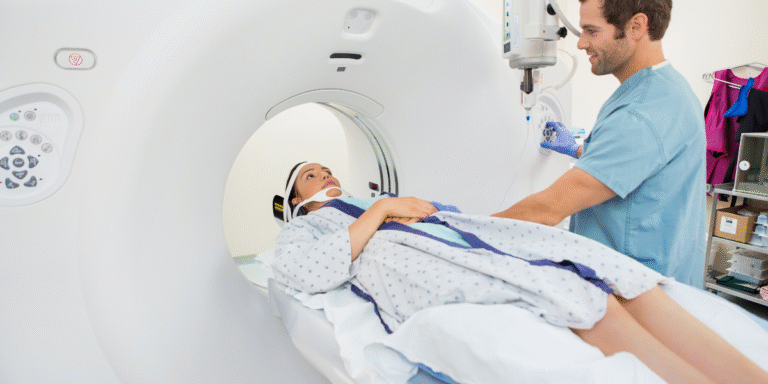
The use of sophisticated imaging methods such as CT scans and MRIs in the diagnosis of medical conditions has transformed the medical field, and experienced technologists to run this equipment are highly demanded. Such imaging techs are supposed to receive specialized training to safely use sophisticated equipment, place patients in the correct positions, and provide high-quality diagnostic images.
The complexity of new imaging technologies implies that lifelong learning and change are inherent to such jobs, which is attractive to people who are fond of technologies and constant professional growth. As diagnostic imaging is at the core of contemporary medicine, the career stability and development prospects in such specialties are high.
Cardiovascular Techs
Cardiovascular technologists carry out diagnostic procedures connected to heart disorders, such as an echocardiogram, stress test, and vascular ultrasound. As cardiovascular disease continues to be a health challenge among Canadians, the professionals are crucial in the detection and continued observation of heart diseases at an early stage.
The nature of cardiovascular diagnostics and the severity of heart health make such professionals highly in demand. This profession combines technical skills and direct patient contact, providing a balanced, satisfying profession.
Why Choose Pharma Medical College
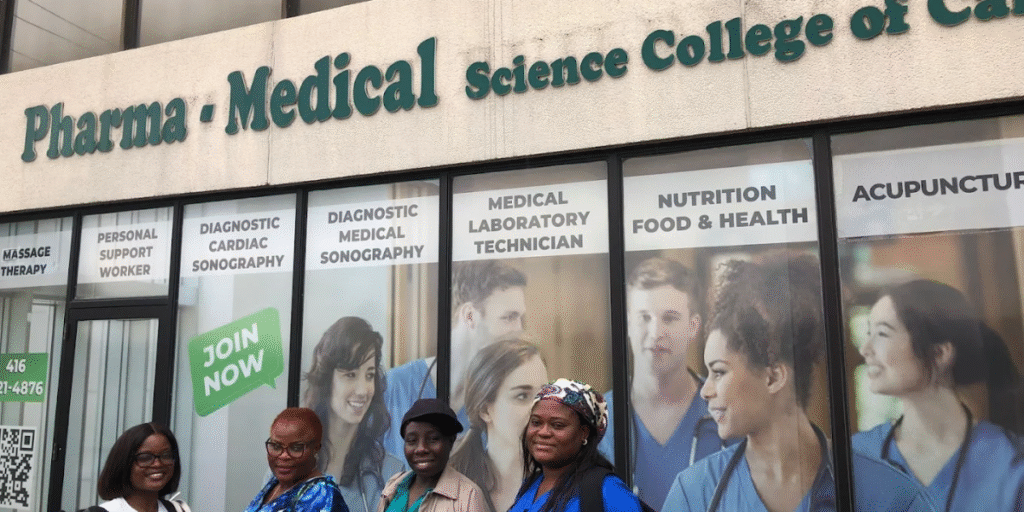
For those interested in joining the fastest growing allied health careers, choosing the right training program is crucial. Pharma Medical College stands out as a premier destination for allied health training programs in Canada, offering comprehensive education that prepares students for immediate employment in high-demand specialties.
Pharma Medical College understands how demand for allied health professionals has changed and has designed programs that align with current healthcare needs. Through practical training, qualified trainers, and excellent links to healthcare employers, the college enables students to acquire the practical skills and knowledge to perform excellently in the preferred fields.
And whether you want to be a diagnostic medical sonographer, surgical technologist, or another allied health professional, which is an increasingly popular career, Pharma Medical College will provide the education and resources you need to start your healthcare career with huge success. The quality education and student success at the college have seen the college become a brand name in allied health training programs in Canada.
Conclusion
The shift in healthcare delivery in Canada has significantly changed the way demand for allied health professionals is shaped. From pre-pandemic stable expansion to post-pandemic acceleration, since hospital-based models have expanded to a variety of outpatient and personal clinic care, allied health roles have been gaining increased primary roles in healthcare delivery.
Diagnostic medical sonography, surgical technology, respiratory therapy, rehabilitation assistance, advanced imaging, and cardiovascular technology are the fastest growing allied health careers that provide excellent career opportunities to individuals wishing to have a stable and satisfactory career. These specialties address critical healthcare staffing shortages while providing meaningful work that directly impacts patient outcomes.
If you’re ready to join this vital and growing field, explore the comprehensive allied health training programs at Pharma Medical College and take the first step toward a rewarding healthcare career by contacting us. The time to act is now; healthcare needs you, and the opportunities have never been better.