

Thinking about a future in cardiac imaging, but unsure where to start? Cardiac sonography is attracting students across Ontario and Canada because it blends patient care, high-impact diagnostics, and steady job prospects. The big question many ask is simple yet pivotal: Can you enroll without prior healthcare experience, or do you need a foundation first? This guide breaks down how admission works, what training looks like, and why prerequisites matter. By the end, you will know where you stand, what to prepare, and how to move forward with confidence in a cardiac sonography program that aligns with your goals to become a cardiac sonographer.
Understanding the Role of a Cardiac Sonographer
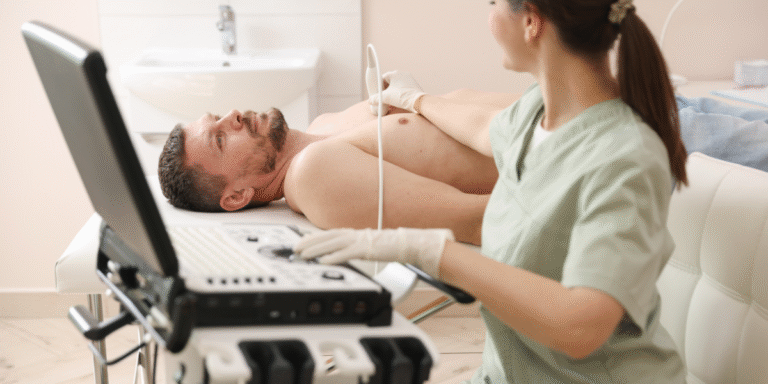
Cardiac sonographers play a central role in cardiovascular care by producing real-time ultrasound images of the heart. The profession is growing across Canada due to increased cardiac disease prevalence and expanded diagnostic services.
Daily Responsibilities and Clinical Workflow
Cardiac sonographers perform echocardiograms, apply patient positioning techniques, and capture quality images that cardiologists use to diagnose and guide treatment. They communicate exam steps clearly, support patient comfort, and maintain equipment standards. Collaboration with cardiology teams shapes daily workflow, which is why a cardiac sonography program trains students to operate efficiently and ethically as they prepare to become cardiac sonographers.
Core Skills Needed in the Profession
The role calls for technical precision, deep anatomical knowledge, steady patient communication, and meticulous attention to detail. Professionals must interpret dynamic physiology while adjusting gain, depth, and Doppler settings to optimize image quality. These competencies are cultivated systematically in a cardiac sonography program, helping graduates become cardiac sonographers ready for clinical practice.
Do You Need Healthcare Experience to Enter a Cardiac Sonography Program in Ontario?
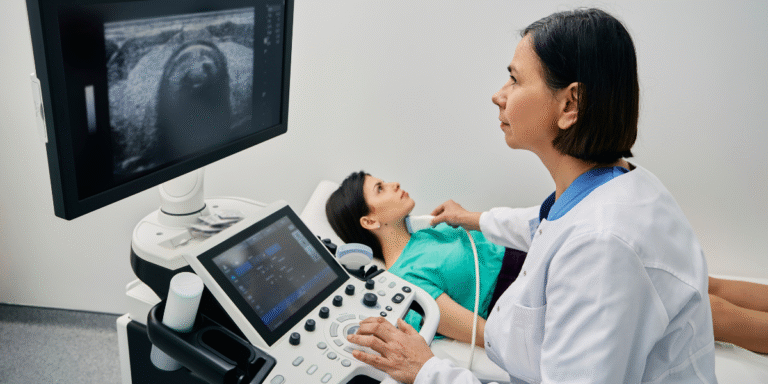
Most Ontario pathways are structured for applicants who already have healthcare education or a related degree. This model supports fast-paced learning and early clinical exposure.
Why Ontario Programs Require Prior Healthcare Education
Cardiac sonography diplomas move quickly, compressing complex theory and labs into a short window. Programs teach advanced imaging concepts, which require students to arrive with patient-care experience and foundational sciences. Accreditation standards and clinical partner expectations often tie eligibility to existing credentials, so a cardiac sonography program can concentrate on the specialized training needed to become a cardiac sonographer.
Rare Exceptions and What They Involve
Direct-entry options right from high school are unusual in Ontario. Where limited openings exist, they typically involve extensive prerequisite science courses and competitive screening. Even in these cases, candidates strengthen their readiness through volunteer experience, shadowing, or bridging, which helps them progress in a cardiac sonography program and ultimately become cardiac sonographers safely and effectively.
Admission Requirements for Ontario Cardiac Sonography Programs
Ontario programs generally follow two eligibility pathways. Understanding which path applies to you will help you organize transcripts, prerequisites, and timelines.
Pathway 1, Prior Healthcare Credential (Most Common Route)
Applicants often hold a diploma or advanced diploma in a registered health profession, such as:
- Medical Radiation Technology, Respiratory Therapy, Registered Practical Nursing
- Cardiovascular Technology, Registered Massage Therapy
Graduates from these programs bring clinical communication, patient handling, and baseline physiology, which accelerates their progress. With this foundation, they can step into a cardiac sonography program and become a cardiac sonographer with fewer academic gaps and stronger clinical readiness.
Pathway 2, Bachelor’s Degree in a Medical or Health-Related Science
Many programs accept bachelor’s degrees in fields like Kinesiology, Nursing, and Applied Health Sciences. Strong performance in anatomy, physiology, biology, and pathology is typically expected. This pathway suits career changers who want a direct clinical role, using their degree to enter a cardiac sonography program and become a cardiac sonographer through focused, practical training.
Additional Admission Requirements
Applicants are commonly asked to provide English proficiency results, an updated criminal record and vulnerable sector screening, and immunization records aligned with clinical partner policies. Meeting these standards supports early placement success in a cardiac sonography program, creating a smoother path to becoming a cardiac sonographer.
Connect with Us for Details on the Medical Cardiac Sonography Program
Why These Requirements Exist
Cardiac imaging involves real-time decisions that affect patient safety and diagnostic accuracy. Prerequisites help programs teach advanced content without reteaching fundamentals.
The Advanced Nature of Echocardiography
Echocardiography requires interpreting chamber size, wall motion, valve function, and hemodynamics while managing probe orientation and Doppler measurements. Students need medical terminology and physiology from day one, so the cardiac sonography program can focus on echo mastery, accelerating the journey to become a cardiac sonographer who can deliver reliable studies.
Clinical Rotations Demand Immediate Readiness
Students enter hospitals early, where they interact with diverse patients and clinical teams. Prior healthcare exposure shortens the learning curve and improves patient interactions. This foundation supports meaningful progress in a cardiac sonography program, building confidence and competence to become a cardiac sonographer who integrates seamlessly into care teams.
What Students Learn in a Cardiac Sonography Program
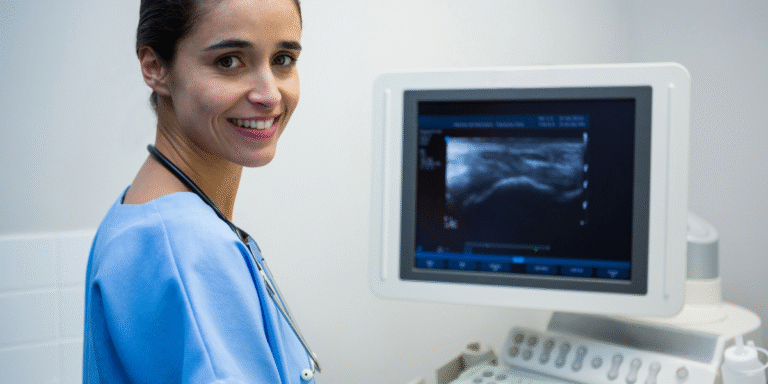
Even experienced applicants start with a focused foundation, then move into advanced echo topics. The curriculum stacks theory, lab practice, and clinical rotations in a logical sequence.
Core Curriculum Examples
Students study cardiac anatomy and physiology, ultrasound physics, Doppler principles, cardiac pathology, and instrumentation. They learn image acquisition protocols, scanning planes, and quality optimization. This integrated coursework shapes the core competencies a cardiac sonography program requires, preparing graduates to become cardiac sonographers with sound judgment.
Practical Labs and Simulation Training
Labs provide hands-on scanning practice with peers and models, supported by faculty feedback. Simulation refines image acquisition, probe control, and measurement skills in a safe environment. Iterative practice bridges theory and clinical performance, aligning with the expectations of a cardiac sonography program and the goal to become a cardiac sonographer.
Clinical Placements
In-hospital rotations immerse students in real patient care, supervised by experienced cardiac sonographers and cardiology teams. Learners practice complete exam protocols, documentation, and communication. These placements are the capstone of a cardiac sonography program, offering the experience needed to become a cardiac sonographer ready for entry-level roles.
Career Outlook After Becoming a Cardiac Sonographer

Graduates find opportunities in hospitals, diagnostic labs, and cardiology clinics across provinces. Workforce demand is driven by population aging and the need for cardiovascular screening and follow-up.
Entry-Level Positions
New graduates often step into echocardiography technologist roles where they perform standard transthoracic studies and assist with stress testing. The transition from student to staff is supported by mentorship and structured onboarding. Completing a cardiac sonography program positions candidates to become cardiac sonographers with immediate clinical value.
Specializations and Continuing Education
After building a strong base, some professionals focus on pediatric echocardiography, stress echo, or multi-modality cardiac imaging that complements ultrasound. Additional competencies can open doors to advanced practice or leadership. A solid start in a cardiac sonography program provides the platform to become a cardiac sonographer who grows throughout a career.
Professional Certification Pathways
Employers commonly value ARDMS or CCI credentials as proof of competence and commitment. Preparing for registry exams includes case review, physics refreshers, and protocol mastery. Strong exam performance reflects disciplined training in a cardiac sonography program and supports the goal to become a cardiac sonographer whom hiring managers trust.
Who Should Consider This Path?
Different applicant profiles can thrive, provided they match their background to the right pathway. Clarity about fit helps with planning and timelines.
Healthcare Professionals Seeking Advancement
Nurses, MRTs, RTs, RPNs, and cardiovascular technologists often transition smoothly because they already work with patients and clinical systems. Their experience speeds up skill acquisition in labs and rotations. With focused training in a cardiac sonography program, they can become a cardiac sonographer poised for growth.
Graduates with Health or Science Degrees
Bachelor’s graduates looking for a direct, patient-facing role will find a clear trajectory. With prerequisite sciences in place, they can pivot from academic learning to applied imaging. This pathway uses a cardiac sonography program as the bridge to become a cardiac sonographer in a practical, hands-on setting.
International Students
Prospective learners from abroad should plan for credential evaluation, language testing, and regulatory steps. Advising support helps translate previous education into local requirements and timelines. When aligned properly, international applicants can enter a cardiac sonography program and become a cardiac sonographer in the Ontario context.
Academic Advisors and Parents
Advisors and parents can help candidates chart prerequisites early, schedule labs strategically, and plan volunteer or shadowing experiences. Early planning avoids delays and strengthens applications. This support builds momentum toward a cardiac sonography program and the decision to become a cardiac sonographer.
Next Steps for Prospective Applicants
A clear action plan can shorten your path and reduce stress. Start by matching your current credentials to the right entry route.
How to Prepare Before Applying
- Upgrade sciences such as anatomy, physiology, and biology if your transcript has gaps or older grades.
- Explore bridging or post-grad certificates that close competency gaps efficiently.
- Shadow a cardiac sonographer to confirm fit and understand day-to-day clinical realities.
Each step deepens your readiness, strengthens your application, and clarifies expectations within a cardiac sonography program, smoothing your progress to become a cardiac sonographer.
Questions to Ask Programs
- Accreditation status and recognition within Ontario and across Canada
- Clinical placement partnerships and the variety of rotation sites
- Competitiveness of admission and typical applicant profiles
- Graduate success rates and first-time cert exam outcomes
Clear answers to these questions help you choose a cardiac sonography program that matches your learning style and career timeline, positioning you to become a cardiac sonographer with confidence.
How We Support Your Journey at Pharma-Medical Science College of Canada
Pharma-Medical Science College of Canada is to deliver career-focused healthcare education that aligns with Ontario standards and employer expectations. We support both domestic and international learners with a structured path that complements future advanced studies.
Our Hands-On Training Environment
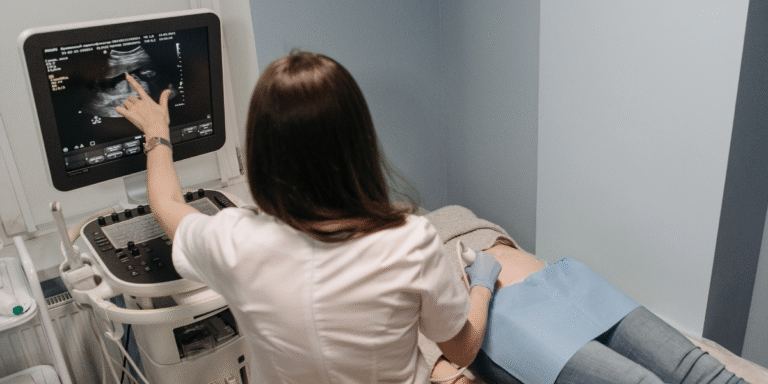
We highlight practical learning in facilities such as an ultrasound lab, pharmacy simulation lab, and microbiology lab. This environment builds technical discipline, critical thinking, and professional communication. The skills translate directly to the demands of a cardiac sonography program, helping you become a cardiac sonographer who excels in clinical settings.
Our Commitment to Student Support
From academic advising to career guidance and clinical placement assistance, our services are designed to reduce friction and keep your progress steady. Financial aid advising, including OSAP guidance, helps you plan responsibly. With the right support, you can focus on the competencies that matter in a cardiac sonography program and the journey to becoming a cardiac sonographer.
Why Students Choose Us
Students value flexible scheduling, experienced faculty, and an industry-relevant curriculum that fits real healthcare needs. Our approach emphasizes practical readiness and individualized support. These strengths align with the preparation needed before entering a cardiac sonography program, giving you momentum to become a cardiac sonographer.
Conclusion
Ontario programs that train cardiac imaging professionals typically expect applicants to bring healthcare education or a related degree. That structure protects patient safety, supports early clinical success, and allows focused training in echo techniques. If you are mapping your path, start by confirming which eligibility route you fit and organizing your prerequisites, labs, and documentation accordingly. With thoughtful planning and targeted preparation, a cardiac sonography program can position you to become a cardiac sonographer in a rewarding field.
Ready to take the next step with a student-first environment and practical guidance? Contact Pharma Medical Science College of Canada to discuss pathways, timelines, and support. Your journey can start today, and your preparation can set a clear course to clinical practice.