

A rewarding healthcare career rarely happens by accident. It grows from deliberate learning, strong credentials, and well-planned steps that raise your profile with employers and patients alike. Earning healthcare certifications through accredited healthcare courses gives you recognized proof of skill and dedication. Prospective students, working professionals, parents, advisors, healthcare providers, and international learners all benefit from a clear roadmap that leads to respected qualifications. With medical certification courses and high-quality healthcare training programs in Ontario, you position yourself for steady advancement, meaningful work, and higher earnings.
Why Healthcare Certifications Matter in Today’s Healthcare Landscape

Credentials set a clear benchmark of capability. They help employers identify candidates who can deliver safe, effective care from day one and who are committed to continuous improvement supported by accredited healthcare courses and medical certification courses.
Enhanced Professional Credibility and Trust
Earning healthcare certifications signals verified competence that strengthens your reputation with employers, colleagues, and patients. When your training comes from accredited healthcare courses, your qualifications carry recognizable weight across clinics, hospitals, and community settings. Paired with well-structured medical certification courses, these credentials build trust around your clinical judgment and reliability.
Proving Readiness for Leadership and Higher Responsibility
Teams look to certified professionals when assigning supervisory tasks or leading projects. Advancing through healthcare certifications shows you can handle complex responsibilities with consistency and care. Completing medical certification courses demonstrates that your knowledge is current and that you can translate standards into daily practice, a key signal for promotion.
How Healthcare Certifications Drive Higher Earning Potential

Compensation often rises when you bring validated skills to the table. Employers frequently tie pay bands to proven competencies documented through healthcare certifications and rigorous medical certification courses.
Higher Salaries for Certified Healthcare Professionals
Certified employees tend to qualify for roles with stronger pay brackets, shift premiums, or specialty differentials. Graduates of respected healthcare training programs in Ontario can point to specific healthcare certifications that align with local labor demands and regulated scopes of practice. Adding targeted medical certification courses often unlocks second credentials that move you into higher tiers.
Better Negotiating Power and Added Job Security
When you present healthcare certifications, you add concrete evidence of quality that strengthens salary discussions. Completing medical certification courses gives you quantifiable training hours, competency checklists, and exam results that support requests for raises or new responsibilities. These assets also improve job security, since certified staff are difficult to replace without disrupting care.
The Significance of Certifications for Prolonged Professional Development and Progress

Career development relies on steady gains in competence, scope, and responsibility. Earning healthcare certifications through accredited healthcare courses creates a ladder you can climb with confidence.
Promotions and Specialized Career Tracks
Many advancement pathways list healthcare certifications as required or strongly preferred. Strategic medical certification courses can qualify you for specialized tracks such as clinical supervision, lead technician roles, coordination positions, or department management. Each additional credential widens the range of roles you can pursue over a multi-year plan.
Skill Enhancement and Specialization Opportunities
Targeted accredited healthcare courses help you develop focused skills that improve day-to-day performance, from patient communication to advanced instrumentation. Adding medical certification courses lets you deepen expertise in niche areas that hospitals and clinics value. Those specializations often come with clearer promotion routes and stronger pay bands.
Staying Updated With Evolving Industry Standards
Best practices evolve, and healthcare certifications help you keep pace with procedural updates and safety protocols. High-quality accredited healthcare courses refresh core knowledge while aligning your competencies with current regulations and guidelines. Completing medical certification courses at planned intervals keeps your toolkit fresh and your practice consistent with modern requirements.
Connect with Us for Details on the Medical Healthcare Training Program
Types of Healthcare Certifications That Make the Biggest Impact

Choosing the right credential begins with clarity on your starting point and destination. A mix of healthcare certifications, accredited healthcare courses, and stackable medical certification courses can create an efficient plan.
Foundational Certifications for Beginners
Entry-level healthcare certifications establish baseline competence across patient care, safety, and documentation. Foundational accredited healthcare courses introduce essential procedures, communication, and ethics in clinical settings. Early medical certification courses also prepare newcomers for exams and practical assessments.
Advanced Certifications for Experienced Professionals
As your responsibilities grow, advanced medical certification courses validate higher-order skills that support leadership and specialist roles. Building a portfolio of healthcare certifications helps you qualify for roles with greater scope, such as advanced diagnostics or quality oversight. Pairing these with accredited healthcare courses sustains your momentum toward senior positions.
Choosing the Right Healthcare Training Program in Ontario (and Beyond)
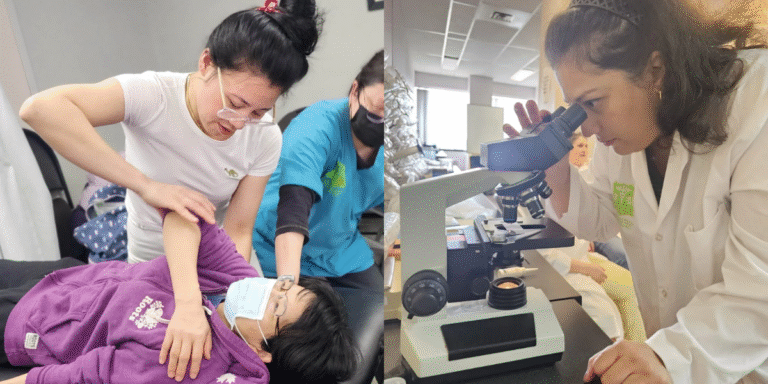
Program selection influences both your educational experience and employment outcomes. Evaluate healthcare training programs in Ontario with attention to accreditation, curriculum depth, practicum design, and exam preparation supported by accredited healthcare courses.
Accreditation, Curriculum Standards & Real-World Experience
Accreditation confirms that accredited healthcare courses meet recognized educational and regulatory benchmarks. Strong programs combine theory with simulations, labs, and clinical placements that translate to job-ready skills. Integrating medical certification courses helps you prepare for credentialing exams with confidence and clear timelines.
Online vs. In-Person Certification Pathways
Flexible online formats can suit working learners who need to balance study and employment while pursuing healthcare certifications. Campus-based delivery can maximize lab time, mentorship, and peer collaboration within accredited healthcare courses. Many healthcare training programs in Ontario now blend both formats, and targeted medical certification courses often offer hybrid options.
How to Begin Your Certification Journey: Practical Steps for Success

Clear goals and a realistic schedule keep your education on track. Combining healthcare certifications with a mix of medical certification courses creates a structure that supports steady progress.
Setting Goals and Choosing the Right Credential
Start by mapping your target role, then identify required healthcare certifications and any supplementary medical certification courses. Compare prerequisites, exam dates, and practicum needs across respected healthcare training programs in Ontario. Seek programs that package accredited healthcare courses with advising support and flexible study tracks.
Preparing for Certification Exams & Excelling in Your Program
Plan study blocks, practice with exam-style questions, and track performance by topic in your medical certification courses. Use the instructor’s office hours, tutoring, and peer study groups available within accredited healthcare courses. Capstone projects, labs, and supervised practice all reinforce the competencies evaluated by healthcare certifications and keep your skills sharp.
How Pharma-Medical Science College of Canada Supports Your Certification Journey

Pharma-Medical Science College of Canada focuses on career outcomes, hands-on learning, and structured exam preparation. Students build competencies aligned with employer expectations through healthcare training programs in Ontario, accredited healthcare courses, and stackable medical certification courses that support lasting success.
Our Accredited, Career-Driven Diploma Programs
Diploma options span pharmaceutical manufacturing, quality control, medical lab technology, diagnostic sonography, massage therapy, and pharmacy assistant training. Each pathway integrates accredited healthcare courses designed to build practical skill and confidence for credentialing. Many tracks are layered in medical certification courses and culminate in healthcare certifications aligned with provincial and national standards.
Supporting International and Domestic Students Through Every Step
International and domestic learners receive guidance on admission requirements, visas, and settlement resources within comprehensive healthcare training programs in Ontario. Financial aid advising helps eligible students navigate funding for accredited healthcare courses and related expenses. Academic coaching and mentoring complement medical certification courses to keep learners progressing toward healthcare certifications.
Our Commitment to Your Professional Growth
Curricula integrate theory, simulation, and clinical practice to build a strong evidence-based approach to care. Faculty with industry experience teach accredited healthcare courses that prepare you for real-world challenges and credentialing timelines. Through carefully sequenced medical certification courses, you develop the depth needed for advanced healthcare certifications and leadership opportunities.
Conclusion
Professional growth accelerates when your training is structured, recognized, and tightly connected to employer needs. By combining healthcare certifications, focused medical certification courses, robust healthcare training programs in Ontario, and quality accredited healthcare courses, you set a course for higher earnings, stronger credibility, promotions, and long-term career momentum.
Ready to move forward with a school that aligns learning with real opportunities? Apply to Pharma Medical Science College of Canada for hands-on programs that lead to respected credentials and meaningful work. Speak with an advisor today to plan your path through accredited healthcare courses, targeted medical certification courses, and industry-recognized healthcare certifications within proven healthcare training programs in Ontario.