
In pharma and medical science education, hands-on training is a cornerstone of safety, accuracy, and professional growth. Practical laboratory experience helps students turn classroom lessons into real-world skills, ensuring they are prepared for careers in healthcare, research, and pharmaceuticals.
Students who bypass medical laboratory education miss essential practical skills development, which can compromise patient safety, scientific accuracy, and compliance with regulations. This article explores the risks of neglecting applied learning and highlights why the importance of practical experience is central to success in pharma and medical science.
Risks of Skipping Lab-Hands-On Training
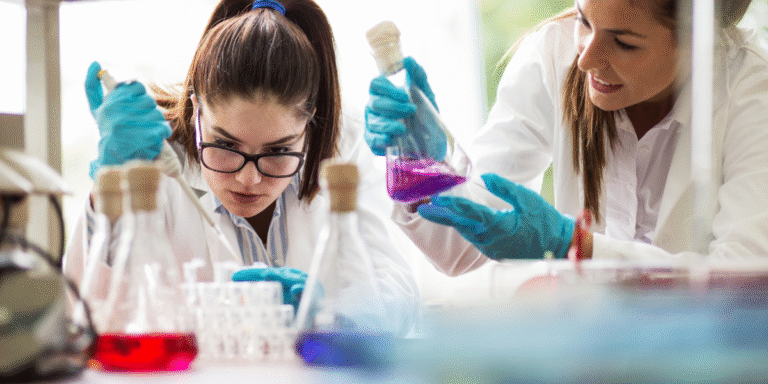
Classroom theory builds knowledge, but avoiding practical laboratory skills leaves significant gaps in competence. Without real lab exposure, students face safety risks, weak performance, and challenges in meeting pharma industry training standards.
Safety Hazards
Lab sessions provide critical training in lab safety and procedures. Students who lack experience with hazardous chemicals, biological samples, or specialized equipment are more prone to serious mistakes.
Developing practical laboratory skills means learning to wear protective gear, manage waste safely, and assess risks before starting work. Without guided practice, students may unintentionally endanger themselves, colleagues, and patients.
Professional Incompetence
Hands-on training teaches students to apply laboratory techniques such as pipetting and pharmaceutical handling. Without this foundation, graduates often lack the expertise needed for effective work in labs or clinical settings.
Skipping practical skills development erodes confidence and accuracy, undermining career readiness in pharma. Inadequate training also weakens contributions to clinical research, where mistakes can compromise results and patient safety.
Poor Judgment and Situational Awareness
Theory alone cannot prepare students for the unpredictable environment of a lab. Practical sessions build applied learning in medical science, teaching how to manage changing conditions.
Without this experience, decision-making under pressure suffers. Students who lack research skills development may misinterpret data, fail to fix equipment issues, or struggle with unexpected problems.
Reduced Job Readiness
Employers in healthcare, pharma, and research want graduates with proven practical laboratory skills. Those who skip labs reduce their chances of securing internships, entry-level jobs, or advanced positions.
With competition high, career readiness in pharma depends on visible experience. Graduates who participate in practical workshops for science students stand out in interviews and in their professional roles.
Compliance and Regulatory Risks
Pharma and healthcare operate under strict guidelines such as Good Laboratory Practices (GLP). Without medical laboratory experience, the risk of non-compliance rises.
Failure to follow lab safety and procedures or maintain accurate documentation can trigger penalties, audits, and a loss of professional credibility. Solid applied learning in medical science ensures graduates meet these regulatory standards.
The Role of Hands-On Training in Pharma and Medical Education

Hands-on training connects classroom theory to real-world practice. Within medical laboratory education, it develops confidence, competence, and adaptability that students cannot gain from textbooks alone.
By engaging in practical laboratory skills, learners see why accuracy and consistency matter in both healthcare and pharmaceutical contexts.
Experiential Learning in Healthcare
Experiential learning in healthcare gives students the chance to practice in safe, structured environments. Through practical workshops for science students, learners improve retention by actively working with experiments instead of memorizing content.
This kind of practice strengthens understanding and prepares graduates to apply knowledge in patient care, clinical trials, and research.
Mastering Laboratory Techniques
From aseptic techniques to chemical titrations, students need a wide range of laboratory techniques to thrive in medical and pharma careers. True mastery develops through repeated practice of practical laboratory skills.
Structured pharma industry training ensures graduates can use delicate equipment, measure accurately, and maintain reliable results.
Applied Learning in Medical Science
Real science requires action. Applied learning in medical science teaches students to turn theory into practice, bridging the classroom with lab and clinical realities.
By combining research skills development with practice, students become better problem-solvers, prepared for the demands of diagnostics, medical research, and pharmaceutical work.
Why Practical Experience Matters
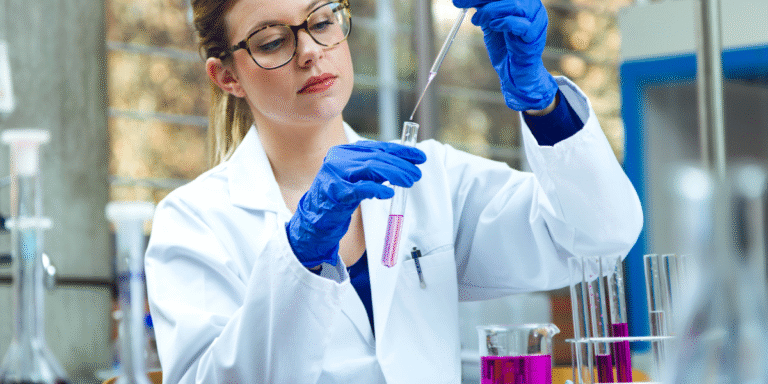
Practical sessions transform students into capable, confident professionals. The importance of practical experience lies in technical skill, adaptability, and sound judgment.
Skill Acquisition
Practical skills development builds technical expertise. Students learn precise laboratory techniques, safe equipment handling, and proper protocols.
These practical laboratory skills reinforce theoretical knowledge, ensuring lessons are remembered and applied effectively throughout careers.
Problem-Solving and Critical Thinking
Unexpected issues occur in labs and clinics. Hands-on sessions support research skills development, encouraging troubleshooting and analytical thinking.
Through applied learning in medical science, students gain resilience and adaptability, preparing them to handle emergencies or unplanned outcomes.
Real-World Application
Theories gain value when tested. Medical laboratory education allows students to connect lessons with hands-on, case-based experiences.
This prepares them for career readiness in pharma, equipping graduates to meet workplace demands and contribute productively.
Confidence, Maturity, and Safety Consciousness
Lab practice nurtures professional maturity and a culture of safety. By consistently applying lab safety and procedures, students develop habits that protect themselves and others.
The importance of practical experience also shows in building confidence, allowing graduates to step into professional roles ready to act responsibly.
Connect with Us for Details on the Medical Lab-Hands-On Training Program
The Importance of Hands-On Laboratory Science
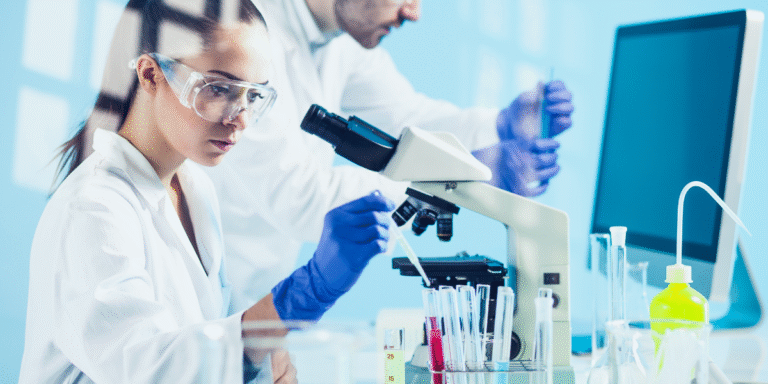
Medical laboratory education ensures students can apply science effectively in real settings. Practical laboratory skills build competence and retention, providing a long-term foundation for healthcare and pharma careers.
Experiential Learning Drives Retention
Students remember more when engaged in experiential learning in healthcare. Active involvement in experiments deepens understanding beyond books and lectures.
By pairing theory with practical skills development, students achieve stronger recall and versatility.
Career Readiness in Pharma and Healthcare
Employers look for career readiness in pharma. Pharma industry training provides practical exposure that fosters confidence and makes candidates stand out.
Graduates with solid medical laboratory experience are better prepared for demanding professional environments.
Research Skills Development
Strong research skills development is essential for progress in medicine and science. Students in labs gain insight into experiment design, data collection, and interpretation.
Through practical workshops for science students, they learn to produce accurate results and contribute to meaningful discoveries.
Lifelong Professional Benefits
The importance of practical experience extends well beyond school. Hands-on training builds habits of safety, precision, and problem-solving that benefit professionals throughout their careers.
Those who achieve career readiness in pharma early enjoy lasting advantages in growth and adaptability.
Recommendations for Students, Parents, and Institutions
For practical skills development to succeed, students, parents, and educators must treat medical laboratory education as a priority.
For Students
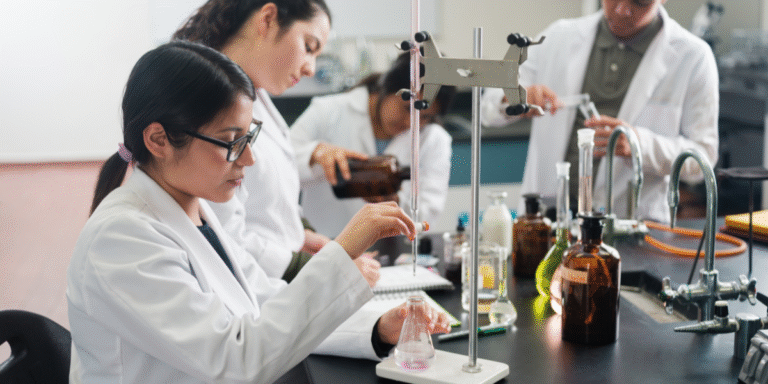
- Select programs that emphasize hands-on training and practical workshops for science students.
- Take part in internships, research projects, and experiential learning opportunities.
- Build career readiness in pharma by consistently engaging in labs.
For Parents and Advisors
- Support students in choosing schools that emphasize experiential learning in healthcare.
- Highlight the lasting value of practical experience for building safe, rewarding careers.
- Encourage exposure to medical laboratory experience beyond coursework.
For Educational Institutions
- Include lab safety and procedures and measurable practical outcomes in curricula.
- Provide access to modern facilities that strengthen medical laboratory education.
- Focus on applied learning in medical science to prepare graduates for complex challenges.
Our Commitment to Hands-On Training at Pharma-Medical Science College of Canada
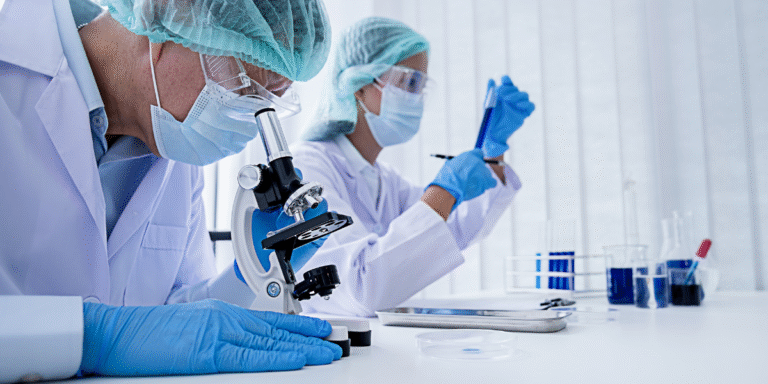
At Pharma-Medical Science College of Canada, we emphasize hands-on training to prepare students for thriving careers. Our practical workshops for science students deliver technical skills alongside strong theoretical knowledge.
By prioritizing career readiness in pharma, applied learning in medical science, and lab safety and procedures across all programs, we help students gain confidence, maturity, and lasting professional skills.
Our experienced faculty provide training that reflects current pharma industry training standards, ensuring graduates meet regulatory requirements and succeed in the workplace.
Conclusion
Skipping lab training brings risks such as safety hazards, professional incompetence, weak decision-making, and regulatory violations. Without practical laboratory skills, students cannot achieve career readiness in pharma or fully contribute to patient care and research.
The importance of practical experience lies in competence, confidence, and critical thinking. From research skills development to long-term adaptability, laboratory sessions remain essential.
Students who pursue programs with hands-on training, robust medical laboratory education, and consistent practical skills development are better prepared for safe, successful careers. Applied learning creates both career readiness and improved patient safety.
Ready to build your future in healthcare and pharma? Join Pharma-Medical Science College of Canada today and gain the hands-on experience that sets you apart.