How Healthcare Certifications Boost Your Earning Potential and Long-Term Career Growth

Feature Image

A rewarding healthcare career rarely happens by accident. It grows from deliberate learning, strong credentials, and well-planned steps that raise your profile with employers and patients alike. Earning healthcare certifications through accredited healthcare courses gives you recognized proof of skill and dedication. Prospective students, working professionals, parents, advisors, healthcare providers, and international learners all benefit from a clear roadmap that leads to respected qualifications. With medical certification courses and high-quality healthcare training programs in Ontario, you position yourself for steady advancement, meaningful work, and higher earnings.

Why Healthcare Certifications Matter in Today’s Healthcare Landscape

Why Healthcare Certifications Matter in Today's Healthcare Landscape

Credentials set a clear benchmark of capability. They help employers identify candidates who can deliver safe, effective care from day one and who are committed to continuous improvement supported by accredited healthcare courses and medical certification courses.

Enhanced Professional Credibility and Trust

Earning healthcare certifications signals verified competence that strengthens your reputation with employers, colleagues, and patients. When your training comes from accredited healthcare courses, your qualifications carry recognizable weight across clinics, hospitals, and community settings. Paired with well-structured medical certification courses, these credentials build trust around your clinical judgment and reliability.

Proving Readiness for Leadership and Higher Responsibility

Teams look to certified professionals when assigning supervisory tasks or leading projects. Advancing through healthcare certifications shows you can handle complex responsibilities with consistency and care. Completing medical certification courses demonstrates that your knowledge is current and that you can translate standards into daily practice, a key signal for promotion.

How Healthcare Certifications Drive Higher Earning Potential

How Healthcare Certifications Drive Higher Earning Potential

Compensation often rises when you bring validated skills to the table. Employers frequently tie pay bands to proven competencies documented through healthcare certifications and rigorous medical certification courses.

Higher Salaries for Certified Healthcare Professionals

Certified employees tend to qualify for roles with stronger pay brackets, shift premiums, or specialty differentials. Graduates of respected healthcare training programs in Ontario can point to specific healthcare certifications that align with local labor demands and regulated scopes of practice. Adding targeted medical certification courses often unlocks second credentials that move you into higher tiers.

Better Negotiating Power and Added Job Security

When you present healthcare certifications, you add concrete evidence of quality that strengthens salary discussions. Completing medical certification courses gives you quantifiable training hours, competency checklists, and exam results that support requests for raises or new responsibilities. These assets also improve job security, since certified staff are difficult to replace without disrupting care.

The Significance of Certifications for Prolonged Professional Development and Progress

The Significance of Certifications for Prolonged Professional Development and Progress

Career development relies on steady gains in competence, scope, and responsibility. Earning healthcare certifications through accredited healthcare courses creates a ladder you can climb with confidence.

Promotions and Specialized Career Tracks

Many advancement pathways list healthcare certifications as required or strongly preferred. Strategic medical certification courses can qualify you for specialized tracks such as clinical supervision, lead technician roles, coordination positions, or department management. Each additional credential widens the range of roles you can pursue over a multi-year plan.

Skill Enhancement and Specialization Opportunities

Targeted accredited healthcare courses help you develop focused skills that improve day-to-day performance, from patient communication to advanced instrumentation. Adding medical certification courses lets you deepen expertise in niche areas that hospitals and clinics value. Those specializations often come with clearer promotion routes and stronger pay bands.

Staying Updated With Evolving Industry Standards

Best practices evolve, and healthcare certifications help you keep pace with procedural updates and safety protocols. High-quality accredited healthcare courses refresh core knowledge while aligning your competencies with current regulations and guidelines. Completing medical certification courses at planned intervals keeps your toolkit fresh and your practice consistent with modern requirements.

Connect with Us for Details on the Medical Healthcare Training Program

Types of Healthcare Certifications That Make the Biggest Impact

Types of Healthcare Certifications That Make the Biggest Impact

Choosing the right credential begins with clarity on your starting point and destination. A mix of healthcare certifications, accredited healthcare courses, and stackable medical certification courses can create an efficient plan.

Foundational Certifications for Beginners

Entry-level healthcare certifications establish baseline competence across patient care, safety, and documentation. Foundational accredited healthcare courses introduce essential procedures, communication, and ethics in clinical settings. Early medical certification courses also prepare newcomers for exams and practical assessments.

Advanced Certifications for Experienced Professionals

As your responsibilities grow, advanced medical certification courses validate higher-order skills that support leadership and specialist roles. Building a portfolio of healthcare certifications helps you qualify for roles with greater scope, such as advanced diagnostics or quality oversight. Pairing these with accredited healthcare courses sustains your momentum toward senior positions.

Choosing the Right Healthcare Training Program in Ontario (and Beyond)
Choosing the Right Healthcare Training Program in Ontario (and Beyond)

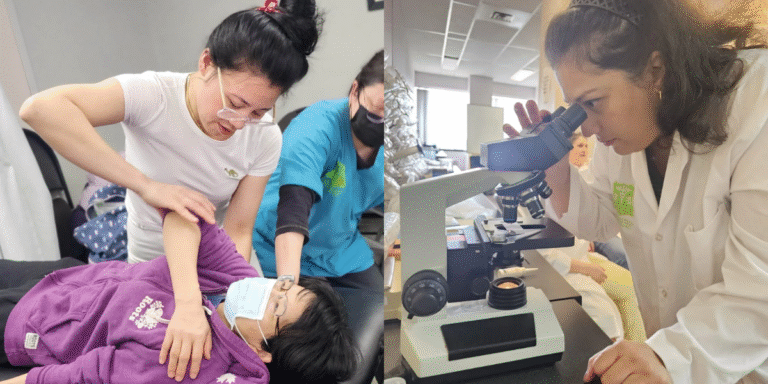
Program selection influences both your educational experience and employment outcomes. Evaluate healthcare training programs in Ontario with attention to accreditation, curriculum depth, practicum design, and exam preparation supported by accredited healthcare courses.

Accreditation, Curriculum Standards & Real-World Experience

Accreditation confirms that accredited healthcare courses meet recognized educational and regulatory benchmarks. Strong programs combine theory with simulations, labs, and clinical placements that translate to job-ready skills. Integrating medical certification courses helps you prepare for credentialing exams with confidence and clear timelines.

Online vs. In-Person Certification Pathways

Flexible online formats can suit working learners who need to balance study and employment while pursuing healthcare certifications. Campus-based delivery can maximize lab time, mentorship, and peer collaboration within accredited healthcare courses. Many healthcare training programs in Ontario now blend both formats, and targeted medical certification courses often offer hybrid options.

How to Begin Your Certification Journey: Practical Steps for Success

How to Begin Your Certification Journey_ Practical Steps for Success

Clear goals and a realistic schedule keep your education on track. Combining healthcare certifications with a mix of medical certification courses creates a structure that supports steady progress.

Setting Goals and Choosing the Right Credential

Start by mapping your target role, then identify required healthcare certifications and any supplementary medical certification courses. Compare prerequisites, exam dates, and practicum needs across respected healthcare training programs in Ontario. Seek programs that package accredited healthcare courses with advising support and flexible study tracks.

Preparing for Certification Exams & Excelling in Your Program

Plan study blocks, practice with exam-style questions, and track performance by topic in your medical certification courses. Use the instructor’s office hours, tutoring, and peer study groups available within accredited healthcare courses. Capstone projects, labs, and supervised practice all reinforce the competencies evaluated by healthcare certifications and keep your skills sharp.

How Pharma-Medical Science College of Canada Supports Your Certification Journey

How Pharma-Medical Science College of Canada Supports Your Certification Journey

Pharma-Medical Science College of Canada focuses on career outcomes, hands-on learning, and structured exam preparation. Students build competencies aligned with employer expectations through healthcare training programs in Ontario, accredited healthcare courses, and stackable medical certification courses that support lasting success.

Our Accredited, Career-Driven Diploma Programs

Diploma options span pharmaceutical manufacturing, quality control, medical lab technology, diagnostic sonography, massage therapy, and pharmacy assistant training. Each pathway integrates accredited healthcare courses designed to build practical skill and confidence for credentialing. Many tracks are layered in medical certification courses and culminate in healthcare certifications aligned with provincial and national standards.

Supporting International and Domestic Students Through Every Step

International and domestic learners receive guidance on admission requirements, visas, and settlement resources within comprehensive healthcare training programs in Ontario. Financial aid advising helps eligible students navigate funding for accredited healthcare courses and related expenses. Academic coaching and mentoring complement medical certification courses to keep learners progressing toward healthcare certifications.

Our Commitment to Your Professional Growth

Curricula integrate theory, simulation, and clinical practice to build a strong evidence-based approach to care. Faculty with industry experience teach accredited healthcare courses that prepare you for real-world challenges and credentialing timelines. Through carefully sequenced medical certification courses, you develop the depth needed for advanced healthcare certifications and leadership opportunities.

Conclusion

Professional growth accelerates when your training is structured, recognized, and tightly connected to employer needs. By combining healthcare certifications, focused medical certification courses, robust healthcare training programs in Ontario, and quality accredited healthcare courses, you set a course for higher earnings, stronger credibility, promotions, and long-term career momentum.

Ready to move forward with a school that aligns learning with real opportunities? Apply to Pharma Medical Science College of Canada for hands-on programs that lead to respected credentials and meaningful work. Speak with an advisor today to plan your path through accredited healthcare courses, targeted medical certification courses, and industry-recognized healthcare certifications within proven healthcare training programs in Ontario.


Connect with Us for Details on the Medical Healthcare Training Program

Is Becoming a Registered Acupuncturist Worth It in Ontario Today?

Feature Image

Traditional healing and modern integrative care, Acupuncture has become an essential link in the changing healthcare environment of Ontario. With the increasing population of Canadians seeking natural and non-pharmaceutical healthcare, the need to have qualified acupuncturists is ever-increasing. Considering an acupuncture diploma program, this blog will discuss the educational opportunities, acupuncturist salary Ontario, career opportunities, and the long-term worth of the investment in pursuing acupuncture training Ontario has to pursue.

What Does a Registered Acupuncturist Do?

What Does a Registered Acupuncturist Do

Registered acupuncturists are important participants in the treatment of pain, stress, and chronic conditions in terms of applied studies of traditional Chinese medicine. These medical practitioners make use of the exact needling methods to trigger certain points on the body to make patients experience improved health results with the help of holistic methods.

Acupuncture in Ontario’s Regulated Healthcare System

Acupuncturists in Ontario are governed by the College of Traditional Chinese Medicine Practitioners and Acupuncturists of Ontario (CTCMPAO). This policy ensures patient safety and the effectiveness of treatment by offering professional credibility and legal protection to registered practitioners who maintain high standards.

Core Skills and Training

Modern acupuncture training Ontario involves the focus on key skills such as communication with patients, needling, theory of meridians, anatomy, and ethics. Such programs combine conventional techniques with evidence-based medical care practices with excellence, making graduates successful in the modern integrated medical practice.

Education Pathway – How to Become a Registered Acupuncturist

Three important steps need to be followed when embarking on the journey of becoming a registered acupuncturist; these steps will guarantee him or her appropriate preparation and legal authorization to practice.

Step 1 – Get an Education

Aspiring acupuncturists should take a certified acupuncturist diploma course or a college of traditional Chinese medicine. These are intensive programs and usually take a period of three years of full-time study, which is a combination of classroom and practical clinical work. Acupuncture courses Ontario offer quality education that enables one to succeed professionally.

Step 2 – Pass the Licensing Exams

The acupuncture practitioners need to pass the Pan-Canadian Examination for students. When choosing programs, it is also important to ensure that they are sufficient to prepare students for the requirements of registering with CTCMPAO and enable graduates to meet the professional standards.

Step 3 – Get Licensed and Start Practicing

In Ontario, practitioners are required to be registered by the CTCMPAO to practice acupuncture legally. Acupuncture is a registered practice. The graduates are then given the option to work in existing clinics or establish their own private practice.

Benefits of Becoming an Acupuncturist

Benefits of Becoming an Acupuncturist

There is an ongoing increase in public interest in natural healthcare solutions that are not pharmaceutical. Acupuncture is becoming a commonly used treatment method in pain management, stress, fertility, and general wellness, which generates a consistent demand for competent professionals.

Growing Demand for Holistic Health

Public interest in natural, non-pharmaceutical healthcare solutions continues rising. Acupuncture plays an increasingly important role in pain management, stress relief, fertility support, and overall wellness, creating a steady demand for qualified practitioners.

Expanding Insurance Coverage

Acupuncture treatment is now covered under more extended health plans, and the access of patients has increased greatly, as well as the financial sustainability of the practitioners. The trend promotes the growth of sustainable practice and retention of patients.

Strong Earning Potential

Acupuncturist salary Ontario is based on an average of between $45,000 – $90,000 dollars a year, with the highest paid in corporations with high patient traffic, surpassing $100,000 a year. There is a significant increase in income potential when there is specialization, an increase in patient volume, and ownership of the business.

Flexibility and Personal Fulfillment

Acupuncturists like being self-employed, have time flexibility, as well as significant client relationships. The field is very rewarding to individuals who are enthusiastic about holistic wellness and the ability to assist others to improve their health.

Connect with Us for Details on the Medical Acupuncture Diploma Program

Challenges and Considerations

However, as much as acupuncture has a good career potential, the aspiring practitioners are supposed to be aware of the harsh side of the trade.

Business and Practice Management

Operating an acupuncture clinic business implies the management of marketing, rent, supplies, and administration. Entrepreneurial skills are good resources that greatly influence career success because of their strong business skills.

Competition and Regional Variability

Even with the increasing demand, location and proper marketing strategies are key in ensuring that success is achieved. Some parts of Ontario are more developed, and some areas offer opportunities to the first-in-the-market practitioners.

Education and Licensing Requirements

The investment of time and money to obtain an acupuncture diploma and licensing is are serious undertaking. Besides, in order to renew a registration, one has to maintain continuing education credits, which can only be achieved through continuous professional growth.

Career Opportunities and Job Outlook

The acupuncturist job outlook in Ontario and Canada overall is still a promising one, and there are various work environments that one can find.

Employment Settings

Acupuncturists may be employed in individual wellness centers, interdisciplinary medical facilities, hospitals, community health-oriented programs, or open their own enterprises. This diversity offers career development flexibility and the possibility of specialization.

Market Trends

Expanding opportunities are provided by higher public confidence in alternative medical care and increased development of integrative medical centers. New opportunities for reaching patients and establishing practices are also presented by online wellness services.

Financial Perspective – Is It Worth the Investment?

An acupuncture diploma program may provide a long-term, rewarding career when the cost of tuition and licensing is compared to the potential of earning and job satisfaction.

Return on Investment

The payoff schedule of tuition and setup costs with varying payoffs will most likely demonstrate the breakeven point within 3-5 years of practice development. Acupuncture as a healthcare profession has a better earning potential compared to other medical professions, such as massage therapy, chiropractic, or physiotherapy, due to low overhead expenses.

How Pharma-Medical Science College of Canada Supports Future Acupuncturists

How Pharma-Medical Science College of Canada Supports Future Acupuncturists

At Pharma-Medical Science College of Canada, we take pride in preparing students for success through our comprehensive acupuncture diploma program. Our staff is focused on practical training and clinical experiences with exam preparation executed according to the CTCMPAO professional standards.

Our philosophy also blends traditional Chinese medicine and modern healthcare provisions, which enable graduates to thrive in the private and clinical settings. Our strategy will see our students obtain practical and relevant education that will translate into professional success.

Our Commitment to Student Success

Pharma-Medical offers individualized counselling, flexible work hours, as well as faculty support to enable students to reach a balance between learning, work, and life. We not only design our programs to train practitioners but also to raise leaders in the field of holistic healthcare in Ontario and other provinces.

Conclusion

Is it worth it to become a registered acupuncturist in Ontario? The response will also rely on how serious you are in assisting others using approaching health methods. The profession is a great combination of a challenge and professional satisfaction for people who want to work hard.

Acupuncture is a potentially successful choice of career in the face of increasing demand, increasing insurance coverage, and good earnings. Still, that is not enough without appropriate education, licensing, and business skills.

When you are willing to venture into this fulfilling career in the health care sector, then you can consider researching approved acupuncture diploma programs and contacting admissions advisors at Pharma-Medical Science College of Canada to strategize on how to become a registered acupuncturist in Ontario.

Frequently Asked Questions (FAQs)

How much does an acupuncturist make in Ontario?

Entry-level practitioners earn around $45,000-$60,000, with established professionals earning $80,000-$100,000+, depending on clinic size and clientele.

What is the difference between a licensed and a certified acupuncturist?

In Ontario, licensed acupuncturists are controlled by the CTCMPAO and can practice; certified is sometimes used to refer to individuals who have been trained but have not registered with the provincial government.

Are acupuncturists in demand?

Yes, the growing trend of awareness of holistic health and insurance has caused the demand to rise, particularly in urban and wellness-oriented locations.

What are the 4 golden rules of acupuncture?

Safety, precision, patient communication, and individualized treatment – principles emphasized in every acupuncture training Ontario program.

Is acupuncture a good career in Canada?

Overall, yes. It is purposeful, autonomous, and increasing societal tolerance. Success is, however, dependent on education, license, and business skills.

Connect with Us for Details on the Medical Acupuncture Diploma Program

Don’t Have a Science Degree? Can You Still Become a Medical Laboratory Technician?

Feature Image

We now live in times where Medical Laboratory Technicians (MLTs) are vital participants within the healthcare system in terms of both diagnosing and monitoring health. They perform crucial lab tests on blood, tissue, and other bodily fluids that inform the doctor’s decision and ultimately impact the patient’s outcome. Still, for many aspiring healthcare professionals, the second question asked is, “Can you be a medical laboratory technician without a science background?”

The answer is yes! You most definitely can!

Similar to Ontario’s route to qualification for some healthcare professionals without completing a degree in science, MLTs also have pathways for qualification for high school graduates, career changers, and mature students who do not have a science background.

In this blog, we will look at how to begin your Medical Laboratory Technician Training Program journey in Ontario, what educational requirements are needed, and how colleges like Pharma-Medical Science College of Canada will support you from the classroom to the career.

What Does a Medical Laboratory Technician Do?

What Does a Medical Laboratory Technician Do

The Role of MLTs in Modern Healthcare

A Medical Laboratory Technician is a skilled individual who performs laboratory testing that is critical to the care of a patient. Laboratory tests help physicians to diagnose disease, determine the effectiveness of treatment, and monitor the health status of a patient.

MLTs typically:

  • Analyze biological specimens like blood, urine, and tissues.
  • Monitor specific laboratory testing using advanced diagnostic equipment
  • Maintain accurate and detailed records of laboratory results.
  • Follow laboratory safety and quality control procedures.
  • Collaborate with physicians, nurses, and/or doctorally prepared practitioners, and pathologists.

Technologists have a degree from a university to manage more complex testing analyses, and MLTs have a diploma from a college to complete the hands-on work and testing clinically in laboratories. Both are essential to care, and together they are the backbone of the medical diagnostic system in Canada.

Skills You’ll Develop Through a Medical Laboratory Technician Program

Training in a medical laboratory technician program develops both technical skills and soft skills that prepare students for success in the healthcare sector. These include:

  • Laboratory safety and infection control.
  • Operation of diagnostic and analytical instruments.
  • Understanding biological samples and chemical properties.
  • Data recording and result interpretation.
  • Professional ethics, accuracy, and attention to detail.
  • Communication and teamwork skills.

Even students with no science background will learn the essentials from the basics, so that when they graduate, all students, regardless of their previous knowledge base, can achieve competency and confidence as healthcare professionals.

Can You Become a Medical Laboratory Technician Without a Science Degree?

Can You Become a Medical Laboratory Technician Without a Science Degree

Absolutely. Many Ontario colleges, including Pharma-Medical Science College of Canada, welcome students from diverse academic and professional backgrounds.

You don’t need to have a university science degree to enter the field. Instead, you can complete a college diploma-based Medical Laboratory Technician Training Program that will provide you with the theoretical training and lab experience you need.

If you have not taken high school science classes or feel unsupported, you can consider the pre-health sciences pathway or academic upgrading programs in Ontario to prepare you for completion of the program.

Educational Pathways for Non-Science Students

There are three main ways for non-science learners to begin their MLT career:

  1. Pre-Health Sciences Certificate

    • This is a short program that is designed to provide the basics of biology, chemistry, and math—the core prerequisites for diplomas related to healthcare. 
    • This is an excellent first step for students who are entering from a non-science background.

  2. Medical Laboratory Technician Diploma
    • This is a direct entry diploma program delivery model that provides theoretical content to students, followed by hands-on lab experience, and includes some placement in a clinical site as part of their learning experience. 
    • Upon graduation, students will be eligible to apply for certification as an MLT in the province of Ontario. 
  3. Mature Student Status
    • Students who are 19 years or older and have no Ontario Secondary School Diploma (OSSD) can qualify by testing or through prior learning assessment or life/work experience.

These are flexible entry pathways into the MLT profession that allow determined learners to prepare for a career in medical laboratory technology, regardless of previous academic background.

Academic and Admission Requirements

In preparation for a medical laboratory technician program in Ontario, students typically must meet the following requirements: 

  • An Ontario Secondary School Diploma (OSSD) or equivalent.
  • Grade 12 English (C or U) or completion of an English placement test.
  • Grade 12 Math (C, M, or U) or equivalent.
  • Grade 11 or 12 Biology (C or U)—this is a key prerequisite for entry into MLT programs.

These requirements confirm that students are ready for the academic and scientific challenges of the program.

What If You’re Missing a Requirement?

If you lack one or more prerequisites, don’t worry. Many colleges, including Pharma-Medical Science College of Canada, offer academic upgrading or Pre-Health Sciences programs to help you qualify. These preparatory courses strengthen your foundation and boost your confidence before entering a full diploma program.

How to Become a Medical Laboratory Technician in Ontario

How to Become a Medical Laboratory Technician in Ontario

Here’s a step-by-step overview to help you navigate your path toward becoming a certified Medical Laboratory Technician:

  1. Meet Academic Prerequisites
    • Complete the required high school courses or an apprentice program.
  2. Apply to an Accredited Program
    • You must apply to a college in Ontario that offers a Medical Laboratory Technician Diploma Program accredited by the Canadian Society for Medical Laboratory Science (CSMLS). 
  3. Complete Academic and Clinical Training
    • Most programs are generally two years in length, and all include some degree of classroom learning and a clinical placement.
  4. Earn Your Diploma and Certification
    • After graduation, apply for certification through the Canadian Society for Medical Laboratory Science (CSMLS).
  5. Register with the CMLTO
    • To legally practice in Ontario, you must register with the College of Medical Laboratory Technologists of Ontario (CMLTO).

Key MLT Training Requirements

  • Must complete an accredited diploma program.
  • Completion of clinical practicum hours in a healthcare setting.
  • Passing the national certification (CSMLS) exam. 

these requirements is the best way to ensure that graduates meet the national standards of practice for laboratory professionals practicing in Canada.

Connect with Us for Details on the Medical Laboratory Technician Training Program

Why Choose Ontario for MLT Training and Career Opportunities

Why Choose Ontario for MLT Training and Career Opportunities

Ontario is one of the best provinces to pursue a medical laboratory technician career. Here’s why:

  • Top-Quality Education: Ontario is home to some of the most well-known and accredited MLT programs in Canada.
  • Growing Job Market: The expansion of healthcare, coupled with retirements in the field, and high demand for qualified medical laboratory professionals in Ontario.
  • Diverse Career Settings: MLTs work in a variety of environments: hospitals, diagnostic laboratories, research labs, and private practices.
  • Support for International Students: Ontario’s colleges are proactive in assisting newcomers, continuously offering support, academic advice, and career advice.

Career Outlook and Salary Potential

Medical Laboratory Technicians in Ontario enjoy strong job stability and competitive salaries.
According to the most recent data, MLTs’ salaries can range from $50,000 to $70,000 per year, with increased salaries being offered in the roles of management, supervision, or specialized laboratories.

This job also offers a number of advancement opportunities, including providing the ability to pursue roles such as laboratory supervisor or quality assurance officer, or it could even provide an opportunity to pursue the role of a medical laboratory technologist with the appropriate education.

What to Look for in a Quality Medical Laboratory Technician Program

What to Look for in a Quality Medical Laboratory Technician Program

Choosing the right program is crucial for long-term success. When evaluating colleges, consider the following factors:

  1. Accreditation: You want to ensure that the program has accreditation status from CSMLS and a favourable response from the CMLTO.
  2. Hands-On Training: Look for programs that have developed extensive clinical placements and/or partnerships with hospitals and diagnostic labs.
  3. Modern Facilities: Having state-of-the-art laboratories and up-to-date diagnostic technologies will contribute greatly to your hands-on practice.
  4. Student Support: As you may come from a non-science background and might be considered a mature student, it would be essential to have institutional academic advising, tutoring/learning support, and career counselling.

Questions to Ask Before Applying

  • Does the program meet current MLT training standards?
  • What is the graduate employment rate?
  • Are there pathways for upgrading from technician to technologist?
  • What type of school-based support is available for non-science-based learners?

These questions should help with the appropriate vetting of a program while aligning your needs and goals with your learning style.

Our Commitment to Your Success at Pharma-Medical Science College of Canada

Our Commitment to Your Success at Pharma-Medical Science College of Canada

At Pharma-Medical Science College of Canada, we are dedicated to providing access to students from all backgrounds to enter the healthcare profession with confidence.

Whether you have a strong science background or you are completely new to the field, our Medical Laboratory Technician Training Program has the curriculum for you.

Why Students Choose Pharma-Medical

  • Accredited Curriculum: Our program meets all standards for CSMLS certification and CMLTO registration.
  • Hands-On Experience: Develop experience and confidence through supervised clinical placements at high-quality healthcare sites.
  • Flexible Learning: We have flexible learning choices for busy, mature students.
  • Student-Centered Support: From academic coaching to career services, we are with you throughout your journey.

At Pharma-Medical, we believe that your background should never be an obstacle to your future. We hope to help all of our students, both domestic and international, find meaningful careers in the growing healthcare profession.

If you’re ready to get started with your medical laboratory technician program in Ontario, visit Pharma-Medical Science College of Canada to learn more and apply today.

Final Thoughts – Start Your Journey Toward a Medical Laboratory Career

Lacking a science degree should not deter you from your dream of working in the world of healthcare. Ontario has many educational pathways designed to help you qualify, train, and succeed as a medical laboratory technician.

Joining institutions with an outstanding reputation, such as Pharma-Medical Science College of Canada, will not only provide you with a world-class education but also an expert instructor, hands-on lab experience, and future career support in preparation for you to become a certified medical laboratory technician, as well as to gain long-term success in the field itself. 

Interested in taking the first step today? Explore accredited medical laboratory technician programs in Ontario and start the journey towards an exciting, respected, life-changing, stable, and ever-growing career in the medical field.

Frequently Asked Questions

Can a Non-Medical Student Do an MLT Course?

Yes, as a non-medical student, you can undertake pre-health sciences or bridging programs to fulfill your science qualifications. Once accepted into the MLT program, you will receive all the theory and practical training you need to complete your diploma.

What Education Is Required to Be a Lab Technician in Canada?

You will need a college diploma in medical laboratory technology from an accredited college/university. You will also need to achieve CSMLS certification and must have provincial registration to practice legally as a medical lab technician.

Do You Need Qualifications to Be a Lab Technician?

Yes. You need academic qualifications (a diploma) and professional certification. This ensures competency and safe practice in a laboratory environment. 

What Is the Minimum Qualification for MLT?

You will need an Ontario Secondary School Diploma (OSSD), along with completion of a recognized Medical Laboratory Technician program, to begin your career.

Which Is the Highest-Paid Job in Non-Medical Fields?

MLTs are paid very well, but there are other high-paying careers, such as diagnostic imaging technologists, dental hygienists, and pharmaceutical sales professionals.

MLT jobs in Ontario provide great job security, good health benefits, and many advancement opportunities as a medical lab technician within the medical field.

Connect with Us for Details on the Medical Laboratory Technician Training Program