Want to Study a Medical Healthcare Course in Canada? Here Are Some Options to Consider

Feature Image

Understanding how long a pharmacy assistant course is in Canada is critical for planning your educational and career path. Whether you’re a student exploring healthcare roles, a professional considering a career switch, or a parent helping your child make informed decisions, knowing the timeline helps align expectations with goals.

The healthcare and pharmaceutical sectors are growing across the country, increasing demand for skilled pharmacy assistants. With strong job prospects, this role presents a stable and fulfilling career opportunity.

This article is ideal for students, working adults, career advisors, and parents looking to gain insight into training and job requirements in the pharmacy assistant field.

Why Study a Healthcare Course in Canada?

A woman sits at a desk with a laptop, focused on her studies in a healthcare course.

Canada maintains high academic standards and is known for its modern, technology-driven training environments. Students enrolling in a healthcare course in Canada benefit from rigorous curricula, hands-on experience, and exposure to cutting-edge healthcare practices.

The demand for healthcare professionals is growing steadily due to Canada’s aging population and the increasing focus on health and wellness. From rural areas to urban centers, qualified healthcare workers are in high demand, making it an excellent time to pursue a healthcare course in Canada.

Canada also provides attractive post-graduation pathways. Students completing a healthcare course in Canada can apply for Post-Graduation Work Permits (PGWP), which often lead to permanent residency opportunities.

Moreover, the country’s multicultural society and inclusive academic environment make it a welcoming destination for international students. Institutions provide support services to help students integrate and succeed.

Overview of Medical Healthcare Courses and Diplomas in Canada

Microscope and test tubes on a lab bench, representing medical and diagnostic training in healthcare programs.

Diagnostic and Clinical Programs

These programs train students to support physicians in diagnosis and treatment. Popular options include

Diagnostic Medical Sonography Program

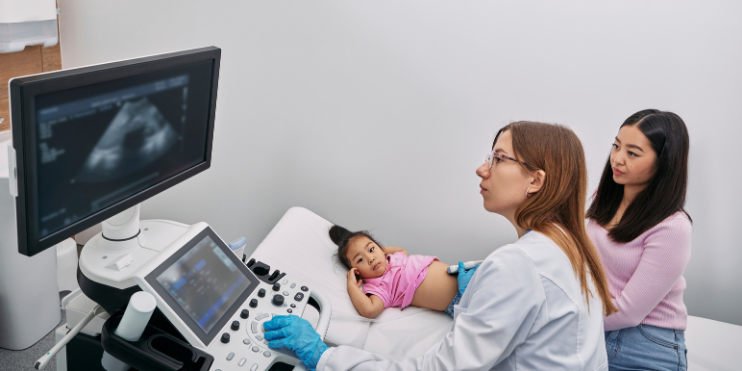
The diagnostic medical sonography program is a practical healthcare course in Canada that trains students in ultrasound imaging of internal organs. This course opens career paths in hospitals, clinics, and private diagnostic facilities across the country.

Program Details:

  • Course Name: Diagnostic Medical Sonography Program
  • Program Length: 100 weeks of instructor-led full-time training and clinical practice
  • Practicum Duration: 32 weeks, Local Clinic and hospital
  • Application Fees: CAD $100
  • Tuition Fees: Approximately CAD $18,000 – $22,000 per year
  • IELTS Overall: 6.5 (No band less than 6.0)
  • TOEFL Overall: 88 (with no section below 20)
  • PTE Overall: 58

Diagnostic Cardiac Sonography Program

The diagnostic cardiac sonography program is a specialized healthcare course in Canada that trains students in heart imaging techniques. It prepares graduates for careers in cardiology departments of hospitals, clinics, and diagnostic centers.

Program Details:

  • Course Name: Diagnostic Cardiac Sonography Program
  • Program Length: 78 weeks of instructor-led full-time training and clinical practice
  • Practicum Duration: 22 weeks, Local Clinic and hospital
  • Application Fees: CAD $100
  • Tuition Fees: Approximately CAD $18,000 – $22,000 per year
  • IELTS Overall: 6.5 (No band less than 6.0)
  • TOEFL Overall: 88 (with no section below 20)
  • PTE Overall: 58

Medical Laboratory Technician Program:

The medical laboratory technician program is a foundational healthcare course in Canada that trains students to collect, handle, and analyze clinical samples. This course is ideal for those looking to work in medical labs, hospitals, and diagnostic centers.

Program Details:

  • Course Name: Medical Laboratory Technician Program
  • Program Length: 49 weeks of instructor-led full-time training with Co-op
  • Practicum Duration: 200 hours, Local Clinic and hospital co-op
  • Application Fees: CAD $100
  • Tuition Fees: Approximately CAD $14,000 – $18,000 per year
  • IELTS Overall: 6.0 (minimum 5.5 in each band)
  • TOEFL Overall: 80 (with no section below 18)
  • PTE Overall: 54

Physiotherapist Assistant and Occupational Therapist Assistant:

A group of doctors and nurses standing together in a hospital room, collaborating on patient care and treatment plans.

The physiotherapist assistant and occupational therapist assistant program is a practical healthcare course in Canada that equips students to support licensed therapists in rehab settings. Graduates work in hospitals, rehabilitation centers, and long-term care facilities.

Program Details:

  • Course Name: Physiotherapist Assistant Program, Occupational Therapist Assistant
  • Program Length: 48 weeks (1105 hours) instructor-led full-time training with Co-op
  • Practicum Duration: 320 hours in physiotherapy clinics and rehabilitation centers
  • Application Fees: CAD $100
  • Tuition Fees: Approximately CAD $16,000 – $20,000 per year
  • IELTS Overall: 6.5 (No band less than 6.0)
  • TOEFL Overall: 88 (with no section below 20)
  • PTE Overall: 58

Each of these is a valuable healthcare course in Canada, offering strong job prospects and professional development.

Patient and Personal Care Programs

These courses emphasize direct patient interaction and care:

Personal Support Worker Program  (PSW):

The personal support worker program (PSW) is a vital healthcare course in Canada that trains students to support elderly and disabled individuals with daily living activities in homes and long-term care settings.

Program Details:

  • Course Name: Personal Support Worker Program (PSW)
  • Program Length: 28 weeks (700 hours), instructor-led full-time training with co-op
  • Practicum Duration: 310 hours, co-op placement in both a long-term care facility and a community facility
  • Application Fees: CAD $100
  • Tuition Fees: Approximately CAD $12,000 – $16,000
  • IELTS Overall: 6.0 (minimum 5.5 in each band)
  • TOEFL Overall: 80 (with no section below 18)
  • PTE Overall: 54

Massage Therapy Diploma Program (RMT):

A group of women receiving therapeutic massages in a serene room, promoting relaxation and wellness.

The massage therapy diploma program is a specialized healthcare course in Canada designed to teach therapeutic massage techniques that aid in rehabilitation. Graduates are equipped to work in clinics, wellness centers, and physiotherapy practices.

Program Details:

  • Course Name: Massage Therapy Diploma Program (RMT)
  • Program Length: Full Time, 88 weeks of instructor-led full-time training
  • Clinic Practice: 315 hours at a college Massage clinic
  • Application Fees: CAD $100
  • Tuition Fees: Approximately CAD $14,000 – $18,000 per year
  • IELTS Overall: 6.0 (minimum 5.5 in each band)
  • TOEFL Overall: 80 (with no section below 18)
  • PTE Overall: 54

Acupuncture:

The acupuncture program is a holistic healthcare course in Canada designed to train students in traditional Eastern therapies. It’s in high demand across wellness centers, clinics, and integrative health practices.

Program Details:

  • Course Name: Acupuncture
  • Program Length: 89 weeks (2200 hours) instructor-led full-time training
  • Clinic Practice: 600 hours at a college Acupuncture clinic
  • Application Fees: CAD $100
  • Tuition Fees: Approximately CAD $15,000 – $20,000 per year
  • IELTS Overall: 6.5 (No band less than 6.0)
  • TOEFL Overall: 88 (with no section below 20)
  • PTE Overall: 58

Medical Esthetics Diploma:

The medical esthetician diploma is a specialized healthcare course in Canada that blends cosmetic procedures with clinical skincare knowledge. It prepares students for careers in dermatology clinics, medical spas, and wellness centers.

Program Details:

  • Course Name: Medical Esthetics Diploma
  • Program Length: 66 weeks (1350 hours) instructor-led full-time training
  • Clinic Practice: On College Medical and Esthetics clinic
  • Application Fees: CAD $100
  • Tuition Fees: Approximately CAD $13,000 – $17,000 per year
  • IELTS Overall: 6.0 (minimum 5.5 in each band)
  • TOEFL Overall: 80 (with no section below 18)
  • PTE Overall: 54

Choosing a healthcare course in Canada from this category is ideal for those passionate about patient care and holistic health.

Pharmacy and Healthcare Office Programs

Four students engaged in a discussion at a table, each using a laptop, focused on their pharmacy and healthcare studies.

For those interested in administrative or pharmaceutical roles:

Pharmacy Assistant:

The pharmacy assistant program is a practical healthcare course in Canada that prepares students to assist pharmacists with medication dispensing, inventory control, and patient communication in pharmacies and healthcare settings.

Program Details:

  • Course Name: Pharmacy Assistant Program
  • Program Length: 34 weeks (900 hours) instructor-led full-time training with Co-op
  • Practicum Duration: 6 weeks, for a total of 240 hours
  • Application Fees: CAD $100
  • Tuition Fees: Approximately CAD $13,000 – $16,000
  • IELTS Overall: 6.0 (minimum 5.5 in each band)
  • TOEFL Overall: 80 (with no section below 18)
  • PTE Overall: 54

Medical Office Administration Diploma Program:

The medical office administration diploma program is a foundational healthcare course in Canada focused on training students in administrative tasks like medical billing, scheduling, and patient records management in healthcare environments.

Program Details:

  • Course Name: Medical Office Administration Diploma Program
  • Program Length: 40 weeks (970 hours) instructor-led full-time training with Co-op
  • Practicum Duration: 6 weeks, for a total of 240 hours
  • Application Fees: CAD $100
  • Tuition Fees: Approximately CAD $12,000 – $15,000
  • IELTS Overall: 6.0 (minimum 5.5 in each band)
  • TOEFL Overall: 80 (with no section below 18)
  • PTE Overall: 54

These are great entry points into the healthcare system and are in demand across clinics and hospitals.

Connect with Us for Details on the Medical Healthcare Course in Canada

Food, Cosmetic Science & Pharmaceutical Courses in Canada

A unique subset of healthcare education focuses on food science and pharmaceutical production. Students can explore options such as:

Food, Nutrition and Health Diploma:

The Food, Nutrition, and Health Diploma program is a science-based healthcare course in Canada focused on dietary planning, public health, and nutrition science, preparing students for work in the healthcare, wellness, and food industry sectors.

Program Details:

  • Course Name: Food, Nutrition and Health Diploma
  • Program Length: 48 weeks (1001 hours) instructor-led full-time training
  • Application Fees: CAD $100
  • Tuition Fees: Approximately CAD $15,000 – $20,000 per year
  • IELTS Overall: 6.5 (No band less than 6.0)
  • TOEFL Overall: 88 (with no section below 20)
  • PTE Overall: 58

Food Safety & Quality:

A woman in a lab coat holds a paper displaying a food safety chart, emphasizing quality control in the food industry.

The Food Safety & Quality program is a specialized healthcare course in Canada that focuses on food regulations and quality control. It prepares students for roles in food inspection, safety compliance, and regulatory affairs in the food industry.

Program Details:

  • Course Name: Food Safety & Quality
  • Program Length: 40 weeks (810 hours) instructor-led full-time training
  • Practicum Duration: Hands-on practice in a college laboratory
  • Application Fees: CAD $100
  • Tuition Fees: Approximately CAD $14,000 – $18,000 per year
  • IELTS Overall: 6.5 (No band less than 6.0)
  • TOEFL Overall: 88 (with no section below 20)
  • PTE Overall: 58

Pharmaceutical Quality Assurance & Quality Control:

A person in a lab coat holds two test tubes, symbolizing pharmaceutical quality assurance and control in a lab setting.

The pharmaceutical quality assurance & quality control program is a career-focused healthcare course in Canada that emphasizes maintaining drug safety during manufacturing. Graduates are trained for roles in pharmaceutical labs, QA departments, and regulatory settings.

Program Details:

  • Course Name: Pharmaceutical Quality Assurance & Quality Control
  • Program Length: 46 weeks (920 hours), instructor-led full-time training
  • Practicum: Hands-on practice in a college laboratory
  • Application Fees: CAD $100
  • Tuition Fees: Approximately CAD $14,000 – $18,000 per year
  • IELTS Overall: 6.5 (No band less than 6.0)
  • TOEFL Overall: 88 (with no section below 20)
  • PTE Overall: 58

Pharmaceutical Quality Assurance & Regulatory Affairs:

The pharmaceutical quality assurance & regulatory affairs program is a compliance-focused healthcare course in Canada that prepares students to manage drug regulations and industry standards in pharmaceutical companies and health agencies.

Program Details:

  • Course Name: Pharmaceutical Quality Assurance & Regulatory Affairs
  • Program Length: 28 weeks (560 hours), instructor-led full-time training
  • Application Fees: CAD $100
  • Tuition Fees: Approximately CAD $14,000 – $18,000 per year
  • IELTS Overall: 6.5 (No band less than 6.0)
  • TOEFL Overall: 88 (with no section below 20)
  • PTE Overall: 58

Pharmaceutical Manufacturing Technology:

The pharmaceutical manufacturing technology program is a technical healthcare course in Canada focused on drug production techniques, preparing students for careers in pharmaceutical manufacturing facilities and quality control labs.

Program Details:

  • Course Name: Pharmaceutical Manufacturing Technology
  • Program Length: 43 weeks (950 hours), instructor-led, theoretical and practical full-time training
  • Practicum: Hands-on practice in Manufacturing Laboratory
  • Application Fees: CAD $100
  • Tuition Fees: Approximately CAD $14,000 – $18,000 per year
  • IELTS Overall: 6.5 (No band less than 6.0)
  • TOEFL Overall: 88 (with no section below 20)
  • PTE Overall: 58

Pharmaceutical Quality Control Technician Program:

The pharmaceutical quality control program is a specialized healthcare course in Canada focused on testing and validating product quality before market release. It prepares students for roles in pharmaceutical labs, QA departments, and manufacturing compliance.

Program Details:

  • Course Name: Pharmaceutical Quality Control Technician Program
  • Program Length: 26 weeks (520 hours) instructor-led full-time training
  • Practicum: Hands-on practice in a college laboratory
  • Application Fees: CAD $100
  • Tuition Fees: Approximately CAD $14,000 – $18,000 per year
  • IELTS Overall: 6.5 (No band less than 6.0)
  • TOEFL Overall: 88 (with no section below 20)
  • PTE Overall: 58

These programs are among the most technical and specialized healthcare courses in Canada, combining science with regulation.

Community & Human Services Diploma Programs

Community-oriented programs serve vulnerable populations and support social well-being:

Community Service Worker:

The community service worker program is a community-focused healthcare course in Canada that trains students to support vulnerable populations through roles in shelters, support centers, and outreach organizations.

Program Details:

  • Course Name: Community Service Worker
  • Program Length: 36 weeks (850 hours) instructor-led full-time training with Co-op
  • Practicum Duration: 8 weeks, for a total of 280 hours
  • Application Fees: CAD $100
  • Tuition Fees: Approximately CAD $12,000 – $16,000
  • IELTS Overall: 6.0 (minimum 5.5 in each band)
  • TOEFL Overall: 80 (with no section below 18)
  • PTE Overall: 54

Early Childcare Assistant:

A woman and a child sit together on a couch, engaged in a nurturing and supportive moment.

The early childcare assistant program is a career-oriented healthcare course in Canada that prepares students to work with children in early education and care settings, such as daycare centers and preschools.

Program Details:

  • Course Name: Early Childcare Assistant
  • Program Length: 36 weeks (845 hours), instructor-led full-time training With Co-op
  • Practicum Duration: 8 weeks, for a total of 320 hours
  • Application Fees: CAD $100
  • Tuition Fees: Approximately CAD $12,000 – $15,000
  • IELTS Overall: 6.0 (minimum 5.5 in each band)
  • TOEFL Overall: 80 (with no section below 18)
  • PTE Overall: 54

Advanced Esthetics Diploma:

The advanced esthetics diploma program is a specialized healthcare course in Canada that merges advanced skincare techniques with client service skills for careers in medical spas, dermatology clinics, and cosmetic practices.

Program Details:

  • Course Name: Advanced Esthetics Diploma
  • Program Length: 42 weeks (1020 hours) instructor-led full-time training
  • Clinic Practice: On the college’s Medical and Esthetics clinic
  • Application Fees: CAD $100
  • Tuition Fees: Approximately CAD $13,000 – $17,000 per year
  • IELTS Overall: 6.0 (minimum 5.5 in each band)
  • TOEFL Overall: 80 (with no section below 18)
  • PTE Overall: 54

For those drawn to social impact, these represent a rewarding type of healthcare course in Canada.

Choosing the Right Healthcare Course in Canada

A group of nurses stands together in front of a large window, smiling and dressed in scrubs, showcasing teamwork in healthcare.

It’s important to align your choice of program with your long-term career goals. Are you interested in working in clinical settings, administrative offices, research labs, or wellness centers? A healthcare course in Canada can help you explore all these avenues.

Program duration and certification requirements vary, so consider the length and outcome of the course. Some programs require licensing exams or further bridging education.

Hands-on training is a cornerstone of Canadian healthcare education. Look for programs offering internships, practicums, or co-op placements to gain real-world experience.

Lastly, factor in the cost of tuition, housing, and living expenses. These can vary significantly across provinces. A healthcare course in Canada in a smaller city may offer lower costs than in major urban centers.

Admissions Process and Requirements

A group of nurses stands together in front of a large window, smiling and dressed in scrubs, showcasing teamwork in healthcare.

Admission to a healthcare course in Canada typically requires:

  • A high school diploma with a strong background in science and math
  • English language proficiency scores (IELTS, TOEFL, or equivalent)
  • Additional documents like police checks, immunization records, and medical forms for clinical placements

Many institutions offer scholarships, bursaries, and financial aid to both domestic and international students. Always check application deadlines, which can differ by program and college.

International Student Considerations

International students must apply for a study permit and ensure their program qualifies for a Post-Graduation Work Permit (PGWP). A healthcare course in Canada that meets PGWP criteria can provide a pathway to permanent residency.

Life in Canada offers safety, cultural diversity, and high-quality healthcare. International students can access campus support services, health coverage, and language assistance.

Preparing for cultural adjustment, weather differences, and academic expectations will help ensure a smooth transition into your healthcare course in Canada.

Job Outlook and Career Pathways

Graduates of a healthcare course in Canada can pursue roles like

  • Personal Support Worker (PSW)
  • Medical Laboratory Technician
  • Pharmacy Assistant
  • Sonographer
  • Community Support Worker

Salaries vary by profession and region, but most healthcare roles offer strong growth potential. Licensing bodies may require international professionals to take bridging programs.

The PGWP allows students to gain Canadian work experience post-graduation. This work experience is often critical when applying for permanent residency under immigration streams like the Canadian Experience Class (CEC).

Why Choose Pharma – Medical Science College of Canada

A woman proudly holds her ultrasound photo, smiling as she shares her pregnancy news.

Pharma-Medical Science College of Canada is a trusted name in Ontario’s private career college landscape. Specializing in healthcare education, we offer a wide range of diploma programs tailored to today’s job market.

Our graduates are recognized across North America’s healthcare and pharmaceutical industries. We provide financial aid options such as OSAP, Second Career, and more.

With experienced instructors and high job placement rates, our students are well-prepared for real-world careers. As a top destination for international applicants, we also support skilled newcomers integrating into the Canadian workforce.

If you’re considering a healthcare course in Canada, Pharma-Medical Science College should be on your list.

Conclusion

Canada offers a wide array of healthcare education opportunities for domestic and international students alike. Whether you’re interested in diagnostics, patient care, pharmaceuticals, or community services, there’s a healthcare course in Canada that fits your career aspirations.

Start early by researching programs, comparing costs, and reviewing admission requirements. A successful and fulfilling career in healthcare starts with careful planning and informed choices.

Ready to take the next step? Contact our program advisors today or start your application for a healthcare course in Canada that could change your life.


Connect with Us for Details on the Medical Healthcare Course in Canada

Exploring the Acupuncture Diploma Program at Pharma Medical Science College Of Canada

Exploring the Acupuncture Diploma Program at Pharma Medical Science College Of Canada

Exploring the Acupuncture Diploma Program at Pharma Medical Science College Of Canada

Acupuncture, rooted in traditional Chinese medicine, is gaining popularity in the West for its holistic health approach. This ancient technique, involving delicate needle insertion at specific body points, is renowned for pain management and treating various health conditions. With a rising interest in alternative health practices, skilled acupuncture practitioners are in demand.

Pharma Medical Science College Of Canada, a prestigious medical and health sciences education institution, uniquely integrates traditional wisdom with modern practices. It offers programs like the Acupuncture Diploma, which aims to give students the tools they need to succeed in this rapidly growing industry. The college’s commitment to blending ancient techniques with contemporary knowledge makes it a standout choice for those seeking comprehensive education in acupuncture.

Why Choose Acupuncture as a Career 

Why Choose Acupuncture as a Career

Acupuncture, growing in popularity as a form of alternative medicine, is now a respected practice in mainstream healthcare. This shift has opened up diverse career opportunities for trained acupuncturists, who can work in various environments, from clinics to healthcare facilities or even establish private practices. The profession’s increasing recognition by insurance companies and healthcare providers also creates chances for collaboration in broader medical contexts. More than just treating ailments, acupuncturists play a vital role in holistic health, addressing patients’ physical, emotional, and mental well-being. The demand for acupuncture services is increasing with a rising focus on wellness and preventative care. This field offers acupuncturists the opportunity to build a dedicated client base, join multi-disciplinary teams, or explore avenues in research and teaching. Ultimately, a career in acupuncture is rewarding and impactful, enhancing patients’ health and well-being.

Overview of the Acupuncture Diploma Program at Pharma Medical Science College Of Canada

Overview of the Acupuncture Diploma Program at Pharma Medical Science College Of Canada

Pharma Medical Science College Of Canada offers a comprehensive Acupuncture Diploma Program, blending ancient practices with modern medical knowledge. The program stands out for its depth, catering to the growing demand for qualified acupuncture professionals. Spanning a substantial period, it immerses students in theoretical and practical aspects, covering traditional Chinese medicine history, philosophies, and modern medical sciences like anatomy and pathology.

The curriculum ensures a thorough understanding of acupuncture’s fundamental theories and techniques, progressively building students’ skills for real-world practice. Notably, the program uniquely emphasizes hands-on training, allowing students to practice under the guidance of experienced professionals. This focus on experiential learning enhances graduates’ theoretical knowledge with practical competence, which is crucial in a field where precision and confidence are paramount. With a holistic approach, graduates are well-prepared to address diverse health issues within the scope of acupuncture, making the Pharma Medical Science College Of Canada program a standout choice for aspiring acupuncture professionals.

Curriculum and Learning Outcomes

Curriculum and Learning Outcomes

The Acupuncture Diploma Program’s curriculum at Pharma Medical Science College Of Canada is meticulously structured to cover various essential topics, ensuring a well-rounded education for its students. The curriculum encompasses several key areas:

  1. Foundational Theories of Traditional Chinese Medicine: Students begin with a solid foundation in the principles of traditional Chinese medicine, including Yin-Yang theory, the Five Elements, and Qi (energy) concepts.
  2. Acupuncture Techniques and Points: A significant portion of the curriculum is dedicated to learning specific acupuncture points, meridians, and techniques for needle insertion, manipulation, and removal.

By the end of the program, students will have developed a comprehensive understanding of both the theoretical and practical aspects of acupuncture. They will be able to:

  • Assess and Diagnose: Conduct patient assessments, diagnose according to traditional Chinese medicine principles, and develop appropriate treatment plans.
  • Skillful Application of Techniques: Demonstrate proficiency in various acupuncture techniques, ensuring patient safety and comfort.
  • Integrate Knowledge: Apply anatomy, physiology, and pathology knowledge in their acupuncture practice.
  • Ethical Practice: Adhere to ethical standards and understand the legal aspects of practicing acupuncture.
  • Professional Development: Continue learning and adapting to advancements in the field, maintaining a high standard of practice.

Graduates of the program will be well-equipped to enter the professional world of acupuncture with the abilities and expertise to significantly improve their patient’s lives.

Practical Training and Hands-On Experience

Practical Training and Hands-On Experience

Practical training is a cornerstone of the Acupuncture Diploma Program at Pharma Medical Science College Of Canada, reflecting the college’s commitment to experiential learning. This hands-on approach is vital in acupuncture, where skillful technique and patient interaction are as important as theoretical knowledge.

The program includes extensive clinical practice sessions, where students apply their learned techniques in a controlled, supervised environment. This practical training serves multiple purposes:

  • Skill Refinement: It allows students to refine their acupuncture techniques, from needle insertion to manipulation, in various clinical scenarios.
  • Real-World Experience: Students gain first-hand experience in handling actual cases, preparing them for the realities of clinical practice.
  • Patient Interaction: Engaging with actual patients helps students develop essential communication and interpersonal skills, which are crucial for building trust and understanding patient needs.
  • Professional Feedback: Supervised sessions provide students with valuable feedback from experienced practitioners, enabling continuous improvement and confidence building.

This practical aspect of the program ensures that graduates are knowledgeable, skilled, and confident in their ability to practice acupuncture safely and effectively.

Why choose acupuncture as a career?

Acupuncture is gaining recognition in mainstream healthcare, offering diverse career opportunities. It addresses holistic health, with increasing demand for preventative care. Acupuncturists play a vital role in pain management and overall well-being, making it a rewarding and impactful career choice.

What is the overview of the Acupuncture Diploma Program at Pharma Medical Science College Of Canada?

The program integrates traditional Chinese medicine with modern medical knowledge. It covers foundational theories, acupuncture techniques, and practical training. With a holistic approach, graduates are well-prepared for real-world practice, meeting the industry’s demand for qualified professionals.

What are the curriculum and learning outcomes of the Acupuncture Diploma Program?

The curriculum includes foundational theories of traditional Chinese medicine and practical acupuncture techniques. Upon completion, students can assess, diagnose, and apply techniques ethically. They integrate knowledge of anatomy, physiology, and pathology, ensuring readiness for professional practice.

How does practical training enhance the Acupuncture Diploma Program at Pharma Medical Science College Of Canada?

Practical training emphasizes hands-on experience, refining techniques and enhancing patient interaction skills. Students gain real-world experience, receive professional feedback, and develop confidence in their abilities, ensuring they are well-equipped for safe and effective acupuncture practice

What are the career opportunities post-graduation from Pharma Medical Science College Of Canada's Acupuncture Diploma Program?

Graduates can pursue various career paths, including private practice, integrative health centers, hospitals, wellness centers, research, and education. The program’s comprehensive guidance ensures graduates have the skills and knowledge for success in diverse acupuncture settings.

Connect with Us for Details on Toronto's Acupuncture Diploma Program!

Career Opportunities Post-Graduation

Career Opportunities Post-Graduation

Upon completing the Acupuncture Diploma Program from Pharma Medical Science College Of Canada, graduates find themselves well-positioned to embark on various rewarding career paths. The diverse nature of acupuncture practice opens up several opportunities:

  1. Private Practice: Many graduates choose to start their acupuncture clinics, enjoying the independence and flexibility of self-employment.
  2. Integrative Health Centers: Collaborating with other medical specialists like massage therapists, chiropractors, and physiotherapists in multidisciplinary settings.
  3. Hospitals and Healthcare Facilities: Opportunities for acupuncturists in mainstream medical settings to provide complementary therapies to patients are increasing.
  4. Wellness and Spa Centers: Acupuncture is popular in wellness and spa centers, focusing on stress relief and holistic well-being.
  5. Research and Education: Some graduates may pursue roles in research, contributing to the growing body of evidence supporting acupuncture or in education, training future practitioners.

Because of the program’s comprehensive guidance, graduates are guaranteed to have professional skills and an established knowledge of good conduct, patient care, and business aspects of running a practice. This holistic approach opens up a spectrum of career opportunities, catering to various interests and goals of the graduates.

Admission Requirements and Process

Admission Requirements and Process

The Acupuncture Diploma Program at Pharma Medical Science College Of Canada is accessible to many students. Prospective students are required to have a high school diploma or equivalent. Additionally, proficiency in English is necessary, as the coursework is delivered in English. The admission process includes submitting academic records and potentially an interview or entrance exam, depending on the college’s current requirements. Interested applicants are encouraged to visit the college’s admissions page for detailed information and to contact the admissions office for personalized guidance.

Students will participate in supervised practices in both community settings and nursing homes. Clinical placement allows students to practice their new skills in a work setting. While on placement, students gain experience in a broader range of PSW skills and become more self-confident. Student clinical arrangements are arranged and scheduled by the school.

Conclusion

Conclusion

Embarking on a career in acupuncture promises not only personal fulfillment but also the opportunity to make a positive impact on others’ health and well-being. The Acupuncture Diploma Program at Pharma Medical Science College Of Canada is an excellent pathway for those aspiring to join this dynamic and rewarding field. With its comprehensive curriculum, practical training, and supportive learning environment, the program equips students with the abilities and information required for a successful professional life in acupuncture.

Are you ready to elevate your career in the field of acupuncture? Explore the comprehensive program details at Pharma Medical Science College of Canada. Take the next step towards becoming a skilled acupuncture practitioner by contacting our admissions team today. Seize this opportunity to enhance your expertise and embark on a fulfilling career. Contact us now to kickstart your path to success!

Connect with Us for Details on Toronto's Acupuncture Diploma Program!

The Personal Support Worker Certificate: Your Gateway to a Fulfilling Career

The Personal Support Worker Certificate_ Your Gateway to a Fulfilling Career

The Personal Support Worker Certificate: Your Gateway to a Fulfilling Career

Embarking to become a healthcare professional is a noble and rewarding pursuit. The Personal Support Worker Certificate stands out as a beacon of opportunity among the many available paths. It equips individuals with essential skills and opens doors to numerous career paths within the healthcare sector. If you’ve ever considered diving into the realm of patient care, understanding the intricacies of this certificate is crucial. Dive in as we unravel the layers of this transformative qualification.

The Essence of a Personal Support Worker Certificate

The Essence of a Personal Support Worker Certificate

The Personal Support Worker (PSW) Certificate provides individuals with the necessary knowledge and skills to deliver compassionate care. The certificate holders play a crucial role in healthcare by assisting with daily activities, offering emotional support, and ensuring the patient’s overall well-being. The curriculum is a combination of theoretical learning and hands-on training, which prepares graduates to meet the diverse needs of their patients.

Institutions like the Pharma Medical Science College of Canada, transitioning from theoretical knowledge to practical application, are pillars of excellence. Their comprehensive training modules ensure that students are equipped with the requisite skills and imbued with a sense of purpose and compassion.

Why Choose Pharma Medical Science College of Canada

Choosing the right institution is paramount when pursuing a Personal Support Worker Certificate. The Pharma Medical Science College of Canada emerges as a frontrunner, offering unparalleled expertise and a holistic approach to education. Pharma Medical Science College of Canada offers state-of-the-art facilities, experienced faculty members, and a curriculum tailored to meet industry demands, ensuring students are on a path to success right from the first day.

In addition, the college is committed to creating a supportive learning environment that makes students feel valued, motivated, and prepared for the challenges ahead. Graduates are equipped with practical skills to positively impact their fields by bridging the gap between academic learning and its real-world application.

Admission Requirements

Ontario Secondary School Diploma (OSSD), equivalent, and mature student status are required. All potential students seeking admission into the PSW program must pass a literacy test.

Admission Requirements

Additional Requirements

  • A Medical Certificate (Immunization Form) is required, indicating that the student has up-to-date immunization.
  • CPR & First Aid Certificates – students must complete STANDARD FIRST AID and BASIC RESCUER CPR before clinical placement
  • A police check of Criminal Record – must be produced within 30 days of starting school.

Connect with Us for Details on Toronto's Personal Support Worker Certificate!

The Curriculum: A Glimpse into Comprehensive Learning

Delving deeper into the curriculum, the Personal Support Worker Certificate program encompasses a broad spectrum of topics designed to enhance student’s proficiency. The coursework is both rigorous and rewarding, from understanding medical terminology and patient care techniques to mastering communication skills and ethical considerations.

By aligning with industry standards and emerging trends, institutions like Pharma Medical Science College of Canada ensure that graduates are well-positioned to navigate the evolving healthcare landscape. Through a blend of classroom instruction, practical training, and experiential learning opportunities, students acquire a diverse skill set that empowers them to excel in their roles.

Career Opportunities: Beyond the Certificate

Career Opportunities_ Beyond the Certificate

Upon completing the Personal Support Worker Certificate, a world of opportunities awaits. Graduates can explore many career paths, from hospitals and long-term care facilities to home care agencies and community health organizations. The versatility of this qualification allows individuals to pursue their specific interests and passions.

Furthermore, the demand for qualified personal support workers grows, making it a lucrative and stable career choice. The possibilities are endless, with opportunities for advancement, specialization, and continuous learning. Graduates can significantly impact the lives of many individuals by utilizing the skills, knowledge, and experiences they have gained. With a registered license, they can work in various positions, including hospitals, medical clinics, research institutes, and many others, providing them with a fulfilling and rewarding career.

Job Responsibilities

  • Provide personal care and companionship
  • Assist with all activities of daily living, including bathing, toileting, dressing, mobility, and feeding
  • Administer medication
  • Assist client to walk
  • Administer bedside, perform light housekeeping and cleaning and tidy resident rooms
  • Support the client’s independence regarding medications
  • Recognize and report changes in a client’s behavior/condition
  • Provide informal counseling as needed

Clinical Practice

Clinical Practice

Students will participate in supervised practices in both community settings and nursing homes. Clinical placement allows students to practice their new skills in a work setting. While on placement, students gain experience in a broader range of PSW skills and become more self-confident. Student clinical arrangements are arranged and scheduled by the school.

The Impact: Transforming Lives One Patient at a Time

The Impact_ Transforming Lives One Patient at a Time

Beyond professional accolades and career advancements, the true essence of a Personal Support Worker Certificate lies in its ability to transform lives. Each day, graduates have the privilege of making a meaningful difference in the lives of their patients, providing comfort, compassion, and care when it matters most.

Personal support workers play an indispensable role in the healthcare ecosystem by fostering meaningful connections, advocating for patient rights, and promoting holistic well-being. Their unwavering dedication, resilience, and empathy serve as a beacon of hope for patients and their families, reinforcing the importance of this noble profession.

The Future Outlook: Embracing Innovation and Excellence

The Future Outlook_ Embracing Innovation and Excellence

The role of personal support workers is becoming more complex as we navigate the changing healthcare landscape. With advancements in technology, changes in patient demographics, and shifting healthcare policies, staying current on emerging trends and best practices is crucial. Institutions such as Pharma Medical Science College of Canada lead the way by providing students with the necessary tools, resources, and insights to succeed in this dynamic environment.

By embracing innovation, fostering collaboration, and championing excellence, personal support workers can continue to elevate the standard of care and drive positive change across the healthcare continuum. As advocates for patient-centric care, their contributions are invaluable, shaping the future of healthcare delivery and patient outcomes.

Add Your Heading Text Here

Conclusion

Conclusion

The Personal Support Worker Certificate is a cornerstone for individuals aspiring to make a difference in healthcare. Through comprehensive training, hands-on experience, and unwavering dedication, graduates are empowered to transform lives, drive innovation, and shape the future of healthcare. Choosing the right institution is crucial for your success on this rewarding journey. Pharma Medical Science College of Canada stands as a beacon of opportunity with its commitment to excellence, innovation, and student success.

Are you ready to embark on a fulfilling healthcare career? Take the next step with Pharma Medical Science College of Canada and explore the endless possibilities that await you. With a Personal Support Worker Certificate, you’ll be well-equipped to make a lasting impact, drive positive change, and forge a pathway to success. Embrace your potential, ignite your passion, and join the ranks of healthcare professionals dedicated to making a difference. Learn more and take the first step towards a brighter future.

What is the Personal Support Worker Certificate?

The Personal Support Worker (PSW) Certificate equips individuals with essential skills to deliver compassionate care in the healthcare sector. It involves theoretical learning and hands-on training to prepare graduates for diverse patient needs.

Why choose Pharma Medical Science College of Canada for PSW training?

Pharma Medical Science College of Canada offers expert faculty, state-of-the-art facilities, and a tailored curriculum to meet industry demands. They provide a supportive learning environment, ensuring students are prepared for success from day one.

What are the admission requirements for PSW programs?


Prospective students need an Ontario Secondary School Diploma (OSSD) or equivalent, along with a medical certificate, CPR & First Aid certificates, and a criminal record check.

What does the PSW curriculum cover?


The PSW curriculum includes topics such as medical terminology, patient care techniques, communication skills, and ethical considerations. Institutions like Pharma Medical Science College ensure alignment with industry standards.

What career opportunities are available after completing the PSW Certificate?

Graduates can explore various career paths in hospitals, long-term care facilities, home care agencies, and community health organizations. The demand for qualified PSWs continues to grow, offering stable and rewarding career prospects.

Connect with Us for Details on Toronto's Personal Support Worker Certificate!

The Best Generalist Ultrasound Program: A Deep Dive into Pharma Medical Science College of Canada

The Best Generalist Ultrasound Program Feature image

The Best Generalist Ultrasound Program: A Deep Dive into Pharma Medical Science College of Canada

In the ever-evolving medical sciences, ultrasound technology stands out as a beacon of precision, innovation, and transformative diagnostics. Pharma Medical Science College of Canada, a bastion of academic excellence, takes center stage with its esteemed Generalist Ultrasound Program. This comprehensive guide endeavors to unravel the layers of this program, exploring the college’s ethos, the intricacies of the curriculum, the state-of-the-art campus, placement opportunities, and the myriad career avenues it unfolds.

Comprehensive Curriculum

Comprehensive Curriculum

A hallmark of any top-tier ultrasound program is its curriculum. Pharma Medical Science College of Canada prides itself on offering a comprehensive curriculum that blends theoretical knowledge with hands-on practical training. Students are exposed to a wide range of topics, including:

  • Anatomy and physiology relevant to ultrasound imaging
  • Principles and physics of ultrasound
  • Patient care and communication
  • Pathophysiology related to sonographic findings
  • Specialized imaging techniques

This holistic approach ensures graduates are well-equipped to handle diverse clinical scenarios, making them highly sought after in the job market.

Pharma Medical Science College Of Canada: A Nexus of Excellence

Pharma Medical Science College Of Canada: A Nexus of Excellence

Founded with a vision to redefine medical education, Pharma Medical Science College of Canada stands as a beacon of excellence. Its commitment to fostering innovation, research, and industry alignment has positioned it at the forefront of medical education. Accredited by renowned bodies, the college’s curriculum, faculty, and facilities exemplify excellence.

    • A Historical Perspective: Established with a vision to redefine medical education, Pharma Medical Science College of Canada has traversed decades with an unwavering commitment to excellence. The college’s journey is marked by milestones, breakthroughs, and a legacy of producing adept professionals who contribute significantly to the medical field.
    • Campus Chronicles: The college’s campus is more than a physical space; it’s an ecosystem designed to nurture holistic development. Spanning acres, the campus blends modern architecture, lush greenery, and state-of-the-art facilities. Here, students find:
Campus Chronicles
  • Cutting-Edge Laboratories: Equipped with the latest technology, these labs provide a hands-on experience crucial for translating theoretical knowledge into practical skills.
  • Digital Libraries: A haven for knowledge seekers, the libraries offer a vast repository of academic resources, journals, and research papers, fostering a culture of continuous learning.
  • Recreational Havens: Beyond academics, the campus houses sports arenas, auditoriums, and cultural hubs, creating an environment conducive to academic and extracurricular pursuits.

Delving into the Generalist Ultrasound Program:

Delving into the Generalist Ultrasound Program:
  • Curricular Mastery: At the heart of the college’s offerings is the Generalist Ultrasound Program, a testament to academic rigor, industry relevance, and holistic training. The program’s curriculum is a well-rounded amalgamation of:
  • Fundamental Knowledge: Understanding the evolution and principles of ultrasound technology.
  • Anatomical Proficiency: Delving into human anatomy and physiology to decode the intricacies of medical imaging.
  • Technical Expertise: Mastering the operation of cutting-edge ultrasound equipment and imaging modalities.

Admission Requirements

  • The applicant must hold a Minimum Ontario Secondary School Diploma (OSSD) with biology and math courses or equivalent.
  • Prefer to hold a 2-year or higher allied healthcare degree in a patient care-related area. This includes, but is not limited to, medical radiography, registered nurse, respiratory technologist, occupational therapist, emergency medical technologist, or
  • Prefer to hold a bachelor’s degree in any major or foreign degree equivalent to a bachelor’s degree in the U.S. or Canada.

Additional Requirements

  • A police check of Criminal Record Must be produced within 120 days of starting the program.
  • Medical checks such as TB tests/ Hepatitis B Immunization must be produced within 120 days of starting the program.
  • First aid and CPR Level HCP-Healthcare provider. must have before clinic placement

Connect with Us for Details on Toronto's Generalist Ultrasound Program!

Why Choose Pharma Medical Science College of Canada?

  1. Reputation: The college has a stellar reputation for delivering quality education and producing competent professionals in the field of medical sciences.
  2. Networking Opportunities: Students can access a vast network of alumni and industry professionals, facilitating career growth and opportunities.
  3. Holistic Development: Apart from academic excellence, the college emphasizes the overall development of students, fostering leadership and interpersonal skills.
Choosing Excellence: The Pharma Medical Science College Advantage

Holistic Training Approach:

Beyond the Classroom: The program extends beyond conventional lectures, integrating laboratory sessions, simulated scenarios, and extensive clinical rotations. This approach ensures that students are theoretically sound and adept at handling real-world challenges.

Technological Eminence: The college’s commitment to staying at the forefront of technological advancements is evident. Access to the latest equipment and industry partnerships ensures students graduate with hands-on experience in the most current ultrasound technologies.

Guidance from Industry Stalwarts:

Guidance from Industry Stalwarts:

Expert Faculty: The faculty comprises seasoned professionals, industry experts, and academicians. Their mentorship provides students with theoretical knowledge and practical insights, preparing them for the dynamic nature of the field.

Navigating the Landscape of Placements:

Collaborative Partnerships: Pharma Medical Science College’s commitment to real-world exposure extends to its robust network of collaborative partnerships. These alliances with leading hospitals, clinics, and research institutions pave the way for:

  • Internships: Students can apply their skills in real-world settings, gaining invaluable experience during internships.
  • Clinical Rotations: The program’s emphasis on clinical rotations ensures that students are well-versed in diverse medical settings, enhancing their adaptability and preparedness for the workforce.

Career Counseling: The college doesn’t just stop at providing academic prowess; it takes a step further by offering comprehensive career counseling services. Workshops, seminars, and industry interactions provide insights into:

  • Interview Preparation: Students have the skills to present themselves effectively in the competitive job market.
  • Resume Building: Crafting resumes that stand out in a crowded job market is a skill the college helps students develop.
  • Networking Opportunities: The college facilitates interactions with professionals and industry experts, fostering connections that can open doors for future opportunities.

Alumni Network: The success stories of graduates stand as a testament to the effectiveness of the college’s programs. The alum network serves as more than a professional association; it’s a community that:

  • Mentors Future Professionals: Experienced alumni often mentor current students, offering guidance based on their journeys.

Opens Career Doors: The network provides a platform for job referrals, internships, and collaboration on research projects.

Career Trajectories:

Clinical Prowess: Graduates of the Generalist Ultrasound Program find themselves poised for impactful roles in various clinical settings:

  • Diagnostic Medical Sonographers: Experts in deciphering intricate medical images, aiding in precise diagnostics and treatment planning.
  • Ultrasound Technologists: Professionals adept at operating and maintaining ultrasound equipment, ensuring imaging quality.

Research and Innovation: The program’s research-centric approach equips graduates for roles in:

  • Research Institutions: Contributing to groundbreaking research, innovations, and advancements in ultrasound technology.
  • Educational Institutions: Venturing into academia, graduates shape the future of ultrasound diagnostics, research, and education.

Global Opportunities: With a Pharma Medical Science College of Canada certification, graduates can explore international opportunities. Their skills are transferable, contributing to worldwide healthcare ecosystems and fostering excellence and innovation internationally.

Conclusion

Pharma Medical Science College of Canada, through its Generalist Ultrasound Program, is not just an educational institution; it’s a gateway to excellence, innovation, and a fulfilling career in ultrasound technology. The college’s commitment to holistic development, cutting-edge facilities, extensive partnerships, and a supportive alumni network ensures that graduates excel academically and thrive in their professional journeys.

Embark on a transformative journey with Pharma Medical Science College of Canada. Join the Generalist Ultrasound Program, redefine your future, and shape the future of healthcare. Your pathway to excellence, innovation, and success awaits!

Connect with Us for Details on Toronto's Generalist Ultrasound Program!