


Have you ever considered a healthcare career where you work with cutting-edge technology, support patients through important medical moments, and play a key role in diagnosing critical health conditions? If so, sonography might be exactly what you’re looking for. Across Canada, medical sonographers are stepping into roles that blend science, compassion, and skill in ways that directly improve patient care. This profession is growing steadily, supported by advances in medical imaging and a rising need for qualified professionals.
So, is sonography a good career in Canada? Absolutely. In the sections that follow, you’ll discover 12 solid reasons why this field offers a bright, secure, and fulfilling future for those ready to make a difference.
What Is Sonography and What Does a Medical Sonographer Do?

Sonography, also known as ultrasonography, is a type of medical imaging that produces images of the inside of the body by using high-frequency sound waves. These images play a key role for doctors, helping them diagnose and track various health conditions, from pregnancy and abdominal issues to heart and vascular diseases.
So, what does a medical sonographer do? On a daily basis, sonographers perform diagnostic ultrasound exams, explain procedures to patients, position them correctly, and operate imaging equipment. They collaborate closely with doctors, nurses, and specialists to capture precise images that assist in making diagnoses. Some pursue specializations, such as Path to Cardiac Sonography, which focuses on heart imaging, or obstetric sonography, which concentrates on prenatal and women’s health.
Students can prepare for this field through a Leading Accredited Diagnostic Medical Sonography Program or a cardiac sonography program, depending on their interests.
Is Sonography a Good Career?

The most common question from prospective students is, Is medical sonography a good career? The resounding answer is yes. With healthcare needs growing, sonographers are essential. They play a vital role in the early detection of diseases, ongoing patient monitoring, and surgical guidance. In a country like Canada, with an aging population and a commitment to accessible healthcare, demand is consistently high.
This career offers stability, satisfaction, and diverse opportunities for advancement. Simply put, is diagnostic medical sonography a good career? Yes — it’s a career that blends technology, patient care, and lifelong learning in a way few others can. It’s truly a promising career in Canada.
1. Sonographers Make a Real Difference in Patient Care

Few careers allow you to have such a direct impact on people’s lives. Sonographers help detect illnesses in their early stages, including cancer, cardiovascular issues, and fetal abnormalities, which enables timely and sometimes life-saving treatment.
They offer comfort and reassurance to patients during some of their most vulnerable moments. Whether guiding an expectant mother through a prenatal ultrasound or assisting a cardiologist during an echocardiogram, sonographers make a significant difference in patient care that extends well beyond just the clinical outcomes.
2. Sonographers Are Key Members of the Healthcare Team

Medical sonographers don’t work in isolation. They are integral members of multidisciplinary healthcare teams. From emergency departments to outpatient clinics, they collaborate with radiologists, obstetricians, cardiologists, and surgeons to ensure patients receive accurate diagnoses and timely treatment.
Their insights often influence clinical decisions, making them respected and trusted professionals. There’s no doubt that sonographers are important members of healthcare teams, and their role continues to grow with advancing medical technology.
3. Strong Job Stability and Growing Demand

Canada is experiencing a healthcare staffing shortage across many disciplines, and sonography is no exception. Labor market projections by the Canadian government indicate steady growth in diagnostic imaging roles across the provinces.
Common job roles for sonographers include:
- Diagnostic Medical Sonographer
- Cardiac Sonographer
- Obstetric and Gynecologic Sonographer
- Vascular Sonographer
- Musculoskeletal Sonographer
- Abdominal Sonographer
- Pediatric Sonographer
Places where sonographers can find employment in Canada include:
- Public hospitals
- Private diagnostic imaging clinics
- Physician offices and specialist practices
- Mobile ultrasound services
- Fertility and maternity centers
- Rehabilitation and sports medicine clinics
- Research institutions and academic settings
Whether in urban hospitals or rural clinics, sonographers are in demand, offering excellent job stability across the country. Graduates of sonography programs can expect to find employment quickly, particularly if they are open to relocating or pursuing a specialized certification. This is part of Your Journey to Diagnostic Cardiac Sonography Careers.
4. Competitive Compensation
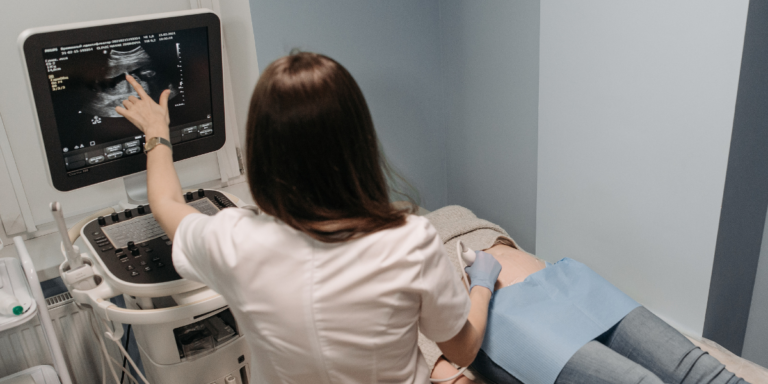
Compensation is a key consideration for any career, and sonography provides a strong earning potential for qualified professionals. In Canada, diagnostic medical sonographers earn an average salary that typically ranges from $65,000 to $90,000 per year. This can depend on various factors, including your experience, specialization, and where you’re based.
Here are estimated salary ranges in several Canadian cities:
- Toronto, ON: $70,000 – $95,000
- Vancouver, BC: $68,000 – $92,000
- Calgary, AB: $72,000 – $96,000
- Edmonton, AB: $70,000 – $94,000
- Ottawa, ON: $67,000 – $91,000
- Montreal, QC: $65,000 – $88,000
- Halifax, NS: $63,000 – $85,000
Sonographers who graduate from the Best Cardiac Sonography Program or pursue niche roles such as vascular or musculoskeletal imaging often see even higher earning potential. Compared to other allied health professions, sonography stands out for offering great pay along with reliable opportunities for career growth and salary advancement.
5. Flexibility and Work-Life Balance

Many professionals seek careers that allow them to balance their personal and professional lives. Sonography offers flexibility in scheduling through part-time roles, weekend shifts, or mobile imaging opportunities.
This flexibility makes it ideal for parents, mature students, and those transitioning from other careers. With such flexible scheduling, sonographers can design a work-life balance that suits their individual lifestyle needs, contributing to long-term job satisfaction.
6. A Hands-On, People-Focused Career

If you enjoy interacting with people and dislike desk-bound jobs, sonography may be the perfect fit. Each day brings a new patient, a new case, and a new challenge. The role is physically active, emotionally engaging, and deeply rewarding.
Sonographers communicate directly with patients, ease their concerns, and ensure their comfort. It’s a hands-on, people-focused career that attracts compassionate, curious, and motivated individuals.
Connect with Us for Details on the Medical Sonography Program in Canada
7. Fast and Focused Training Options

Unlike some healthcare careers that require many years of education, sonography offers quicker entry through focused programs. Usually, a diagnostic medical sonography program takes about two to three years to complete, featuring a mix of classroom education and practical clinical training.
Whether you’re a recent high school graduate or a career switcher with a background in healthcare or science, there are clear and achievable pathways to enter the field. These fast training programs allow for a smoother and quicker transition into a rewarding medical role. These fast training programs allow for a smoother and quicker transition into a pathway to a rewarding healthcare career.
8. Wide Range of Specialization Opportunities

Sonography is a diverse field with plenty of options. Professionals have the option to focus on various specialties, including general imaging, obstetrics, musculoskeletal sonography, vascular studies, and cardiac imaging. Each of these specialties brings its own unique challenges and rewards.
Graduates from a cardiac sonography program, for instance, can focus on heart-related diagnostics, opening up roles in hospitals, cardiology clinics, and research centers. These opportunities for specialization ensure that professionals can tailor their careers to align with personal interests and professional goals. This opens up the World of Diagnostic Cardiac Sonography.
9. Variety of Job Settings and Locations

One of the most appealing aspects of sonography is its geographic and institutional flexibility. Sonographers can work in public hospitals, private clinics, mobile imaging units, educational institutions, and telehealth setups.
With qualifications recognized across provinces and internationally, you can find work in a variety of locations, from major cities like Toronto and Vancouver to remote communities in need of diagnostic services. This adaptability increases job opportunities and makes relocation or travel more accessible.
10. Exposure to Advanced Technology

Medical imaging is one of the most tech-driven fields in healthcare, and sonographers are at the forefront. They operate sophisticated ultrasound machines, use real-time imaging software, and stay current with evolving techniques.
This constant interaction with technology use appeals to those with a passion for science and innovation. It’s a field where continuous learning and professional development are encouraged and necessary. If you’re wondering how to become a sonographer in Canada, it starts with hands-on training and access to the latest equipment.
11. Tangible Benefits and a Meaningful Career

When considering career options, many people seek roles that offer not just a paycheck but purpose. Sonography delivers on both fronts. With tangible benefits of a sonography career — including strong salaries, job security, advancement potential, and the ability to make a difference — it’s easy to see why the field is so appealing.
You contribute to patient care while investing in a future that offers stability and personal growth. It’s a truly rewarding career as a medical diagnostic sonographer.
12. Excellent Career Outlook and Growth Potential

The long-term outlook for sonography is exceptionally strong. As the population ages and medical imaging continues to evolve, the need for skilled sonographers will grow.
From leadership roles to educational opportunities, there’s ample room for growth. The career outlook is promising across Canada, making this field an intelligent choice for anyone entering or transitioning within the healthcare sector. If you’re choosing the best sonography course, ensure it supports long-term development.
Why Study Sonography with Us at the Pharma-Medical Science College of Canada

At Pharma-Medical Science College of Canada, we offer nationally recognized programs in diagnostic medical sonography and cardiac sonography that prepare students for real-world success. Our curriculum aims to integrate theoretical understanding with real-world skills, supported by passionate faculty who are focused on ensuring student achievement.
What Does Our Diagnostic Medical Sonography Program Hold? Comprehensive training, experienced instructors, clinical placements, and a supportive learning environment.
Graduates of our programs benefit from high employment rates, clinical placement opportunities, and access to government financial aid. Whether you’re starting your first career or making a change, our institution provides a solid foundation for growth.
Conclusion
Choosing sonography as a career in Canada means entering a field that offers stability, professional respect, and the opportunity to truly impact lives. Throughout this article, we’ve explored 12 strong reasons that support this path, from job stability and excellent pay to flexibility, diverse specializations, and advanced training options. Sonographers enjoy a hands-on role, make meaningful contributions to healthcare, and benefit from an impressive career outlook with room to grow.
Ready to begin your journey in diagnostic or cardiac sonography? Pharma-Medical Science College of Canada is here to guide you every step of the way.
Contact us today to learn more about our programs, speak with an advisor, or get help with your application process.