
Acupuncture has become a well-recognized complementary health approach throughout Toronto, Ontario, Canada, especially as more people seek non-drug options for pain management, stress reduction, and overall wellness. In areas like North York and Markham, you will find acupuncture offered alongside massage therapy, physiotherapy, chiropractic care, and other rehabilitation services.
As demand grows, many regulated health professionals are exploring an acupuncture course to expand their scope, improve client outcomes, and add a valuable skill set to their practice.
This guide is written for RMTs and other regulated health professionals who want to do this Course that fits Ontario expectations and supports safe, effective care. We will cover what an acupuncture therapist does, who can enroll in an Ontario-based program, what to look for in acupuncture training, and how regulation works in the province. If you are comparing options for an acupuncture course across Canada, this Toronto-focused overview will help you make a confident decision.
Understanding the Role of an Acupuncturist and Acupuncture Therapist
An acupuncture therapist uses fine, sterile needles and related techniques to stimulate specific points on the body. In clinical practice, it can help with goals such as reducing pain, making it easier to move around, and supporting the nervous system in dealing with stress. Putting in needles is only part of the job. It includes a clinical assessment, explaining the treatment plan, getting informed consent, preventing infections, and keeping records.
In Toronto and the GTA, acupuncture services are commonly offered in:
- Massage therapy clinics
- Physiotherapy and rehabilitation centres
- Chiropractic clinics
- Natural health and wellness clinics
- Private acupuncture clinics
- Some community-based and teaching hospital environments
For regulated professionals, acupuncture training is often about adding a structured, evidence-informed approach to an existing practice. If you are building your long-term career plan in Ontario, understanding how the role of an acupuncture therapist fits within the regulated scope is just as important as choosing the right acupuncture course.
Education Requirements for Acupuncturists in Ontario (Who Can Take This Type of Program)

Ontario has specific expectations around safety, competencies, and scope when regulated professionals perform acupuncture. That is why eligibility matters. Programs designed for regulated health professionals typically require applicants to have a healthcare background already.
A common eligibility profile includes regulated or professionally trained practitioners such as:
- Registered Massage Therapists (RMTs)
- Physiotherapists
- Chiropractors
- Osteopaths
- Traditional Chinese Medicine (TCM) practitioners and related professionals
It’s not just about price or convenience when picking the right acupuncture program. It’s about learning in a way that encourages safe technique, professional responsibility, and making the right clinical decisions. When people look for the best acupuncture schools, they usually mean well-known schools with a structured curriculum, a strong safety culture, and training that meets Ontario’s practice standards. If you want to find an acupuncture course you can trust, the first thing to do is make sure the program is right for your job and level of expertise.
Acupuncture Courses and Programs in Toronto (What to Look For)
Not every acupuncture course is built the same. Some are introductory and general, while others are designed to support expectations for professional practice. If you are comparing an acupuncture program Toronto professionals can use to expand their services, focus on three core areas: length, curriculum, and hands-on delivery.
Program length
The length of the program is important because acupuncture is a technical skill that improves with guided repetition and supervised practice. A 340-hour acupuncture course is a big commitment, but it’s designed to allow many working professionals to learn and work at the same time.
When you evaluate acupuncture courses Toronto options, ask:
- How are the hours divided between lecture and lab?
- What does a typical weekly schedule look like?
- What level of practice and assessment is included?
If you are looking for acupuncture classes that fit into your routine, you still want enough training time to build confidence, precision, and safe habits.
Curriculum focus (what you actually learn)
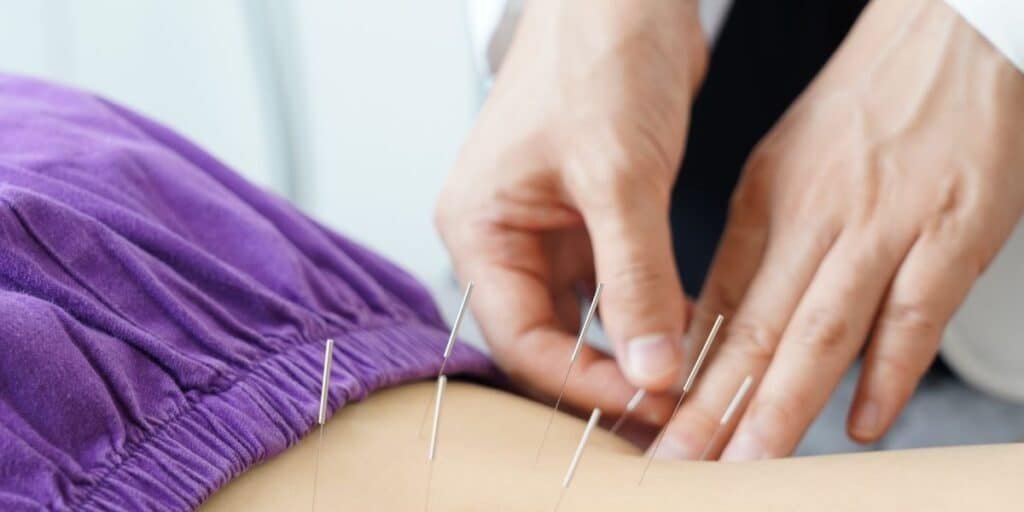
A strong acupuncture training curriculum should begin with fundamentals and build into safe clinical application. For example, a professionally oriented acupuncture course typically covers:
- The basics of the meridian system, its terms, and how to find points
- The 12 regular meridian points, with a focus on the ones that are most often used
- Basics of needles, such as structure, gauge, and how to handle them
- Steps to get ready for needling, positioning, and draping
- Methods of insertion, such as direction, angle, and depth
- Basic needle manipulation and skills that help you use good technique
- Safety standards, managing risks, stopping bad things from happening, and knowing how to respond
- Gua sha, cupping, and moxibustion are other techniques that can be used.
If your goal is to practice professionally in Toronto, this level of depth is what separates casual learning from true job-ready acupuncture training. It also supports professional credibility when patients ask about your education and qualifications.
Hands-on learning format
Acupuncture is hands-on by nature, so the delivery format matters. Many professionals prefer a combined lab-and-lecture structure because it connects theory to practice in real time. In the lab, you refine palpation, point location accuracy, needle handling, hygiene steps, and client positioning. In a lecture, you build the conceptual base that supports clinical judgement.
When comparing an acupuncture course, prioritize programs that clearly explain how they teach practical skills. This is especially important if you are searching for an acupuncture program that Toronto professionals can complete while maintaining high safety standards.
Licensing and Regulation in Ontario (What Students Should Know)
Regulation is a key part of planning your path as an acupuncture therapist in Ontario. Rules differ depending on your profession, your regulatory college, and the scope of practice you are authorized to perform.
Licensing and registration process

For regulated health professionals in Ontario, the licensing and registration process is closely tied to the scope of practice and your professional regulator. For example, many RMTs look for education that aligns with the College of Massage Therapists of Ontario (CMTO) expectations for acupuncture practice. This is why selecting the right acupuncture program is not just academic; it is practical.
In short, your professional background affects:
- What education is considered appropriate
- What standards and competencies are you expected to meet
- How acupuncture fits within your existing scope of practice
This is one reason many professionals choose an Ontario-aligned acupuncture course over a generic one without clear regulatory relevance.
Licensing exam (what to ask the school)
Different professions and pathways may involve assessments, competency checks, or other requirements. While a school should never guarantee results, it should explain how training supports safe competence and professional readiness.
When evaluating acupuncture training, ask the school:
- What skills and performance metrics does the curriculum focus on
- How to judge practical skills
- What are the standards for safety, documentation, and risk management that are taught?
- What help is available for students who are trying to meet professional requirements?
For anyone building a long-term plan as an acupuncture therapist, these questions help you choose an acupuncture program that supports real clinical work in Toronto.
Protected titles (Ontario clarity)
Protected titles and permitted activities can vary by regulator and profession. In Ontario, what you can call yourself and what you can do clinically depends on your credentials and regulatory framework. If you are pursuing an acupuncture course across Canada and planning to practice in Toronto, confirm the details directly with the relevant Ontario regulatory body for your profession. This protects you and your clients, and it prevents misunderstandings about advertising, scope, and service delivery.
Skills Needed to Succeed in Acupuncture
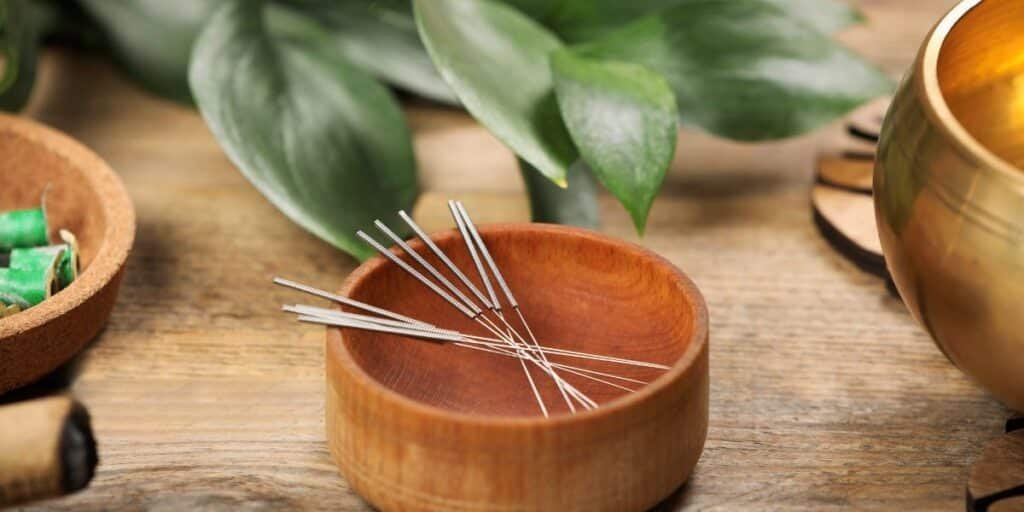
Even with a high-quality acupuncture course, success depends on how you apply the skill in a real clinical environment. The strongest acupuncture therapists build both technical and professional competencies.
Key skills include:
- Setting clear expectations and communicating clearly with clients
- Boundaries in the workplace and informed consent
- Consistency in hygiene, infection control, and sterile technique
- Accuracy in knowing anatomy and judging safe depth
- Thinking about risk management and keeping good records
- Calm confidence and paying attention to details during treatments
In Toronto, where clients often compare providers online and expect professionalism, these skills can be the difference between occasional bookings and a stable referral-based practice. Solid acupuncture training supports these habits, but you also develop them through consistent, careful practice.
Career Opportunities After Acupuncture Training in Toronto and the GTA
Adding acupuncture to your clinical skill set can open new opportunities, especially in the GTA, where integrated clinics are common. After completing an acupuncture course, many practitioners explore roles in settings such as:
- Community and teaching hospitals
- Private acupuncture clinics
- Massage clinics
- Physiotherapy clinics and rehabilitation centres
- Chiropractic centres
- Natural treatment and wellness clinics
- Nursing homes and long-term care environments
- Fitness and wellness centres
- Spa and wellness settings were permitted
- Self-employment, depending on professional scope and authorization
If you are searching for the best acupuncture schools in Toronto, think beyond the classroom. Consider whether the education supports the career setting you want. The right acupuncture program that Toronto professionals choose should align with both your current credentials and your future practice goals.
Why This Confirmed Acupuncture Education Program Stands Out (Ontario Focus)
When selecting an acupuncture course in Toronto, one of the strongest indicators of fit is whether the program aligns with Ontario practice expectations. The Confirmed Acupuncture Education Program at Pharma Medical is designed to comply with CMTO standards of practice for acupuncture and align with CMTO acupuncture practice competencies and performance indicators. For RMTs in particular, that alignment can be highly relevant when planning education that supports professional scope.
It is also offered in convenient GTA locations, including North York and Markham. For students searching for acupuncture courses Toronto that are accessible from across the city, a campus location can make consistent attendance and hands-on participation much easier. If your goal is an acupuncture program Toronto professionals can complete with a structured lab and lecture model, this Ontario-focused approach is worth a close look.
Conclusion
If you are a regulated health professional building your future in Toronto, Ontario, Canada, choosing the right acupuncture course can help you expand your clinical services while maintaining high standards of safety and professionalism. To explore a structured, Ontario-focused program offered in North York and Markham, connect with Pharma-Medical College to request information and review admission requirements. Take the next step in your career with confidence by booking a tour or submitting an inquiry today.
FAQs About Acupuncture Therapist Career in Toronto
Program length varies by school and professional pathway. Some options are short introductions, while professional programs may be several hundred hours. For example, the program featured here is a 340-hour acupuncture course.
Many professional acupuncture training programs are designed for regulated health professionals such as RMTs, physiotherapists, chiropractors, osteopaths, and TCM practitioners. Always confirm admission requirements with the school.
A structured acupuncture program commonly covers meridian system foundations, point location, needle handling and insertion technique, manipulation basics, client positioning, safety standards, risk management, and may include related methods like cupping, gua sha, and moxibustion.
RMT requirements can involve CMTO expectations. This confirmed acupuncture education program is designed to align with CMTO standards and competencies. For personal confirmation, check with CMTO and review your scope requirements.
This program is offered at campuses in North York and Markham, which can be convenient for learners across Toronto and the GTA.
Depending on your credentials and scope, opportunities may include integrated clinics, private acupuncture clinics, rehabilitation settings, wellness centres, long-term care environments, and self-employment where permitted.
Look for clear admission criteria, strong safety and assessment standards, hands-on lab training, a curriculum that matches your professional needs, and an Ontario-aligned approach that supports your scope of practice.