How Does Prior Work Experience or a Different Degree Impact Admission into a Pharmacy/Medical Program?

Prior Work Experience or a Different Degree Impact Admission: Blog Feature image

After considering a career change to pharmacy or medical sciences, you must have posed some hard questions to yourself. “Am I too old to start over?” I am worried the non-science degree will work against me. Will my retail job matter to the admissions committees? These fears are all natural, but the good news is that the field of healthcare is evolving, and your personal history may be the very thing that makes you different.

The Changing Face of Healthcare Students

The Changing Face of Healthcare Students

Enter any pharmaceutical store or program in the field of medicine, and you will see something that is not common after ten years. There are not just fresh-faced high school graduates in the classroom holding their first acceptance letters. Rather, there are former retail managers, administrative people, career-switchers from business backgrounds and, of course, individuals who already have a degree in an entirely unrelated area.

Healthcare education has been changing to recognize that the most effective healthcare providers do not necessarily follow a linear path. The industry requires individuals who contribute real-world work, emotional support, and varied perspectives to patient care. It is why schools are finding it more attractive to look beyond transcripts to assess the entire individual, and that is where the prior work experience or alternate degree comes in as a big asset.

It is natural to be worried about being “too old” or with the “wrong” background, though this is usually baseless. Indeed, across most admission offices in institutions such as Pharma-Medical Science College of Canada, maturity, dedication, and life skills of career changers are welcome in our programs.

The “Holistic” Admission Trend: Why Grades Aren’t Everything Anymore

The "Holistic" Admission Trend: Why Grades Aren't Everything Anymore

You likely heard the word ‘holistic admissions’ bantered about in your research, and maybe you have read summaries of pharmacy program admission requirements. But what does it mean to you?

Holistic admissions medical school and pharmacy program practices evaluate applicants based on multiple dimensions rather than just GPA and test scores. Admissions committees are now looking at:

  • Your employment history and what it reveals about your personality.
  • The things that have happened in your life have sparked your interest in healthcare.
  • Experience in soft skills, including communication, empathy, and problem-solving.
  • Your dedication to the career (through volunteering, job shadowing, or other such work).
  • Personal challenges you’ve overcome.
  • The reasons why you seek healthcare.

This change recognizes that a 4.0 GPA does not necessarily translate to great patient care. An applicant who has served as a pharmacy assistant as part of the prerequisites may better understand the process of providing medication and dealing with patients than an applicant who has never left the library. A person who has been in charge of a retail team knows how to handle stress, conflicts, and customer support, which is very important in the healthcare environment.

When evaluating how prior work experience affects pharmacy program admission, admissions teams are looking for evidence that you understand what you’re getting into and that you’ve developed transferable skills that will make you a better healthcare professional.

The Impact of Prior Work Experience on Your Application

The Impact of Prior Work Experience on Your Application

Not every work experience has been equal in the admissions committees, but this does not imply that non-healthcare expertise is useless. We can divide how various kinds of work history can make your application stronger.

Healthcare Experience: Your “Golden Ticket” for Proving Commitment

If you’ve worked as a pharmacy assistant, pharmacy technician, medical receptionist, or in any patient-facing role, you’re holding what many admissions officers consider the golden ticket. This experience demonstrates several critical qualities:

  • Genuine commitment to the field: You have already tried the waters and decided to get into the deep water. It is not a fantasy ideal of a career; you are aware of the reality of daily life.
  • Understanding of healthcare environments: You are familiar with the pace, terminology, patient care, and challenges. Your initial clinical placement will not shock you.
  • Practical knowledge base: You are already familiar with the processes of medication dispensing, patient confidentiality, insurance and clinical workflow. This grounding would enable you to work on high-level concepts and not simple orientation.
  • Professional references: Your managers can comment on your reliability, your skills in patient care, and your ability to handle healthcare tasks.

When discussing prior work experience, pharmacy medical program admission in your application essays or interviews, highlight specific situations where you demonstrated clinical judgment, compassion under pressure, or commitment to patient safety. These concrete examples carry far more weight than generic statements about “wanting to help people.”

Non-Healthcare Experience: The Hidden Value of “Soft Skills”

Possibly, you have worked in retail management, administration, customer service, or in completely different areas. It depends on how valuable this can be to you. Health care is a people business, and the soft skills that you have gained directly apply to patient care.

  • Retail and customer service experience teaches you how to approach different populations, how to graciously handle difficult conversations, how to cope with stress when the store is busy, and how to resolve issues on the spot. These are precisely the same skills you will require when you have to convey the medication instructions to a nervous patient or handle a pharmacy at the time of the flu season.
  • Administrative and office experience provides attention to detail, organizational skills, time management, and the capacity to balance between several priorities, which are important to control the patient records, insurance authorizations, and medication orders with the required accuracy.
  • Management experience demonstrates leadership, team collaboration, conflict resolution, and decision-making under pressure. Healthcare is becoming more collaborative, and these are the skills that can make you a good working partner.

In your application, frame these experiences through a healthcare lens. Instead of saying “I managed a team of 10 retail employees,” try “I developed strong communication and conflict-resolution skills while managing a diverse team, which prepared me to collaborate effectively in multidisciplinary healthcare settings.”

The “Second Career” Student: How Your Different Degree Impacts Admission

Already have a bachelor’s degree in something other than pharmacy or health sciences? This is becoming a common thing, and it can be highly beneficial in your favour, no matter what your major is.

Science Degrees: Fast-Tracking Your Healthcare Understanding

In the case that you have a degree in biology, chemistry, biochemistry, or any health-related science, you will have a major lead in terms of background knowledge. You have now learned the scientific method, laboratory methods, and fundamentals in anatomy, physiology or pharmacology.

This background means you can:

  • Quickly grasp complex pharmaceutical concepts.
  • Understand drug mechanisms and interactions more intuitively.
  • Excel in courses involving biochemistry and pathophysiology.
  • Give your energies towards clinical application and not basic science catch-up.

However, don’t let this advantage make you complacent. The admissions committees will want you to prove that you are aware of the distinction between laboratory science and patient-centred care. Demonstrate that you have pursued patient interaction experience and that you are ready to meet the interpersonal healthcare requirements.

Non-Science Degrees: Bringing Diverse Perspectives to Patient Care

Hold a degree in business, psychology, communications, arts, or humanities? Excellent. Healthcare desperately needs professionals who can think beyond the purely clinical.

  • Business degrees provide an understanding of healthcare economics, operational efficiency, and management concepts, which are becoming increasingly relevant as pharmacists assume broader roles in healthcare management.
  • Psychology and social science backgrounds offer a profound understanding of human behaviour and mental health, as well as the social determinants of health. You will be better positioned to understand why patients fail to adhere to their medications as required or to communicate effectively with vulnerable groups.
  • Communications and humanities degrees build critical thinking and ethical thinking as well as communication skills. You can translate complex medical information into understandable language and navigate the moral issues that arise in patient care.

The key is to show that you have (or are doing) the required science courses to be admitted and that you value your diverse background as a strength, rather than a weakness. Describe in your application documents your special outlook and how it will make you a more balanced healthcare professional.

Why Pharma-Medical is the Right Fit for Career Changers
Why Pharma-Medical is the Right Fit for Career Changers

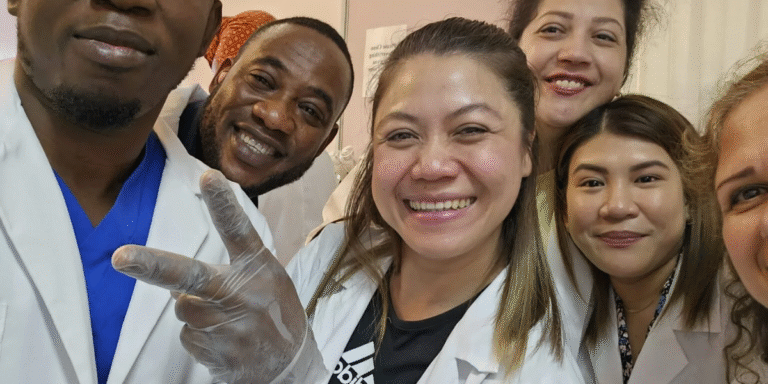
If you’re pursuing a career change to pharmacy or medical sciences, not all educational institutions are equally welcoming to non-traditional students. Pharma-Medical Science College of Canada has specifically designed their approach to support career changers and students with diverse backgrounds.

  • Recognition of prior learning: The admissions process of Pharma-Medical appreciates that learning can occur in various environments as opposed to the traditional classroom setting. Your life experience and past academic training would also count towards your general preparation for healthcare training.
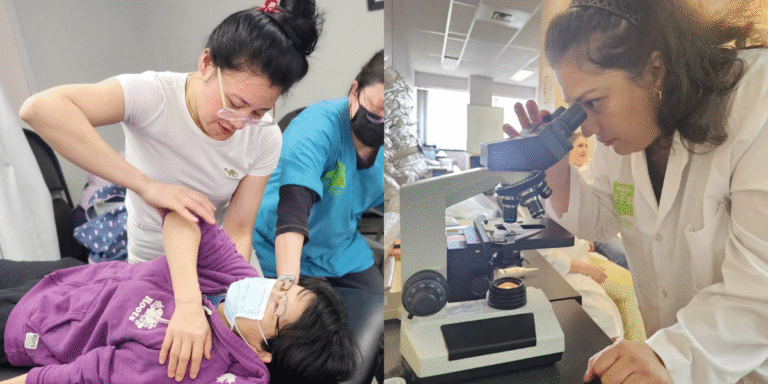
  • Practical, hands-on healthcare training: Career changers usually prefer to enter the field as soon as possible without compromising on education. Pharma-Medical focuses on real-life or practical laboratories that will bridge the gap between theory and practice. You are not reading only about patient care but actually practicing it in contemporary laboratory facilities with instructors with the years of experience and introduce industry knowledge.
  • Fast-track diploma options: In contrast to traditional four-year programs, Pharma-Medical provides diploma programs that enable you to start in the healthcare workforce sooner. The Diagnostic Medical Sonography, Massage Therapy, Personal Support Worker, and other healthcare specialization programs are career-oriented, with no unnecessary courses.
  • Supportive learning environment: Pharma-Medical has more than 15 years of experience training medical workers, which gives it insight into the special situations career changers can encounter. The college has financial support as well as flexible scheduling options, and a high employment percentage, which proves that they not only focus on educating their students but also on developing their careers.

The combination of practical, hands-on health care training and recognition of your previous experience makes Pharma-Medical especially well-suited for students transitioning to the healthcare sector from other disciplines.

Take the Next Step in Your Healthcare Journey

Making a career change to pharmacy or medical sciences is a significant decision, but it’s one that thousands of successful healthcare professionals have made before you. The experience you have had in your previous job and your various academic experiences are not factors you need to jump over, but rather strengths that will make you a more empathetic, well-rounded health care expert.

If you’re ready to explore how your background fits into a healthcare career, Pharma-Medical Science College of Canada offers programs specifically designed for career changers like you. With modern facilities, experienced instructors, practical training, and a track record of successful graduate employment, Pharma-Medical can help you transition from where you are to where you want to be.

Ready to learn more about pharmacy program admission requirements and how your experience positions you for success? Contact us today to see the facilities, meet instructors, and get your specific questions answered. Your healthcare career is waiting, and your unique journey to get there is exactly what the field needs.


How Healthcare Certifications Boost Your Earning Potential and Long-Term Career Growth

Feature Image

A rewarding healthcare career rarely happens by accident. It grows from deliberate learning, strong credentials, and well-planned steps that raise your profile with employers and patients alike. Earning healthcare certifications through accredited healthcare courses gives you recognized proof of skill and dedication. Prospective students, working professionals, parents, advisors, healthcare providers, and international learners all benefit from a clear roadmap that leads to respected qualifications. With medical certification courses and high-quality healthcare training programs in Ontario, you position yourself for steady advancement, meaningful work, and higher earnings.

Why Healthcare Certifications Matter in Today’s Healthcare Landscape

Why Healthcare Certifications Matter in Today's Healthcare Landscape

Credentials set a clear benchmark of capability. They help employers identify candidates who can deliver safe, effective care from day one and who are committed to continuous improvement supported by accredited healthcare courses and medical certification courses.

Enhanced Professional Credibility and Trust

Earning healthcare certifications signals verified competence that strengthens your reputation with employers, colleagues, and patients. When your training comes from accredited healthcare courses, your qualifications carry recognizable weight across clinics, hospitals, and community settings. Paired with well-structured medical certification courses, these credentials build trust around your clinical judgment and reliability.

Proving Readiness for Leadership and Higher Responsibility

Teams look to certified professionals when assigning supervisory tasks or leading projects. Advancing through healthcare certifications shows you can handle complex responsibilities with consistency and care. Completing medical certification courses demonstrates that your knowledge is current and that you can translate standards into daily practice, a key signal for promotion.

How Healthcare Certifications Drive Higher Earning Potential

How Healthcare Certifications Drive Higher Earning Potential

Compensation often rises when you bring validated skills to the table. Employers frequently tie pay bands to proven competencies documented through healthcare certifications and rigorous medical certification courses.

Higher Salaries for Certified Healthcare Professionals

Certified employees tend to qualify for roles with stronger pay brackets, shift premiums, or specialty differentials. Graduates of respected healthcare training programs in Ontario can point to specific healthcare certifications that align with local labor demands and regulated scopes of practice. Adding targeted medical certification courses often unlocks second credentials that move you into higher tiers.

Better Negotiating Power and Added Job Security

When you present healthcare certifications, you add concrete evidence of quality that strengthens salary discussions. Completing medical certification courses gives you quantifiable training hours, competency checklists, and exam results that support requests for raises or new responsibilities. These assets also improve job security, since certified staff are difficult to replace without disrupting care.

The Significance of Certifications for Prolonged Professional Development and Progress

The Significance of Certifications for Prolonged Professional Development and Progress

Career development relies on steady gains in competence, scope, and responsibility. Earning healthcare certifications through accredited healthcare courses creates a ladder you can climb with confidence.

Promotions and Specialized Career Tracks

Many advancement pathways list healthcare certifications as required or strongly preferred. Strategic medical certification courses can qualify you for specialized tracks such as clinical supervision, lead technician roles, coordination positions, or department management. Each additional credential widens the range of roles you can pursue over a multi-year plan.

Skill Enhancement and Specialization Opportunities

Targeted accredited healthcare courses help you develop focused skills that improve day-to-day performance, from patient communication to advanced instrumentation. Adding medical certification courses lets you deepen expertise in niche areas that hospitals and clinics value. Those specializations often come with clearer promotion routes and stronger pay bands.

Staying Updated With Evolving Industry Standards

Best practices evolve, and healthcare certifications help you keep pace with procedural updates and safety protocols. High-quality accredited healthcare courses refresh core knowledge while aligning your competencies with current regulations and guidelines. Completing medical certification courses at planned intervals keeps your toolkit fresh and your practice consistent with modern requirements.

Connect with Us for Details on the Medical Healthcare Training Program

Please enable JavaScript in your browser to complete this form.

Types of Healthcare Certifications That Make the Biggest Impact

Types of Healthcare Certifications That Make the Biggest Impact

Choosing the right credential begins with clarity on your starting point and destination. A mix of healthcare certifications, accredited healthcare courses, and stackable medical certification courses can create an efficient plan.

Foundational Certifications for Beginners

Entry-level healthcare certifications establish baseline competence across patient care, safety, and documentation. Foundational accredited healthcare courses introduce essential procedures, communication, and ethics in clinical settings. Early medical certification courses also prepare newcomers for exams and practical assessments.

Advanced Certifications for Experienced Professionals

As your responsibilities grow, advanced medical certification courses validate higher-order skills that support leadership and specialist roles. Building a portfolio of healthcare certifications helps you qualify for roles with greater scope, such as advanced diagnostics or quality oversight. Pairing these with accredited healthcare courses sustains your momentum toward senior positions.

Choosing the Right Healthcare Training Program in Ontario (and Beyond)

Choosing the Right Healthcare Training Program in Ontario (and Beyond)

Program selection influences both your educational experience and employment outcomes. Evaluate healthcare training programs in Ontario with attention to accreditation, curriculum depth, practicum design, and exam preparation supported by accredited healthcare courses.

Accreditation, Curriculum Standards & Real-World Experience

Accreditation confirms that accredited healthcare courses meet recognized educational and regulatory benchmarks. Strong programs combine theory with simulations, labs, and clinical placements that translate to job-ready skills. Integrating medical certification courses helps you prepare for credentialing exams with confidence and clear timelines.

Online vs. In-Person Certification Pathways

Flexible online formats can suit working learners who need to balance study and employment while pursuing healthcare certifications. Campus-based delivery can maximize lab time, mentorship, and peer collaboration within accredited healthcare courses. Many healthcare training programs in Ontario now blend both formats, and targeted medical certification courses often offer hybrid options.

How to Begin Your Certification Journey: Practical Steps for Success

How to Begin Your Certification Journey_ Practical Steps for Success

Clear goals and a realistic schedule keep your education on track. Combining healthcare certifications with a mix of medical certification courses creates a structure that supports steady progress.

Setting Goals and Choosing the Right Credential

Start by mapping your target role, then identify required healthcare certifications and any supplementary medical certification courses. Compare prerequisites, exam dates, and practicum needs across respected healthcare training programs in Ontario. Seek programs that package accredited healthcare courses with advising support and flexible study tracks.

Preparing for Certification Exams & Excelling in Your Program

Plan study blocks, practice with exam-style questions, and track performance by topic in your medical certification courses. Use the instructor’s office hours, tutoring, and peer study groups available within accredited healthcare courses. Capstone projects, labs, and supervised practice all reinforce the competencies evaluated by healthcare certifications and keep your skills sharp.

How Pharma-Medical Science College of Canada Supports Your Certification Journey

How Pharma-Medical Science College of Canada Supports Your Certification Journey

Pharma-Medical Science College of Canada focuses on career outcomes, hands-on learning, and structured exam preparation. Students build competencies aligned with employer expectations through healthcare training programs in Ontario, accredited healthcare courses, and stackable medical certification courses that support lasting success.

Our Accredited, Career-Driven Diploma Programs

Diploma options span pharmaceutical manufacturing, quality control, medical lab technology, diagnostic sonography, massage therapy, and pharmacy assistant training. Each pathway integrates accredited healthcare courses designed to build practical skill and confidence for credentialing. Many tracks are layered in medical certification courses and culminate in healthcare certifications aligned with provincial and national standards.

Supporting International and Domestic Students Through Every Step

International and domestic learners receive guidance on admission requirements, visas, and settlement resources within comprehensive healthcare training programs in Ontario. Financial aid advising helps eligible students navigate funding for accredited healthcare courses and related expenses. Academic coaching and mentoring complement medical certification courses to keep learners progressing toward healthcare certifications.

Our Commitment to Your Professional Growth

Curricula integrate theory, simulation, and clinical practice to build a strong evidence-based approach to care. Faculty with industry experience teach accredited healthcare courses that prepare you for real-world challenges and credentialing timelines. Through carefully sequenced medical certification courses, you develop the depth needed for advanced healthcare certifications and leadership opportunities.

Conclusion

Professional growth accelerates when your training is structured, recognized, and tightly connected to employer needs. By combining healthcare certifications, focused medical certification courses, robust healthcare training programs in Ontario, and quality accredited healthcare courses, you set a course for higher earnings, stronger credibility, promotions, and long-term career momentum.

Ready to move forward with a school that aligns learning with real opportunities? Apply to Pharma Medical Science College of Canada for hands-on programs that lead to respected credentials and meaningful work. Speak with an advisor today to plan your path through accredited healthcare courses, targeted medical certification courses, and industry-recognized healthcare certifications within proven healthcare training programs in Ontario.

Graduation Ceremony Solo Photography Session – September 7th 2024 at North York Campus

A group of graduates wearing green and black gowns, celebrating their academic achievements.

2024 Graduation Ceremony Solo Photography Session

at Pharma-Medical Science College of Canada

✅ Registration Successful!
Thank you for registering for the Solo Photography Session!
We can’t wait to help you capture this special moment.

🎓 Solo Graduation Photography Session 📸

Capture Your Special Moment in Style!

We’re thrilled to offer our graduating students the opportunity to take solo photographs in their graduation gowns before the big day. This dedicated photography session ensures you have plenty of time to capture your proudest moments without the rush on graduation day.

Event Details:

  • 📅 Date: Saturday, September 7th, 2024

  • ⏰ Time: 9 AM – 6 PM

  • 📍 Location: North York Campus, 505 Consumers Rd, North York

  • 👗 Gowns Provided: Yes, we’ll provide you with your ceremony gown.

Why Attend?

  • Professional Photography: Get high-quality, professional photos in your graduation attire.
  • No Rush: Enjoy a relaxed environment to capture your best moments.

How to Participate:

  • Simply show up at the campus during the scheduled hours.