
Pharmacy school can look calm from the outside. Inside, the days move fast. Students shift from lectures to labs to patient practice, often with little downtime.
Many students feel surprised by what really drives success. It is not only scientific facts. It is planning, clear speaking, and staying steady under pressure.
If you are thinking about pharmacy in Canada, this guide will help. You will see a realistic day, what students learn, and which skills matter most.
What Pharmacy School Really Prepares You For (Not Just Passing Exams)

Pharmacy school trains you to care for patients safely. You learn how medicines work, but you also learn how to use that knowledge in real life. Strong grades help, yet daily performance depends on good judgment and clear communication.
The Real-World Pharmacist Role In Canada Today
Pharmacists help patients use medicines the right way. They support chronic disease care, manage side effects, and answer questions about treatment. In pharmacy education in Canada, students practice these tasks through cases that feel close to real patient stories.
Pharmacists also work with doctors, nurses, and other providers. So students learn how to share updates, document clearly, and explain a plan in simple words.
Why Pharmacy Education Is Both Scientific And Clinical
Students learn science so they can make safe choices for patients. They study how drugs act in the body and what can go wrong. In pharmacy student life, this often means learning a topic, then using it in a case, then reviewing what you missed.
Clinical training builds judgement. Students learn how to weigh risks, choose an option, and explain the choice in a way others can follow.
A Realistic Day In The Life Of A Pharmacy Student (Hour-By-Hour Breakdown)

A typical day depends on your year and your schedule. Some days are lecture-heavy. Other days focus on labs or placements. Still, most students move through a pattern of class, practice, and study.
Morning (8:00–8:30 AM Start): Lectures + Prep
Many mornings start with lectures in pharmacology, therapeutics, or medicinal chemistry. Students in pharmacy student life often do quick prep first, like reading learning goals or reviewing notes from the last class. Lecture pace can feel fast. A simple routine helps: preview, take focused notes, then review key points later that day.
Mid-Day: 3-Hour Labs And Workshops
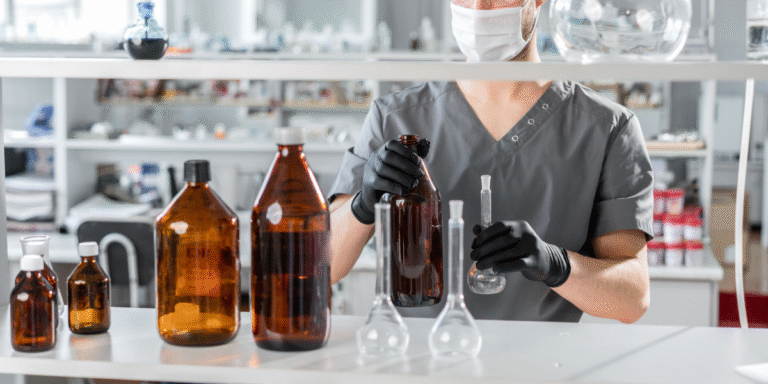
Mid-day labs may cover compounding, dosage calculations, and reading lab values. This is a key part of pharmacy education in Canada because students learn accuracy and safe workflow.
Workshops may include role-play with standardized patients. Students practice counselling, asking good questions, and checking patient understanding.
Afternoon: Experiential Learning And Rotations (Upper-Year Focus)
In later years, afternoons may include placements in hospitals, community pharmacies, or clinics. Students interview patients, review charts, and help build care plans.
This is where pharmacy internships and rotations feel real. Students see how choices affect people, and they learn how to work within a busy care team.
Evening: Study Blocks + Professional Development
Evenings often include study time, assignments, and case write-ups. Group projects can add meetings and shared deadlines, so planning becomes important.
Some students also join clubs or attend events. These activities help build confidence, leadership, and job-ready skills.
The “Other Job”: Balancing School With Pharmacy Internships
Many students work part-time as interns or pharmacy technicians. Pharmacy internships can help students learn faster because they repeat real tasks and talk with patients often.
Work can also raise stress if time is tight. Students do best when they plan work shifts around heavy weeks and protect sleep.
What Students Learn In Pharmacy School (Beyond Chemistry And Biology)

Pharmacy programs cover science, but the learning goes wider. Students learn how to think through patient problems, follow laws, and communicate well. This broad training is part of Pharmacy Education Canada.
Therapeutics And Clinical Reasoning
Therapeutics is the study of choosing and managing drug treatment. Students learn how to match drugs to conditions, adjust plans, and set follow-up steps. They practice thinking in a clear order: goal, choice, dose, monitoring, and next steps.
Pharmacology + Medicinal Chemistry (What Matters Most)
These subjects help students understand why drugs work and what risks they carry. Students focus on key patterns like interactions, side effects, and how the body handles medicine. In pharmacy student life, learning sticks better when students connect science to real cases instead of isolated facts.
Professional Practice, Law, And Ethics
Students learn rules about privacy, consent, and documentation. They learn what pharmacists can do and what must be escalated. Ethics shows up often. Students learn how to act when safety is at risk, even when time is short.
The Skills That Really Matter Beyond Chemistry And Biology

Students often think pharmacy school is mostly about science grades. Skills like thinking clearly, speaking well, and staying organized often shape results just as much. These skills also help students succeed during pharmacy internships.
Critical Thinking And Clinical Problem-Solving
Students learn how to read patient history, lab values, and medication lists. They practice finding drug interactions and spotting medication problems. During pharmacy internships, students learn to choose a safe next step and explain why it matters.
Communication And Interpersonal Skills
Pharmacists explain medications to people with different levels of health knowledge. Students practice using plain language and asking questions that invite honest answers. They also learn how to speak with care teams. Clear updates help prevent errors and delays.
Time Management And Prioritization
Pharmacy school has many moving parts: lectures, labs, readings, and tests. Some students also work part-time. In pharmacy student life, strong planning helps students avoid last-minute panic.
Simple tools can help:
- Time-block study sessions for one task at a time
- Plan the week on one page with deadlines and lab prep
Attention To Detail (Patient Safety Mindset)
Small mistakes can cause harm. Students learn to double-check calculations, labels, and documentation. They also learn how to spot risk quickly. This skill matters a lot during pharmacy internships, where speed is expected, and accuracy protects patients.
Adaptability And Lifelong Learning
Pharmacy changes often. New drugs appear, and guidelines are updated. Students learn how to use trusted resources and keep learning after school. Within pharmacy education in Canada, this skill supports safe decisions long after graduation.
Resilience And Stress Management
Exams, OSCEs, and lab tests can feel intense. Stress builds when sleep drops and work piles up. Students do better when they keep basic routines stable and ask for help early. Support can include peers, tutors, faculty, and school wellness services.
Data Literacy And Digital Proficiency
Students use Electronic Health Records, drug databases, and clinical tools. These tools help check dosing, interactions, and monitoring steps. Many programs also introduce AI-based support tools, so students learn how to use them carefully and still think for themselves.
Labs, Simulations, And Hands-On Training (Where Students Become Professionals)
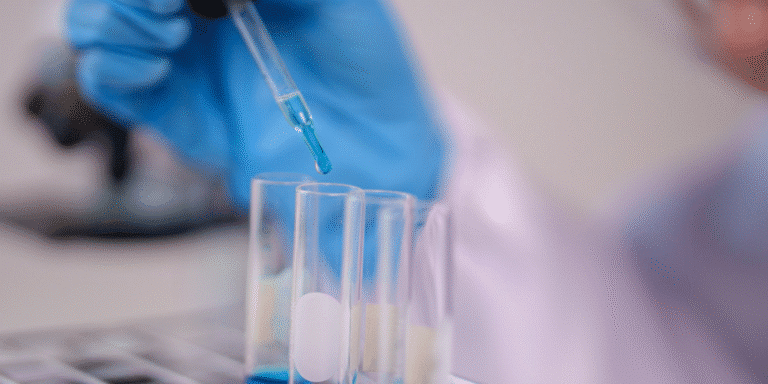
Hands-on training turns knowledge into action. Labs and simulations help students practice in a safe place before working with real patients. This training also boosts confidence over time.
What Happens In Pharmacy Labs
Labs teach compounding, safety steps, and workflow skills. Students also practice documentation and quality checks. For many students, this part of pharmacy student life is where skills start to feel real and repeatable.
Workshops And Simulation-Based Learning
Workshops may use standardized patients for counselling practice. Students learn how to guide a short, clear conversation and check understanding. These activities are common in pharmacy education in Canada because they build real patient skills.
Feedback-Driven Improvement
Students get feedback from instructors and rubrics. They learn what they did well and what to change next time. This loop of practice and feedback builds steady improvement and safer habits.
Clinical Rotations And Pharmacy Internships: The Real-World Learning Curve

Rotations and work experiences help students learn faster. They show what real pharmacy work feels like. They also help students choose a path, like a hospital, a community, or another area.
Hospital And Clinical Settings
Hospital settings can include medication reconciliation, joining rounds, and monitoring therapy results. Students learn to document clearly and speak with care teams. These placements can feel challenging, but they teach strong clinical habits.
Community Pharmacy Placements
Community placements focus on OTC advice, quick counselling, and safe workflow. Students learn how to communicate well, even during busy hours. Many students build confidence quickly in pharmacy internships because they talk with patients all day.
Career-Building Benefits Of Internships
Internships often lead to job offers because employers value real experience. Students also gain judgment through repeated practice. Confidence grows when students see they can handle real questions and real pressure.
The Hardest Parts Of Pharmacy School (And How Students Manage Them)

Pharmacy school can feel heavy. Many strong students struggle at first. Knowing the hard parts helps students plan and stay calm.
Heavy Content Volume And Fast Pace
The amount of material can feel huge. Many topics connect, so falling behind can snowball. Students often use spaced repetition and practice questions to keep up. Active learning works well because it helps students apply facts instead of just re-reading notes.
High-Stakes Assessments And Performance Pressure
Assessments may include written exams, lab evaluations, and OSCE stations. Time limits can add pressure. Students improve when they practice under timed conditions and review mistakes with purpose. A steady study plan usually helps more than late-night cram sessions.
Staying Healthy During Intense Semesters
Sleep, food, and movement affect focus and memory. When health drops, school feels harder. Students do better when they keep routines simple and steady. Academic support and mental health services can also help when stress gets high.
How To Prepare Before Starting Pharmacy School (Practical Checklist)

Preparation can reduce stress in the first term. A practical plan focuses on core skills, real exposure, and clear timelines.
Academic Preparation That Truly Helps
Math skills help with dosing and calculations. A basic grasp of physiology supports many topics. Strong study habits help with the fast pace. These steps support success in pharmacy education in Canada, where students are tested on both knowledge and applied thinking.
Exposure That Improves Readiness
Shadowing, volunteering, or working as a pharmacy assistant helps students understand the setting. You see workflow, patient questions, and the pace of the day. This experience can also show whether pharmacy student life fits your goals and schedule.
Planning Support Through Academic Advising
Advising helps students map prerequisites and timelines. It can also help international students plan their pathway in Canada. A clear plan reduces surprises and keeps progress steady.
Admissions And Support Systems That Help Students Succeed

Admissions can feel stressful, but support systems can lighten the load. Students benefit when they understand what programs value and what help is available after they start.
What Schools Look For In Applicants
Programs often look for strong academics, professionalism, and clear motivation. They may also value patient-focused experience and strong references. If you are comparing pharmacy schools in Toronto, learning the requirements early helps you plan your steps with less stress.
Academic Advising And Mentorship During School
Advising can help with course planning and study strategies. Mentorship from peers, faculty, and alumni can also help students manage hard weeks. Support networks reduce isolation and help students stay on track.
Planning Career Pathways Early
Students benefit from choosing rotations and work experiences that match their goals. Networking helps students learn about different roles and job paths. Early planning can also help students choose the right pharmacy internships for their interests.
How The Pharma-Medical Science College Of Canada Supports Students Preparing For Pharmacy And Healthcare Careers

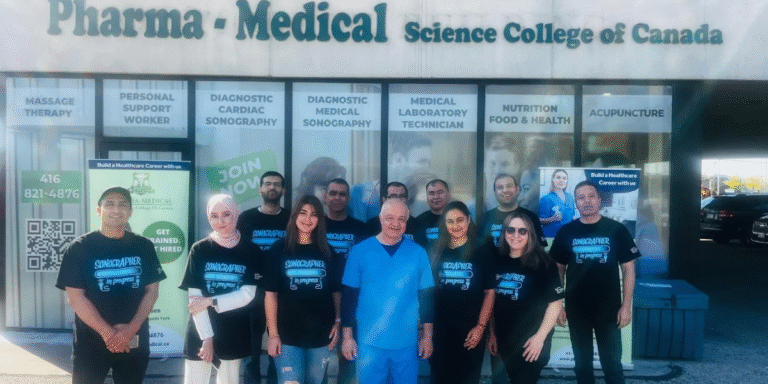
At Pharma-Medical Science College of Canada, we work with students who want a hands-on start before moving into advanced study. Our career-focused programs help build confidence, practical skills, and a clear direction for pharmacy and healthcare paths.
Our Diploma Programs Help Students Enter And Grow In Healthcare And Pharma
Our programs include pharmacy assistant, pharmaceutical manufacturing, quality control, medical lab technology, diagnostic sonography, massage therapy, and other options. These pathways support career starters and working professionals connected to Pharmacy Education Canada. Through our programs, students build job-ready skills while exploring long-term goals in healthcare.
We Combine Theory With Hands-On Training In Modern Labs
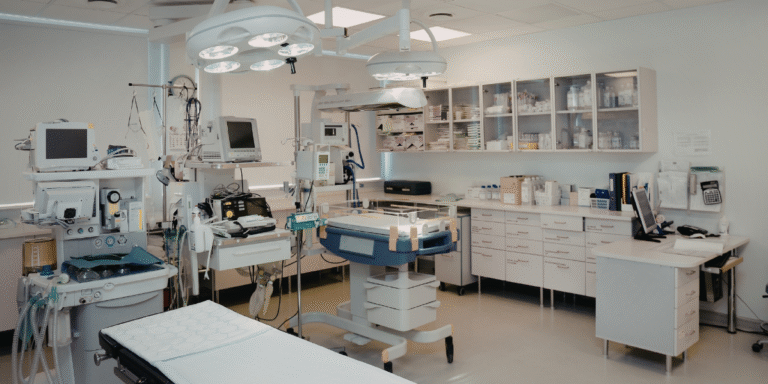
We teach students in spaces such as our pharmacy simulation lab, ultrasound lab, microbiology lab, and personal support worker lab. This practical exposure builds comfort with real tools and real processes. Our hands-on learning approach supports students who want strong foundations before entering demanding programs.
We Offer A Supportive Ontario Learning Environment For Local And International Students
Our college is accredited under Ontario’s Private Career Colleges Act. We provide access to guidance that supports planning, study success, and next steps after graduation. Students studying with us may also be eligible for financial aid options such as OSAP.
Conclusion
Pharmacy school is challenging, but it can feel deeply rewarding. A clear view of pharmacy student life includes lectures, labs, simulations, placements, and often work experience that builds real confidence. Across pharmacy education in Canada, students succeed when they pair science knowledge with critical thinking, communication, planning, resilience, and strong digital skills.
If you want a practical path into healthcare or a strong foundation before advanced study, Pharma Medical Science College of Canada can help. Contact us to learn about programs, admissions, and how we can support your education and career goals.