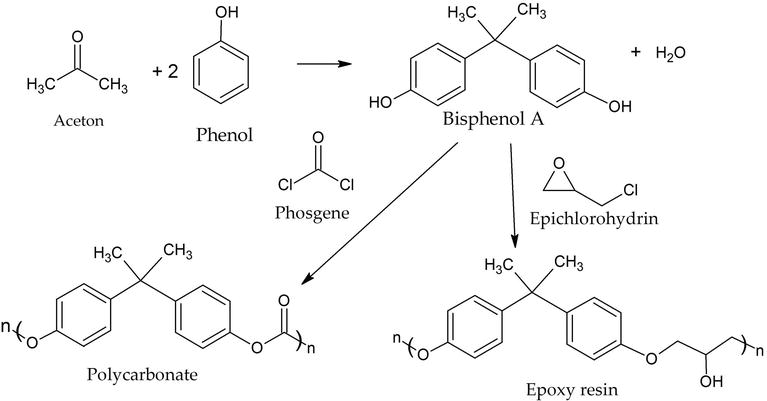
Surely you’ve heard about BPA by now. Bisphenol-A known as BPA is an industrial chemical that has been used to make certain plastics and resins since the 1960s. It’s everywhere. Billions pounds of it were produced each year all around the globe. It can be found in the linings of food and drink cans, plastic bottles, glues, and even dental fillings. It’s a building block for polycarbonate, a near-shatterproof plastic used in cell phones, computers, eyeglasses, drinking bottles, medical devices, CDs and DVDs. It’s also in infant-formula cans and many clear plastic baby bottles.
Studies have shown that it can leach into food and drink, especially when containers are heated or damaged. Almost all of us have some in our body.
Numerous animal studies have demonstrated an association between endocrine disrupting chemicals (including BPA) and obesity. Additional research suggests a possible link between BPA and increased blood pressure. As well possible health effects of BPA on the brain, behavior and prostate gland of fetuses, newborns and children.
Bisphenol-A, or BPA, is an endocrine disruptor, which may affect thyroid function in humans, especially in the fetus. It may also decrease the serum T4 half-life by activating hepatic enzymes. BPA can behave in a similar way to estrogen and other hormones in the human body. It should be eliminated if possible from the diet of the pregnant woman, and has been eliminated from plastic bottles and dishes used in feeding the newborn in the US and many other countries.
Under the Canada Consumer Product Safety Act, it is illegal to manufacture, import, advertise, or sell polycarbonate baby bottles that contain BPA.
The U.S. Food and Drug Administration used to say that BPA was safe. But in 2010 the agency changed its position; and banned BPA from baby bottles, infant formula packages and Sippy cups.
If you’re concerned about BPA, you can take these steps to reduce your exposure:
- Use BPA-free products: Manufacturers are making more and more BPA-free products. Look for products labeled as BPA-free. If a product isn’t labeled, keep in mind that some, but not all, plastics marked with recycle codes 3 or 7 may be made with BPA.
- Cut back on cans: Reduce your use of canned foods since most cans are lined with BPA-containing resin.
- Avoid heating BPA containing plastic food containers: The National Institute of Environmental Health Sciences, part of the National Institutes of Health, advises against microwaving polycarbonate plastics or putting them in the dishwasher, because the plastic may break down over time and allow BPA to leach into foods.
- Use alternatives: Use glass, porcelain or stainless steel containers for hot foods and liquids instead of plastic containers.