A diagnostic medical sonography career can be a rewarding path for students interested in healthcare, technology, and patient care. In Ontario, becoming a sonographer requires the right education, practical training, certification, and professional registration before working in hospitals or diagnostic clinics.
This usually begins with a diagnostic medical sonography accrediting program, but can also begin with a clinical training program where one studies to take certification exams administered by Sonography Canada. On completion graduates will be able to enter the health care system in Ontario as professional sonographers.
Many students are interested in this field because it combines medical knowledge with advanced imaging technology. A sonographer plays an important role in helping physicians understand what is happening inside a patient’s body through ultrasound imaging.
Key Takeaway
A diagnostic medical sonography career requires proper education, clinical training, certification, and professional registration. Students who combine technical skills with patient communication can build successful careers in Ontario’s healthcare system.
A career in diagnostic medical sonography needs a combination of classroom learning, technical skill development, and patient interaction. Students who enjoy healthcare and working with technology often find this profession a strong fit.
What Does A Diagnostic Medical Sonographer Do?

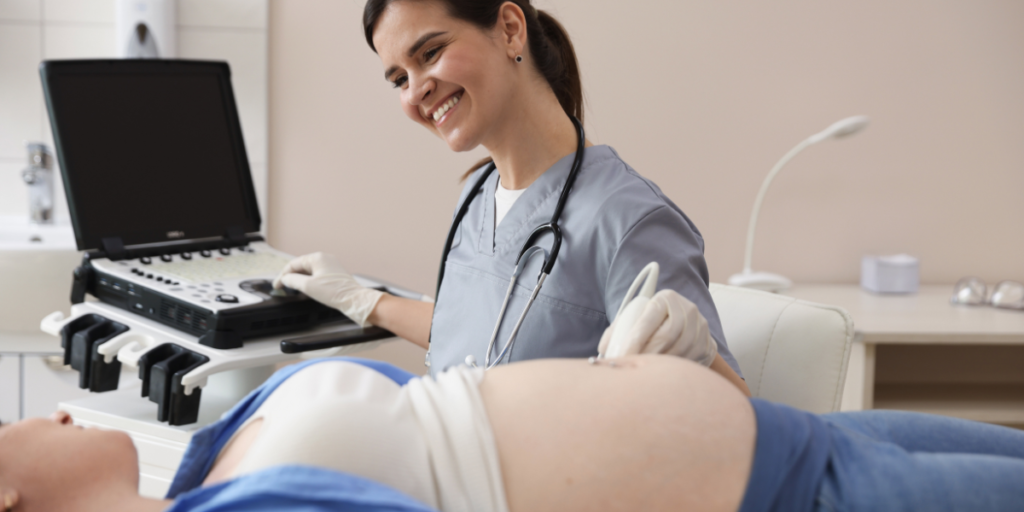
A diagnostic medical sonographer uses ultrasound equipment to create images of organs, tissues, and blood flow inside the body. These images help physicians diagnose and monitor different medical conditions.
The role involves much more than operating an ultrasound machine. Sonographers communicate with patients, explain procedures, position patients correctly, capture high-quality images, and document findings for medical review.
A typical day may include:
- Preparing patients for ultrasound examinations
- Reviewing medical information before procedures
- Operating specialized imaging equipment
- Adjusting imaging settings for accurate results
- Recording observations and measurements
- Working closely with physicians and healthcare teams
Students might not realize one thing: that this is a patient care profession. In addition to technical expertise, a sonographer is required to communicate with patients at times of stress, making the ability to communicate and show empathy essential.
Students exploring this field can also read more about a diagnostic medical sonography career in Canada to understand the broader opportunities available after graduation.
How Long Does It Take To Become A Sonographer In Ontario?
Most students complete diagnostic medical sonography education in approximately three to four years. The timeline can vary hanging on the program structure, previous education, and clinical training requirements.
Most students follow one of these routes:
Option 1: Complete A Diagnostic Medical Sonography Program
The most direct pathway is completing a dedicated diagnostic medical sonography education program. These programs typically include:
- Anatomy and physiology
- Ultrasound physics
- Patient care techniques
- Imaging procedures
- Clinical placement experience
Students spend time learning in classroom environments and practising scanning techniques in laboratory settings before completing supervised clinical training.
Programs usually take approximately three to four years, depending on the institution and credential structure.
Option 2: Build On An Existing Healthcare Background
Some students go into sonography directly following another healthcare related course. Having an allied health background can be beneficial in gaining knowledge prior to specialized ultrasound training.
This route may include:
- Completing a healthcare diploma or degree
- Gaining relevant clinical experience
- Applying for a post-diploma sonography program
The best pathway depends on your previous education, career goals, and the admission requirements of the program you choose.
| Pathway | Duration | Best For |
|---|---|---|
| Diagnostic Medical Sonography Program | Approximately 3–4 years | Students starting their healthcare education journey |
| Post-Diploma Sonography Route | Approximately 1 year after previous healthcare studies | Students with an existing healthcare background |
Choosing The Right Diagnostic Medical Sonography Program In Ontario
Finding the right school is an important step for students planning a future in ultrasound imaging.
When comparing diagnostic medical sonography programs in Ontario, consider factors such as:
| Factor | Why It Matters |
| Accreditation | Helps ensure quality education standards |
| Clinical Training | Builds practical scanning experience |
| Equipment Access | Improves technical confidence |
| Certification Preparation | Supports professional readiness |
| Student Support | Helps during training |
Ontario students can explore available education options through recognized college resources and review program details before applying.
There should be opportunities for practicing scanning skills in realistic settings in a strong program. Hands-on experience is important because precise, confident and consistent technique are necessary to be a successful sonographer.
At Pharma-Medical College, students interested in healthcare careers can explore the diagnostic medical sonography program to learn about available training options.
Certification Requirements For Sonographers In Ontario

Completing an education program is only one part of becoming a practicing sonographer. Graduates also need to complete professional certification requirements.
Sonography Canada Certification
Many graduates pursue certification through Sonography Canada. Eligible graduates can write national examinations to earn credentials such as the Canadian Registered Generalist Sonographer (CRGS).
Certification demonstrates that a sonographer has met professional standards related to knowledge, technical skills, and patient care.
Registration With CMRITO
In Ontario, sonographers must also meet the requirements of the College of Medical Radiation and Imaging Technologists of Ontario (CMRITO) to practise honestly.
Registration requirements help ensure healthcare professionals maintain proper standards while providing diagnostic imaging services.
Additional Professional Credentials
Some employers may also recognize additional credentials, including certificate via the American Registry for Diagnostic Medical Sonography (ARDMS), depending on the role and workplace requirements.
Complete Your Education
Enroll in an approved diagnostic medical sonography program that includes classroom learning, laboratory practice, and clinical placements.
Complete Certification Exams
Graduate eligibility allows students to pursue certification exams through recognized professional organizations such as Sonography Canada.
Register And Begin Practising
Meet Ontario registration requirements and apply for professional opportunities in hospitals, clinics, and healthcare facilities.
Job Opportunities For Sonographers In Ontario
After completing education and certification, graduates can explore different healthcare environments.
Sonographers commonly work in:
- Hospitals
- Private diagnostic imaging clinics
- Medical centres
- Specialized healthcare facilities
The demand for skilled ultrasound professionals remains strong because diagnostic imaging continues to be an important part of patient care.
A sonographer job Ontario search may include positions in areas such as:
- General ultrasound
- Obstetric and gynecological imaging
- Cardiac sonography
- Vascular imaging
- Musculoskeletal ultrasound
Career opportunities can vary depending on certification, experience, location, and employer requirements.
Students can also explore how graduates build successful careers through real-world examples, including insights shared in Pharma-Medical College’s overview of diagnostic medical sonography as a promising career in Canada.
Salary Expectations For Diagnostic Medical Sonographers In Ontario

Salary can vary depending on experience, workplace setting, specialization, and location.
According to the career information outlined for Ontario opportunities, Salary ranges can vary depending on experience, specialization, employer, and location. Students should review current employment data and industry sources for updated information.
Factors that may influence earning potential include:
- Years of experience
- Additional certifications
- Area of specialization
- Employer type
- Location within Ontario
For students planning a long-term healthcare career, sonography offers the opportunity to develop specialized skills while working in a growing medical field.
$36–$52+
Typical hourly wage range (CAD)
3–4 Years
Common education pathway length
Ontario
Career opportunities across healthcare settings
Skills That Help Students Succeed In Sonography
Successful sonographers usually develop a balance of technical knowledge and personal skills.
Important skills include:
Attention To Detail
Ultrasound imaging requires careful observation. Small differences in images can provide important information for healthcare providers.
Communication Skills
Sonographers interact with patients throughout the day. Clear explanations can help patients feel comfortable during examinations.
Technical Confidence
Working with ultrasound equipment requires practice and experience. Strong training helps students become comfortable with different scanning techniques.
Problem-Solving Ability
Every patient and examination can be different. Sonographers often need to adjust their approach based on patient needs and imaging challenges.
Is Diagnostic Medical Sonography A Good Career Choice In Ontario?
For students interested in healthcare, technology, and direct patient interaction, diagnostic medical sonography can provide a meaningful career path.
The profession requires dedication during education and certification, but the skills gained can open opportunities in hospitals, clinics, and specialized healthcare settings.
Choosing the right education provider is an important first step. A quality program helps students develop the knowledge, practical skills, and confidence required to enter the healthcare workforce.
Students who want to learn more about training options, admissions, and career preparation can connect with Pharma-Medical College through the contact page to discuss their next steps.
Start Your Diagnostic Medical Sonography Journey
Learn about education options, career preparation, and training opportunities available through Pharma-Medical College.
Contact UsFrequently Asked Questions About Diagnostic Medical Sonography Career In Ontario
1. How do I become a diagnostic medical sonographer in Ontario?
Ontario diagnostic medical sonographers qualified to perform diagnostic medical sonography typically undertake a post-secondary program in diagnostic medical sonography, have completed clinical training, passed certification exams, and fulfilled professional registration requirements.
2. How long does it take to complete diagnostic medical sonography education?
The length of most diagnostic medical sonography programs is about three to four years. It is a variable time interval depending on the program structure, institution and status of entry (through a previous healthcare education pathway).
3. Is certification required to work as a sonographer in Ontario?
Yes. The majority of sonographers need to be professionally certified and registered in Ontario prior to being allowed to practice professionally. Numerous professionals choose to become certified by a body like Sonography Canada.
4. Where can diagnostic medical sonographers work in Ontario?
Sonographers can work in different healthcare settings, including hospitals, private diagnostic imaging clinics, medical centres, and specialized healthcare facilities.
5. What skills are important for a successful sonography career?
Imaging technicians who are successful must have technical skills, problem solving, attention to detail, communication and comfortable patient care during imaging procedures.
6. What is the average salary for a sonographer in Ontario?
Salary depends on experience, specialization, workplace, and location. Based on the career information provided, sonographers in Ontario may typically earn around $36 to $52+ CAD per hour.
7. Why should students consider a diagnostic medical sonography career?
Diagnostic medical sonography offers students the opportunity to combine healthcare knowledge, advanced imaging technology, and patient interaction while building a career in a growing medical field.