

The medical laboratory is the core of the healthcare system, away from the bedside but at the core of every diagnosis. Doctors and nurses are the face of patient care, but the medical laboratory technician is the engine behind the clinical decisions.
In fact, laboratory test results form the basis of about 70% of medical decisions. For anyone looking for a stable, high-impact career in science and healthcare, it is important to understand the duties of medical lab technician.
What Are Medical Laboratory Technicians?
A medical laboratory technician (MLT) is a skilled health care professional who performs a broad range of laboratory tests that aid in the detection, diagnosis, and treatment of diseases. They perform everything from routine blood work to complex microbiological cultures under the supervision of laboratory managers or pathologists. And their work ensures that the data being used by the medical community is accurate, reliable and timely.
Deep Dive into Clinical Responsibilities

The medical lab technician work profile is diverse, requiring both manual dexterity and high-level analytical thinking. Here is a breakdown of their primary clinical duties:
- Sample collection: The collection of blood, tissue and fluid samples from patients, ensuring accuracy and care.
- Phlebotomy: Performing venipuncture and skin puncture, and ensuring the comfort of the patient.
- Specimen Integrity: Correct patient identification and specimen labelling to minimize diagnostic errors.
- Sample Preparation: Using centrifuges and chemical reagents to prepare samples for detailed analysis.
- Hematology: Conducting blood cell counts and identifying cell abnormalities.
- Chemistry Testing: Testing for chemical components like glucose, cholesterol, and hormone levels.
- Microbiology: Identifying bacteria, fungi, and parasites in clinical cultures to guide antibiotic treatment.
- Transfusion Medicine: Performing cross-matching for blood transfusions to ensure patient compatibility.
- Instrumentation: Operation and calibration of automated laboratory analyzers.
- Maintenance: Repair lab equipment to prevent downtime.
- Quality Control: Checking quality control charts to make sure that all test results are correct.
- Data Management: Recording and reporting test results into digital information systems.
- Communication: Alerting physicians immediately to critical or life-threatening values.
- Safety Protocols: Adhering to strict biohazard and safety protocols to protect themselves and the public.
- Inventory Management: Maintaining an inventory of reagents and laboratory supplies.
- Sanitization: Sterilizing workspaces and tools to prevent cross-contamination.
A Day in the Life: What Does a Medical Lab Technician Actually Do?
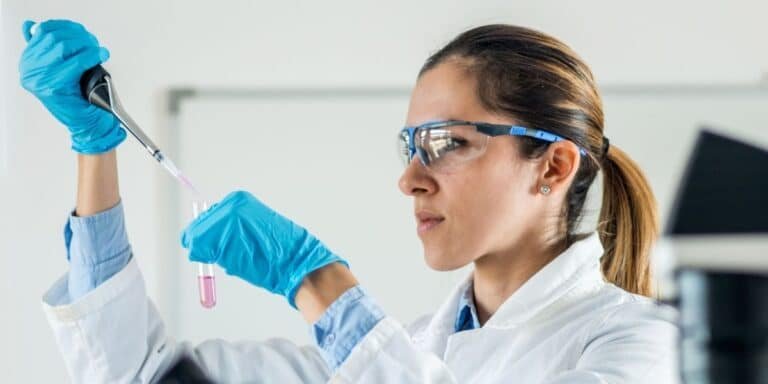
To understand what laboratory technician do daily, one must look at the rhythm of the lab.
The Morning Rush: Calibration and Quality Assurance
The day often begins with “QC” or Quality Control. Before a single patient sample is processed, the technician must calibrate the machines and control samples to ensure the analyzers are reading within the correct parameters. Precision is the foundation of the job.
Processing Samples: From Reception to Results
The pace picks up when the lab opens to the public or receives samples from hospital wards. STAT orders are the technician’s top priority, who also processes blood vials and maintains the delicate balance of chemical reactions in the lab.
Navigating High-Pressure Environments: Hospital vs. Private Lab Life
It’s a fast environment, often with trauma cases or emergency surgeries in a hospital setting. In a private lab, the volume may be greater for routine screenings. Both settings demand a technician who can stay calm and focused under pressure.
Technical Standards and Compliance
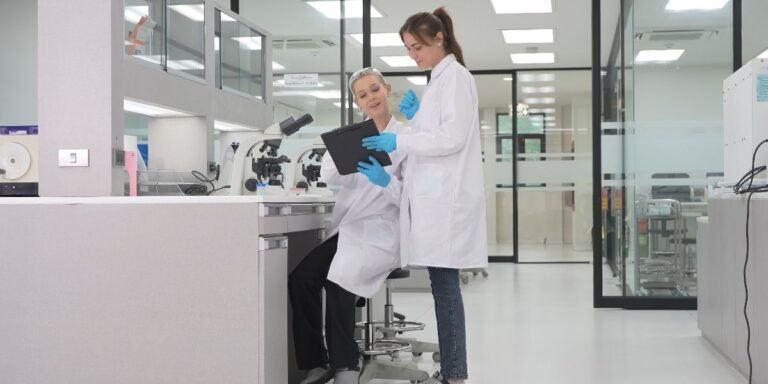
Maintaining the Gold Standard: Precision and Accuracy in Testing
A medical laboratory technician is an investigator of the microscopic world. They follow standardized operating procedures (SOPs) to ensure that a test result in one city is as accurate as one in another.
Workplace Safety: Managing Biohazards and Chemical Risks
Handling infectious diseases and caustic chemicals is part of the daily routine. Technicians are experts in using Personal Protective Equipment (PPE) and managing biohazardous waste to ensure a sterile and safe environment.
Ethics and Confidentiality: Protecting Patient Data in the Lab
Privacy is paramount. Technicians must handle sensitive patient data with the utmost discretion and adhere to provincial and federal privacy laws.
The Evolving Landscape: Technology in the Modern Laboratory
The role is increasingly tech-driven. Modern labs utilize sophisticated robotics and AI-integrated software to process thousands of samples. Staying current with these technologies is a core part of being a successful medical laboratory technician.
Career Roadmap: How to Become a Certified MLT

Selecting an Accredited Medical Lab Technician Program
The first step is education. You must choose a medical lab technician program that meets the requirements of the relevant regulatory bodies to ensure your education meets national standards. If you are looking for a comprehensive education, you can find a medical lab technician course in Toronto that provides both theoretical and practical skills for the field.
Mastering the Curriculum: Anatomy, Physiology, and Biochemistry
Students dive deep into the biological sciences, learning how the human body functions and how diseases alter its chemistry.
Bridging the Gap: The Value of Hands-On Clinical Placements
Theory is only half the battle. Practical placements allow students to perform the actual duties of medical lab technician professionals in real-world settings. Understanding how to become a medical laboratory technician involves mastering these hands-on clinical hours.
Navigating the CSMLS Certification Process
In Canada, the national standard is set by the Canadian Society for Medical Laboratory Science (CSMLS). The final hurdle to becoming a recognized professional is passing the certification exam.
Career Outlook and Growth Opportunities
Salary Expectations and Industry Demand in Ontario
The demand for healthcare professionals in Ontario is at an all-time high. With an aging population and increased screening for chronic diseases, the job market for those who complete a medical lab technician program is incredibly robust.
Specialization Paths: From Senior Tech to Lab Management
Once you have mastered the top skills for lab technician roles, you can specialize in areas like genetics, molecular biology, or move into laboratory management and administration.
Why Choose Pharma Medical Science College for Your MLT Diploma?

At Pharma Medical Science College, we provide a curriculum designed to mirror the current needs of the healthcare industry.
Our cutting-edge facilities and knowledgeable instructors will get you ready for the medical lab technician work environment from day one. We believe in small classes and personal attention to help you to succeed on your certification exams and beyond.
Start Your Journey in Medical Science Today
The world of medicine is waiting for you. If you like the technical side of the lab or the importance of helping to keep patients healthy, this is a safe and rewarding career path.
Ready to discover where your future starts? Contact us today for more information about our upcoming intakes.
FAQs About Medical Esthetician vs Esthetician
While both roles involve medical lab technician work, technologists typically have a higher level of education (such as a degree) and perform more complex, manual testing and analysis. Technicians generally focus on the practical, automated, and routine aspects of laboratory testing.
Yes. Most hospitals in Ontario actively recruit graduates of accredited medical lab technician programs who have successfully passed the CSMLS certification exam.
Not at all. While phlebotomy is one of the essential duties of medical lab technician roles, it is only a small fraction of the job. Technicians spend most of their time analyzing chemistry, hematology, and microbiology using sophisticated equipment.
Most diploma programs are intensive and efficient, typically taking between 12 to 18 months to complete. This includes the required hands-on clinical placement hours.
Beyond scientific knowledge, the most critical skills include extreme attention to detail, strong organizational abilities, manual dexterity, and the ability to work effectively under high-pressure deadlines.