Do You Need Healthcare Experience for a Cardiac Sonography Diploma—Or Can Anyone Start?

Feature Image

Thinking about a future in cardiac imaging, but unsure where to start? Cardiac sonography is attracting students across Ontario and Canada because it blends patient care, high-impact diagnostics, and steady job prospects. The big question many ask is simple yet pivotal: Can you enroll without prior healthcare experience, or do you need a foundation first? This guide breaks down how admission works, what training looks like, and why prerequisites matter. By the end, you will know where you stand, what to prepare, and how to move forward with confidence in a cardiac sonography program that aligns with your goals to become a cardiac sonographer.

Understanding the Role of a Cardiac Sonographer

Understanding the Role of a Cardiac Sonographer

Cardiac sonographers play a central role in cardiovascular care by producing real-time ultrasound images of the heart. The profession is growing across Canada due to increased cardiac disease prevalence and expanded diagnostic services.

Daily Responsibilities and Clinical Workflow

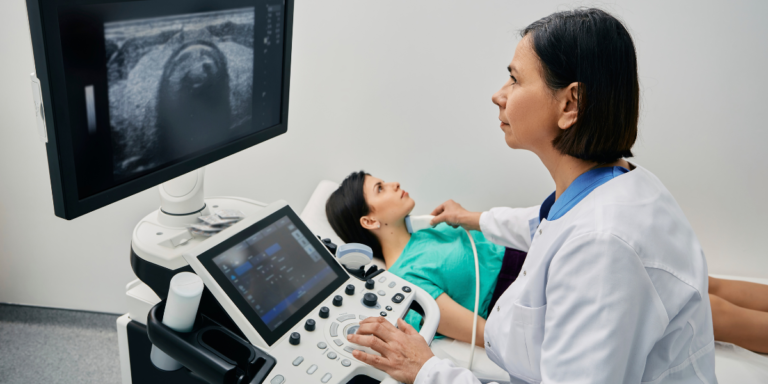
Cardiac sonographers perform echocardiograms, apply patient positioning techniques, and capture quality images that cardiologists use to diagnose and guide treatment. They communicate exam steps clearly, support patient comfort, and maintain equipment standards. Collaboration with cardiology teams shapes daily workflow, which is why a cardiac sonography program trains students to operate efficiently and ethically as they prepare to become cardiac sonographers.

Core Skills Needed in the Profession

The role calls for technical precision, deep anatomical knowledge, steady patient communication, and meticulous attention to detail. Professionals must interpret dynamic physiology while adjusting gain, depth, and Doppler settings to optimize image quality. These competencies are cultivated systematically in a cardiac sonography program, helping graduates become cardiac sonographers ready for clinical practice.

Do You Need Healthcare Experience to Enter a Cardiac Sonography Program in Ontario?
Do You Need Healthcare Experience to Enter a Cardiac Sonography Program in Ontario

Most Ontario pathways are structured for applicants who already have healthcare education or a related degree. This model supports fast-paced learning and early clinical exposure.

Why Ontario Programs Require Prior Healthcare Education

Cardiac sonography diplomas move quickly, compressing complex theory and labs into a short window. Programs teach advanced imaging concepts, which require students to arrive with patient-care experience and foundational sciences. Accreditation standards and clinical partner expectations often tie eligibility to existing credentials, so a cardiac sonography program can concentrate on the specialized training needed to become a cardiac sonographer.

Rare Exceptions and What They Involve

Direct-entry options right from high school are unusual in Ontario. Where limited openings exist, they typically involve extensive prerequisite science courses and competitive screening. Even in these cases, candidates strengthen their readiness through volunteer experience, shadowing, or bridging, which helps them progress in a cardiac sonography program and ultimately become cardiac sonographers safely and effectively.

Admission Requirements for Ontario Cardiac Sonography Programs
Admission Requirements for Ontario Cardiac Sonography Programs

Ontario programs generally follow two eligibility pathways. Understanding which path applies to you will help you organize transcripts, prerequisites, and timelines.

Pathway 1, Prior Healthcare Credential (Most Common Route)

Applicants often hold a diploma or advanced diploma in a registered health profession, such as:

  • Medical Radiation Technology, Respiratory Therapy, Registered Practical Nursing
  • Cardiovascular Technology, Registered Massage Therapy

Graduates from these programs bring clinical communication, patient handling, and baseline physiology, which accelerates their progress. With this foundation, they can step into a cardiac sonography program and become a cardiac sonographer with fewer academic gaps and stronger clinical readiness.

Pathway 2, Bachelor’s Degree in a Medical or Health-Related Science

Many programs accept bachelor’s degrees in fields like Kinesiology, Nursing, and Applied Health Sciences. Strong performance in anatomy, physiology, biology, and pathology is typically expected. This pathway suits career changers who want a direct clinical role, using their degree to enter a cardiac sonography program and become a cardiac sonographer through focused, practical training.

Additional Admission Requirements

Applicants are commonly asked to provide English proficiency results, an updated criminal record and vulnerable sector screening, and immunization records aligned with clinical partner policies. Meeting these standards supports early placement success in a cardiac sonography program, creating a smoother path to becoming a cardiac sonographer.

Connect with Us for Details on the Medical Cardiac Sonography Program

Why These Requirements Exist

Cardiac imaging involves real-time decisions that affect patient safety and diagnostic accuracy. Prerequisites help programs teach advanced content without reteaching fundamentals.

The Advanced Nature of Echocardiography

Echocardiography requires interpreting chamber size, wall motion, valve function, and hemodynamics while managing probe orientation and Doppler measurements. Students need medical terminology and physiology from day one, so the cardiac sonography program can focus on echo mastery, accelerating the journey to become a cardiac sonographer who can deliver reliable studies.

Clinical Rotations Demand Immediate Readiness

Students enter hospitals early, where they interact with diverse patients and clinical teams. Prior healthcare exposure shortens the learning curve and improves patient interactions. This foundation supports meaningful progress in a cardiac sonography program, building confidence and competence to become a cardiac sonographer who integrates seamlessly into care teams.

What Students Learn in a Cardiac Sonography Program
What Students Learn in a Cardiac Sonography Program

Even experienced applicants start with a focused foundation, then move into advanced echo topics. The curriculum stacks theory, lab practice, and clinical rotations in a logical sequence.

Core Curriculum Examples

Students study cardiac anatomy and physiology, ultrasound physics, Doppler principles, cardiac pathology, and instrumentation. They learn image acquisition protocols, scanning planes, and quality optimization. This integrated coursework shapes the core competencies a cardiac sonography program requires, preparing graduates to become cardiac sonographers with sound judgment.

Practical Labs and Simulation Training

Labs provide hands-on scanning practice with peers and models, supported by faculty feedback. Simulation refines image acquisition, probe control, and measurement skills in a safe environment. Iterative practice bridges theory and clinical performance, aligning with the expectations of a cardiac sonography program and the goal to become a cardiac sonographer.

Clinical Placements

In-hospital rotations immerse students in real patient care, supervised by experienced cardiac sonographers and cardiology teams. Learners practice complete exam protocols, documentation, and communication. These placements are the capstone of a cardiac sonography program, offering the experience needed to become a cardiac sonographer ready for entry-level roles.

Career Outlook After Becoming a Cardiac Sonographer

Career Outlook After Becoming a Cardiac Sonographer

Graduates find opportunities in hospitals, diagnostic labs, and cardiology clinics across provinces. Workforce demand is driven by population aging and the need for cardiovascular screening and follow-up.

Entry-Level Positions

New graduates often step into echocardiography technologist roles where they perform standard transthoracic studies and assist with stress testing. The transition from student to staff is supported by mentorship and structured onboarding. Completing a cardiac sonography program positions candidates to become cardiac sonographers with immediate clinical value.

Specializations and Continuing Education

After building a strong base, some professionals focus on pediatric echocardiography, stress echo, or multi-modality cardiac imaging that complements ultrasound. Additional competencies can open doors to advanced practice or leadership. A solid start in a cardiac sonography program provides the platform to become a cardiac sonographer who grows throughout a career.

Professional Certification Pathways

Employers commonly value ARDMS or CCI credentials as proof of competence and commitment. Preparing for registry exams includes case review, physics refreshers, and protocol mastery. Strong exam performance reflects disciplined training in a cardiac sonography program and supports the goal to become a cardiac sonographer whom hiring managers trust.

Who Should Consider This Path?

Different applicant profiles can thrive, provided they match their background to the right pathway. Clarity about fit helps with planning and timelines.

Healthcare Professionals Seeking Advancement

Nurses, MRTs, RTs, RPNs, and cardiovascular technologists often transition smoothly because they already work with patients and clinical systems. Their experience speeds up skill acquisition in labs and rotations. With focused training in a cardiac sonography program, they can become a cardiac sonographer poised for growth.

Graduates with Health or Science Degrees

Bachelor’s graduates looking for a direct, patient-facing role will find a clear trajectory. With prerequisite sciences in place, they can pivot from academic learning to applied imaging. This pathway uses a cardiac sonography program as the bridge to become a cardiac sonographer in a practical, hands-on setting.

International Students

Prospective learners from abroad should plan for credential evaluation, language testing, and regulatory steps. Advising support helps translate previous education into local requirements and timelines. When aligned properly, international applicants can enter a cardiac sonography program and become a cardiac sonographer in the Ontario context.

Academic Advisors and Parents

Advisors and parents can help candidates chart prerequisites early, schedule labs strategically, and plan volunteer or shadowing experiences. Early planning avoids delays and strengthens applications. This support builds momentum toward a cardiac sonography program and the decision to become a cardiac sonographer.

Next Steps for Prospective Applicants

A clear action plan can shorten your path and reduce stress. Start by matching your current credentials to the right entry route.

How to Prepare Before Applying

  • Upgrade sciences such as anatomy, physiology, and biology if your transcript has gaps or older grades.
  • Explore bridging or post-grad certificates that close competency gaps efficiently.
  • Shadow a cardiac sonographer to confirm fit and understand day-to-day clinical realities.

Each step deepens your readiness, strengthens your application, and clarifies expectations within a cardiac sonography program, smoothing your progress to become a cardiac sonographer.

Questions to Ask Programs

  • Accreditation status and recognition within Ontario and across Canada
  • Clinical placement partnerships and the variety of rotation sites
  • Competitiveness of admission and typical applicant profiles
  • Graduate success rates and first-time cert exam outcomes

Clear answers to these questions help you choose a cardiac sonography program that matches your learning style and career timeline, positioning you to become a cardiac sonographer with confidence.

How We Support Your Journey at Pharma-Medical Science College of Canada
How We Support Your Journey at Pharma-Medical Science College of Canada

Pharma-Medical Science College of Canada is to deliver career-focused healthcare education that aligns with Ontario standards and employer expectations. We support both domestic and international learners with a structured path that complements future advanced studies.

Our Hands-On Training Environment

We highlight practical learning in facilities such as an ultrasound lab, pharmacy simulation lab, and microbiology lab. This environment builds technical discipline, critical thinking, and professional communication. The skills translate directly to the demands of a cardiac sonography program, helping you become a cardiac sonographer who excels in clinical settings.

Our Commitment to Student Support

From academic advising to career guidance and clinical placement assistance, our services are designed to reduce friction and keep your progress steady. Financial aid advising, including OSAP guidance, helps you plan responsibly. With the right support, you can focus on the competencies that matter in a cardiac sonography program and the journey to becoming a cardiac sonographer.

Why Students Choose Us

Students value flexible scheduling, experienced faculty, and an industry-relevant curriculum that fits real healthcare needs. Our approach emphasizes practical readiness and individualized support. These strengths align with the preparation needed before entering a cardiac sonography program, giving you momentum to become a cardiac sonographer.

Conclusion

Ontario programs that train cardiac imaging professionals typically expect applicants to bring healthcare education or a related degree. That structure protects patient safety, supports early clinical success, and allows focused training in echo techniques. If you are mapping your path, start by confirming which eligibility route you fit and organizing your prerequisites, labs, and documentation accordingly. With thoughtful planning and targeted preparation, a cardiac sonography program can position you to become a cardiac sonographer in a rewarding field.

Ready to take the next step with a student-first environment and practical guidance? Contact Pharma Medical Science College of Canada to discuss pathways, timelines, and support. Your journey can start today, and your preparation can set a clear course to clinical practice.


Connect with Us for Details on the Medical Cardiac Sonography Program

Is Sonography a Good Career in Canada? (12 Reasons It Is)

Is Sonography a Good Career in Canada_ (12 Reasons It Is)

Have you ever considered a healthcare career where you work with cutting-edge technology, support patients through important medical moments, and play a key role in diagnosing critical health conditions? If so, sonography might be exactly what you’re looking for. Across Canada, medical sonographers are stepping into roles that blend science, compassion, and skill in ways that directly improve patient care. This profession is growing steadily, supported by advances in medical imaging and a rising need for qualified professionals.

So, is sonography a good career in Canada? Absolutely. In the sections that follow, you’ll discover 12 solid reasons why this field offers a bright, secure, and fulfilling future for those ready to make a difference.

What Is Sonography and What Does a Medical Sonographer Do?

A woman sits at a desk with a laptop, focused on her studies in a healthcare course.

Sonography, also known as ultrasonography, is a type of medical imaging that produces images of the inside of the body by using high-frequency sound waves. These images play a key role for doctors, helping them diagnose and track various health conditions, from pregnancy and abdominal issues to heart and vascular diseases.

So, what does a medical sonographer do? On a daily basis, sonographers perform diagnostic ultrasound exams, explain procedures to patients, position them correctly, and operate imaging equipment. They collaborate closely with doctors, nurses, and specialists to capture precise images that assist in making diagnoses.  Some pursue specializations, such as Path to Cardiac Sonography, which focuses on heart imaging, or obstetric sonography, which concentrates on prenatal and women’s health.

Students can prepare for this field through a Leading Accredited Diagnostic Medical Sonography Program or a cardiac sonography program, depending on their interests.

Is Sonography a Good Career?

Microscope and test tubes on a lab bench, representing medical and diagnostic training in healthcare programs.

The most common question from prospective students is, Is medical sonography a good career? The resounding answer is yes. With healthcare needs growing, sonographers are essential. They play a vital role in the early detection of diseases, ongoing patient monitoring, and surgical guidance. In a country like Canada, with an aging population and a commitment to accessible healthcare, demand is consistently high.

This career offers stability, satisfaction, and diverse opportunities for advancement. Simply put, is diagnostic medical sonography a good career? Yes — it’s a career that blends technology, patient care, and lifelong learning in a way few others can. It’s truly a promising career in Canada.

1. Sonographers Make a Real Difference in Patient Care

1. Sonographers Make a Real Difference in Patient Care

Few careers allow you to have such a direct impact on people’s lives. Sonographers help detect illnesses in their early stages, including cancer, cardiovascular issues, and fetal abnormalities, which enables timely and sometimes life-saving treatment.

They offer comfort and reassurance to patients during some of their most vulnerable moments. Whether guiding an expectant mother through a prenatal ultrasound or assisting a cardiologist during an echocardiogram, sonographers make a significant difference in patient care that extends well beyond just the clinical outcomes.

2. Sonographers Are Key Members of the Healthcare Team

2. Sonographers Are Key Members of the Healthcare Team

Medical sonographers don’t work in isolation. They are integral members of multidisciplinary healthcare teams. From emergency departments to outpatient clinics, they collaborate with radiologists, obstetricians, cardiologists, and surgeons to ensure patients receive accurate diagnoses and timely treatment.

Their insights often influence clinical decisions, making them respected and trusted professionals. There’s no doubt that sonographers are important members of healthcare teams, and their role continues to grow with advancing medical technology.

3. Strong Job Stability and Growing Demand

3. Strong Job Stability and Growing Demand

Canada is experiencing a healthcare staffing shortage across many disciplines, and sonography is no exception. Labor market projections by the Canadian government indicate steady growth in diagnostic imaging roles across the provinces.

Common job roles for sonographers include:

  • Diagnostic Medical Sonographer
  • Cardiac Sonographer
  • Obstetric and Gynecologic Sonographer
  • Vascular Sonographer
  • Musculoskeletal Sonographer
  • Abdominal Sonographer
  • Pediatric Sonographer

Places where sonographers can find employment in Canada include:

  • Public hospitals
  • Private diagnostic imaging clinics
  • Physician offices and specialist practices
  • Mobile ultrasound services
  • Fertility and maternity centers
  • Rehabilitation and sports medicine clinics
  • Research institutions and academic settings

Whether in urban hospitals or rural clinics, sonographers are in demand, offering excellent job stability across the country. Graduates of sonography programs can expect to find employment quickly, particularly if they are open to relocating or pursuing a specialized certification. This is part of Your Journey to Diagnostic Cardiac Sonography Careers.

4. Competitive Compensation

4. Competitive Compensation

Compensation is a key consideration for any career, and sonography provides a strong earning potential for qualified professionals. In Canada, diagnostic medical sonographers earn an average salary that typically ranges from $65,000 to $90,000 per year. This can depend on various factors, including your experience, specialization, and where you’re based.

Here are estimated salary ranges in several Canadian cities:

  • Toronto, ON: $70,000 – $95,000
  • Vancouver, BC: $68,000 – $92,000
  • Calgary, AB: $72,000 – $96,000
  • Edmonton, AB: $70,000 – $94,000
  • Ottawa, ON: $67,000 – $91,000
  • Montreal, QC: $65,000 – $88,000
  • Halifax, NS: $63,000 – $85,000

Sonographers who graduate from the Best Cardiac Sonography Program or pursue niche roles such as vascular or musculoskeletal imaging often see even higher earning potential. Compared to other allied health professions, sonography stands out for offering great pay along with reliable opportunities for career growth and salary advancement.

5. Flexibility and Work-Life Balance

5. Flexibility and Work-Life Balance

Many professionals seek careers that allow them to balance their personal and professional lives. Sonography offers flexibility in scheduling through part-time roles, weekend shifts, or mobile imaging opportunities.

This flexibility makes it ideal for parents, mature students, and those transitioning from other careers. With such flexible scheduling, sonographers can design a work-life balance that suits their individual lifestyle needs, contributing to long-term job satisfaction.

6. A Hands-On, People-Focused Career

6. A Hands-On, People-Focused Career

If you enjoy interacting with people and dislike desk-bound jobs, sonography may be the perfect fit. Each day brings a new patient, a new case, and a new challenge. The role is physically active, emotionally engaging, and deeply rewarding.

Sonographers communicate directly with patients, ease their concerns, and ensure their comfort. It’s a hands-on, people-focused career that attracts compassionate, curious, and motivated individuals.

Connect with Us for Details on the Medical Sonography Program in Canada

7. Fast and Focused Training Options

7. Fast and Focused Training Options

Unlike some healthcare careers that require many years of education, sonography offers quicker entry through focused programs. Usually, a diagnostic medical sonography program takes about two to three years to complete, featuring a mix of classroom education and practical clinical training.

Whether you’re a recent high school graduate or a career switcher with a background in healthcare or science, there are clear and achievable pathways to enter the field. These fast training programs allow for a smoother and quicker transition into a rewarding medical role. These fast training programs allow for a smoother and quicker transition into a pathway to a rewarding healthcare career.

8. Wide Range of Specialization Opportunities

8. Wide Range of Specialization Opportunities

Sonography is a diverse field with plenty of options. Professionals have the option to focus on various specialties, including general imaging, obstetrics, musculoskeletal sonography, vascular studies, and cardiac imaging. Each of these specialties brings its own unique challenges and rewards.

Graduates from a cardiac sonography program, for instance, can focus on heart-related diagnostics, opening up roles in hospitals, cardiology clinics, and research centers. These opportunities for specialization ensure that professionals can tailor their careers to align with personal interests and professional goals. This opens up the World of Diagnostic Cardiac Sonography.

9. Variety of Job Settings and Locations

9. Variety of Job Settings and Locations

One of the most appealing aspects of sonography is its geographic and institutional flexibility. Sonographers can work in public hospitals, private clinics, mobile imaging units, educational institutions, and telehealth setups.

With qualifications recognized across provinces and internationally, you can find work in a variety of locations, from major cities like Toronto and Vancouver to remote communities in need of diagnostic services. This adaptability increases job opportunities and makes relocation or travel more accessible.

10. Exposure to Advanced Technology

10. Exposure to Advanced Technology

Medical imaging is one of the most tech-driven fields in healthcare, and sonographers are at the forefront. They operate sophisticated ultrasound machines, use real-time imaging software, and stay current with evolving techniques.

This constant interaction with technology use appeals to those with a passion for science and innovation. It’s a field where continuous learning and professional development are encouraged and necessary. If you’re wondering how to become a sonographer in Canada, it starts with hands-on training and access to the latest equipment.

11. Tangible Benefits and a Meaningful Career

11. Tangible Benefits and a Meaningful Career

When considering career options, many people seek roles that offer not just a paycheck but purpose. Sonography delivers on both fronts. With tangible benefits of a sonography career — including strong salaries, job security, advancement potential, and the ability to make a difference — it’s easy to see why the field is so appealing.

You contribute to patient care while investing in a future that offers stability and personal growth. It’s a truly rewarding career as a medical diagnostic sonographer.

12. Excellent Career Outlook and Growth Potential

12. Excellent Career Outlook and Growth Potential

The long-term outlook for sonography is exceptionally strong. As the population ages and medical imaging continues to evolve, the need for skilled sonographers will grow.

From leadership roles to educational opportunities, there’s ample room for growth. The career outlook is promising across Canada, making this field an intelligent choice for anyone entering or transitioning within the healthcare sector. If you’re choosing the best sonography course, ensure it supports long-term development.

Why Study Sonography with Us at the Pharma-Medical Science College of Canada

Why Study Sonography with Us at the Pharma-Medical Science College of Canada

At Pharma-Medical Science College of Canada, we offer nationally recognized programs in diagnostic medical sonography and cardiac sonography that prepare students for real-world success. Our curriculum aims to integrate theoretical understanding with real-world skills, supported by passionate faculty who are focused on ensuring student achievement.

What Does Our Diagnostic Medical Sonography Program Hold? Comprehensive training, experienced instructors, clinical placements, and a supportive learning environment.

Graduates of our programs benefit from high employment rates, clinical placement opportunities, and access to government financial aid. Whether you’re starting your first career or making a change, our institution provides a solid foundation for growth.

Conclusion

Choosing sonography as a career in Canada means entering a field that offers stability, professional respect, and the opportunity to truly impact lives. Throughout this article, we’ve explored 12 strong reasons that support this path, from job stability and excellent pay to flexibility, diverse specializations, and advanced training options. Sonographers enjoy a hands-on role, make meaningful contributions to healthcare, and benefit from an impressive career outlook with room to grow.

Ready to begin your journey in diagnostic or cardiac sonography? Pharma-Medical Science College of Canada is here to guide you every step of the way.

Contact us today to learn more about our programs, speak with an advisor, or get help with your application process.

Connect with Us for Details on the Medical Sonography Program in Canada

Pharma-Medical Science College of Canada Achieves Full Accreditation for Diagnostic Medical Sonography Program

Feature Image

We are thrilled to announce that Pharma-Medical Science College of Canada has been granted full accreditation status for our Diagnostic Medical Sonography program, effective until January 31st, 2027. This significant achievement places our program among the select few in Canada that have earned this prestigious recognition.

Previously, our Diagnostic Medical Sonography program held an “accreditation with condition” status, reflecting our ongoing commitment to meeting the rigorous standards set by the accrediting bodies. Now, having fulfilled all necessary criteria, we are proud to offer a fully accredited program that meets the highest standards of quality and excellence in healthcare education.

Message from Dean Kathy Lee

“This accreditation marks a monumental step forward for Pharma-Medical Science College of Canada. We have always believed in the potential of our Diagnostic Medical Sonography program and in the quality of education that we provide. Achieving full accreditation is a testament to the dedication of our faculty, the commitment of our students, and the unwavering support of our administrative staff. I am extremely proud of what we have accomplished together, and I am excited to see our graduates continue to lead and make impactful contributions in the healthcare field.”

What Does This Mean for Our Students?

  • Quality Education: Full accreditation ensures that our program offers students a comprehensive and up-to-date curriculum, providing them with the knowledge and skills required to succeed in the rapidly evolving field of medical imaging.
  • Industry Recognition: Graduates from accredited programs are highly valued by employers, as accreditation signifies adherence to national standards and best practices in the field.
  • Professional Opportunities: Completing a fully accredited Diagnostic Medical Sonography program enhances career prospects and opens doors to employment in top healthcare institutions across Canada and beyond.

At Pharma-Medical Science College of Canada, we are dedicated to preparing our students for success in the healthcare industry by providing exceptional training, experienced faculty, and the latest in medical technology. This accreditation further strengthens our commitment to excellence.

We extend our heartfelt thanks to our faculty, staff, and students whose hard work and dedication have made this accomplishment possible.

Enroll Today!

If you are interested in a career in Diagnostic Medical Sonography and want to be part of a fully accredited program, apply now to join our January 2024 cohort! For more information, please visit our website or contact our admissions office.

Connect with Us for Details on the Diagnostic Medical Sonography Program