ECA Is A Growing Career In Ontario Now!

How Can Early Childhood Assistant (ECA) Training Prepare You for a Career?

Early Childhood Assistant (ECA) training helps students develop practical skills for supporting young children’s learning, development, safety, and daily activities in childcare environments. Programs may cover child development, health and safety, communication, play-based learning, and classroom routines. Graduates can explore assistant roles in childcare centres and early learning environments, working alongside qualified educators. In Ontario, ECA training alone does not qualify someone to use the protected title of Early Childhood Educator (ECE).

The early childcare Assistant program is another very demanding and high-potential career for individuals who are very enthusiastic to work with children and toddlers. This is a high-demanding job at the moment as the number of daycare centers springing up in Canada is increasing at a very fast pace. Pharma-Medical Science College is proudly launching its Early Child-care Assistant Diploma Program starting from this fall in September 2014. The curriculum is specially designed to focus on: Health and Safety, Children’s infancy, Toddler and Preschool development, interactive and two-way communications, child mental development and guidance, developing educational theories, designing age-reflective curriculum, and program management while working with families where needed.

Economically saying the number of ladies working in this occupation is quite high as ladies prefer to work in this environment with children of different ages. The need for daycare services depends a lot on the number of women in the labor market. This factor has been one of the prime reasons for the promising employment growth in this occupation over the last couple of years. The female labor force rate working with children below the age group of 6years has increased by more than 160%, according to data from Statistics Canada’s Labour Force Survey.

The good news is from a report by Service Canada about individuals under this occupation, the labor market situation for graduates of these programs is expected to remain just as positive over the coming years. There are a number of reasons for this:

  • the number of child care centers continues to rise at a healthy pace
  • According to a regulation adopted in 2006 at present private day-care centers now require more qualified early childhood educators/assistants (as opposed to less than 50% in 2006 and only 55% in 2010).
  • The birth rate continues to be higher than the last 10 years, thus increasing numbers of day-care centers opening up as their demand keeps rising;
  • The number of new students in these programs has increased only very slightly in recent years.

According to census data, women hold more than 95% of the jobs in this occupation in 2006, and the number is expected to be growing fast. This percentage should stay stable over the next few years because approximately 98% of the new graduates in child care education/settings are women.

So ladies with a passion for working in a child-care setting, what are you waiting for? Your dream Career is waiting here right in front of you!

Connect with Us for Details on the ECA Programs

Physiotherapy And Occupational Therapy Assistant Program

What Do You Learn in a Physiotherapy and Occupational Therapy Assistant Program?

A Physiotherapy and Occupational Therapy Assistant program prepares students to support rehabilitation professionals in helping patients improve mobility, physical function, and independence in daily activities. Training may include anatomy, rehabilitation techniques, therapeutic exercises, patient communication, documentation, and supervised practical experience. Graduates can pursue assistant positions in rehabilitation centres, physiotherapy clinics, hospitals, and other healthcare settings while working under the direction of qualified therapists.

Physiotherapy and Occupational Therapy Assistant Program

Canada is home to one of the most liveable cities on earth with Toronto, Vancouver and Calgary topping the chart. Right now Canada is a great place to invest your career in a health-care system that would give you a chance to have a very rewarding career as a physiotherapy and occupational therapy assistant. This occupation has a tremendous job opportunity at the moment and has a lot of potentials for international as well as for local students to have a better career choice. Fresh new graduates are always welcome in this profession as they are already updated with the new skills required in this field and the starting salary for the new graduates is also very competitive. There are high chances of opening up one’s own rehabilitation center with age and experiences in the long-run too.

Pharma-Medical Science College of Canada understands the demands of this occupation in recent times and has opened up a new and innovative training program- the diploma in Physiotherapy and Occupational Therapy Assistant.

The Physiotherapist Assistant (PTA) is a trained health care provider, who under the direction of a licensed physiotherapist works with individuals and their families to provide physiotherapy services. PTA will apply a variety of therapies in diverse health care settings, and their task is focused on treatment and prevention of physical disabilities, dysfunctional movements and pain resulting from injury, disease, disability, or other health-related conditions. The physiotherapist Assistant also documents the whole treatment plan and progress prescribed by the physiotherapist.

The Occupational Therapist Assistant (OTA) is a practiced health care provider, who under the direct supervision of a licensed Occupational Therapist work with individuals and their families to provide rehabilitative services to people with different mental, emotional, physical, or developmental disability. They are also responsible for documenting the overall progress of the clients and plan treatment plans according to the occupational therapist.

The Physiotherapy and Occupational Therapy Assistant diploma program primarily will focus on the growth and development of the human body and the different physiotherapy methods & techniques to support clients’ independence, activities, and help in proper physical functioning. In this program, students will get the opportunity to get a good idea of the theory behind the practice of occupational therapy and physiotherapy, and side by side be able to apply the acquired knowledge through clinical experiences and practicum sessions during placements.

Students will complete their practicum sessions for 320 hours in physiotherapy clinics and rehabilitation centers after completing their classroom lecture sessions. While on placement, students gain diverse experiences and become more self-confident and in some cases receive offers of employment from the placement site if their performances are well beyond doubt. The clinical placement provides students with a golden prospect to practice their newly learned skills in a professional work setting. The placement students will assist clients and families to successfully deal with limitations during the movement for daily functioning, and promote activities (temporary or permanent), according to their physical needs.

So why wait, give yourself a chance to start a beautiful career with a noble cause!

What is the Physiotherapy and Occupational Therapy Assistant Program?

The program offers training for careers in healthcare, focusing on assisting in physiotherapy and occupational therapy. It equips students with skills to support physical functioning and independence in clients facing various challenges due to injury, disease, or disabilities.

Who is eligible for this program?

 The program is ideal for individuals holding a Secondary School Diploma (OSSD) or equivalent, interested in a healthcare career. Fresh graduates are particularly welcome, as they bring new skills crucial to this field.

What career opportunities are available after completing this program?

Graduates can find significant opportunities in healthcare settings, such as physiotherapy clinics and rehabilitation centers. There’s potential for high job demand, competitive salaries, and the possibility of opening one’s own rehabilitation center with experience.

What does the practical training in the program involve?

Students undergo 320 hours of practicum sessions in physiotherapy clinics and rehabilitation centers. This hands-on experience is crucial for developing confidence, understanding real-world applications, and often leads to job offers from placement sites.

How does this program prepare students for their careers?

The program focuses on the growth and development of the human body, physiotherapy methods, and occupational therapy techniques. It combines theoretical knowledge with clinical experiences, preparing students for diverse healthcare environments and patient needs.

Connect with Us for Details on the Physiotherapy And Occupational Therapy Assistant Programs

Medical Lab Technician A Very Fast And Lucrative Career In Ontario

How Can You Start a Medical Laboratory Technician Career in Ontario?

Medical Laboratory Technician training can prepare students for laboratory support roles involving specimen collection, sample processing, laboratory safety, equipment handling, and accurate documentation. Graduates may pursue Medical Laboratory Assistant/Technician positions in hospitals, diagnostic laboratories, and clinics, depending on employer requirements. Students should also review applicable certification options, including those offered by the Medical Laboratory Professionals’ Association of Ontario (MLPAO), and understand that medical laboratory technologists have separate registration and education requirements.

With the aging population, there is a growing demand for medical laboratory technicians in all aspects of healthcare. Pharma-Medical Science College’s Diploma Program in Medical Laboratory Technician has a rich and excellent course outline that is fully accredited and is developed according to the standards and the benchmark practices in a typical work-setting in the laboratory field in Canada. The program is designed for students who are going to work as medical laboratory technicians in a hospital, clinics, research labs, etc.

The requirement to start this Program is High School Diploma from any country.

A career as a medical laboratory technician offers you a unique chance to help people while applying the most up-to-date advancements in medical science and technology to prospective patients and clients. The school provides extensive training for laboratory testing services that help healthcare providers to diagnose, treat, monitor and prevent disease in patients. So this program has a noble cause at the back for being the backbone for patient treatment success!

This program includes 13 modules and co-op practice for 1 month (160 hours). It covers all the necessary elements to work as a medical laboratory technician. Our College focuses on both the practical and theoretical knowledge for the diploma Program so that the students are equipped with the right and proper training before they are released for placement. Even some of our students who are on placement get directly hired from their placement due to their excellent phlebotomy and ECG skills acquired during their study time.

After training the students will fully enable lab assistant/technician students to achieve MLA/T certification and become qualified members of the laboratory team. After certification, they are then eligible to sit for the OSMT license exam and practice in the field as professionals in Ontario. Once they have the license they are practically practiced in Hospitals, Medical Clinics, Clinical Research companies, Universities, Health Boards, Insurance Companies, Government laboratories; Home Health Care, Addiction centers, Blood donor centers, Doctor’s office among many places.

What is the Medical Lab Technician Program at Pharma-Medical Science College?

The Medical Lab Technician Program is a fully accredited diploma course at Pharma-Medical Science College, Ontario. Designed to meet Canadian laboratory standards, it prepares students for careers in healthcare facilities like hospitals, clinics, and research labs. The course includes 13 modules and a one-month co-op practice.

Who is eligible for the Medical Lab Technician Program?

Eligibility for this program requires a High School Diploma or equivalent from any country. The program is ideal for those aiming to work as medical laboratory technicians, blending scientific advancement with patient care.

How does the Medical Lab Technician Program support healthcare?

The program trains students in laboratory testing services vital for diagnosing, treating, monitoring, and preventing diseases. It equips students with practical and theoretical knowledge, crucial for the success of patient treatment.

What are the career prospects after completing the Medical Lab Technician Program?

Graduates can become qualified lab assistants/technicians, eligible for MLA/T certification and the OSMT license exam. Successful candidates may work in various healthcare settings in Ontario, including hospitals, clinics, research companies, and government laboratories.

Does the Medical Lab Technician Program offer real-world experience?

Yes, the program includes a one-month co-op practice (160 hours), allowing students to gain hands-on experience. Many students secure employment directly from their placement, thanks to their proficiency in phlebotomy and ECG skills acquired during the program.

Connect with Us for Details on the Medical Lab Technician Programs

Community Service Worker A Pathway To Public Service Jobs

What Career Opportunities Can Community Service Worker Training Provide?

Community Service Worker training prepares students to assist individuals, families, and communities facing personal, social, and economic challenges. Programs may cover crisis intervention, client assessment, communication, community resources, documentation, and ethical responsibilities. Graduates can explore opportunities in community organizations, social service agencies, shelters, youth support programs, and other public or nonprofit service settings, depending on their qualifications and employer requirements.

In Canada, Community Service Worker spans across a wide range of activities within the community and the society as a whole. Community service workers are an essential and integral part of strong social functioning and key to success for various social problems that exist in today’s world.

These professionals evaluate, take care of and individual and societal problems by using social service knowledge, skills, and by using tools and strategies to help individuals, families, groups, organizations, and communities achieve the most favorable performance.

As part of job duties following will be a general outline of what a service worker’s everyday routine of work includes:

  • Provide appropriate response and coordinates with appropriate resources for crisis management and follow up support
  • Assess client’s crisis needs including risk and security, develop a safety plan and monitor
    until necessary supports can be effectively put into practice
  • Provide education to clients and their families
  • Link clients to appropriate community resources and follow up to ensure issues have been resolved
  • Document and maintains client records, reports and maintain appropriate databases
  • Participate in outreach activities and community-based training programs as required
  • Support the crisis telephone line as needed as well as other crisis program services

Pharma-Medical Science College has outlined and developed such a program which would take about 9 months for each individual to develop the above-outlined skills and be a professional community service worker in a career of their choice in the social field. The course is a full-time diploma Program which also includes a co-op of 7 weeks in different community centers. After the classroom-session ends the College facility helps the students to find a suitable place for their 7 weeks internship.

Community service workers govern and execute different ranges of versatile social assistance and community services programs within the community to help the clients deal with personal and social problems. Our graduates are trained in a specified manner, with a thorough and deep understanding of the societal problems and issues and how they are handled. Our highly qualified and experienced instructors stick to the legal and ethical standards required by law to practice as counselors in different environments, let the students comprehend the requirements and resources of individuals, families, groups, and different communities and help clients resolve their problems and meet their needs. These branches of people are also responsible for developing social policy, amend or help in the implementation of relevant legislation in order to develop and implement effective plans of action.

Our graduates are qualified to accept positions in many areas including social services, community services, addictions workers, behavioral aides, child and youth workers, community workers, community development workers, community service workers, crisis intervention workers, developmental service workers, drop-in center workers, family service workers, government agencies, mental health agencies, group homes, school boards, juvenile residential facilities, addiction treatment centers, correctional facilities among many more as addictions workers, behavioral aides, child and youth workers, community workers, community development workers, community service workers, crisis intervention workers, developmental service workers, drop-in center workers, family service workers, women’s shelter supervisors, and youth workers. Community & Social Services is a growing field. As knowledge and understanding of Community & Social Workers rise, so does the demand for skilled professionals in this career.

What is the Community Service Worker A Pathway To Public Service Program?

It’s a comprehensive program offered by Pharma Medical Science College of Canada, equipping individuals with skills to address societal issues.

What does the program entail

The program covers crisis management, client assessment, education, resource linking, documentation, and community outreach.

How long does it take to complete the program?

It’s a full-time diploma program spanning 9 months, including a 7-week co-op in community centers.

What career opportunities does it offer?

Graduates can pursue roles in social services, addictions, youth work, crisis intervention, and more.

Why choose Pharma Medical Science College for this program?

The college offers hands-on training, experienced instructors, and prepares graduates to meet legal and ethical standards in various social service environments.

Connect with Us for Details on the Community Service Worker Programs

Vascular Ultrasound Career! A Highly Demanding Career!

What Does a Career in Vascular Ultrasound Involve?

A career in vascular ultrasound involves using diagnostic ultrasound and Doppler technology to examine blood vessels and assess blood flow. Vascular sonographers perform examinations that help physicians investigate blood clots, arterial narrowing and circulation problems. Students typically need appropriate sonography education, supervised clinical experience and relevant professional credentials. In Ontario, practitioners must meet CMRITO registration requirements and be qualified to practise vascular sonography.

The word vascular refers to the circulatory system of the body— the blood vessels which carry oxygenated blood from the heart to the body’s organs (by the arteries) and from the organs back to the heart (by the veins). This type of ultrasound is called Duplex Ultrasound.

The vascular system is the main transport mechanism of the body. The arterial system delivers oxygen and nutrients to the organs to help them replace dead tissues and grow and the venous system is responsible for the removal of waste products from cells. Owing to genetic factors and the Western lifestyle, the function of the vascular system is seriously at risk here.

A computer converts the sound waves into two-dimensional, color moving pictures to analyze and assess if the conventional blood flow is affected by any problem in the blood vessels, such as cholesterol deposits, if there are any other types of blockage in the vessels or if the speed of blood flow is affected due to any blockage.

Why It Is Done

The vascular technology utilizes diagnostic ultrasound to generate images of blood flow within the veins and arteries using high-frequency sound waves to make sure that the circulatory system in our body is functioning well. For example, if your physician wants to make sure that you do not have a blood clot in your leg, he or she might order a vascular ultrasound for that part of the body.

The information obtained through vascular ultrasound examinations is extremely helpful to physicians in diagnosing a variety of conditions related to cardiovascular disease, disorders of the heart and blood vessels. Early detection of life-threatening vascular diseases is possible through the use of non-invasive vascular testing techniques performed within vascular facilities.

Your physician may recommend a duplex ultrasound to help diagnose and examine conditions that affect the blood vessels. These conditions include:

Risks

Vascular ultrasound procedures are non-invasive, meaning they do not require the use of needles, dyes, radiation or anesthesia and are, therefore, relatively painless and harmless.

Contact us to get your chance to become a professional in Canada in a few months!

Open class Time– 11th April, Saturday from 1 pm and 18th April Saturday from 1 pm

Please call at 416-821-4876 or at 647-996-5876 to book your seat! Hurry Up!

Connect with Us for Details on the Vascular Sonography Programs

Breast Ultrasound Technologist Career

How Can You Become a Breast Ultrasound Technologist?

Becoming a breast ultrasound technologist involves developing diagnostic sonography skills and gaining practical experience in breast imaging. These professionals use ultrasound to produce images that help physicians evaluate breast lumps, cysts and other concerns. Breast ultrasound typically complements mammography and other imaging examinations. In Ontario, sonographers must meet applicable CMRITO registration requirements and practise within their education, training and professional competence.

Pharma-Medical Science College of Canada is pleased to offer you, FREE OPEN CLASS, for Breast Ultrasound Exam Preparation.

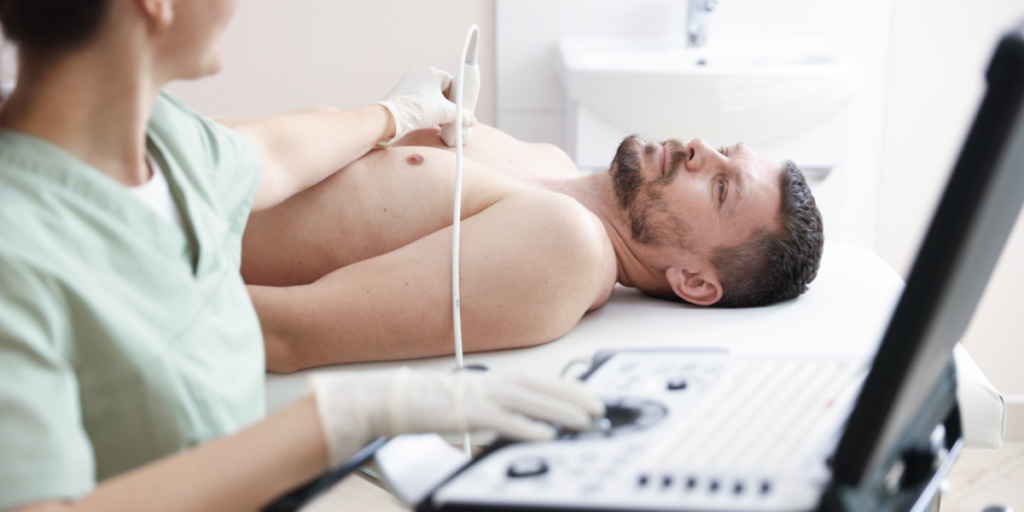
A breast ultrasound uses sound waves in order to create a picture of the tissues inside the breast. A breast ultrasound can show all parts of the breast, including the area closest to the chest wall, which is difficult to examine during a mammogram session which is a 2D X-Ray or during a regular clinical breast exam. The breast scan helps to provide images of all layers and angles of the breast.

For a breast ultrasound, a small handheld device called a transducer is gently passed back and forth over the breast. The sound wave is turned into a picture in the computer to represent a breast scan.

Why It Is Done

Breast ultrasound can add important information to the results of other tests, such as a mammogram or magnetic resonance imaging (MRI). It can usefully provide information to an undiagnosed disease not found in a mammogram. A breast ultrasound may be done to:

  • Find the cause of breast symptoms, such as pain, swelling, and redness.
  • Check a breast lump found on breast self-examination or physical examination. A lump that has no fluid or that has fluid with floating particles may need more tests.
  • Check abnormal results from a mammogram.
  • Look at the breasts in younger women because their breast tissue is often denser, and a mammogram may not show as much detail.
  • Guide the placement of a needle or other tube to drain a collection of fluid (cyst) or pus (abscess), take a sample of breast tissue (biopsy), or guide breast surgery.
  • Watch for changes in the size of a cyst or a noncancerous lump (fibroadenoma).
  • See how far cancer has spread in a breast and in which stage it is.
  • Help to identify the location of the breast tissue where surgery or biopsy needs to be done.

Risks

Breast ultrasound does not use X-rays or any other types of harmful radiation. Besides, there are no known risks in having a breast ultrasound test.

Career Opportunities

Ultrasound Sonography due to its reliable and accurate diagnosis and safe imaging process (no radiation involved) is becoming one of the most highly sought occupations for medical professionals.

DID YOU KNOW?

Diagnostic Medical Sonographer jobs are projected to increase by 40% between 2012 and 2022.

  • Job Outlook (2012-2022): 46.0% growth
  • Job openings due to growth and replacement needs (2012-2022): will increase sufficiently as more immigrants are immigrating
  • Annual Mean Wage (May 2013): $65,000
  • 16th Best Health Care Job in 2014 (U.S. News & World Report)
  • 26th of the 100 Best Jobs in 2014 (U.S. News & World Report)

Connect with Us for Details on the Ultrasound Technologist Programs

Ultrasound Technologist Co-Op Placement

How Does a Co-Op Placement Help Ultrasound Technologist Students?

An ultrasound technologist co-op or clinical placement provides eligible students with supervised experience in diagnostic imaging environments. Students may strengthen their scanning techniques, patient communication, clinical documentation and professional workplace skills. Pharma-Medical Science College of Canada describes clinical placement opportunities across the Greater Toronto Area for students who complete its ARDMS exam-preparation training and meet the stated credential requirements.

Pharma-Medical Science College of Canada (PMCC) is a reputed North-American institution and we have been offering Ultrasound Exam Preparation Training Programs (ARDMS Licensing) for all the international medical graduates over an extensive period of time.

We have a 100% Exam passing rate at our College and our students are practicing all over Canada successfully as sonographers in the field of both General and Echo Ultra-Sonography. Right now Sonography is a very well-defined, respectful and reputed profession in Canada with bright future and lucrative career growth.

Pharma-Medical Science College of Canada has come up with a brilliant arrangement with clinical placement facilities all over in GTA for all its students who received the ARDMS license after receiving exam preparation training from our College.

The clinical placement is a fantastic arrangement between the School and the clinical facility that will make sure that students are very well-equipped and that they have the right set of skills necessary to enter into the labor market success and secure a stable career thereafter.

Benefits of Clinical Placement

1. It contributes to the development of their personal clinical education, supervision and leadership skills to a greater extent.

2. It will help them enhance their communication skill and also improve their interaction skills

3. It will keep them up to date with theories and evidence-based practicum.

4. It will assist them with workload management, once the student is well-experienced.

5. It will provide an opportunity for the students to develop their professional and ethical manners.

6. Students can work on an evidence-based, real-time environment.

7. Help students with quality assurance activities.

8. It also helps to support and promote diversity in the workplace.

So why not try PSCC and make your dream come true as sonographers!

What is Ultrasound Technologist Co-Op Placement?

Ultrasound Technologist Co-Op Placement is a program offered by Pharma-Medical Science College of Canada (PMCC), providing clinical placement opportunities in the Greater Toronto Area (GTA) for students who have completed ARDMS licensing exam preparation training.

What are the benefits of Clinical Placement?

Clinical Placement offers numerous benefits, including personal development in clinical education, communication enhancement, staying updated with evidence-based practicum, workload management assistance, professional and ethical development, real-time work environment experience, support for quality assurance activities, and promotion of workplace diversity.

How does Clinical Placement contribute to career growth?

Clinical Placement equips students with the essential skills and experience required to enter the labor market successfully as sonographers. It provides hands-on training, ensuring students are well-prepared and competent in their field, thus securing a stable and lucrative career in ultrasound technology.

Why choose Pharma-Medical Science College of Canada for Ultrasound Technologist Co-Op Placement?

Pharma-Medical Science College of Canada has a stellar reputation, boasting a 100% exam passing rate and successful placement of students across Canada. With extensive experience in ultrasound exam preparation training and strong partnerships with clinical facilities in GTA, PMCC ensures students receive a top-notch education and practical training for a fulfilling career as sonographers.

How can I apply for Ultrasound Technologist Co-Op Placement at PMCC?

To apply for Ultrasound Technologist Co-Op Placement at Pharma-Medical Science College of Canada, visit our website and follow the application process outlined. Take the first step towards realizing your dream career as a sonographer with PMCC’s comprehensive training and clinical placement opportunities.

Connect with Us for Details on the Ultrasound Technologist Programs

GOOD NEWS FOR ALL INTERNATIONAL MEDICAL GRADUATES!

GOOD NEWS FOR ALL INTERNATIONAL MEDICAL GRADUATES!

Confused about your Career research?

1. Do you know that health care and medical-related industry has the highest job opportunity in Canada RIGHT NOW?

2. What is the opportunity for you to enter into the health-care career?

3. What do you need to know in order to get into the health-care system?

4. Which medical career to choose and how you should decide?

For Health Care license Exam Preparation

1. What are the Board Exam requirements?

2. What materials and resources are required to pass the exam successfully?

3. What strategies are used in order to optimize your exam score?

We prepare students for OSMT, CSMLS, CMLTO, ARDMS, MCCE, MCCQE Part 1 & 2, and NAC-OSCE exams.

Highest Qualified Reputed Instructor and Career Counselor Team ARE HERE TO HELP YOU:

  • Hands-on practice in our Modern Laboratory with state-of-art modern equipment.
  • All, books and reference materials are provided by the school. (CDs included too)

Co-op/ placement Opportunity

  • Job Search and employment guidance counseling
  • Resume and cover letter writing
  • Interview coaching, mock-interview practice sessions.

PHARMA-MEDICAL SCIENCE COLLEGE OF CANADA HAS THE ANSWERS TO ALL YOUR QUESTIONS

Call Now: 416-821-4876/647-996-5876

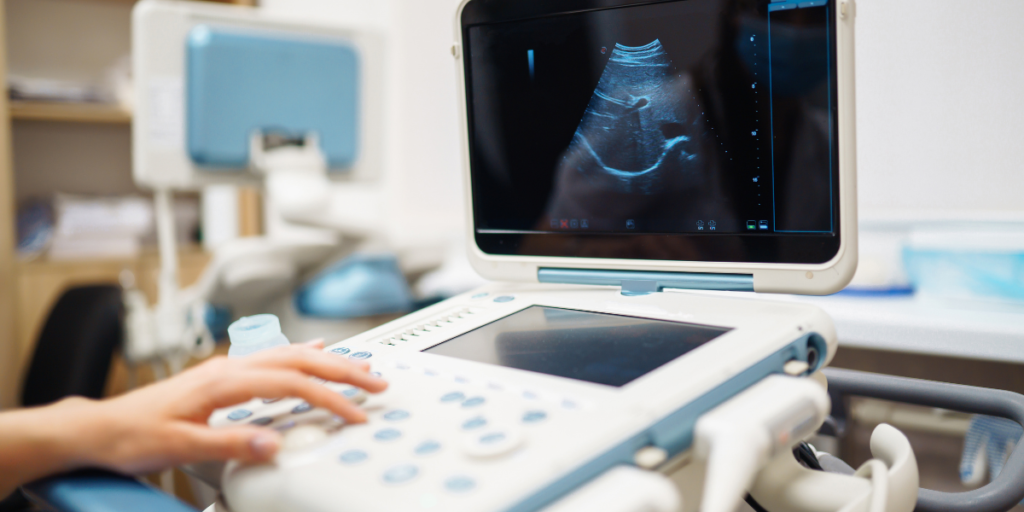
New Ultrasound Machines For Students Practice

FOR ULTRASOUND CLASS

FOR ULTRASOUND CLASS

Pharma-Medical Science College (PSCC) is proudly providing comprehensive Canadian Ultrasound ARDMS protocol-based training for all international medical graduates!

If you DO NOT have ARDMS license we will provide you with the full-training to prepare you for the ARDMS License Exam.

If you are licensed with ARDMS, but have poor scanning skills, or have no knowledge of Canadian protocols, still we are here to help you to get the hands-on training on protocols.

PLEASE VISIT OUR SCHOOL TO TRY THE CLASS FOR FREE ONE DAY!

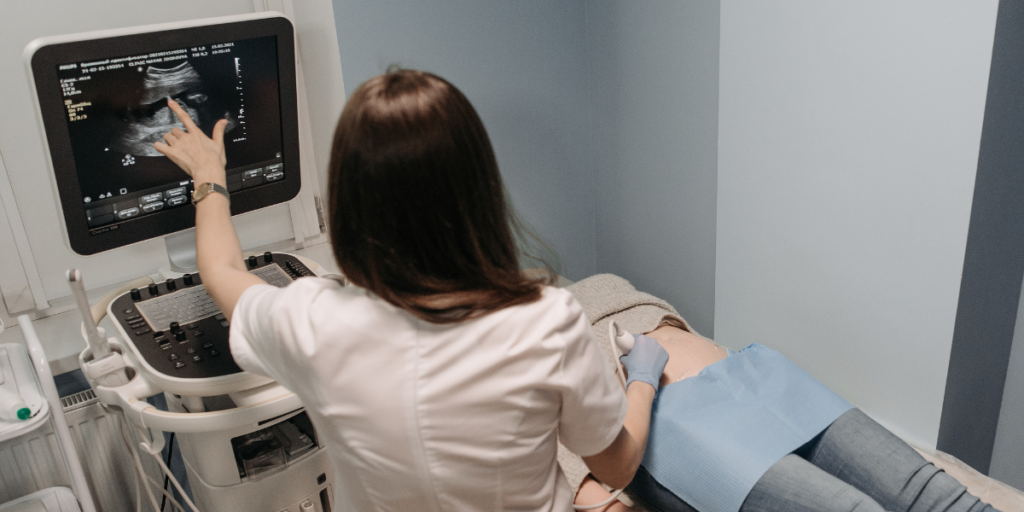
PSCC has developed training tools and designed comprehensive practical training using the latest new machines which help individuals not only by improving subject knowledge but also ensures that they are job-ready once they are licensed. We have recently bought new, latest machines which are being used in the imaging and diagnostic centers currently. We want our students not to just become licensed sonographers but also to have excellent scanning skills. Under that light, all the students who are registered for training have unlimited access to use our scanning machine to build and improve their scanning skills.

What we are offering:

1. Normal anatomy, presented in static and real-time video clips will be shown.
2. The teacher will give extensive hands-on-training, and also will teach you scanning skills according to the Canadian Protocols.
3. We illustrate a broad spectrum of pathological conditions of the musculoskeletal system that are commonly diagnosed with sonography.
4. All ARDMS exam Preparation Materials will be provided from the school.
5. Unlimited scanning hours using our two latest, ultrasound-machine which are currently being used in the industry.
6. Flexible payment plans, in installments. (Most affordable tuition fee in Canada)

Website: https://pharmamedical.ca/en/
Facebook: https://www.facebook.com/pharmamedical.ca
LinkedIn: https://ca.linkedin.com/pub/pharma-medical-science-college-of-canada/21/866/b21

Call us at 416-821-4876 or at 416-916-8786 for more details.