OSAP Introduction

OSAP Introduction

1. What is OSAP
OSAP is financial aid to help student s pay for college or university

2. What types of financial aid are available

OSAP ia a combination of grants and loans.

Grants=money that you will not have to pay back.

Loans = money that you will have to repay. Loans are interest- and payment-free while you are in school full time.

3. How much can I get?

OSAP funding is calculated by comparing your educational costs and your personal financial situation.

For a typical two-term academic year, full-time single students will be eligible for up to $13,260 in loans and non-repayable grants, while married students and sole support parents can get up to $22,440.

Find out how much you can get – and how to apply- at ontario.ca/osap.

4. What else do I need to know about OSAP?

Both full- and part-time students can apply.

When you apply for OSAP for full-time studies, you can choose to receive only non-repayable grants if you do not want the loan.

OSAP is available to dependent students, mature students, married students, and students with children.

5. How do I apply?

There are THREE basic steps the first time you apply for OSAP…

1) Start your application today at ontario.ca/osap by registering as a new user. You will be assigned an OSAP Access Number and create your OSAP profile.

2) In spring of 2017, after you have been accepted to college or university, complete your OSAP application and gather your supporting documentation.

3) Upload, mail or drop-off the required supporting documentation to the financial aid office at the college or university you plan to attend.

6. When do I apply?

The 2017-18 applications for full-time students will be available online at ontario.ca/osap starting in spring of 2017.

Don’t delay apply early!

The earlier you start your OSAP application, the sooner you can find out if you qualify and how much aid you can get.

Learn About Our Financial Program In Canada

Two New Ultrasound Machines Installed

Two New Ultrasound Machines Installed

In order to improve the quality of our teaching, Pharma-Medical Science college of Canada has installed two latest version of Ultrasound machines that students can use to learn. These two advanced machines have a variety of software to solve many different problem in different scenarios- all of which can be customized by the user. These machines can examine the abdomen, echo, vascular, ob, gyn and many more. The students will use these machines to much clearer imaging and process data quickly.

These machines are very popular in the current workplace. After the students practice on these machines, they will be more competent and feel more comfortable in the job market after they graduate.

What Is Our Nutrition Program?

What Is Our Nutrition Program?

If you are interested in a career in nutrition, dietetics, food service management, or as a nutrition educator, or a diet technician; this program could be for you! Learn more about the weight management, sports nutrition, nutrition through the lifespan, nutrition assessment, food safety-HACCP, food, and nutrition in the health industry. Join our Diploma Program in FOOD, NUTRITION & HEALTH, which provides you the knowledge of human nutrition and its connection to health and wellness. Students in this program will comprehend the basics of nutrition, planning healthy diets, and the role of food and nutrition in the human body. They will also learn about the body’s role in health, fitness, and nutrition-related diseases. After graduating from this Diploma Program, students will be able to assist the Clinical Nutritionists or Dietitians to plan menus and supervise food service establishments. They will also be capable of providing nutritional care to low and moderate risk patients as delegated by the Registered Dietitian, planning a diet for individuals under the direction of a Dietitian or Nutritionist, and performing a variety of activities to ensure the effective provision of nutrition care. Financial options and government assistance may be available for those who qualify. Call us today at 416-821-4876; 647-996-5876 or email us at info@pharmamedical.ca

Bisphenol A (BPA): An Endocrine Disruptor | Pharma Medical

Bisphenol-A, Or BPA, An Endocrine Disruptor

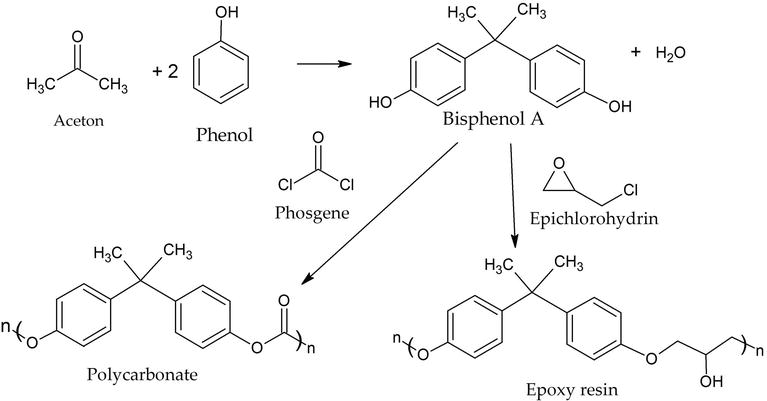
Surely you’ve heard about BPA by now. Bisphenol-A known as BPA is an industrial chemical that has been used to make certain plastics and resins since the 1960s. It’s everywhere. Billions pounds of it were produced each year all around the globe. It can be found in the linings of food and drink cans, plastic bottles, glues, and even dental fillings. It’s a building block for polycarbonate, a near-shatterproof plastic used in cell phones, computers, eyeglasses, drinking bottles, medical devices, CDs and DVDs. It’s also in infant-formula cans and many clear plastic baby bottles.

Studies have shown that it can leach into food and drink, especially when containers are heated or damaged. Almost all of us have some in our body.

Numerous animal studies have demonstrated an association between endocrine disrupting chemicals (including BPA) and obesity. Additional research suggests a possible link between BPA and increased blood pressure. As well possible health effects of BPA on the brain, behavior and prostate gland of fetuses, newborns and children.

Bisphenol-A, or BPA, is an endocrine disruptor, which may affect thyroid function in humans, especially in the fetus. It may also decrease the serum T4 half-life by activating hepatic enzymes. BPA can behave in a similar way to estrogen and other hormones in the human body. It should be eliminated if possible from the diet of the pregnant woman, and has been eliminated from plastic bottles and dishes used in feeding the newborn in the US and many other countries.

Under the Canada Consumer Product Safety Act, it is illegal to manufacture, import, advertise, or sell polycarbonate baby bottles that contain BPA.

The U.S. Food and Drug Administration used to say that BPA was safe. But in 2010 the agency changed its position; and banned BPA from baby bottles, infant formula packages and Sippy cups.

If you’re concerned about BPA, you can take these steps to reduce your exposure:

  • Use BPA-free products: Manufacturers are making more and more BPA-free products. Look for products labeled as BPA-free. If a product isn’t labeled, keep in mind that some, but not all, plastics marked with recycle codes 3 or 7 may be made with BPA.
  • Cut back on cans: Reduce your use of canned foods since most cans are lined with BPA-containing resin.
  • Avoid heating BPA containing plastic food containers: The National Institute of Environmental Health Sciences, part of the National Institutes of Health, advises against microwaving polycarbonate plastics or putting them in the dishwasher, because the plastic may break down over time and allow BPA to leach into foods.
  • Use alternatives: Use glass, porcelain or stainless steel containers for hot foods and liquids instead of plastic containers.

CPR Training Available In May | Pharma-Medical Science College Of Canada

CPR Training Available In May | Pharma-Medical Science College Of Canada

Have three years passed and you are looking to renew your CPR certification?

Are you interested in gaining your first CPR certification?

You’re in luck! Pharma-Medical Science College of Canada is hosting CPR workshops to renew your Level C or Advanced CPR certification!

May 24th and 29th, 2018

Level C CPR Certification Training ($100.00 CAD)

9:30AM-3:00PM

Advanced CPR Certification Training ($120.00 CAD)

9:30AM-3:00PM

Please call (416) 821-4876 or admin@pharmamedical.ca to book a spot!

Availability is limited and is on a first-come-first-serve basis.