Massage Therapy vs Acupuncture vs Pharmacy Assistant: Which Healthcare Career Truly Fits Your Personality and Strengths?

massage-therapy-vs-acupuncture-vs-pharmacy-assistant

Choosing a healthcare career can feel like standing at the beginning of an important journey. You may feel excited, curious, and perhaps slightly uncertain about which direction to take. If you are considering a massage therapy, acupuncture, or pharmacy assistant diploma program, it helps to picture what your daily life could look like in each role.

Across Canada, many students explore options such as a massage therapy diploma program in Canada, an acupuncture diploma program in Canada, or a pharmacy assistant course in Canada to build stable, meaningful careers. Each path serves patients differently. By understanding the work style, environment, and expectations tied to each program, you can choose a direction that feels natural and susta

The Role of Personality in Choosing a Healthcare Career

The Role of Personality in Choosing a Healthcare Career

Your personality shapes how you communicate, how you respond to stress, and how you feel at the end of a workday. Healthcare roles demand focus, responsibility, and compassion. Whether you are drawn to a massage therapy diploma program, an acupuncture diploma program in Canada, or a pharmacy assistant course in Canada, your natural strengths will influence how comfortable you feel in that environment.

Why Self-Awareness Matters More Than Job Titles

Job titles often sound impressive, yet the daily routine behind the title determines long-term satisfaction. Someone who enjoys hands-on interaction and physical activity may feel energized while completing a massage therapy diploma in Canada. A person who prefers organized systems and detailed processes may feel at ease in a pharmacy assistant program.

Taking time to reflect on your habits and preferences can prevent frustration later. A physically demanding career can feel draining if you prefer seated tasks. A structured pharmacy setting may feel limiting if you thrive on therapeutic interaction. When you evaluate your communication style, patience level, and physical stamina, you gain clarity about whether a massage therapy diploma program, an acupuncture diploma program, or a pharmacy assistant course in Canada aligns with your strengths.

Three Core Career Directions in Healthcare

Although all three options fall within healthcare, they focus on distinct areas of patient support.

  • A massage therapy diploma program prepares you for direct, physical treatment.
  • An acupuncture diploma program in Canada centers on holistic balance and energy-based care.
  • A pharmacy assistant program supports safe medication distribution and pharmacy operations.

Understanding these differences helps you imagine how you would spend your time and how you would interact with patients or healthcare professionals.

Career Path #1 – Registered Massage Therapist (RMT)
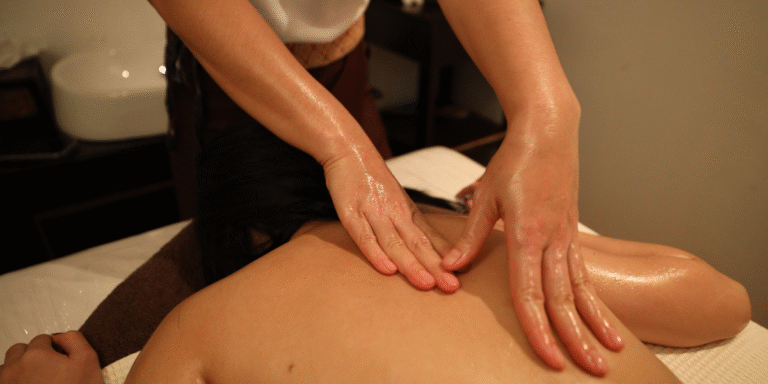
A career in massage therapy appeals to individuals who enjoy working closely with people and helping them feel relief through touch. Completing a massage therapy diploma program in Canada prepares you for a regulated profession in many provinces. The training combines scientific knowledge with practical skill.

The Personality Fit: Empathetic, Caring, Physically Resilient

Students who thrive in a massage therapy diploma program tend to be attentive listeners. They value connection and feel comfortable working in close physical proximity to clients. Emotional steadiness also plays a role, as clients often share personal experiences related to stress or pain.

This path often suits people who:

  • Enjoy one-on-one interaction
  • Feel comfortable using hands-on techniques
  • Have strong physical stamina
  • Maintain focus during extended sessions

A massage therapy diploma in Canada pathway includes significant hands-on training, so body awareness and strength matter throughout your career.

The Work: Immediate, Tangible Physical Healing

Before using some techniques, massage therapists check for muscle tension, posture, and range of motion. Many clients feel much better after a session, which can be very rewarding for practitioners.

Within a massage therapy diploma program, students learn:

  • Detailed anatomy and physiology
  • Musculoskeletal assessment techniques
  • Therapeutic massage methods
  • Professional standards and record keeping

Graduates of a massage therapy diploma program in Canada may work in rehabilitation clinics, wellness centers, sports facilities, or private practices.

Strengths & Skills Needed

Success in massage therapy requires both knowledge and physical control. A massage therapy diploma program helps students build a strong foundation for safe and effective treatment.

Important abilities include:

  • Understanding muscle function and joint movement
  • Practicing safe body mechanics
  • Managing appointment schedules efficiently
  • Communicating clearly with clients about treatment goals

Completing a recognized massage therapy diploma program in Canada is required in regulated provinces before practicing professionally.

Key Considerations

Massage therapy requires significant physical effort. If you don’t pay attention to your posture and take care of yourself, doing the same thing over and over will hurt you. Students who want to earn a massage therapy diploma should carefully consider their long-term health and how to work in a way that supports their well-being.

Career Path #2 – Acupuncturist

Acupuncture offers a calm and thoughtful approach to patient care. An acupuncture diploma program in Canada prepares students to assess energy flow and restore balance through carefully placed needles. This profession blends traditional healing philosophy with structured clinical training.

The Personality Fit: Investigative, Intellectual, Holistic

An acupuncture diploma program often attracts individuals who enjoy studying complex systems. They like connecting patterns and understanding how different parts of the body influence each other.

You may feel aligned with this path if you:

  • Appreciate detailed theory
  • Prefer quiet, focused work settings
  • Feel patient with gradual improvement
  • Enjoy continuous learning

An acupuncture diploma program in Canada requires dedication to both theory and supervised clinical practice.

The Work: Energy-Based and Holistic Treatment

Acupuncturists evaluate symptoms holistically and develop personalized treatment plans. Sessions involve inserting fine needles at specific points to stimulate natural healing responses.

During an acupuncture diploma program in Canada, students study:

  • Meridian pathways and diagnostic models
  • Safe and sterile needling practices
  • Patient assessment techniques
  • Complementary therapies such as cupping

Results often develop over multiple visits, which calls for steady communication and realistic treatment planning.

Strengths & Skills Needed

In an acupuncture diploma program, accuracy is very important. Practitioners must remain calm and focused when conveying holistic ideas in a way patients can understand.

Key skills include:

  • Analytical thinking
  • Attention to subtle physical signs
  • Steady hand coordination
  • Accurate documentation

Graduating from an accredited acupuncture diploma program in Canada supports professional credibility and compliance with provincial guidelines where required.

Key Considerations

The academic portion of an acupuncture diploma program in Canada can feel intensive. Students invest significant time in theory before practicing under supervision. Commitment to ongoing education remains important throughout a career in acupuncture.

Career Path #3 – Pharmacy Assistant

Pharmacy assistants contribute to patient safety by supporting pharmacists with prescription preparation and customer service. A pharmacy assistant program trains students for structured, detail-focused healthcare environments.

The Personality Fit: Meticulous, Organized, Service-Oriented

Students who excel in a pharmacy assistant course in Canada typically value routine and accuracy. They feel comfortable following procedures and staying attentive during busy shifts.

This career often suits individuals who:

  • Enjoy organized workflows
  • Communicate clearly with customers
  • Stay calm during high-traffic hours
  • Prefer predictable systems

A pharmacy assistant program emphasizes responsibility because accuracy directly affects patient well-being.

The Work: Precision and Medication Management

Pharmacy assistants process prescriptions, manage stock, label medications, and assist customers at the counter. The work requires consistent attention to detail.

A typical pharmacy assistant course in Canada includes training in:

  • Pharmacy software applications
  • Drug classifications and terminology
  • Inventory control procedures
  • Customer service communication

Graduates of a pharmacy assistant program often find employment in retail pharmacies, hospitals, and long-term care facilities.

Strengths & Skills Needed

Accuracy is the key to success in a pharmacy assistant course in Canada. Students learn to balance speed with careful review.

Essential abilities include:

  • Precise data entry
  • Strong organizational habits
  • Clear verbal communication
  • Efficient multitasking

Completing a recognized pharmacy assistant program strengthens confidence when entering professional settings.

Key Considerations

Pharmacy environments can feel busy, especially during peak hours. A pharmacy assistant course in Canada prepares students for shift schedules that may include evenings or weekends, depending on the workplace.

Comparing Physical Demands and Work Environments

Each profession has its own physical and emotional rhythm. Considering your preferred pace can help you decide between a massage therapy diploma in Canada, an acupuncture diploma program in Canada, and a pharmacy assistant program.

Massage therapy requires sustained physical activity throughout the day. An acupuncture diploma program involves focused precision with moderate physical movement. A pharmacy assistant course in Canada requires standing and steady workflow, with minimal physical strain.

Work environments also differ:

  • A massage therapy diploma program often prepares graduates for appointment-based clinical settings.
  • An acupuncture diploma program in Canada prepares graduates for calm treatment rooms.
  • A pharmacy assistant program usually prepares graduates for work in retail or hospital pharmacies, with ongoing customer interaction.

Matching your temperament to the environment can support long-term career satisfaction.

Education Pathways in Canada

Before enrolling, it helps to understand what each program involves. Training length, clinical hours, and regulatory standards vary between a massage therapy diploma program, an acupuncture diploma program in Canada, and a pharmacy assistant course in Canada.

Massage Therapy Diploma Canada

A massage therapy diploma in Canada pathway includes classroom study, anatomy training, and supervised clinical practice. Graduates in regulated provinces complete licensing requirements before practicing independently.

Acupuncture Diploma Program Canada

An acupuncture diploma program in Canada blends Traditional Chinese Medicine theory with modern safety standards and clinical internships. Students should review provincial regulations before beginning their studies.

Pharmacy Assistant Course in Canada

A pharmacy assistant course in Canada typically requires a shorter training period compared with therapeutic diploma programs. Students focus on practical pharmacy procedures and complete supervised practicums that prepare them for entry-level employment.

Each pathway offers a distinct educational experience shaped by professional expectations.

Start Your Healthcare Career Journey with Pharma-Medical Science College of Canada

Choosing the right institution can shape your confidence and readiness for professional life. At Pharma-Medical Science College of Canada, we provide career-focused training designed to prepare our students for real healthcare environments. Whether you plan to pursue a massage therapy diploma program, an acupuncture diploma program in Canada, or a pharmacy assistant program, we place hands-on education at the center of your learning experience.

Career-Focused Diploma Programs

In our massage therapy diploma program in Canada, we provide supervised clinical experience and a strong foundation in anatomy. In our acupuncture diploma program, we guide students through traditional theory while helping them build confident, practical treatment skills. Through our pharmacy assistant course in Canada, we train students in technical accuracy and professional customer service that reflects real pharmacy operations.

We structure our programs to connect theory with applied learning. This approach allows our students in the pharmacy assistant program or therapeutic diploma tracks to graduate with both competence and confidence.

Hands-On Learning Environments

Our dedicated labs and clinical spaces are designed to support skill development in realistic settings. In massage therapy, we supervise hands-on practice so students can refine their techniques safely. In acupuncture training, we provide guided instruction to build precision and confidence. Students enrolled in our pharmacy assistant course in Canada train in simulation environments that closely reflect retail and hospital pharmacy workflows.

Through our massage therapy and acupuncture diploma programs in Canada, we help students gain practical experience that aligns with workplace expectations.

Student Support and Career Preparation

We guide our students throughout their academic journey with accessible faculty and structured support. In our massage therapy diploma, acupuncture diploma program, and pharmacy assistant program, we prepare students for licensing requirements, certification pathways, and employment readiness.

From enrollment to graduation, we support students completing a pharmacy assistant course in Canada or a therapeutic diploma so they can step confidently into the workforce.

Conclusion

Healthcare offers meaningful ways to contribute to patient well-being. Choosing between a massage therapy diploma program, an acupuncture diploma program in Canada, and a pharmacy assistant program becomes easier when you understand your personality and preferred work style.

With thoughtful reflection and clear goals, you can select a path that feels natural and rewarding. Whether you pursue a massage therapy diploma in Canada, an acupuncture diploma program, or a pharmacy assistant course, your decision can lead to a stable and fulfilling professional future.

Ready to take the next step? Connect with Pharma-Medical Science College of Canada and explore how the right program can turn your goals into a practical career path. Speak with an admissions advisor, tour the campus, and start building your future in healthcare today.

Connect with Us for Details on the Medical Healthcare Training Program

How to Become a Pharmacy Assistant in 5 Simple Steps

Feature Image

The healthcare field is booming, and with that growth comes an increasing demand for pharmacy assistants. If you’re looking for a stable, accessible career in healthcare that offers room for advancement, becoming a pharmacy assistant could be just what you’re looking for. This guide walks you through everything you need to know about how to become a pharmacy assistant, from education and training to career opportunities.

Whether you’re a high school graduate, a career changer, a parent helping a student plan their future, or an international student aiming to enter Canada’s healthcare workforce, this article provides a step-by-step roadmap on how to become a pharmacy assistant. You’ll also find helpful insights on pharmacy assistant training, choosing a pharmacy assistant program, and what to expect from a pharmacy assistant course.

Step 1 – Complete a High School Education

Complete a High School Education

To become a pharmacy assistant, a high school diploma or equivalent is typically required. This foundational education prepares you for both direct entry into the workforce and enrollment in specialized training programs.

Recommended High School Courses

Courses such as biology, chemistry, and mathematics are useful in preparing for the responsibilities of a pharmacy assistant. These subjects help build the scientific and numerical knowledge needed to understand medication dosages and pharmaceutical terminology.

English is equally important, as clear communication is essential in pharmacy settings. Electives in digital literacy and communication offer an added advantage, particularly when working with pharmacy software or engaging in customer interactions.

General Requirements for Pharmacy Assistants

When asking, “What are the qualifications needed to become a pharmacy assistant?” most employers seek candidates with strong basic academic skills, a reliable work ethic, and a desire to learn. A high school diploma is the first requirement, but qualities like attention to detail, integrity, and adaptability are just as important.

Employers may also value candidates with familiarity in customer service or retail environments, as these skills directly apply to pharmacy assistant roles.

Step 2 – Consider Further Education

Consider Further Education

Although not required, completing a formal pharmacy assistant training program can really boost your chances of landing a job and increasing your earning potential. It shows employers that you’re committed and equipped with the right skills.

At Pharma-Medical Science College of Canada, we offer one of the most comprehensive pharmacy assistant programs in Canada. Our diploma program combines academic knowledge with practical skills to prepare students for real-world success.

Choosing the Right Pharmacy Assistant Program

When selecting a pharmacy assistant program, consider your learning style and schedule. Some students thrive in hands-on, in-person environments, while others prefer online or hybrid formats that offer flexibility.

Key factors to consider include program accreditation, curriculum relevance, job placement support, and the institution’s reputation. The right program prepares you to become a pharmacy assistant and connects you to employment opportunities.

How Long Is a Pharmacy Assistant Course?

How long it takes to complete a pharmacy assistant course varies, but most pharmacy assistant courses take between six months and one year to complete. The duration of the course can change based on whether you choose to study full-time or part-time, and if it has a practicum or co-op element included.

These programs are structured to be intensive yet accessible, making them perfect for anyone eager to jump into the workforce quickly while still picking up vital skills.

What You’ll Learn in a Pharmacy Assistant Training Program

A thorough pharmacy assistant training program covers various topics. Among the essential skills gained in pharmacy assistant program settings are medical terminology, basic pharmacology, inventory systems, pharmacy software, and legal and ethical considerations in pharmacy practice.

Most programs include a practicum or co-op, which allows you to get some real-world experience in a pharmacy. This training reinforces classroom learning and prepares you for the role’s responsibilities.

Step 3 – Gain Practical Experience

Develop Key Skills

Real-world experience is essential to become a pharmacy assistant. Practical training builds confidence, strengthens your skills, and increases your appeal to employers.

Internship, Co-op, or Volunteer Opportunities

Many pharmacy assistant programs include a practicum or internship. These placements provide valuable exposure to pharmacy environments under the guidance of experienced professionals.

Suppose your program doesn’t include a placement, volunteer in hospitals, or retail pharmacies. Volunteering helps you gain relevant experience and show your dedication to the profession.

What Is the Next Step in Pharmacy Assistant?

After gaining experience, you may consider advancing your career. Pharmacy assistants can pursue additional certifications to become pharmacy technicians, a role with greater responsibility and pay.

You might also explore other healthcare careers, such as nursing or medical administration. A pharmacy assistant role is a fulfilling career option that offers a gateway to multiple paths within the healthcare sector. Pharmacy assistants can pursue additional certifications to become pharmacy technicians, a role with greater responsibility and pay.

Connect with Us for Details on the Pharmacy Assistant in Canada

Step 4 – Develop Key Skills

4. What You'll Learn in a Massage Therapy Diploma Program

While technical expertise is crucial, soft skills play a key role in this position too. If you want to become a pharmacy assistant who excels, focus on both professional and interpersonal skill development.

Core Competencies for Pharmacy Assistants

Pharmacy assistants must be accurate and detail-oriented, especially when managing prescriptions and medication inventory. Strong customer service skills are essential, as you’ll often be the first person patients interact with.

Math skills are necessary for dosage calculations, and computer literacy ensures efficiency with pharmacy software and inventory systems. Empathy and clear communication further support success in the role.

Lifelong Learning and Professional Development

The healthcare industry evolves constantly, so updating your skills is important. Continuing education, certifications, and workshops help you stay current with best practices and tools. For professionals and alumni, pursuing refresher courses or new credentials can enhance career opportunities and increase job satisfaction.

Step 5 – Start Your Job Search

Start Your Job Search

Once your training and education are complete, it’s time to enter the job market. There are many resources to help you begin your journey to become a pharmacy assistant.

How to Find a Pharmacy Assistant Job

Start your career in pharmacy by exploring job boards, hospital career pages, and local pharmacy listings to find openings. Many pharmacy assistant programs provide job placement services or access to alumni networks.

Attend career fairs, join healthcare-related groups, and utilize platforms like LinkedIn to broaden your professional connections. Recommendations from instructors or internship supervisors can also support your job search.

Is a Pharmacy Assistant an Entry-Level Job?

Yes, this position is considered entry-level, which makes it suitable for graduates or individuals moving into healthcare. Entry-level doesn’t mean basic—pharmacy assistant training prepares you to handle a wide range of responsibilities. With time and continued education, you can move into higher roles like pharmacy technician or team supervisor.

Is a Pharmacy Assistant Minimum Wage?

Some starting roles may pay near minimum wage, but earnings vary by location, employer, and qualifications. Completing a pharmacy assistant course or earning extra certifications can lead to better compensation.

You’ll find that wages are typically more generous in urban settings and hospitals. Your income potential increases with hands-on experience and additional training.

FAQs: What to Know About Becoming a Pharmacy Assistant

Here are answers to common questions about how to become a pharmacy assistant.

How Do I Become a Pharmacy Assistant?

Follow these five steps:

  1. Complete high school
  2. Enroll in a pharmacy assistant training program
  3. Gain practical experience
  4. Develop key skills
  5. Begin your job search

These steps provide a clear path to a healthcare career. A structured pharmacy assistant program can help you stay on track and reach your goals.

What Are the Steps in Pharmacy?

  • Career progression in pharmacy usually starts with an assistant role. From there, you can become a pharmacy technician and eventually pursue training to become a pharmacist. Each stage involves new skills and certifications, making pharmacy assistant training a strong foundation for future growth.

What Are Pharmacy Assistant Qualifications?

  • To become a pharmacy assistant, a high school diploma or equivalent is typically needed. Though formal training is optional, completing a pharmacy assistant course significantly improves your employment prospects. Skills in communication, organization, and basic science and math also contribute to success in this field.

Conclusion

7. Career Paths in Massage Therapy

If you want a practical entry into healthcare, learning how to become a pharmacy assistant is a smart move. This role offers flexibility, job security, and meaningful interactions that make a positive impact.

Whether you’re starting a new chapter or transitioning careers, consider exploring pharmacy assistant programs, speaking with an advisor, or applying to a respected institution like Pharma-Medical Science College of Canada. Take the next step and begin building a fulfilling future in healthcare.

Ready to start your healthcare career? Apply now to the Pharma-Medical Science College of Canada and take the first step toward becoming a certified pharmacy assistant.

Connect with Us for Details on the Pharmacy Assistant in Canada

How Long Does It Take to Complete a Pharmacy Assistant Course in Canada?

Feature Image

Understanding how long a pharmacy assistant course is in Canada is critical for planning your educational and career path. Whether you’re a student exploring healthcare roles, a professional considering a career switch, or a parent helping your child make informed decisions, knowing the timeline helps align expectations with goals.

The healthcare and pharmaceutical sectors are growing across the country, increasing demand for skilled pharmacy assistants. With strong job prospects, this role presents a stable and fulfilling career opportunity.

This article is ideal for students, working adults, career advisors, and parents looking to gain insight into training and job requirements in the pharmacy assistant field.

Understanding the Role: What Does a Pharmacy Assistant Do?

A pharmacy assistant in Canada supports pharmacists in daily operations, including preparing medications, managing inventory, handling customer service, and processing prescriptions. These professionals are vital to the efficiency of pharmacies in hospitals, retail locations, and long-term care facilities.

Pharmacy assistants handle clerical and customer service duties, ensuring that pharmacy operations run smoothly and patients receive timely and accurate service.

By supporting pharmacists, pharmacy assistants play a crucial role in improving patient care and ensuring smooth pharmacy operations.

Pharmacy assistant assisting a pharmacist in a pharmacy, managing inventory and preparing medications for customers.

Becoming a Pharmacy Assistant in Canada: Step-by-Step Guide

A man in a lab coat is speaking on his cell phone, likely discussing pharmacy-related matters.

To become a pharmacy assistant in Canada, follow this typical pathway:

  1. Education – A high school diploma or equivalent is usually the minimum requirement.
  2. Training – Enroll in a pharmacy assistant course from a recognized institution.
  3. Experience – Some programs include internships or practicum placements.
  4. Job Search – Apply for entry-level roles in pharmacies.

Key qualifications often include strong communication, organization, and attention to detail. While certification isn’t always required, completing an accredited pharmacy assistant course in Canada significantly improves job prospects.

Duration of Pharmacy Assistant Courses in Canada

Nurse and doctor collaborating in a lab, analyzing samples and discussing findings in a professional setting.

So, how long is a pharmacy assistant course in Canada? The duration depends on the program and delivery method. Most full-time programs last between 6 to 12 months. Part-time options may extend up to 18 months or longer, offering flexibility for working individuals.

Course format affects the duration. Online programs often allow self-paced study, while in-person programs follow structured schedules. Some colleges also offer hybrid programs, combining online theory with in-person labs.

Connect with Us for Details on the Pharmacy Assistant Course in Canada

How Long Does It Take to Become a Pharmacy Assistant?

A woman in a white lab coat works intently on a computer in a pharmacy setting, focused on her tasks.

If you’re planning to become a pharmacy assistant in Canada, one of the first questions you’ll ask is how much time it takes. Most training programs are set up to be finished in a short amount of time, allowing students to jumpstart their careers without any holdups.

Typically, a pharmacy assistant course in Canada takes between 6 to 12 months for full-time students. Part-time students may take longer, depending on their schedule and course format. By combining classroom education with real-world experience, these programs ensure that students are thoroughly prepared to succeed in a genuine pharmacy setting.

This role offers a faster entry into the workforce, making it an ideal choice for those eager to start working in the healthcare field while still gaining valuable skills and experience.

Timeline for Each Step in Becoming a Pharmacy Assistant

Two women in a pharmacy store examining a cell phone, possibly discussing pharmacy assistant training or job opportunities.

Becoming a pharmacy assistant in Canada is a streamlined process that allows students to enter the workforce in less than a year. Here’s a typical timeline you can expect:

  1. High School Diploma or Equivalent – This is the minimum academic requirement for admission into most programs.
  2. Pharmacy Assistant Course – Duration ranges from 6 to 12 months, depending on whether the program is full-time, part-time, online, or hybrid.
  3. Internship or Practicum – Many programs include a placement component lasting 4 to 8 weeks to build real-world experience.
  4. Career Preparation – Resume workshops and interview training are often part of the course to help students transition smoothly into the job market.
  5. Job Search and Onboarding – Once training is complete, most graduates find employment within 1 to 6 weeks, depending on demand and location.

The journey to becoming a pharmacy assistant in Canada is quite swift, typically taking under a year, which offers a quick and effective way to enter the healthcare profession.

What to Expect in a Pharmacy Assistant Program

A woman in a pharmacy holding a paper, likely related to her studies in a pharmacy assistant program.

A typical pharmacy assistant course in Canada includes both theoretical and hands-on training. Expect 20–30 hours per week of coursework, including labs and lectures.

Many programs feature practical placements, allowing students to work in real pharmacy settings. These placements are essential for gaining job-ready skills and can add 4–8 weeks to the total course time.

Managing your coursework while handling other commitments can be a bit of a struggle, but with effective time management, it’s absolutely manageable!

Is Becoming a Pharmacy Assistant Challenging?

A woman holds a box of pills in a pharmacy, symbolizing the role of a pharmacy assistant in patient care.

Like any career path, becoming a pharmacy assistant in Canada comes with challenges. Students often face a fast-paced curriculum, medical terminology, and strict attention to detail.

Tips for success include:

  • Building strong organizational skills
  • Seeking help when needed
  • Staying consistent with study routines

Individuals with good communication skills, empathy, and multitasking abilities will find the role manageable and rewarding.

Certification, Licensing, and Accreditation for Pharmacy Assistants

A woman in a graduation gown and cap proudly holds her diploma, symbolizing her achievement in pharmacy assistant training.

Though licensing is not mandatory for pharmacy assistants in Canada, completing an accredited course boosts credibility and employability.

Certification through institutions like the Canadian Council of Professional Certification (CCPC) can also give you an edge in competitive job markets.

Always ensure the program is recognized and offers legitimate certification to maximize job prospects.

Career Outlook and Benefits of Completing a Pharmacy Assistant Course

A group of people in white lab coats, likely pharmacy assistants, discussing healthcare in a professional setting.

The job outlook for pharmacy assistants in Canada is positive, with the aging population and expanding healthcare services driving demand.

Sectors hiring include:

  • Community pharmacies
  • Hospitals
  • Long-term care facilities
  • Mail-order pharmacies

Completing a pharmacy assistant course opens doors to promotions and increased responsibilities. A shorter course means a quicker start to your career.

Salary Expectations (City-wise):

  • Toronto: $37,000 – $45,000 annually
  • Vancouver: $35,000 – $42,000
  • Calgary: $36,000 – $43,000
  • Montreal: $34,000 – $40,000
  • Edmonton: $35,000 – $41,000

Salaries vary based on experience, education, and type of employer.

How to Choose the Right Pharmacy Assistant Course in Canada

A woman in a lab coat writes on a clipboard, likely documenting observations in a pharmacy or laboratory setting.

When selecting a pharmacy assistant course in Canada, consider the following:

  • Course length: Does it match your availability and career timeline?
  • Hands-on training: Programs with internships or labs offer practical experience.
  • Flexibility: Online or part-time options suit working adults and international students.
  • Accreditation: Make sure the program is acknowledged by the appropriate educational organizations.

Do your research and compare programs carefully before committing.

About Pharma Medical Science College of Canada: Our Commitment to Training Healthcare Professionals

A man in a white lab coat stands before shelves filled with various medicines in a pharmacy setting.

Pharma-Medical Science College of Canada is a leading private career college located in Ontario, well-known for its focus on healthcare and pharmaceutical education. Aligned with the growing demand for pharmacy professionals, we offer a specialized pharmacy assistant course in Canada that equips students with both theoretical knowledge and hands-on skills.

The course runs for approximately 34 weeks and includes practical training through internships to prepare students for real-world pharmacy settings. Our flexible learning options and dedicated support services cater to both domestic and international students. Financial aid is available for eligible applicants, and our career services team helps graduates successfully transition into the workforce.

If you’re wondering how long a pharmacy assistant course is in Canada and seeking a quality program that fits your goals, Pharma-Medical is a trusted choice to launch your career in healthcare.

Conclusion

A career as a pharmacy assistant in Canada begins with a clear understanding of the role, the training required, and the path to employment. We’ve outlined the steps to enter the field, the duration of training programs, what to expect during education, and how to successfully launch your career. Most pharmacy assistant courses in Canada range from 6 to 12 months, depending on the format and institution.

With a high demand in cities all over the country, attractive salaries, and plenty of chances to move up, this position lays a strong groundwork for a future in healthcare. Choosing an accredited program with practical training can make all the difference in gaining employment and thriving in the workplace.

Explore your future at Pharma-Medical Science College of Canada. Join a pharmacy assistant program designed to build real skills and prepare you for a meaningful career in healthcare. Contact us today to learn more about enrollment and program details.

Connect with Us for Details on the Pharmacy Assistant Course in Canada

Don’t Miss Out: Explore Pharma-Medical College’s 2025 Class Schedule

Feature Image

Advancing your skills in healthcare and related industries is crucial for building a rewarding career. Whether you’re starting a new path or looking to enhance your expertise, selecting the right educational institution is essential. We at Pharma Medical Science College of Canada stand proud for delivering great quality education and support for diverse career options.

Our college is a trusted healthcare training leader, providing flexible scheduling and a student-focused approach while having campuses located in both Etobicoke and Toronto that ensure students get all the support and resources to reach excellence.

Why Choose Pharma-Medical Science College?

A group of doctors engaged in discussion around a table, collaborating on healthcare strategies and patient care solutions.

Comprehensive Program Variety

We have various programs that cater to all stages of careers. Whether you’re enrolling in the Personal Support Worker Program Toronto or the Advanced Esthetics Program, our courses prepare you for high-demand roles in the healthcare and wellness sectors. Programs like the Medical Office Administration Program and Pharmacy Assistant Program Toronto provide focused training that opens doors to meaningful careers.

Flexible Enrollment Options

Our continuous monthly intakes ensure you can begin your education when it suits you best. This flexibility is ideal for students balancing personal and professional responsibilities, whether they’re joining the Medical Laboratory Technician Program Toronto or the Personal Support Worker Program Etobicoke.

Convenient Locations

With campuses in Etobicoke and Toronto, accessibility is at the core of what we offer. From the Medical Esthetics Program Toronto to the Community Service Worker Program, you’ll find a supportive environment tailored to your success.

Key Programs and Start Dates in 2025

Healthcare Programs

Our healthcare programs are carefully designed to meet diverse interests and career aspirations to ensure that our students gain all the practical knowledge and skills they need to function effectively in healthcare.

Personal Support Worker Program: 

This program educates students in providing fundamental care and support to a person in all settings, ranging from long-term care facilities to private homes. The personal support worker program focuses on patient safety, effective communication, and hands-on care practices to ensure students are prepared for real-world challenges.

  • Start Dates: February 3, February 17

Medical Office Administration Program: 

Perfect for those aiming to support the administrative operations of healthcare settings, this program covers medical billing, scheduling, and patient record management. Graduates of the medical office administration program are highly sought after by clinics, hospitals, and private practices for their organization and attention to detail.

  • Start Date: February 3

Pharmacy Assistant Program Toronto:

Gain specialized skills to assist pharmacists with tasks such as dispensing medication, managing inventory, and providing exceptional customer service. This pharmacy assistant program blends theoretical and practical learning, preparing students for dynamic roles in retail pharmacies and healthcare facilities.

  • Start Date: February 17

Medical Laboratory Technician Program:

The Medical Laboratory Technician Program will feature major laboratory procedures, sample collection, and diagnostic testing, where students receive practical experience working under actual conditions in laboratories. Graduates of the Medical Laboratory Technician Program find rewarding careers in diagnostic labs, hospitals, and research institutions where their skills are in high demand.

  • Start Date: February 3

Nutrition, Food & Health Program:

Aimed at those passionate about promoting healthier lifestyles, Nutrition, Food & Health Program dives into nutrition science and dietary planning. Graduates are equipped to work in public health initiatives or community health programs, where they can make a meaningful difference.

  • Start Date: February 3

Food Safety & Quality Program (Evening Classes):

The Food Safety & Quality Program equips students with expertise in maintaining food safety and quality standards. This training encompasses essential areas in regulatory compliance and quality assurance that are critical to responsibilities in the food industries and public health sectors.

  • Start Date: February 3

Specialized Healthcare Training

A woman provides a therapeutic massage to a patient, showcasing specialized healthcare training in action.

Advanced programs at Pharma-Medical Science College of Canada provide in-depth training for students who wish to specialize in growing healthcare fields. Each program is formulated to provide the graduates with an absolute theoretical set of knowledge and hands-on experience in performing the work, which will culminate in a highly impactful career.

Diagnostic Medical Sonography Program:

Dive into the field of diagnostic imaging by learning to operate advanced ultrasound equipment and assist physicians in interpreting critical medical data. This diagnostic medical sonography program readies students for rewarding careers in hospitals, imaging centers, and diagnostic clinics, where their skills are indispensable for patients’ care and medical evaluations.

  • Start Date: April 7

Diagnostic Cardiac Sonography Program:

Focused on heart imaging and echocardiography techniques, this program trains students to specialize in cardiac diagnostics. From operating specialized equipment to analyzing heart health, the diagnostic cardiac sonography program is ideal for careers in cardiac units and cardiovascular diagnostic centers.

  • Start Date: March 3

Acupuncture Diploma Program:

The acupuncture Diploma Program brings together traditional Chinese medicine and modern healthcare applications and provides expertise in acupuncture techniques. Students gain skills to work in wellness centers, clinics, or private practices, making the acupuncture diploma program a holistic addition to healthcare services.

  • Start Date: March 22

Registered Massage Therapy:

The Registered Massage Therapy program provides training in therapeutic massage techniques, anatomy, and client care to address recovery and wellness. Graduates of Registered Massage Therapy excel in rehabilitation centers, wellness clinics, and independent practices. Building a career in patient care that lays foundations based on the improvement of people’s physical well-being is possible with the course.

  • Start Date: February 21

Connect with Us for Details on the Medical Healthcare Programs

Community and Early Childhood Support Programs

A diverse group of individuals in a room, proudly displaying cards, symbolizing community support and early childhood programs.

Prepare for careers with a meaningful impact on individuals and communities through our robust support programs. The programs provide the tools that allow students to support development and deliver services in a given field.

Early Childcare Assistant Program:

This program emphasizes the development of nurturing environments for children by focusing on communication, child development, and activity planning. Graduates of the early childcare assistant program are equipped to work in childcare centers, kindergartens, or private childcare settings.

  • Start Date: February 3

Community Service Worker Program:

Address social issues and connect individuals with essential services through this program. Trained through this community service worker program in advocacy, mental health support, and community outreach, students become crucial people in social services and community organizations.

Esthetics and Advanced Skills Training

A group of graduates seated at tables, celebrating their achievements in esthetics and advanced skills training.

The esthetics and beauty industry continues to thrive, offering numerous career opportunities for those with advanced training. Our programs combine theory and practical experience to ensure students stand out in this competitive field.

Advanced Esthetics Program:

Gain expertise in advanced skincare techniques, professional makeup artistry, and innovative beauty treatments. This advanced esthetics program is designed for individuals who aspire to work in high-end spas and salons or establish independent practices.

Medical Esthetics Program:

Specializes in non-invasive cosmetic treatments such as laser therapy, microdermabrasion, and chemical peels. The medical esthetics program provides hands-on training using the latest equipment, preparing students for careers in medical spas and clinics where healthcare and beauty intersect.

How to Enroll

A group of nurses engaged in discussion while seated around a table, fostering collaboration and teamwork.

The enrollment process at Pharma-Medical Science College of Canada is designed to be straightforward and accessible.

  1. Online Application: Visit our website to fill out the application form. Provide all required documentation for a smooth process.
  2. Campus Visits or Virtual Consultations: Schedule a visit to our Etobicoke or Toronto campus for a personalized tour. Virtual consultations are also available.
  3. Speak with an Advisor: Our advisors can guide you in selecting the right program, whether it’s the pharmacy assistant program or the personal support worker program.

Conclusion

Choosing the right education builds a fulfilling career. All our programs at Pharma-Medical Science College of Canada are relevant to preparing students for career success in the industries of health care, community support, and wellness. Whether you’re interested in the Medical Office Administration Program, the Advanced Esthetics Program, or the PSW, there is a program for you.

Don’t wait to take the next step. Look for our 2025 class schedule today and begin your way toward an exciting and fulfilling career.

Contact us now to learn more about programs like the community service worker program or medical laboratory technician program and secure your spot!

Connect with Us for Details on the Medical Healthcare Programs

Key Skills Gained in a Pharmacy Assistant Program

Feature Image

Pharmacy assistants are vital in supporting pharmacists and ensuring the smooth operation of pharmacies and medical stores. As the demand for healthcare services increases, the need for skilled pharmacy assistants managing tasks such as processing prescriptions and assisting patients also grows.

This blog will explore the key skills gained through the Pharmacy Assistant Program. From mastering pharmaceutical terminology to learning essential customer service and medication safety protocols, students are prepared for a rewarding career in pharmacy assistance.

Mastering Pharmaceutical Terminology and Drug Classifications

A woman examines various medicines in a pharmacy, showcasing her engagement with pharmaceutical products and patient care.

A strong grasp of pharmaceutical terminology and drug classifications is essential for Pharmacy Assistants to support pharmacists and ensure patient safety.

Pharmaceutical Terminology

Pharmacy Assistants learn key medical terms and abbreviations like “PRN” and “BID.” Mastering this language allows them to process prescriptions accurately and communicate effectively with healthcare professionals.

Drug Classifications

Understanding drug classifications, such as antibiotics or analgesics, helps Assistants verify prescriptions and inform patients about their medications. This knowledge ensures drugs are used safely and effectively.

Prescription Processing and Medication Dispensing Skills

A pharmacist assists a patient in a pharmacy, ensuring accurate prescription processing and safe medication dispensing.

Pharmacy Assistants play a big role in ensuring safe and accurate medication delivery. The Pharmacy Assistant Program equips them with essential prescription processing and medication dispensing skills.

Prescription Verification and Processing

Students learn to accurately receive and process prescriptions, starting with verifying the doctor’s instructions, dosage, and medication type. They are trained to identify possible issues, such as drug interactions or unclear instructions, allowing them to raise concerns with the pharmacist or prescribing doctor. This essential skill helps prevent medication errors and ensures patients receive the correct treatment.

Dispensing Techniques

After verifying a prescription, Pharmacy Assistants focus on proper medication dispensing. They receive hands-on training in packaging, labeling, and preparing doses according to legal guidelines. 

This includes understanding different drug forms and providing clear dosage instructions to patients. Accurate labeling and thorough knowledge of medications help prevent misuse.

Minimizing Dispensing Errors

Minimizing distribution errors is a key focus of the program, as these mistakes can have serious consequences. Students are trained to adhere to strict protocols, double-check prescriptions, and understand drug interactions. Their attention to detail is essential for patient safety, ensuring medications are distributed correctly with proper usage guidance.

Pharma Medical Science College of Canada ensures that pharmacy assistant students gain the skills to enhance patient safety and care throughout medication dispensing.

Choosing a Pharmacy Assistant Program offers hands-on training, real-world experience, and a pathway to a rewarding healthcare career. Learn more about it in our guide, Why You Should Choose a Pharmacy Assistant Program.

Customer Service and Patient Communication Skills

Effective communication and strong customer service are essential for Pharmacy Assistants, as these skills directly influence patient outcomes. The Pharmacy Assistant Program at Pharma Medical Science College of Canada prepares students to deliver accurate information and compassionate support.

Building Communication Skills

Pharmacy Assistants must communicate clearly with patients about prescriptions. The program teaches students to explain medication dosages, side effects, and instructions in simple terms. They help patients understand their medications, reduce confusion, and prevent misuse by breaking down complex information. Pharmacy Assistants convey the perfect messages to patients.

Customer Service in a Healthcare Setting

Customer service is mainly in the Pharmacy Assistant’s role. Students learn to approach inquiries empathetically and professionally, addressing medication questions, insurance issues, and concerns. 

This training prepares them to handle challenging situations, such as the unavailability of medications while giving a proper answer to patients. Effective customer service fosters trust and enhances the patient experience.

Supporting Patient Adherence

Pharmacy Assistants are vital in promoting medication adherence, which is crucial for successful patient outcomes. The program equips students to counsel patients on following treatment regimens, managing multiple medications, and understanding dosing schedules. 

By emphasizing the importance of adherence, they help patients avoid missed doses and ensure they receive the full benefits of their treatments.

Pharma Medical Science College of Canada’s Pharmacy Assistant Program emphasizes developing communication and customer service skills, ensuring students are well-prepared to guide and support patients throughout their healthcare journeys.

Efficient Inventory Management and Supply Control

Effective inventory management is essential for pharmacy operations. The Pharmacy Assistant Program trains students to maintain an organized and well-stocked pharmacy, covering inventory monitoring, ordering procedures, and regulatory compliance.

Inventory Monitoring

Pharmacy Assistants monitor stock levels of medications and supplies. Students learn to use inventory management tools to track stock in real-time, ensuring medications are readily available so Pharmacy Assistants can give medicines to patients. Training includes managing inventory to avoid shortages and overstock and helping pharmacies run smoothly and efficiently.

Ordering and Restocking

Pharmacy Assistants also manage ordering and restocking processes. Students are trained to anticipate demand based on patient needs and prescription volumes. 

They learn to place timely orders, restock shelves, and follow safety protocols for handling expired or damaged medications, ensuring pharmacies can meet patient demands without excess inventory.

Ensuring Compliance with Regulations

Pharmacy Inventory Management requires strict adherence to medication storage, handling, and disposal regulations. The program educates students on compliance to ensure patient safety and operational efficiency. 

This includes handling controlled materials and disposing of expired drugs properly, helping maintain a secure pharmacy environment.

Studying for a Diploma in Pharmacy Assistant provides essential skills and knowledge for a successful healthcare career. You’ll gain practical experience and insights into pharmacy operations. Learn more in our guide on studying for a diploma as a pharmacy assistant!

Understanding Pharmacy Laws, Regulations, and Ethics

Pharmacist assisting customers in a pharmacy, ensuring compliance with laws and ethical standards in medication handling.

Pharmacy Assistants ensure pharmacy operations comply with legal and ethical standards. The Pharmacy Assistant Program equips students to comprehensively understand pharmacy practice laws, regulations, and ethical considerations. This prepares them to maintain patient care standards and adhere to regulatory compliance.

Overview of Legal Responsibilities

Pharmacy Assistants must understand federal and provincial laws governing medication handling and pharmacy operations. The program introduces students to legal frameworks, including privacy regulations like HIPAA and PHIPA, which protect patient information confidentiality. 

Students also learn about prescription processing, documentation, and controlled material regulations, ensuring they contribute to a compliant pharmacy environment.

Ethical Standards

Ethics are crucial in healthcare, and Pharmacy Assistants are trained to maintain high ethical standards. The program emphasizes patient confidentiality and preventing medication misuse, including recognizing potential prescription fraud.

By upholding these ethical standards, Pharmacy Assistants foster a trustworthy healthcare environment that promotes patient confidence and well-being.

Regulation Compliance

Compliance with healthcare regulations is essential for pharmacy functionality. The program trains students to ensure pharmacy operations align with federal, provincial, and professional standards. This includes proper medication storage, licensing requirements, and adherence to guidelines from regulatory bodies like Health Canada. 

Understanding the consequences of non-compliance, including penalties and license suspensions, prepares pharmacy assistants to maintain legally sound practices.

Pharma Medical Science College of Canada equips Pharmacy Assistant students with the knowledge to ensure safe, ethical, and legally compliant pharmacy operations, which is critical for maintaining patient trust and supporting the healthcare system.

Choosing the right pharmacy assistant program is essential for your healthcare career. The best programs provide comprehensive training, hands-on experience, and industry connections. Check out our guide to explore the Best Pharmacy Assistant Program in Toronto and kickstart your journey!

Hands-On Skills in Pharmaceutical Compounding

Pharmaceutical compounding is crucial for creating customized medications tailored to individual patient needs. The Pharmacy Assistant Program trains students in essential compounding techniques, ensuring safe and effective treatments for patients requiring unique formulations.

Introduction to Compounding

Pharmaceutical compounding involves preparing personalized medications for patients with specific needs, such as ingredient allergies or unique dosage forms. Students learn to mix and prepare various formulations, including topical creams, liquid suspensions, and capsules. 

By mastering these techniques, Pharmacy Assistants support pharmacists in delivering tailored treatment solutions.

Precision and Safety in Compounding

Precision and safety are vital in pharmaceutical compounding. Students are trained in accurate measuring, mixing, and preparation techniques to ensure compounded medications meet quality standards. 

They learn to use specialized equipment, maintain a sterile environment, and follow hygiene protocols. Attention to detail is important for preventing errors that could put patient safety at risk.

Connect with Us for Details on the Pharmacy Assistant Program

Under Pharmacist Supervision

Pharmacy Assistants perform compounding tasks under the supervision of Licensed Pharmacists, ensuring compliance with legal requirements and patient needs. Students gain hands-on experience working with Pharmacists, assisting with quality control, and double-checking compounded medications. 

This collaborative approach emphasizes teamwork in the pharmacy setting and maintains high safety and efficacy standards.

Through hands-on training at Pharma Medical Science College of Canada, Pharmacy Assistant students develop valuable compounding skills, preparing them for dynamic healthcare careers and enabling them to customize medications to meet patient needs.

Proficiency in Pharmacy Software and Electronic Health Record (EHR) Management

A woman in a hijab holds a clipboard in a store, symbolizing her role in pharmacy operations and patient care.

Technology is essential in modern pharmacy operations, enhancing efficiency and accuracy. The Pharmacy Assistant Program focuses on training students in pharmacy software and Electronic Health Record (EHR) management, equipping them with vital skills for contemporary healthcare settings.

Pharmacy Software Training

Students receive comprehensive training in pharmacy management software, covering tasks like inventory management, patient record maintenance, and prescription tracking. This training helps students navigate software systems that streamline medication ordering, stock management, and dispensing activities. 

Proficiency in pharmacy software allows for efficient operations, enabling pharmacists to prioritize patient care over administrative tasks.

Electronic Health Records (EHR)

Students also learn to navigate EHR systems, which are critical for documenting and managing patient information. EHR systems allow Pharmacy Assistants to access and input data, including medication histories and allergies. 

This training emphasizes the importance of maintaining accurate records and facilitates better communication among healthcare providers, improving patient care.

Enhancing Workflow Efficiency

Mastering pharmacy software and EHR management enhances workflow efficiency. By leveraging technology, Pharmacy Assistants minimize paperwork, streamline communication, and reduce human error.

Automated prescription tracking and inventory management processes deliver timely service, allowing staff to focus more on patient interactions and counseling.

Through training in pharmacy software and EHR management, the Pharmacy Assistant Program at Pharma Medical Science College of Canada prepares students for the evolving demands of the pharmacy profession, contributing to a more efficient, patient-centered healthcare system.

Medication Safety Protocols and Hazardous Material Handling

Ensuring medication safety and managing hazardous materials are vital in pharmacy practice. The Pharmacy Assistant Program at Pharma Medical Science College of Canada equips students with essential training in these areas, preparing them to enhance patient safety and pharmacy operations.

Safety Protocols for Medication Handling

Students learn crucial safety practices for managing medications, including proper labeling to prevent errors and ensure correct dosages. Training also covers appropriate storage conditions, like temperature and humidity control, to maintain medication efficacy. 

Special focus is placed on handling hazardous drugs, including using personal protective equipment (PPE) kits and safe transfer techniques to prevent exposure and contamination.

Safe Disposal of Medications

Proper disposal of expired or unused medications is another key focus. Students learn protocols to prevent environmental contamination and misuse, including local regulations for medication disposal. 

They are also trained to educate patients on safe disposal practices at home, reinforcing the Pharmacy Assistant’s role as a community resource.

Reducing Medication Errors

Minimizing medication errors is a primary responsibility of Pharmacy Assistants. The program teaches students to double-check prescriptions, verify dosages, and be vigilant about potential drug interactions. 

By adhering to safety protocols and verification systems, pharmacy assistants ensure accurate medication dispensing, protect patient safety, and build professional trust.

The Pharmacy Assistant Program emphasizes medication safety protocols and hazardous material handling, preparing students to be proactive healthcare team members committed to patient safety and effective pharmacy practices.

Career-Ready Professionalism and Team Collaboration Skills

A woman in a white lab coat stands before shelves filled with medicine, embodying professionalism in a healthcare setting.

Professionalism and teamwork are crucial for pharmacy assistants in the evolving healthcare landscape. The Pharmacy Assistant Program at Pharma Medical Science College of Canada emphasizes these skills to ensure graduates are prepared for successful careers.

Professionalism in the Workplace

The program prioritizes soft skills essential for effective healthcare delivery, including punctuality, reliability, and professional demeanor. Students learn to communicate respectfully with patients and colleagues, fostering trust and respect, which are vital for teamwork and patient satisfaction.

Team Collaboration

Pharmacy Assistants often work within healthcare teams, and the program trains students on effective collaboration with pharmacists, doctors, and other staff. Through group projects and simulations, students develop skills in conflict resolution, problem-solving, and decision-making, preparing them to enhance patient outcomes through teamwork.

Career Preparedness

The program focuses on career readiness, including practical internships that provide real-world pharmacy experience. Students also receive support in job searching, resume writing, interview preparation, and networking opportunities to connect with potential employers. This approach ensures graduates are knowledgeable, confident, and ready to start their careers.

The Pharmacy Assistant Program emphasizes professionalism and teamwork, equipping students to thrive in healthcare settings and contribute positively to patient care and team success.

Why Choose Pharma Medical Science College of Canada for the Pharmacy Assistant Program

Choosing the right institution for pharmacy assistant training is essential, and Pharma Medical Science College of Canada excels in several key areas:

Experienced Faculty

Students learn from industry-experienced instructors who provide relevant, hands-on training, helping them navigate the pharmaceutical field.

Comprehensive Curriculum

The well-structured curriculum covers essential skills like medication management, customer service, and pharmacy law, ensuring graduates are well-rounded and ready for various pharmacy settings.

State-of-the-Art Facilities

Access to modern laboratories and technology simulates real pharmacy environments, allowing students to practice their skills confidently.

Strong Industry Connections

The college has established partnerships with local pharmacies, offering valuable internships that enhance employability and provide insight into pharmacy operations.

Flexible Learning Options

With online and in-person classes, students can choose learning methods that fit their schedules, accommodating diverse preferences.

Supportive Learning Environment

Pharma Medical Science College places a high priority on the success of its students, offering career services, academic guidance, and tutoring to enable them to reach their full potential.

Emphasis on Professional Development

The program includes workshops on current industry trends, keeping students informed and competitive in the evolving pharmaceutical landscape.

Positive Graduate Outcomes

High job placement rates and successful alumni testimonials reflect the program’s effectiveness and quality of education.

To train students for prosperous careers in pharmacy, Pharma Medical Science College of Canada offers knowledgeable staff, a thorough curriculum, state-of-the-art facilities, and strong industry links.

Conclusion

The Pharmacy Assistant Program at Pharma Medical Science College of Canada provides an all-encompassing education developed to provide students with the skills and knowledge needed for a thriving career in healthcare. From mastering pharmaceutical terminology to honing essential communication and customer service abilities, students graduate fully prepared to excel in dynamic pharmacy environments.

If you’re seeking a career that impacts patient care and healthcare delivery, the Pharmacy Assistant Program is your gateway to success. With hands-on training, industry connections, and experienced instructors, Pharma Medical Science College of Canada is dedicated to your professional growth and success.

Ready to make an impact in healthcare? Enroll in the Pharmacy Assistant Program at Pharma Medical Science College of Canada today and take the first step toward a rewarding career. Apply now to join a community committed to your success and the well-being of patients!

Connect with Us for Details on the Pharmacy Assistant Program