What Subjects Do You Study in a Diagnostic Medical Sonography Program?

What Subjects Do You Study in a Diagnostic Medical Sonography Program

Choosing a Diagnostic Medical Sonography Program means preparing for a field that combines science, technology, patient care, and hands-on imaging. Students study the human body, learn how sound waves create diagnostic images, practise scanning techniques, and develop clinical skills for patient care.

At Pharma-Medical Science College of Canada, sonography education combines classroom learning, laboratory training, and clinical experience. Understanding the subjects can help you see how the curriculum supports work in diagnostic imaging.

What Subjects Are Included in a Diagnostic Medical Sonography Program?
What Subjects Are Included in a Diagnostic Medical Sonography Program

A Diagnostic Medical Sonography Program typically includes anatomy and physiology, pathophysiology, medical terminology, ultrasound physics, instrumentation, specialty imaging, patient care, scanning laboratories, and clinical training. Together, these subjects help students understand human anatomy, produce diagnostic images, and develop practical patient care skills.

The Diagnostic Medical Sonography diploma program at Pharma-Medical includes theoretical and clinical training across several sonography areas, including abdomen and small parts, gynecology, obstetrics, abdominal vascular imaging, minor musculoskeletal sonography, and pediatric sonography.

Key Takeaway

Think of sonography education in four connected layers: science explains the body, ultrasound physics explains the image, specialty courses explain what to examine, and clinical training teaches you how to apply those skills with patients.

A useful way to think about the diagnostic medical sonography curriculum is this: science explains the body, ultrasound physics explains the image, specialty courses explain what to examine, and clinical training teaches you how to bring all of that together.

Foundational science subjects build your imaging knowledge

Medical sonography education begins with the academic foundation needed to understand anatomy, disease, and clinical language. These subjects become increasingly practical once students begin scanning.

Anatomy and physiology

Anatomy teaches the location, structure, and relationships of organs, tissues, vessels, and body systems. Physiology focuses on how those structures normally function.

For a sonography student, this knowledge is highly visual. When scanning the abdomen, you need to know where organs and major vessels should appear in relation to one another. Normal anatomy becomes the reference point for recognizing changes that may require closer assessment.

Pathophysiology

Pathophysiology examines how disease or injury changes normal body function. This helps students connect what they know about healthy anatomy with the kinds of changes that may appear during diagnostic imaging.

Sonographers are trained to acquire and document diagnostic images within their scope of practice, not replace the physician responsible for diagnosis. Pathophysiology helps students understand why certain views, measurements, or observations may be clinically important.

Medical terminology and quantitative foundations

Medical terminology helps students understand chart notes, requisitions, anatomical directions, and clinical communication. Mathematics and general physics may also support later work with ultrasound physics, measurements, Doppler calculations, and image optimization.

These foundational subjects are part of the reason diagnostic medical sonography courses can feel academically demanding. Students are learning a healthcare language while also learning technical imaging concepts.

Ultrasound physics and instrumentation explain how the image is created
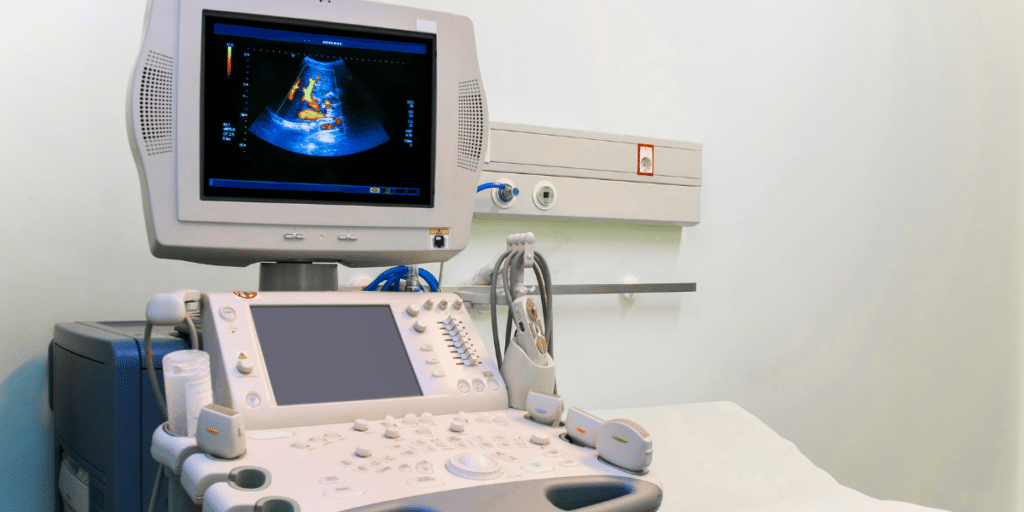
Ultrasound physics and instrumentation explain how the image is created

Ultrasound physics is one of the most technical parts of sonography education. Students learn how high-frequency sound travels through tissue, how echoes return to the transducer, and how the ultrasound system converts that information into an image.

Topics can include frequency, wavelength, reflection, attenuation, resolution, transducer selection, Doppler principles, and system controls. Instrumentation lessons connect those principles to the ultrasound machine.

A technically poor image can hide useful information. Sonographers need to understand which controls affect depth, gain, focus, frequency, and other image characteristics.

For students researching ultrasound technology courses, this is an important point to compare. Good training should connect physics to image quality and scanning decisions, rather than treating physics as a subject that exists only for an exam.

Clinical imaging subjects teach you what and how to scan

Clinical imaging subjects teach you what and how to scan

Specialty imaging courses take foundational science and apply it to specific body areas and clinical questions. This is where students begin to see how different examinations require different scanning approaches.

Subject Area What Students Study Why It Matters
Anatomy and Physiology Body structures, organs and normal function Helps students recognize normal anatomy during scanning
Pathophysiology How disease or injury affects the body Connects clinical conditions with imaging observations
Ultrasound Physics Sound waves, Doppler principles and image formation Supports image quality and equipment operation
Specialty Imaging Abdominal, obstetric, gynecologic, vascular and other imaging Builds examination-specific scanning knowledge
Patient Care Communication, privacy, positioning and safety Supports professional patient interactions
Scanning Labs Probe handling, controls and image acquisition Turns classroom knowledge into practical technique
Clinical Practicum Supervised experience in clinical settings Brings technical and patient-care skills together

Abdominal and small-parts sonography

Abdominal sonography can involve imaging organs such as the liver, gallbladder, kidneys, pancreas, and related structures. Small-parts sonography may include superficial structures that require careful transducer positioning and image optimization.

Students learn standard scanning planes, anatomical landmarks, measurement techniques, and how patient position can affect image acquisition.

Obstetrics and gynecology

Obstetric and gynecologic sonography focuses on the female pelvis and pregnancy-related imaging. Students may learn pelvic anatomy, fetal development, fetal measurements, and scanning approaches used across different stages of pregnancy.

This area also highlights patient care. Examinations can involve sensitive situations, discomfort, or anxiety, so professionalism, privacy, and communication matter.

Abdominal Vascular and Doppler Imaging

Abdominal vascular sonography uses ultrasound and Doppler techniques to examine blood ships, and assess blood flow in the abdomen. Students learn how vascular anatomy, Doppler principles, and scanning techniques contribute to producing useful diagnostic images.

This subject shows how the curriculum connects: anatomy identifies the vessel, physics explains the Doppler signal, and scanning practice teaches students how to obtain a useful waveform.

Pediatric and minor musculoskeletal sonography

The current Pharma-Medical program also identifies pediatric and minor musculoskeletal sonography among its training areas, exposing students to additional scanning situations and patient needs.

Students interested in a broader diagnostic medical sonography career can review the career guide for sonography in Ontario to see how education connects with potential work settings and professional requirements.

Patient care, communication, ethics, and safety are part of the curriculum

A diagnostic ultrasound appointment is a patient interaction, not simply an imaging task. That is why patient management and communication belong alongside technical subjects.

Students need to explain examinations appropriately, protect privacy, assist with positioning, and respond calmly when a patient is uncomfortable. Infection prevention, workplace safety, documentation, and ethical responsibilities may also be part of clinical preparation.

These skills are easy to underestimate when comparing diagnostic medical sonography programs in Ontario, yet they affect nearly every clinical encounter.

Scanning labs turn theory into repeatable technique

Scanning laboratories give students supervised time with ultrasound equipment before and alongside clinical placement. This is where probe handling, hand-eye coordination, body mechanics, image orientation, and machine controls begin to feel less abstract.

At first, students may focus on finding a structure and keeping the image steady. With practice, attention shifts to image quality, measurements, scanning sequence, and documentation.

This progression is one of the most important parts of medical sonography education. Knowledge needs repetition before it becomes a reliable clinical skill.

A practical point that students sometimes miss: scanning is physical work. Learning good ergonomics early can matter for shoulder, wrist, neck, and back comfort during repeated examinations.

Clinical practicum shows how the subjects work together

Clinical placement is where classroom knowledge, lab practice, communication, and professional behaviour meet. Pharma-Medical currently lists a 32-week clinical practicum in approved clinical settings as part of its program.

During supervised clinical experience, students can apply scanning protocols, work with patients, observe workflow, receive feedback, and build confidence under real clinical conditions. The deeper value is learning how to adapt when patients, time limits, and clinical questions vary.

Students exploring what the field looks like after school may also find the college’s guide to a diagnostic medical sonography career in Canada useful.

Considering a Career in Diagnostic Medical Sonography?

Ask our admissions team about program subjects, admission requirements and upcoming intakes.

Contact Us

How do these subjects prepare you for a sonography career?

The subjects work as a system. Anatomy without scanning practice stays theoretical. Scanning without physics can weaken image optimization, while technical skills without patient communication can make clinical work difficult.

A well-structured program therefore moves students from knowledge to application, with several subjects coming together during a single examination.

Some learners also become interested in related specialties after studying general sonography. Cardiac sonography, for example, focuses specifically on imaging the heart and is commonly offered as a separate training pathway. Students curious about that direction can read about diagnostic cardiac sonography careers.

What should you compare before choosing a sonography program?

What should you compare before choosing a sonography program

Course names alone do not show whether a program is a good fit. Compare how subjects are taught and how students move from theory into scanning practice. A useful review checklist includes program accreditation, admission requirements, laboratory access, clinical practicum structure, areas of sonography covered, instructor experience, and the certification pathways the curriculum is intended to support.

You can also review Pharma-Medical’s article on joining an accredited diagnostic medical sonography program in Toronto for another perspective on what to consider. Review the current sonography course requirements before applying, including academic prerequisites and any health, safety, or documentation requirements for clinical placement.

Start by understanding what you will actually learn

A Diagnostic Medical Sonography Program is built from several connected subjects, including anatomy and physiology, pathophysiology, ultrasound physics, instrumentation, specialty imaging, patient care, scanning labs, and clinical practice. Each subject develops a different part of the sonographer’s skill set.

If you are considering this career path, review the current program structure, admission details, clinical training, and areas of study before making a decision. To ask about Pharma-Medical’s program, upcoming intakes, or the application process, contact the college and speak with the admissions team.

Frequently Asked Questions About Diagnostic Medical Sonography

What subjects are taught in a Diagnostic Medical Sonography Program?

Common subjects include anatomy and physiology, pathophysiology, ultrasound physics and instrumentation, specialty imaging, patient care, scanning laboratories and clinical practicum training.

Is ultrasound physics an important part of sonography training?

Yes. Ultrasound physics helps students understand how sound waves produce images, how Doppler works and how machine settings affect image quality.

Does the Pharma-Medical sonography program include hands-on training?

Yes. The program combines classroom instruction, laboratory training and clinical experience, including a 32-week clinical practicum in approved clinical settings.

How long is the Diagnostic Medical Sonography Program at Pharma-Medical?

Pharma-Medical currently lists the Diagnostic Medical Sonography program as 100 weeks of instructor-led, full-time training and clinical practice, including a 32-week clinical practicum.

What areas of sonography are covered at Pharma-Medical?

The current program covers abdomen and small parts, gynecology, obstetrics, abdominal vascular imaging, minor musculoskeletal sonography and pediatric sonography.

What should I compare when choosing a sonography program in Ontario?

Compare accreditation, admission requirements, curriculum content, laboratory access, clinical practicum opportunities and the professional certification pathways the program is designed to support.


Connect with Us for Details on the Medical Lab Technician Programs

Diagnostic Medical Sonography Career In Ontario: Complete Career Guide

Diagnostic Medical Sonography Career In Ontario Complete Career Guide

A diagnostic medical sonography career can be a rewarding path for students interested in healthcare, technology, and patient care. In Ontario, becoming a sonographer requires the right education, practical training, certification, and professional registration before working in hospitals or diagnostic clinics.

This usually begins with a diagnostic medical sonography accrediting program, but can also begin with a clinical training program where one studies to take certification exams administered by Sonography Canada. On completion graduates will be able to enter the health care system in Ontario as professional sonographers.

Many students are interested in this field because it combines medical knowledge with advanced imaging technology. A sonographer plays an important role in helping physicians understand what is happening inside a patient’s body through ultrasound imaging.

Key Takeaway

A diagnostic medical sonography career requires proper education, clinical training, certification, and professional registration. Students who combine technical skills with patient communication can build successful careers in Ontario’s healthcare system.

A career in diagnostic medical sonography needs a combination of classroom learning, technical skill development, and patient interaction. Students who enjoy healthcare and working with technology often find this profession a strong fit.

What Does A Diagnostic Medical Sonographer Do?

What Does A Diagnostic Medical Sonographer Do

A diagnostic medical sonographer uses ultrasound equipment to create images of organs, tissues, and blood flow inside the body. These images help physicians diagnose and monitor different medical conditions.

The role involves much more than operating an ultrasound machine. Sonographers communicate with patients, explain procedures, position patients correctly, capture high-quality images, and document findings for medical review.

A typical day may include:

  • Preparing patients for ultrasound examinations
  • Reviewing medical information before procedures
  • Operating specialized imaging equipment
  • Adjusting imaging settings for accurate results
  • Recording observations and measurements
  • Working closely with physicians and healthcare teams

Students might not realize one thing: that this is a patient care profession. In addition to technical expertise, a sonographer is required to communicate with patients at times of stress, making the ability to communicate and show empathy essential.

Students exploring this field can also read more about a diagnostic medical sonography career in Canada to understand the broader opportunities available after graduation.

How Long Does It Take To Become A Sonographer In Ontario?

How Long Does It Take To Become A Sonographer In Ontario

Most students complete diagnostic medical sonography education in approximately three to four years. The timeline can vary hanging on the program structure, previous education, and clinical training requirements.

Most students follow one of these routes:

Option 1: Complete A Diagnostic Medical Sonography Program

The most direct pathway is completing a dedicated diagnostic medical sonography education program. These programs typically include:

  • Anatomy and physiology
  • Ultrasound physics
  • Patient care techniques
  • Imaging procedures
  • Clinical placement experience

Students spend time learning in classroom environments and practising scanning techniques in laboratory settings before completing supervised clinical training.

Programs usually take approximately three to four years, depending on the institution and credential structure.

Option 2: Build On An Existing Healthcare Background

Some students go into sonography directly following another healthcare related course. Having an allied health background can be beneficial in gaining knowledge prior to specialized ultrasound training.

This route may include:

  • Completing a healthcare diploma or degree
  • Gaining relevant clinical experience
  • Applying for a post-diploma sonography program

The best pathway depends on your previous education, career goals, and the admission requirements of the program you choose.

Pathway Duration Best For
Diagnostic Medical Sonography Program Approximately 3–4 years Students starting their healthcare education journey
Post-Diploma Sonography Route Approximately 1 year after previous healthcare studies Students with an existing healthcare background

Choosing The Right Diagnostic Medical Sonography Program In Ontario

Finding the right school is an important step for students planning a future in ultrasound imaging.

When comparing diagnostic medical sonography programs in Ontario, consider factors such as:

FactorWhy It Matters
AccreditationHelps ensure quality education standards
Clinical TrainingBuilds practical scanning experience
Equipment AccessImproves technical confidence
Certification PreparationSupports professional readiness
Student SupportHelps during training

Ontario students can explore available education options through recognized college resources and review program details before applying.

There should be opportunities for practicing scanning skills in realistic settings in a strong program. Hands-on experience is important because precise, confident and consistent technique are necessary to be a successful sonographer.

At Pharma-Medical College, students interested in healthcare careers can explore the diagnostic medical sonography program to learn about available training options.

Certification Requirements For Sonographers In Ontario

Certification Requirements For Sonographers In Ontario

Completing an education program is only one part of becoming a practicing sonographer. Graduates also need to complete professional certification requirements.

Sonography Canada Certification

Many graduates pursue certification through Sonography Canada. Eligible graduates can write national examinations to earn credentials such as the Canadian Registered Generalist Sonographer (CRGS).

Certification demonstrates that a sonographer has met professional standards related to knowledge, technical skills, and patient care.

Registration With CMRITO

In Ontario, sonographers must also meet the requirements of the College of Medical Radiation and Imaging Technologists of Ontario (CMRITO) to practise honestly.

Registration requirements help ensure healthcare professionals maintain proper standards while providing diagnostic imaging services.

Additional Professional Credentials

Some employers may also recognize additional credentials, including certificate via the American Registry for Diagnostic Medical Sonography (ARDMS), depending on the role and workplace requirements.

1

Complete Your Education

Enroll in an approved diagnostic medical sonography program that includes classroom learning, laboratory practice, and clinical placements.

2

Complete Certification Exams

Graduate eligibility allows students to pursue certification exams through recognized professional organizations such as Sonography Canada.

3

Register And Begin Practising

Meet Ontario registration requirements and apply for professional opportunities in hospitals, clinics, and healthcare facilities.

Job Opportunities For Sonographers In Ontario

After completing education and certification, graduates can explore different healthcare environments.

Sonographers commonly work in:

  • Hospitals
  • Private diagnostic imaging clinics
  • Medical centres
  • Specialized healthcare facilities

The demand for skilled ultrasound professionals remains strong because diagnostic imaging continues to be an important part of patient care.

A sonographer job Ontario search may include positions in areas such as:

  • General ultrasound
  • Obstetric and gynecological imaging
  • Cardiac sonography
  • Vascular imaging
  • Musculoskeletal ultrasound

Career opportunities can vary depending on certification, experience, location, and employer requirements.

Students can also explore how graduates build successful careers through real-world examples, including insights shared in Pharma-Medical College’s overview of diagnostic medical sonography as a promising career in Canada.

Salary Expectations For Diagnostic Medical Sonographers In Ontario

Salary Expectations For Diagnostic Medical Sonographers In Ontario

Salary can vary depending on experience, workplace setting, specialization, and location.

According to the career information outlined for Ontario opportunities, Salary ranges can vary depending on experience, specialization, employer, and location. Students should review current employment data and industry sources for updated information.

Factors that may influence earning potential include:

  • Years of experience
  • Additional certifications
  • Area of specialization
  • Employer type
  • Location within Ontario

For students planning a long-term healthcare career, sonography offers the opportunity to develop specialized skills while working in a growing medical field.

$36–$52+

Typical hourly wage range (CAD)

3–4 Years

Common education pathway length

Ontario

Career opportunities across healthcare settings

Skills That Help Students Succeed In Sonography

Successful sonographers usually develop a balance of technical knowledge and personal skills.

Important skills include:

Attention To Detail

Ultrasound imaging requires careful observation. Small differences in images can provide important information for healthcare providers.

Communication Skills

Sonographers interact with patients throughout the day. Clear explanations can help patients feel comfortable during examinations.

Technical Confidence

Working with ultrasound equipment requires practice and experience. Strong training helps students become comfortable with different scanning techniques.

Problem-Solving Ability

Every patient and examination can be different. Sonographers often need to adjust their approach based on patient needs and imaging challenges.

Is Diagnostic Medical Sonography A Good Career Choice In Ontario?

Is Diagnostic Medical Sonography A Good Career Choice In Ontario

For students interested in healthcare, technology, and direct patient interaction, diagnostic medical sonography can provide a meaningful career path.

The profession requires dedication during education and certification, but the skills gained can open opportunities in hospitals, clinics, and specialized healthcare settings.

Choosing the right education provider is an important first step. A quality program helps students develop the knowledge, practical skills, and confidence required to enter the healthcare workforce.

Students who want to learn more about training options, admissions, and career preparation can connect with Pharma-Medical College through the contact page to discuss their next steps.

Start Your Diagnostic Medical Sonography Journey

Learn about education options, career preparation, and training opportunities available through Pharma-Medical College.

Contact Us

Frequently Asked Questions About Diagnostic Medical Sonography Career In Ontario

1. How do I become a diagnostic medical sonographer in Ontario?

Ontario diagnostic medical sonographers qualified to perform diagnostic medical sonography typically undertake a post-secondary program in diagnostic medical sonography, have completed clinical training, passed certification exams, and fulfilled professional registration requirements.

2. How long does it take to complete diagnostic medical sonography education?

The length of most diagnostic medical sonography programs is about three to four years. It is a variable time interval depending on the program structure, institution and status of entry (through a previous healthcare education pathway).

3. Is certification required to work as a sonographer in Ontario?

Yes. The majority of sonographers need to be professionally certified and registered in Ontario prior to being allowed to practice professionally. Numerous professionals choose to become certified by a body like Sonography Canada.

4. Where can diagnostic medical sonographers work in Ontario?

Sonographers can work in different healthcare settings, including hospitals, private diagnostic imaging clinics, medical centres, and specialized healthcare facilities.

5. What skills are important for a successful sonography career?

Imaging technicians who are successful must have technical skills, problem solving, attention to detail, communication and comfortable patient care during imaging procedures.

6. What is the average salary for a sonographer in Ontario?

Salary depends on experience, specialization, workplace, and location. Based on the career information provided, sonographers in Ontario may typically earn around $36 to $52+ CAD per hour.

7. Why should students consider a diagnostic medical sonography career?

Diagnostic medical sonography offers students the opportunity to combine healthcare knowledge, advanced imaging technology, and patient interaction while building a career in a growing medical field.

Connect with Us for Details on the Medical Lab Technician Programs

Cardiac Sonography vs Diagnostic Medical Sonography: Key Differences, Career Paths & Salary Guide

Featured Image

The world of medical imaging is vast, but few roles are as vital or as rewarding as those in ultrasound. When exploring your options in healthcare education, you will likely encounter the debate of cardiac sonography vs diagnostic medical sonography. While both professions utilise high-frequency sound waves to create internal images of the body, they are distinct career paths with different clinical focuses, day-to-day responsibilities, and educational requirements.

Whether you are a prospective student in Ontario or a healthcare professional looking to specialise, understanding these nuances is essential. This guide explores the unique aspects of a cardiac sonography career compared with a diagnostic medical sonography career, helping you decide which path best aligns with your professional goals.

Understanding the Core Differences: Cardiac vs. Diagnostic Medical Sonography

To the general public, ultrasound is often associated primarily with pregnancy. However, in a professional medical context, diagnostic medical sonography is typically used as an “umbrella” term. It encompasses a wide range of imaging applications, from checking the health of an unborn fetus to examining the liver or kidneys.

In contrast, cardiac sonography is a specialised niche. It focuses exclusively on the cardiovascular system. While a general sonographer may be a “jack of all trades” regarding various organ systems, a cardiac sonographer is a specialist dedicated to the intricacies of the human heart.

What is Diagnostic Medical Sonography (DMS)?

Diagnostic medical sonography is a specialty within diagnostic medical imaging that uses non-invasive ultrasound technology to produce images of the body’s organs, tissues, and blood flow. It is a critical tool for physicians to diagnose and monitor a staggering variety of medical conditions. Practitioners in this field must have a deep understanding of anatomy throughout the torso, as they may be asked to scan anything from the thyroid gland to a musculoskeletal injury in a single shift.

What is Cardiac Sonography (Echocardiography)?

Cardiac sonography, also known as echocardiography, is the specialised practice of using ultrasound to evaluate the anatomy and physiology of the heart. These specialists focus on how the heart is structured and, more importantly, how it functions in real time. Because the heart is a constantly moving target, this role requires a high level of technical skill and a specialised understanding of hemodynamics (the way blood flows through the body).

Did You Know?

The first medical use of ultrasound was not for pregnancy, but for detecting gallstones and, later, for investigating the heart in the early 1950s.

Clinical Scope: What Will Your Daily Work Look Like?

Clinical Scope: What Will Your Daily Work Look Like?

These two professionals’ daily routines vary based on the “patient volume” and the specific structures they image. When comparing cardiac sonography vs diagnostic medical sonography, the clinical scope is perhaps the most visible difference.

Areas of Focus in Diagnostic Medical Sonography

A professional in a diagnostic medical sonography career usually handles “general” ultrasound. This includes:

  • Abdominal Imaging: Evaluating the liver, gallbladder, pancreas, and spleen.
  • Obstetrics and Gynaecology (OB/GYN): Monitoring fetal development and female reproductive health.
  • Small Parts: Imaging the thyroid, testes, or breasts.
  • Vascular Ultrasound: Checking for blood clots or blockages in the extremities.

Areas of Focus in Cardiac Sonography

In a career in cardiac sonography, the focus narrows but deepens. Daily tasks involve:

  • Heart Chambers and Valves: Measuring the size of the heart and ensuring valves open and close correctly.
  • Blood Flow Analysis: Using Doppler technology to track the velocity and direction of blood.
  • EKG Integration: Monitoring a patient’s heart rhythm simultaneously with the ultrasound image.
  • Stress Echoes: Imaging the heart while the patient exercises to assess how it performs under pressure.

Career Opportunities in Sonography: Comparing the Paths

Career Opportunities in Sonography: Comparing the Paths

Both fields offer robust career opportunities across Canada, especially as the ageing population requires more diagnostic screenings.

Diagnostic Medical Sonography Career Paths

Graduates often find that diagnostic medical sonography career offers high versatility. You might start as a generalist and later earn additional credentials in breast or vascular imaging. Because the scope is so broad, there is rarely a dull moment, as every patient presents a different anatomical puzzle.

Cardiac Sonography Career Paths

A career in cardiac sonography is ideal for those who want to be part of a specialized cardiac care team. You might work closely with cardiologists in specialized heart clinics or assist in surgical settings. There are also paths into pediatric echocardiography, focusing on congenital heart defects in newborns.

Typical Work Environments (Hospitals vs. Private Clinics)

  • Hospitals: Both types of sonographers work here. Hospitals usually handle higher-acuity cases, emergency room calls, and bedside scanning in the Intensive Care Unit (ICU).
  • Private Clinics: General diagnostic medical sonography is very common in community clinics. Cardiac sonographers also work in private clinics, though these are often specialized “Heart Centers” that focus solely on cardiovascular health.

Salary Guide: Which Specialization Pays More?

Salary is a big factor to consider when weighing cardiac sonography vs diagnostic medical sonography. Both are well paid in Ontario, but specialization tends to have a higher ceiling.

Role

Entry Level (Annual)

Mid-Senior Level (Annual)

Hourly Average (Ontario)

Diagnostic Medical Sonographer

$65,000 – $75,000

$85,000 – $100,000+

$34 – $48

Cardiac Sonographer

$70,000 – $80,000

$90,000 – $115,000+

$38 – $52

Entry-Level vs. Senior Salary Expectations

Initially, the pay gap between the two is narrow. However, because cardiac sonography is considered a high-level specialty, senior practitioners in cardiac labs or those with advanced certification in fetal echo often command the highest wages in the field.

Factors Influencing Sonographer Compensation

Several factors impact your earning potential in these career opportunities:

  1. Geographic Location: Major hubs like Toronto or Ottawa often offer higher rates to match the cost of living.
  2. Shift Differentials: Working evenings, weekends, or being “on call” in a hospital setting increases take-home pay.
  3. Certification: Being registered with Sonography Canada is mandatory for the best-paying positions.

Choosing the best sonography career path depends on your interests, lifestyle preferences, and long-term goals. Evaluate specialties, work environments, and growth opportunities to find the right fit.

Educational Requirements & Certification in Canada

Educational Requirements & Certification in Canada

To enter a diagnostic medical sonography career or its cardiac counterpart, you must complete a program at an accredited institution.

Sonography Canada Certification Requirements

Regardless of your chosen path, you must pass national certification exams. These exams ensure that you meet the high standards required to practice safely in Canada. For general ultrasound, you take the Core and General exams. For cardiac, you focus on the Cardiac specialization exams.

Choosing the Right Diploma Program at Pharma Medical College

Pharma Medical College offers comprehensive training designed to prepare students for these exact challenges. By choosing a focused diploma program, you gain the hands-on scanning hours necessary to feel confident during your clinical placements and eventual certification exams.

If you are wondering whether prior experience is needed before enrolling for Sonography Diploma, it’s important to understand the typical entry requirements and expectations for these programs.


Comparison of Diagnostic Medical Sonography vs. Cardiac Sonography Specializations

Feature

Diagnostic Medical Sonography

Cardiac Sonography

Primary Focus

Multiple organs (Liver, Pelvis, etc.)

The Heart and Great Vessels

Common Tools

2D/3D Ultrasound, Doppler

2D Echo, Colour Doppler, M-Mode

Patient Interaction

Brief to Moderate

Intensive (often involves 45-60 min scans)

Physical Demand

High (standing/reaching)

High (repetitive scanning motions)

Variety

Very High (different organs daily)

Focused (variations of heart pathology)

Which One is Right for You? (Comparison Checklist)

Still undecided? Use this checklist to see where your interests lie.

Choose Diagnostic Medical Sonography if:

  • You enjoy variety and want to see different parts of the body every day.
  • You are interested in prenatal care and women’s health.
  • You like the idea of working in diverse settings, from small clinics to large hospitals.

Choose Cardiac Sonography if:

  • You are fascinated by the physics of blood flow and the “mechanics” of the heart.
  • You prefer to become a master of one specific, complex organ system.
  • You enjoy a high-tech environment where you integrate ultrasound with EKG data.

Start Your Healthcare Journey at Pharma Medical College

Start Your Healthcare Journey at Pharma Medical College

The demand for skilled professionals is at an all-time high. Whether you choose a diagnostic medical sonography course for its versatility or a cardiac sonography course for its specialized nature, you are entering a field that saves lives every day. At Pharma Medical College, we provide the environment and expertise to turn your interest into a profession.

Choosing between cardiac sonography and diagnostic medical sonography is the first step toward a fulfilling future. Both paths offer excellent career opportunities and the chance to make a tangible difference in patient outcomes. Ready to take the next step? Explore our programs today and find your place in the future of healthcare.

Take the first step toward your healthcare career, apply today or contact us to learn more about our programs.