What Makes a Great Diagnostic Cardiac Sonography Program? Key Features to Look For

What Makes a Great Diagnostic Cardiac Sonography Program Key Features to Look For (1)

Think about beginning a profession that involves important patient data in each heartbeat that you look at. Choosing the best diagnostic cardiac sonography program in Canada is the first step in a rewarding career for aspiring medical professionals. There are many different healthcare programs in Canada, and it can be difficult to know which programs will help students to become certified and employed.

This article discusses the characteristics of an outstanding cardiac sonography program. Whether it’s accreditation, coursework, or practical labs, clinical rotations, and graduate success, you will be able to see how a program is comprehensive and career-focused. The program you select should help you get ready to take the RDCS/ARDMS exams and have the knowledge and talents to begin working as soon as you graduate.

Why Accreditation Matters in a Diagnostic Cardiac Sonography Program

Why Accreditation Matters in a Diagnostic Cardiac Sonography Program

Accreditation is one of the main elements to consider when making your choice of program for both professional credibility and exam eligibility. A program that is not accredited will not provide adequate laboratory or clinical exposure, nor teaching quality, and graduates will not be well prepared for the profession.

CAAHEP Accreditation – The Gold Standard

The CAAHEP (Commission on Accreditation of Allied Health Education Programs) sets tough standards for allied health programs, such as diagnostic cardiac sonography programs. Accredited programs offer organized instruction, qualified teachers and suitable labs and clinical facilities.

The proof of a CAAHEP-accredited program is that you’ve had a quality education that’s recognized all across Canada. Accreditation also helps to ensure that the course covers the content expected in the RDCS/ARDMS exam.

Board Exam Alignment

Programs that reflect the job requirements of the RDCS/ARDMS certification provide students with strong preparation for taking the registry exams. Students who have completed their education from an accredited program know the theoretical concepts and skills they need to pass the certificate exams, which helps them to achieve a higher pass rate on the first attempt. The alignment places students high in the employability scale in hospitals and specialized imaging centres, given their competence and confidence.

Building a Strong Foundation – Curriculum Essentials

The fundamentals of a quality echocardiography program are based on the curriculum. Every echocardiography program should teach students the knowledge and skills required to be an effective practitioner in the echocardiography field. A quality program teaches sonographic physics and science while demonstrating how to use ultrasound to evaluate how well a person’s heart works.

Physics and Instrumentation

Knowledge of the physics involved in ultrasound and how to operate machines is basic to cardiac sonography training. Wave propagation, tissue interactions, image formation and machine settings should all be included in training courses. With practice on actual ultrasound machines, sonographers can learn to operate equipment, solve problems on the go to generate appropriate images, and work in a number of different settings.

Specialized Cardiac Focus

Cardiac anatomy, hemodynamics and echocardiography should be addressed thoroughly within a program. The students should receive training on normal and abnormal cardiac structures, hemodynamics and congenital heart disease. Experience with both 2D and 3D imaging prepares the graduate to deal with complex situations, with diagnostic information they will have faith in. Students are prepared for the expectations placed on them by employers when they choose an area of focus within cardiac sonography.

Hands-On Scanning Labs – Developing Practical Skills

Hands-On Scanning Labs – Developing Practical Skills

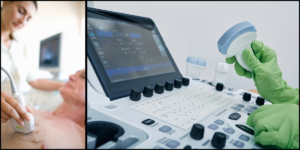
Practical experience will enhance confidence and competence. Excellent cardiac diagnostic sonography programs will use the simulation lab to allow students to move from the classroom environment to clinical reality.

State-of-the-Art Simulation Labs

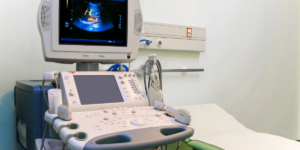
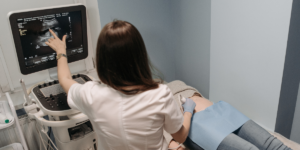
Simulation labs recreate actual cardiac conditions and enable students to repeatedly practice the procedure within a secure atmosphere. State-of-the-art ultrasound equipment, coupled with heart models, provides legitimate representations so that no one is subject to harm. Continuous practice allows you to enhance your level of accuracy and consistency, as well as your ability to accurately interpret complicated images.

Psychomotor Skill Development

Cardiac sonography involves accuracy and the development of motor coordination and precision in technique. Programs concentrate on designing learning activities using guidebooks, instructor-led feedback, etc., to have students develop these psychomotor skills. Once students become proficient in these skills through practice in the lab setting, they should have no difficulty continuing to apply the same skills when working with patients while on their clinical rotations.

Clinical Rotations – Real-World Experience

Clinical rotations provide essential exposure to professional healthcare settings, helping students apply theoretical knowledge to real patients. This experience is invaluable in preparing graduates for employment.

Structured Hospital Rotations

Quality programs coordinate with hospitals and clinics to provide structured rotations. Students learn with observation first and then eventually do scans on their own under supervision. A rotation often means hundreds of hours of patient contact and exposure to a wide variety of diseases and imaging needs. This encounter improves confidence and reaffirms practical abilities.

Competency Assessment and Mentorship

Students are assessed by trained sonographers who provide ongoing feedback. Mentorship helps to improve technical skills, fosters professional development and improves problem-solving skills. Strong mentorship networks in programs also help students connect with potential employers, increasing graduate job placement rates.

Graduate Outcomes and Career Support

Graduate Outcomes and Career Support

The success of graduates from a diagnostic cardiac sonography school is a reflection of the effectiveness of the curriculum. Programs with high exam success rates and planned career support provide real-world evidence of the value of their training.

High Pass Rates and Exam Success

RDCS/ARDMS exam prep programs ensure that students complete their professional certifications quickly. High pass rates show that the curriculum is relevant to exam requirements and that students have a good grasp of academic knowledge and practical abilities.

Career Placement and Employer Connections

Hospital affiliations, advisory boards, and networking opportunities for employment help are important in improving job placement. Graduates are offered career coaching and mentorship to help seek placements in hospitals, clinics, or imaging centres across Canada.

Choosing the Right Program – Decision-Making Checklist

Choosing the Right Program – Decision-Making Checklist

Prospective students should assess programs based on:

  • Accreditation status to confirm industry recognition and certification eligibility
  • Curriculum depth, covering both general and specialized cardiac sonography content
  • Hands-on labs and simulation experiences for skill development
  • Clinical rotations that provide real-world exposure and evaluation
  • Graduate outcomes, including certification success rates and employment support
  • Program facilities, resources, and accessibility

Evaluating programs against these criteria ensures that students make informed choices and invest effectively in their future careers.

Take the Next Step in Your Cardiac Sonography Career

Pharma Medical College has a top accredited diagnostic cardiac sonography curriculum with hands-on training and robust clinical rotations. Contact us today to learn more about enrollment, program requirements and how to begin your journey to being a certified cardiac sonographer in Canada.

Featured Snippet Opportunity:

“A great diagnostic cardiac sonography program combines CAAHEP accreditation, hands-on labs, and clinical rotations, ensuring eligibility for RDCS exams and a clear path to employment.”

Frequently Asked Questions

1: What prerequisites are required for a cardiac sonography program?

Most programs provide study in anatomy, physiology, and physics, and basic health care experience. Some may also reflect exposure to medical terminology and clinical observation.

2: How long does a diagnostic cardiac sonography program usually take?

Programs usually range from 12 to 24 months and combine classroom learning, hands-on labs, and clinical rotations. Part-time options may slightly extend the timeline.

3: What is the RDCS/ARDMS certification process?

Graduates must register with ARDMS, meet clinical experience requirements, and pass the RDCS exam. Certification demonstrates competency in diagnostic cardiac sonography and is recognized throughout Canada.

4: Can I work in Canada immediately after graduation?

Graduates of accredited programs with clinical experience are eligible for employment in hospitals, clinics, and diagnostic centers. Programs with strong employer connections can facilitate immediate job placement.

Connect with Us for Details on Pharmacy Assistant Course in Canada

How Hands-On Training Helps Students Succeed in Diagnostic Cardiac Sonography

How Hands-On Training Helps Students Succeed in Diagnostic Cardiac Sonography

Canada’s childcare field can be a meaningful place to build a career, especially if you enjoy helping young children learn, play, and feel safe. For many beginners, though, the first question is simple: where do you start?

Early childhood assistant jobs in Canada are often a practical entry point into childcare and early learning. These roles allow you to help educators, help children with daily routines, and gain hands-on knowledge in childcare centres, preschools, daycares & related settings.

This information describes early childhood aides, where they work, what skills employers want, income expectations, training alternatives, and how Pharma Medical Science College of Canada can help you prepare.

What are early childhood assistant jobs in Canada?

What are early childhood assistant jobs in Canada

Early childhood assistants support early childhood educators with newborns, toddlers, preschoolers, and school-aged children. They aid children’s physical, emotional, social, and intellectual growth.

Authentic childcare is dynamic and people-focused. One moment, you may help kids snack. You could be setting up a craft, reading a tale, teaching outdoor play, or helping a kid acclimatize to a classroom routine minutes later.

Children’s care and development are under the guidance of educators, with an assistant to children who provide education and care support, government figures indicate. They instill confidence in children through providing safe and engaging environments.

Early childhood assistant vs early childhood educator

An early childhood assistant helps the lead educator with classroom routines, supervision, activities, and child care. Early childhood educators may create programs, document development, guide curriculum & complete provincial certification requirements.

The exact requirements can vary by province, territory, and employer. That’s why beginners should always check local rules before applying for early childhood education assistant jobs.

Why consider a career as an early childhood assistant?

Why consider a career as an early childhood assistant

Childcare is personal work. It requires patience, energy, and care. It also gives you the chance to support children during some of their most important learning years.

There is also a practical reason to consider this path. The Government of Canada notes that early childhood educators and assistants are in demand across Canada, with over 100,000 new job openings expected by 2031.

This career may appeal to beginners because it offers:

  • A clear entry path into early childhood education
  • Workplaces in daycare, preschool, childcare, and kindergarten environments
  • Daily interaction with children and families
  • Room to grow into advanced childcare or education roles
  • A career that feels connected to community needs

Common early childhood assistant job duties

No two days are exactly the same in childcare. Still, most early childhood assistant jobs include a mix of care, supervision, classroom support, and communication.

Daily responsibilities

Typical duties may include:

  • Helping children during play, meals, rest, and transitions
  • Preparing learning materials and activity spaces
  • Assisting with songs, storytelling, crafts, games, and outdoor play
  • Supporting classroom routines set by the educator
  • Helping children practise sharing, listening, and social skills
  • Communicating with team members about children’s needs
  • Keeping the environment tidy, safe, and welcoming

Child safety and development support

Safeguarding is an important aspect of the role. The role of assistants includes monitoring children, implementing policies, reporting incidents, and fostering inclusive behaviour guidance.

They may also assess the ways children behave, move around, speak, play, and react to routines. This is because these observations are very important. They assist in understanding the development needs of individual children.

Where can early childhood assistants work in Canada?

Why consider a career as an early childhood assistant

Early childhood assistants can work in several child-focused settings. Common workplaces include:

  • Childcare centres
  • Daycare centres
  • Preschools
  • Nursery schools
  • Kindergarten classrooms
  • Home-based childcare settings
  • Child welfare or family support organizations
  • Agencies supporting children with special needs
  • Early childhood education service providers

Pharma Medical’s Early Childcare Assistant program also prepares students for roles such as daycare helper, preschool helper, early childhood program staff assistant & childcare worker assistant.

Early childhood assistant salary and job outlook in Canada

Salary depends on province, city, employer, experience & workplace type. A beginner in a small centre may earn differently from someone with experience in a larger urban childcare setting.

Average wages in Canada

Job Bank reports that early childhood educator assistants in Canada usually earn between $16.00 and $29.05 per hour.

Career factor  What beginners should know 
Wage range Usually $16.00 to $29.05 per hour in Canada
Higher earning potential May improve with experience, education, and certification
Job settings Daycare, preschool, childcare centres, schools, home childcare
Demand Strong need across many regions

Job demand and opportunities

Job Bank recently listed 660 jobs for early childhood educator assistants in Canada, showing active hiring across the country.

Demand is connected to family childcare needs, expanded childcare access, staff turnover, and the need for trained support in early learning environments.

Skills needed for early childhood assistant jobs

Training matters, but personality and attitude matter too. Childcare employers often look for people who are steady, warm, alert, and willing to learn.

Key skills employers look for

Useful skills include:

  • Patience and empathy
  • Clear communication
  • Creativity
  • Teamwork
  • Observation skills
  • Safety awareness
  • Basic child development knowledge
  • Comfort with routines and structure
  • Respect for diverse families and children
  • Ability to support inclusive classrooms

Good assistants notice details. An unusually quiet youngster. Attention-needed play area. A routine that overwhelms one learner. Those details can improve everyone’s day.

Education and training requirements for beginners

Education and training requirements for beginners

Beginners may qualify for some children assistant jobs, but training is important. Candidates who know child development, health and safety, behaviour guidance & classroom routines are preferred by employers.

Do you need an early childhood assistant diploma or certificate?

Requirements vary by employer and province. Some positions may ask for high school completion, childcare experience, first aid, background checks, or an early childhood assistant diploma or certificate.

A structured early childhood assistant program can help you feel prepared before stepping into a childcare environment.

How an early childhood assistant program helps

A good early childhood program gives students practical knowledge they can use at work. It can help you understand:

  • How young children develop
  • How to support safe play
  • How to communicate with families and educators
  • How to help with curriculum activities
  • How to support children with different needs
  • How to act professionally in childcare settings

About Pharma Medical’s Early Childcare Assistant program

About Pharma Medical’s Early Childcare Assistant program

Pharma Medical Science College of Canada suggests an Early Childcare Assistant program designed to help students prepare for entry-level childcare careers.

The program page describes instructor-led full-time training with co-op, including 36 weeks and 845 hours of learning. It also includes online learning and practical placement, with an 8-week practicum totalling 320 hours.

Program highlights

Students can expect:

  • Online early childhood education training
  • Practical placement experience
  • Child development learning
  • Health and safety training
  • Communication and child guidance topics
  • Curriculum and activity planning
  • Financial consultation, with aid options for those who qualify

What students learn

Early childhood development, communication with children and families, educational theory and philosophies, age-appropriate curriculum, inclusive classroom management, and program management principles are covered.

Past Pharma Medical student stories, including Leona Chen and Helen Cai, also highlight the value of supportive instructors and hands-on learning during the ECA journey.

Student Success Stories
Past Pharma Medical student stories, including Leona Chen and Helen Cai, also highlight the value of supportive instructors and hands-on learning during the ECA journey.

How to start your career in early childhood assistance

Here’s a practical path for beginners:

  1. Research early childhood assistant jobs in your province.
  2. Check employer & provincial requirements.
  3. Choose a relevant early childhood assistant program.
  4. Complete practical training or placement.
  5. Prepare your resume and references.
  6. Apply to childcare centres, preschools, daycares, and early learning employers.
  7. Keep learning if you want to move toward advanced early childhood education jobs.

Simple path. Real work. Strong purpose.

Career growth after early childhood assistant jobs

An assistant role can be the beginning of a longer career in childcare and education. With knowledge and further education, some people move toward:

  • Early childhood educator roles
  • Daycare supervisor positions
  • Preschool assistant or supervisor roles
  • Early childhood program staff positions
  • Home-based licensed childcare
  • Specialized childcare support
  • Further education in early childhood education

Your first role may help you understand which age group, setting, or career direction fits you best.

Is an early childhood assistant career right for you?

Is an early childhood assistant career right for you

This career may be a strong fit if you enjoy working with young children, can stay calm during busy moments, and like being part of a team.

Also, it’s helpful if you’re at ease with the activity. Childcare isn’t just a job at a desk. You might be sitting on the floor in story time, assisting in coat packing before outdoor play, painting up after an outdoor activity, or helping a child through a challenging time.

If that sounds meaningful rather than overwhelming, this path may be worth exploring.

Start your early childhood assistant career with Pharma Medical.

If you’re ready to prepare for early childhood assistant jobs in Canada, Pharma Medical Science College of Canada can help you take the next step.

Explore the Early Childcare Assistant Program, review the course details, and contact Pharma Medical for admission guidance, financial consultation, and upcoming class information.

Contact us todayreasons to choose early  to learn how Pharma Medical can help you prepare for a rewarding childcare career.

Frequently asked questions

What are early childhood assistant jobs in Canada?

They are childcare support roles where assistants help educators with classroom activities, routines, supervision, safety & children’s development.

How do I become an early childhood assistant in Canada?

Start by checking requirements in your province, complete relevant training, gain practical experience, and apply to childcare employers.

Do I need an early childhood assistant diploma?

It depends on the employer and province. A diploma or certificate can improve your confidence, job readiness, and understanding of childcare settings.

What is the salary for early childhood assistant jobs in Canada?

Job Bank reports that early childhood educator assistants usually earn between $16.00 and $29.05 per hour in Canada.

Where can early childhood assistants work?

They can work in daycares, childcare centres, preschools, nursery schools, kindergarten settings, home childcare, and child-focused agencies.

Is early childhood education a good career in Canada?

Yes, for people who enjoy working with children and want a stable, community-focused career. Government sources show strong demand across Canada.

What skills do employers want in early childhood assistants?

Employers often value patience, communication, creativity, teamwork, observation skills, safety awareness, and child development knowledge.

Does Pharma Medical offer an Early Childcare Assistant program?

Yes. Pharma Medical Science College of Canada offers an Early Childcare Assistant program with online learning and practical placement.

Connect with Us for Details on Pharmacy Assistant Course in Canada

Benefits of Studying Healthcare Programs in Canada

Feature Image

Canadian healthcare evolves, requiring more qualified workers. Hospitals, long-term care, and community clinics are busier and seeing more patients. Healthcare programs in Canada are appealing to students seeking purpose, structure, and long-term prospects.

However, many find themselves stuck at the start. Some people desire a stable career, but are unsure what type of healthcare career they are looking for. Others are already in a completely different line of work and are thinking about moving into some medical healthcare career that appears sensible and significant.

This brochure discusses the benefits of Canadian healthcare programs, the variety of healthcare careers, the skills employers want, and how Pharma Medical Science College of Canada can educate students.

Pro Tip
Students exploring healthcare education pathways can browse the college’s medical health programs here: Medical Health Programs

Why Healthcare Programs in Canada Are a Smart Career Choice

Why Healthcare Programs in Canada Are a Smart Career Choice

Canada’s healthcare sector continues to create opportunities across many specialties. That includes patient support, administration, diagnostics, rehabilitation, pharmacy support, and laboratory services.

Unlike some industries that shift dramatically with economic cycles, healthcare remains essential. People always need medical services, support staff, and trained professionals.

Growing Demand for Healthcare Professionals

As Canada’s population has been aging, demand has grown across healthcare systems. Hospitals, clinics, long-term care facilities & rehabilitation centres are still employing staff who are able to assist patients with care and with the day-to-day work of the facility.

That demand creates room for different personality types and career interests.

Some students prefer direct patient interaction. Others are more interested in technical work, diagnostics, or administrative healthcare roles. Healthcare programs can prepare students for all of those directions.

You’ll also notice something interesting about medical healthcare careers in Canada. Many roles allow graduates to work in different environments instead of being tied to one type of workplace.

For example:

  • A pharmacy assistant may work in retail pharmacies, hospitals, or community health settings.
  • A medical office administrator could work in family clinics, specialist offices, or healthcare centres.
  • A personal support worker may support clients in long-term care homes, rehabilitation centres, or private care environments.

That flexibility matters.

Career Stability and Long-Term Growth

There are a lot of students who take up healthcare as a career since it is a stable job. Careers in health care are frequently considered to have consistent demand and growth opportunities.

There’s also room to grow through additional certifications, hands-on experience, and specialization.

A student might begin in an entry-level healthcare support role and later expand into supervisory, technical, or advanced healthcare pathways. Practical experience becomes valuable quickly in healthcare settings.

Another factor people sometimes overlook is personal satisfaction. Many healthcare professionals appreciate being part of work that directly supports people during important moments in life.

Top Benefits of Studying Healthcare Programs in Canada

Top Benefits of Studying Healthcare Programs in Canada

Health education in Canada combines learning and practice. Theory isn’t just memorized for tests. They gain healthcare industry skills for daily use.

Practical, Career-Focused Training

One of the strongest benefits healthcare students mention is hands-on learning.

Career-focused healthcare programs typically include:

  • Medical terminology training
  • Practical lab work
  • Patient interaction scenarios
  • Administrative healthcare systems
  • Documentation procedures
  • Professional communication training
  • Safety and ethics practices

That practical exposure helps students feel more comfortable entering healthcare workplaces.

Medical health programs at Pharma Medical Science College of Canada emphasize not just theoretical knowledge but also hands-on expertise in the healthcare sector. Students are introduced to health care processes, patient support concepts and workplace expectations appropriate to their selected health care career.

Study Healthcare in Canada
Students considering a healthcare career pathway in Canada can also read: Want to Study a Medical Healthcare Course in Canada?

Wide Range of Healthcare Program Options

Healthcare isn’t one single career path. That’s actually one of the reasons many students choose this field.

Some people enjoy technical work. Others prefer organization and administration. Some are drawn toward direct patient care.

Pharma Medical Science College of Canada offers several healthcare-focused programs, including:

  • Medical Office Administration
  • Pharmacy Assistant
  • Medical Laboratory Technician
  • Personal Support Worker
  • Diagnostic Medical Sonography
  • Cardiac Sonography
  • Physiotherapist Assistant and Occupational Therapist Assistant
  • Registered Massage Therapy

Different programs suit different career goals.

For instance, students interested in healthcare administration may prefer Medical Office Administration, while someone interested in diagnostics & imaging could explore sonography pathways.

Skills That Employers Value

Healthcare employers look for technical ability, but soft skills matter too.

Strong communication, professionalism, teamwork, organization & patient interaction skills are important across medical healthcare settings.

Healthcare programs often help students develop:

  • Patient communication skills
  • Medical terminology knowledge
  • Time management
  • Documentation accuracy
  • Ethical awareness
  • Team collaboration
  • Professional workplace conduct

A technically skilled healthcare worker who communicates poorly may struggle in fast-paced healthcare environments. Employers know this.

That’s why practical training and workplace readiness are such important parts of healthcare education.

Entry Into Meaningful Healthcare Careers

Healthcare work often feels personal because it directly affects people’s well-being.

Patients learn medication instructions from pharmacy assistants. Sonography specialist for diagnostic imaging. Personal support workers provide daily care.

These roles contribute to healthcare systems in very real ways.

Many graduates appreciate that healthcare careers combine practical employment opportunities with work that feels purposeful.

Healthcare Program Options at Pharma Medical Science College of Canada

Healthcare Program Options at Pharma Medical Science College of Canada

Choosing the right healthcare program depends on your interests, strengths, and preferred work environment.

Medical Office Administration

Medical Office Administration programs prepare students for administrative healthcare environments.

Graduates may support:

  • Medical clinics
  • Specialist offices
  • Hospitals
  • Healthcare departments
  • Community medical centres

The role often includes scheduling, patient coordination, healthcare documentation & front-office medical support.

Explore medical health programs:

https://pharmamedical.ca/programs/medical-health/

Pharmacy Assistant

Pharmacy Assistant training programs acquaint students with the functioning of a pharmacy, protocols for medication handling, medical terminology, and customer service.

Organization and communication skills are important in the pharmacy environment, as it is fast-moving.

Pharmacy support roles can be an interesting option for students who are interested in healthcare careers that involve both technical skills and interaction with patients.

Medical Laboratory Technician

Medical laboratory environments focus heavily on diagnostics and technical accuracy.

Students interested in laboratory work may choose structured environments that involve testing procedures, specimen handling & healthcare support behind the scenes.

It’s a good option for detail-oriented individuals who enjoy technical processes.

Personal Support Worker

Personal Support Worker programs focus on patient assistance and supportive care.

PSWs often help individuals with:

  • Daily living support
  • Mobility assistance
  • Personal care
  • Emotional support
  • Community-based care

This path tends to attract compassionate students who prefer direct patient interaction.

Diagnostic and Cardiac Sonography

Sonography programs focus on imaging technologies used in healthcare diagnostics.

Diagnostic and cardiac sonography pathways can appeal to students interested in healthcare technology, anatomy, and imaging procedures.

Healthcare imaging roles require technical focus, communication skills, and attention to detail.

How Healthcare Programs Prepare Students for Medical Healthcare Careers

How Healthcare Programs Prepare Students for Medical Healthcare Careers

Healthcare education works best when theory and practice support each other.

Students need academic understanding, but they also need confidence in real-world healthcare situations.

Classroom Learning Plus Hands-On Practice

Healthcare programs often combine:

  • Classroom instruction
  • Practical simulations
  • Skills labs
  • Real healthcare scenarios
  • Applied learning exercises

Students learn professional expectations before joining healthcare jobs with this blend.

Some graduates feel hands-on experience is the most valuable element of training.

Professional Skills and Certification Readiness

Healthcare environments operate within professional standards & procedures.

Students learn workplace expectations, healthcare ethics, safety measures, documentation requirements & communication.

Requirements vary by role and province, so students should always review program details carefully.

Plan Your Program Costs
Cost-related planning is also important before choosing a program. Students can explore this guide: Cost of Medical Health Care Courses and Diplomas in Canada

Career Paths After Graduation

Healthcare graduates may pursue opportunities in:

  • Hospitals
  • Clinics
  • Pharmacies
  • Long-term care facilities
  • Medical offices
  • Rehabilitation centres
  • Community healthcare organizations
  • Diagnostic facilities

Career environments differ quite a bit depending on the role.

Some healthcare professionals work directly with patients throughout the day. Others focus more on technical procedures, coordination, or diagnostics.

Who Should Consider Studying Healthcare Programs?

Who Should Consider Studying Healthcare Programs

Healthcare education attracts students from many backgrounds.

Students Starting a Healthcare Career

Some students know early that they want to work in healthcare but aren’t interested in extremely long educational pathways.

Career-focused healthcare programs can provide structured training that prepares students for practical healthcare roles.

Career Changers

Healthcare programs are also common among adult learners changing industries.

People leaving retail, hospitality, administration, or physically demanding jobs often look for careers with clearer growth opportunities and stronger long-term demand.

Healthcare support roles can provide that transition.

Internationally Trained or Newcomer Students

Canadian healthcare serves different communities, and multilingual or globally experienced students may offer unique views.

Before enrolling, students should check the admissions, program, and certification requirements.

How to Choose the Right Healthcare Program in Canada

The optimal healthcare program depends on personal strengths, hobbies, and employment preferences.

Some pupils like patient care. Others like organized technical or administrative work.

Compare Career Goals, Program Length, and Learning Style

Program Type 

Best Fit For 

Potential Work Environment 

Administrative healthcare 

Organized communicators 

Clinics, hospitals, medical offices 

Patient-care support 

Compassionate, people-focused students 

Long-term care, community healthcare 

Diagnostic and technical healthcare 

Detail-oriented learners 

Labs, diagnostic centres, imaging clinics 

Rehabilitation support 

Students interested in therapy support 

Rehab centres, healthcare clinics 

Questions to Ask Before Enrolling

Before selecting a healthcare program, students should ask:

  • What type of healthcare environment interests me?
  • Does the program include practical training?
  • What skills will I develop?
  • What are the admission requirements?
  • What student support is available?
  • Does the learning style fit my strengths?

Sometimes students focus entirely on career titles and forget to think about daily work environments. That’s worth considering carefully.

Why Choose Pharma Medical Science College of Canada?

Why Choose Pharma Medical Science College of Canada

Pharma Medical Science College of Canada offers healthcare-focused education designed around practical learning & career preparation.

Students can explore programs connected to:

  • Patient care
  • Healthcare administration
  • Diagnostic imaging
  • Rehabilitation support
  • Pharmacy environments
  • Laboratory services

The college emphasizes hands-on healthcare learning, industry-relevant instruction & supportive educational pathways.

Start Your Healthcare Career Journey in Canada

Not sure which healthcare program is right for you?

Contact Pharma Medical Science College of Canada to speak with an advisor, explore healthcare program options, and learn which pathway may align with your career goals.

Contact the college here:

https://pharmamedical.ca/contact/

Frequently Asked Questions

What are the benefits of studying healthcare programs in Canada?

Healthcare programs in Canada can provide practical training, career-focused education, hands-on experience, and pathways into healthcare support careers. Many students also value the stability and long-term demand associated with healthcare professions.

What healthcare programs are available at Pharma Medical Science College of Canada?

Pharma Medical Science College of Canada offers healthcare-focused programs such as Medical Office Administration, Pharmacy Assistant, Medical Laboratory Technician, Personal Support Worker, Diagnostic Medical Sonography, Cardiac Sonography, Physiotherapist Assistant, Occupational Therapist Assistant, and Registered Massage Therapy.

Explore available programs here:

https://pharmamedical.ca/programs/medical-health/

Are healthcare programs in Canada good for career changers?

Yes. Many healthcare programs are practical and career-focused, making them suitable for adults transitioning from other industries into healthcare support roles.

What careers can I pursue after completing a healthcare program?

Graduates may pursue opportunities in hospitals, clinics, pharmacies, medical offices, long-term care facilities, rehabilitation centres, community healthcare organizations, and diagnostic environments.

How do I choose the best healthcare program for me?

Students should compare career interests, learning preferences, healthcare environments, program structure, and practical training opportunities before selecting a healthcare pathway.

Do healthcare programs include hands-on training?

Many healthcare programs include practical training components such as labs, simulations, or applied learning exercises. Students should review individual program details to understand specific training formats.

Connect with Us for Details on Healthcare Programs in Canada