Massage Therapy vs Acupuncture vs Pharmacy Assistant: Which Healthcare Career Truly Fits Your Personality and Strengths?

massage-therapy-vs-acupuncture-vs-pharmacy-assistant

Choosing a healthcare career can feel like standing at the beginning of an important journey. You may feel excited, curious, and perhaps slightly uncertain about which direction to take. If you are considering a massage therapy, acupuncture, or pharmacy assistant diploma program, it helps to picture what your daily life could look like in each role.

Across Canada, many students explore options such as a massage therapy diploma program in Canada, an acupuncture diploma program in Canada, or a pharmacy assistant course in Canada to build stable, meaningful careers. Each path serves patients differently. By understanding the work style, environment, and expectations tied to each program, you can choose a direction that feels natural and susta

The Role of Personality in Choosing a Healthcare Career

The Role of Personality in Choosing a Healthcare Career

Your personality shapes how you communicate, how you respond to stress, and how you feel at the end of a workday. Healthcare roles demand focus, responsibility, and compassion. Whether you are drawn to a massage therapy diploma program, an acupuncture diploma program in Canada, or a pharmacy assistant course in Canada, your natural strengths will influence how comfortable you feel in that environment.

Why Self-Awareness Matters More Than Job Titles

Job titles often sound impressive, yet the daily routine behind the title determines long-term satisfaction. Someone who enjoys hands-on interaction and physical activity may feel energized while completing a massage therapy diploma in Canada. A person who prefers organized systems and detailed processes may feel at ease in a pharmacy assistant program.

Taking time to reflect on your habits and preferences can prevent frustration later. A physically demanding career can feel draining if you prefer seated tasks. A structured pharmacy setting may feel limiting if you thrive on therapeutic interaction. When you evaluate your communication style, patience level, and physical stamina, you gain clarity about whether a massage therapy diploma program, an acupuncture diploma program, or a pharmacy assistant course in Canada aligns with your strengths.

Three Core Career Directions in Healthcare

Although all three options fall within healthcare, they focus on distinct areas of patient support.

  • A massage therapy diploma program prepares you for direct, physical treatment.
  • An acupuncture diploma program in Canada centers on holistic balance and energy-based care.
  • A pharmacy assistant program supports safe medication distribution and pharmacy operations.

Understanding these differences helps you imagine how you would spend your time and how you would interact with patients or healthcare professionals.

Career Path #1 – Registered Massage Therapist (RMT)
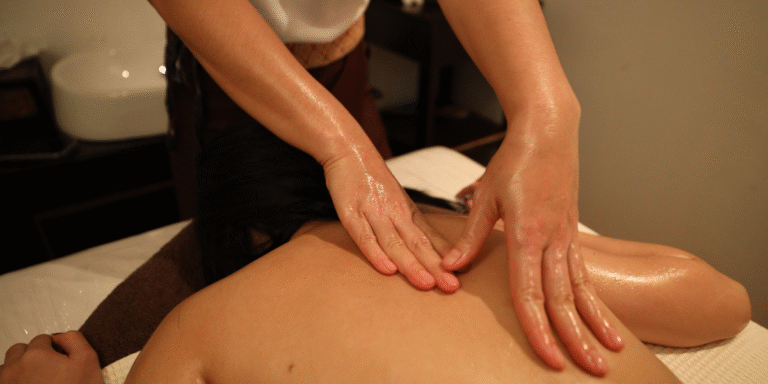
A career in massage therapy appeals to individuals who enjoy working closely with people and helping them feel relief through touch. Completing a massage therapy diploma program in Canada prepares you for a regulated profession in many provinces. The training combines scientific knowledge with practical skill.

The Personality Fit: Empathetic, Caring, Physically Resilient

Students who thrive in a massage therapy diploma program tend to be attentive listeners. They value connection and feel comfortable working in close physical proximity to clients. Emotional steadiness also plays a role, as clients often share personal experiences related to stress or pain.

This path often suits people who:

  • Enjoy one-on-one interaction
  • Feel comfortable using hands-on techniques
  • Have strong physical stamina
  • Maintain focus during extended sessions

A massage therapy diploma in Canada pathway includes significant hands-on training, so body awareness and strength matter throughout your career.

The Work: Immediate, Tangible Physical Healing

Before using some techniques, massage therapists check for muscle tension, posture, and range of motion. Many clients feel much better after a session, which can be very rewarding for practitioners.

Within a massage therapy diploma program, students learn:

  • Detailed anatomy and physiology
  • Musculoskeletal assessment techniques
  • Therapeutic massage methods
  • Professional standards and record keeping

Graduates of a massage therapy diploma program in Canada may work in rehabilitation clinics, wellness centers, sports facilities, or private practices.

Strengths & Skills Needed

Success in massage therapy requires both knowledge and physical control. A massage therapy diploma program helps students build a strong foundation for safe and effective treatment.

Important abilities include:

  • Understanding muscle function and joint movement
  • Practicing safe body mechanics
  • Managing appointment schedules efficiently
  • Communicating clearly with clients about treatment goals

Completing a recognized massage therapy diploma program in Canada is required in regulated provinces before practicing professionally.

Key Considerations

Massage therapy requires significant physical effort. If you don’t pay attention to your posture and take care of yourself, doing the same thing over and over will hurt you. Students who want to earn a massage therapy diploma should carefully consider their long-term health and how to work in a way that supports their well-being.

Career Path #2 – Acupuncturist

Acupuncture offers a calm and thoughtful approach to patient care. An acupuncture diploma program in Canada prepares students to assess energy flow and restore balance through carefully placed needles. This profession blends traditional healing philosophy with structured clinical training.

The Personality Fit: Investigative, Intellectual, Holistic

An acupuncture diploma program often attracts individuals who enjoy studying complex systems. They like connecting patterns and understanding how different parts of the body influence each other.

You may feel aligned with this path if you:

  • Appreciate detailed theory
  • Prefer quiet, focused work settings
  • Feel patient with gradual improvement
  • Enjoy continuous learning

An acupuncture diploma program in Canada requires dedication to both theory and supervised clinical practice.

The Work: Energy-Based and Holistic Treatment

Acupuncturists evaluate symptoms holistically and develop personalized treatment plans. Sessions involve inserting fine needles at specific points to stimulate natural healing responses.

During an acupuncture diploma program in Canada, students study:

  • Meridian pathways and diagnostic models
  • Safe and sterile needling practices
  • Patient assessment techniques
  • Complementary therapies such as cupping

Results often develop over multiple visits, which calls for steady communication and realistic treatment planning.

Strengths & Skills Needed

In an acupuncture diploma program, accuracy is very important. Practitioners must remain calm and focused when conveying holistic ideas in a way patients can understand.

Key skills include:

  • Analytical thinking
  • Attention to subtle physical signs
  • Steady hand coordination
  • Accurate documentation

Graduating from an accredited acupuncture diploma program in Canada supports professional credibility and compliance with provincial guidelines where required.

Key Considerations

The academic portion of an acupuncture diploma program in Canada can feel intensive. Students invest significant time in theory before practicing under supervision. Commitment to ongoing education remains important throughout a career in acupuncture.

Career Path #3 – Pharmacy Assistant

Pharmacy assistants contribute to patient safety by supporting pharmacists with prescription preparation and customer service. A pharmacy assistant program trains students for structured, detail-focused healthcare environments.

The Personality Fit: Meticulous, Organized, Service-Oriented

Students who excel in a pharmacy assistant course in Canada typically value routine and accuracy. They feel comfortable following procedures and staying attentive during busy shifts.

This career often suits individuals who:

  • Enjoy organized workflows
  • Communicate clearly with customers
  • Stay calm during high-traffic hours
  • Prefer predictable systems

A pharmacy assistant program emphasizes responsibility because accuracy directly affects patient well-being.

The Work: Precision and Medication Management

Pharmacy assistants process prescriptions, manage stock, label medications, and assist customers at the counter. The work requires consistent attention to detail.

A typical pharmacy assistant course in Canada includes training in:

  • Pharmacy software applications
  • Drug classifications and terminology
  • Inventory control procedures
  • Customer service communication

Graduates of a pharmacy assistant program often find employment in retail pharmacies, hospitals, and long-term care facilities.

Strengths & Skills Needed

Accuracy is the key to success in a pharmacy assistant course in Canada. Students learn to balance speed with careful review.

Essential abilities include:

  • Precise data entry
  • Strong organizational habits
  • Clear verbal communication
  • Efficient multitasking

Completing a recognized pharmacy assistant program strengthens confidence when entering professional settings.

Key Considerations

Pharmacy environments can feel busy, especially during peak hours. A pharmacy assistant course in Canada prepares students for shift schedules that may include evenings or weekends, depending on the workplace.

Comparing Physical Demands and Work Environments

Each profession has its own physical and emotional rhythm. Considering your preferred pace can help you decide between a massage therapy diploma in Canada, an acupuncture diploma program in Canada, and a pharmacy assistant program.

Massage therapy requires sustained physical activity throughout the day. An acupuncture diploma program involves focused precision with moderate physical movement. A pharmacy assistant course in Canada requires standing and steady workflow, with minimal physical strain.

Work environments also differ:

  • A massage therapy diploma program often prepares graduates for appointment-based clinical settings.
  • An acupuncture diploma program in Canada prepares graduates for calm treatment rooms.
  • A pharmacy assistant program usually prepares graduates for work in retail or hospital pharmacies, with ongoing customer interaction.

Matching your temperament to the environment can support long-term career satisfaction.

Education Pathways in Canada

Before enrolling, it helps to understand what each program involves. Training length, clinical hours, and regulatory standards vary between a massage therapy diploma program, an acupuncture diploma program in Canada, and a pharmacy assistant course in Canada.

Massage Therapy Diploma Canada

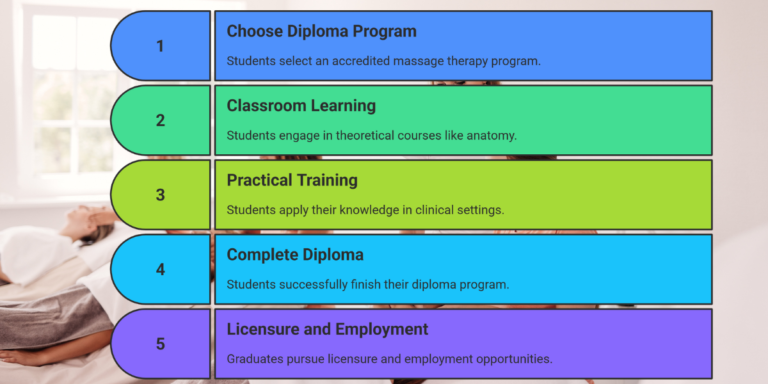
A massage therapy diploma in Canada pathway includes classroom study, anatomy training, and supervised clinical practice. Graduates in regulated provinces complete licensing requirements before practicing independently.

Acupuncture Diploma Program Canada

An acupuncture diploma program in Canada blends Traditional Chinese Medicine theory with modern safety standards and clinical internships. Students should review provincial regulations before beginning their studies.

Pharmacy Assistant Course in Canada

A pharmacy assistant course in Canada typically requires a shorter training period compared with therapeutic diploma programs. Students focus on practical pharmacy procedures and complete supervised practicums that prepare them for entry-level employment.

Each pathway offers a distinct educational experience shaped by professional expectations.

Start Your Healthcare Career Journey with Pharma-Medical Science College of Canada

Choosing the right institution can shape your confidence and readiness for professional life. At Pharma-Medical Science College of Canada, we provide career-focused training designed to prepare our students for real healthcare environments. Whether you plan to pursue a massage therapy diploma program, an acupuncture diploma program in Canada, or a pharmacy assistant program, we place hands-on education at the center of your learning experience.

Career-Focused Diploma Programs

In our massage therapy diploma program in Canada, we provide supervised clinical experience and a strong foundation in anatomy. In our acupuncture diploma program, we guide students through traditional theory while helping them build confident, practical treatment skills. Through our pharmacy assistant course in Canada, we train students in technical accuracy and professional customer service that reflects real pharmacy operations.

We structure our programs to connect theory with applied learning. This approach allows our students in the pharmacy assistant program or therapeutic diploma tracks to graduate with both competence and confidence.

Hands-On Learning Environments

Our dedicated labs and clinical spaces are designed to support skill development in realistic settings. In massage therapy, we supervise hands-on practice so students can refine their techniques safely. In acupuncture training, we provide guided instruction to build precision and confidence. Students enrolled in our pharmacy assistant course in Canada train in simulation environments that closely reflect retail and hospital pharmacy workflows.

Through our massage therapy and acupuncture diploma programs in Canada, we help students gain practical experience that aligns with workplace expectations.

Student Support and Career Preparation

We guide our students throughout their academic journey with accessible faculty and structured support. In our massage therapy diploma, acupuncture diploma program, and pharmacy assistant program, we prepare students for licensing requirements, certification pathways, and employment readiness.

From enrollment to graduation, we support students completing a pharmacy assistant course in Canada or a therapeutic diploma so they can step confidently into the workforce.

Conclusion

Healthcare offers meaningful ways to contribute to patient well-being. Choosing between a massage therapy diploma program, an acupuncture diploma program in Canada, and a pharmacy assistant program becomes easier when you understand your personality and preferred work style.

With thoughtful reflection and clear goals, you can select a path that feels natural and rewarding. Whether you pursue a massage therapy diploma in Canada, an acupuncture diploma program, or a pharmacy assistant course, your decision can lead to a stable and fulfilling professional future.

Ready to take the next step? Connect with Pharma-Medical Science College of Canada and explore how the right program can turn your goals into a practical career path. Speak with an admissions advisor, tour the campus, and start building your future in healthcare today.

Connect with Us for Details on the Medical Healthcare Training Program

How Long Does It Take to Complete a Registered Massage Therapist Program?

Feature Image

Interested in Becoming a Registered Massage Therapist? Here’s How Long It Really Takes

With demand for skilled healthcare professionals on the rise, more people are turning to massage therapy as a stable, rewarding, and in-demand career. Whether you’re drawn to wellness, rehabilitation, or hands-on care, becoming a Registered Massage Therapist (RMT) in Canada offers a clear and achievable path, especially if you’re exploring a massage therapist program in Ontario.

But how long does it take to become a registered massage therapist? What will you learn? And what are the career prospects after graduation?

In this comprehensive guide, we’ll walk you through everything you need to know—from how long it takes to become an RMT, to what’s involved in a registered massage therapist course in Ontario, and what kind of salary you can expect once you’re licensed. Whether you’re just starting out or looking to switch careers, this article will help you plan your journey with confidence and clarity.

What Is a Registered Massage Therapist and Why Choose This Career?

What Is a Registered Massage Therapist and Why Choose This Career

Massage therapy is officially recognized as a health profession in multiple Canadian provinces. Registered Massage Therapists (RMTs) are trained professionals who use manual techniques to assess and treat soft tissues and joints.

Choosing to become an RMT means entering a respected field that promotes wellness, rehabilitation, and stress relief. In Ontario, it’s mandatory for all registered massage therapists (RMTs) to be registered with the College of Massage Therapists of Ontario, which ensures that only those who complete an accredited massage therapist program and pass licensing exams can practice.

Are Massage Therapists in High Demand in Canada?

Canada has seen a rising demand for registered massage therapists, driven by growing awareness of preventative healthcare and natural treatments. With more people turning to massage therapy for pain management, stress relief, and recovery, the job market continues to expand.

According to labor projections, the healthcare and wellness sector, including massage therapy, is expected to experience steady growth. Graduates of a registered massage therapist course in Ontario can expect ample employment opportunities in both private and public healthcare systems.

Where Is the Highest Demand for a Massage Therapist?

Certain provinces, such as Ontario, British Columbia, and Alberta, have a particularly high demand for RMTs. Urban centers like Toronto and Vancouver offer more clinic-based opportunities, while rural areas often face a shortage of skilled practitioners.

Underserved communities are actively seeking RMTs to meet increasing healthcare needs, making relocation a strategic move for graduates looking to establish their careers quickly.

What Does a Registered Massage Therapist Actually Do?

What Does a Registered Massage Therapist Actually Do

The daily responsibilities of an RMT extend beyond giving relaxing massages. RMTs are healthcare professionals who work in clinical settings and treat specific medical conditions. They examine patients, formulate treatment plans, and follow up on outcomes to ensure the best results are achieved.

Types of Conditions RMTs Treat

RMTs in Canada are trained to address a wide range of issues, including:

  • Chronic pain (e.g., back pain, arthritis)
  • Postural imbalances
  • Sports injuries
  • Stress-related tension
  • Pregnancy-related discomfort

These conditions are often treated in conjunction with other therapies, and a good massage therapy career with the best program in Canada ensures that students are ready to handle such diverse needs.

Where RMTs Work

RMTs are employed in various environments, such as:

  • Multidisciplinary clinics
  • Physiotherapy and chiropractic centers
  • Spas and wellness retreats
  • Hospitals and long-term care facilities
  • Mobile or private practice

A comprehensive program helps students learn to be a massage therapist who can adapt to different workplace expectations and client demographics.

Collaboration with Other Healthcare Providers

Massage therapists often collaborate with professionals like physiotherapists, chiropractors, physicians, and nurses. This team-based approach helps deliver holistic care to patients, particularly in rehabilitation and chronic care settings.

Most accredited massage therapist programs in Ontario emphasize interdisciplinary communication to prepare students for these real-world scenarios and to learn soft tissue assessment and pain management effectively.

How Long Does It Take to Become an RMT in Canada?

How Long Does It Take to Become an RMT in Canada

A common question among prospective students is: How long does it take to become a massage therapist? The answer varies based on the province, type of program, and student commitment level.

In general, completing a registered massage therapist program in Canada takes between 2 to 3 years. Programs include both theoretical coursework and clinical experience.

Standard Diploma Programs

In Ontario, most standard diploma programs take approximately 2 years to complete. These programs include:

  • Academic theory (anatomy, pathology, physiology)
  • Hands-on techniques
  • Supervised clinical hours

By the end of the program, students are well-prepared for provincial certification exams and clinical practice, showing clearly how a massage therapy program can provide the skills and training needed to succeed.

Accelerated Massage Therapy Programs

There are colleges that offer quick programs, allowing you to complete your studies in 20 to 24 months. These are full-time, intensive programs designed for students who can dedicate themselves completely to their studies.

While the timeline is shorter, the coursework is just as rigorous, and students must be ready for a fast-paced learning environment.

Program Length Variability

The duration of a registered massage therapist course in Ontario can vary depending on:

  • Whether the student studies full-time or part-time
  • The number of required clinical hours
  • The format (in-person, hybrid, or online theory components)
  • Institution-specific curriculum design

It’s essential to research multiple schools to find a timeline that fits your needs.

Connect with Us for Details on the Massage Therapy Program in Canada

What Will You Learn in a Massage Therapy Program?

What Will You Learn in a Massage Therapy Program?

A well-rounded registered massage therapist program covers both foundational science and practical skill development. Here’s what students typically learn during each year of study.

What Do I Learn in My First Year of the Massage Therapy Course?

The first year focuses on foundational knowledge and basic hands-on skills. Students study:

  • Human anatomy and physiology
  • Musculoskeletal and nervous systems
  • Swedish massage techniques
  • Ethics, professionalism, and communication

This year lays the groundwork for more advanced clinical applications later on.

What Will I Learn in the Second Year?

In the second year, the curriculum becomes more advanced and clinically oriented. Students are introduced to:

  • Pathology and injury assessment
  • Therapeutic techniques and treatment planning
  • Case study analysis and documentation
  • Supervised clinical internships with real clients

These practical experiences are crucial for preparing students for the RMT licensing exams and real-world employment, helping them start their career as a licensed massage therapist with confidence.

When Can I Start the Massage Therapy Course?

When Can I Start the Massage Therapy Course?

Most massage therapist programs in Ontario offer multiple intake periods throughout the year, such as:

  • Fall (September) – Most common and highly attended
  • Winter (January) – Ideal for those finishing high school mid-year
  • Spring (May) – Less common but available at select institutions

Early application is advised, especially for international students who need to secure study permits and housing, and consider adding massage therapy training to their career plans.

Eligibility Requirements for a Registered Massage Therapist Program

Eligibility Requirements for a Registered Massage Therapist Program

To enroll in a registered massage therapist course in Ontario, students generally need to meet the following criteria:

  • High school diploma or equivalent
  • English language proficiency (for international students)
  • Strong academic background in biology or health sciences (preferred but not mandatory)

Be aware that a few programs might need you to complete a criminal background check or get medical clearance before you can participate in clinical work.

Can You Immigrate to Canada as a Massage Therapist?

Becoming a registered massage therapist is also an option for foreign-trained professionals who wish to immigrate to Canada through programs like Express Entry or Provincial Nominee Programs (PNPs). However, they must:

  • Have their credentials assessed by a recognized Canadian authority
  • Complete any required bridging or upgrading programs
  • Pass provincial licensing exams (e.g., CMTO in Ontario)

Taking a registered massage therapist program in Ontario can greatly ease this process and align credentials with Canadian standards.

Life After Graduation: Licensing, Career, and Compensation

Life After Graduation: Licensing, Career, and Compensation

Graduating from a massage therapist program is only the first step. To legally practice as an RMT in Ontario, you must pass the CMTO’s certification exams:

  • MCQ (Multiple Choice Questions) – Test theoretical knowledge
  • OSCE (Objective Structured Clinical Examination) – Evaluates practical skills

Many schools offer post-graduation support, including licensing prep courses and career counseling.

Wage Expectations for Registered Massage Therapists in Ontario

Compensation for RMTs varies based on location, experience, and specialization. On average:

  • Entry-level RMTs earn around $25–$35 per hour
  • Experienced RMTs may earn $40–$70 per hour
  • Independent practitioners can set their own rates, especially in private or mobile practices

City-by-city salary snapshot for Registered Massage Therapists (RMTs)

Wages can really differ based on where you live, the cost of living, and your job role, whether you’re employed in a clinic, operating independently, or working in specialized care. Here is a breakdown of minimum, average, and top-end earnings in different cities:

  • Vancouver, BC: $45/hr (starting) – $79/hr (average) – $95/hr (top tier)
  • Toronto, ON: $40/hr (starting) – $74/hr (average) – $90/hr (top tier)
  • Ottawa, ON: $38/hr (starting) – $71/hr (average) – $85/hr (top tier)
  • Surrey, BC: $37/hr (starting) – $68/hr (average) – $82/hr (top tier)
  • Brampton, ON: $35/hr (starting) – $63/hr (average) – $77/hr (top tier)
  • Mississauga, ON: $33/hr (starting) – $61/hr (average) – $75/hr (top tier)
  • Vaughan, ON: $32/hr (starting) – $59/hr (average) – $72/hr (top tier)
  • Edmonton, AB: $30/hr (starting) – $54/hr (average) – $68/hr (top tier)
  • Calgary, AB: $30/hr (starting) – $54/hr (average) – $68/hr (top tier)

Job roles and practice types that influence earnings:

  • Clinic-based RMTs (employees): Steady income, employer-covered overhead.
  • Independent Contractors: Typically earn higher per hour but manage their own bookings and expenses.
  • Mobile Therapists: Can charge premium rates for on-location services.
  • Specialists (e.g., sports or prenatal massage) often command higher fees based on expertise.

Wages scale with experience, specialization, and reputation. Urban centers offer higher income potential, while smaller cities provide affordable startup opportunities and steady demand.

How Many Hours Do Most Massage Therapists Work?

RMTs enjoy flexible scheduling options. While some work full-time (30–40 hours/week), others prefer part-time schedules to accommodate family or other commitments.

Self-employed RMTs have greater control over their hours and can often balance work with personal goals.

What Massage Makes the Most Money?

Certain specializations within massage therapy yield higher income potential, such as:

  • Sports massage
  • Deep tissue therapy
  • Prenatal and postnatal massage
  • Corporate wellness and mobile services

Graduates of a well-rounded registered massage therapist program are well-positioned to explore these niches and maximize their earnings.

Why Choose Pharma-Medical Science College of Canada for Your Massage Therapy Training?

Why Choose Pharma-Medical Science College of Canada for Your Massage Therapy Training?

At Pharma-Medical Science College of Canada, we offer one of the most comprehensive registered massage therapist programs in Ontario. Our instructor-led full-time program runs for 88 weeks and is designed to provide students with a strong base in both theoretical concepts and practical application.

A major component of the training includes 330 hours of supervised clinical practice at our on-campus massage clinic. This real-world experience ensures that graduates are confident and workplace-ready.

As a private career college registered under the Private Career Colleges Act, 2005, we support eligible students through financial aid programs such as OSAP, Second Career, OW/SA, WSIB, and ODSP. We also provide free financial consultations to help students understand their funding options. Financial aid may be available for those who qualify.

International students are welcome and benefit from tailored support as they transition into the Canadian healthcare system. With our experienced faculty and comprehensive career services, we guarantee that every student has the resources they need to excel as a Registered Massage Therapist in Ontario.

Final Thoughts and Next Steps

Becoming a Registered Massage Therapist in Ontario is a multi-step journey that typically takes 2 to 3 years to complete. From academic studies and hands-on practice to licensing exams and career preparation, each phase plays a key role in building your future in healthcare. Throughout this guide, we’ve covered what massage therapists do, where they work, what they learn in school, and how the job market supports this rewarding profession.

Whether you’re a local student or arriving from abroad, choosing the right registered massage therapist program is essential for aligning your education with your goals. Take the time to explore your options and make an informed choice that supports your future.

Ready to take the first step? Contact Pharma-Medical Science College of Canada today to learn more or speak with an admissions advisor. Your massage therapy career starts here.

Connect with Us for Details on the Massage Therapy Program in Canada

11 Things to Know About a Career in Massage Therapy

Feature Image

A career in massage therapy involves helping people manage pain, reduce stress, and recover from injuries through hands-on therapeutic techniques. Massage therapists play a key role in supporting clients’ physical and emotional wellness, contributing meaningfully to their overall health.

With rising demand across Canada’s healthcare, rehabilitation, and wellness sectors, trained professionals are needed more than ever. From hospitals to clinics and fitness centers, opportunities to become a massage therapist continue to grow.

This guide is for prospective students, recent graduates, and working adults exploring a new path, as well as parents and career advisors helping others make informed choices.

Here, we explore 11 essential things you should know before enrolling in a massage therapy diploma program or starting your journey through massage therapist training in Canada.

1. What a Massage Therapist Really Does

1. What a Massage Therapist Really Does

The daily work of a massage therapist includes applying various manual techniques, reviewing client histories, and creating treatment plans. A typical session involves assessing the client’s condition, targeting specific muscle groups, and adapting techniques to meet individual health goals.

A career in massage therapy can develop in many environments across Canada, such as wellness clinics, spas, hospitals, or working with sports teams. In each setting, therapists support clients in achieving better mobility, stress relief, and recovery.

People who become massage therapists are often drawn to the role’s hands-on nature and the fulfillment that comes from supporting others through healing and wellness.

2. Education Requirements Before Starting Massage Therapy Training

2. Education Requirements Before Starting Massage Therapy Training

Diagnostic and Clinical Programs

Before starting massage therapist training, applicants must have completed high school or an equivalent level of education. Although there are no mandatory pre-requisite courses, knowledge in biology, anatomy, or health sciences is very helpful.

Success in massage therapy diploma programs requires a strong work ethic and readiness for physical and academic challenges. You’ll be expected to learn detailed information about the human body and apply it during practical sessions.

Choosing to become a massage therapist means preparing for a profession that demands care, technical ability, and a commitment to lifelong learning.

3. Education and Program Duration

3. Education and Program Duration

Most students in Canada choose to complete a massage therapy diploma program at an accredited college. These programs usually last between 12 and 24 months and offer a combination of theory and practical training.

Classroom learning includes courses on anatomy, physiology, and pathology. Practical training takes place in supervised clinical environments. This format allows students to apply what they’ve learned in real-world situations.

Completing a massage therapy diploma is an important step toward licensure and employment. It provides the foundation for a stable and rewarding future; a massage therapy program can shape your career in healthcare.

4. What You’ll Learn in a Massage Therapy Diploma Program

4. What You'll Learn in a Massage Therapy Diploma Program

Students enrolled in a massage therapy diploma program will study subjects such as human anatomy, physiology, pathology, and clinical ethics. These core areas form the scientific and ethical base of the profession.

Training includes massage techniques such as Swedish massage, deep tissue therapy, and trigger point release. These methods are taught in both classroom settings and supervised clinics throughout Canada.

Massage therapist training also emphasizes communication skills, client interaction, and safety protocols to prepare graduates to work effectively and confidently as they become massage therapists. You’ll also learn soft tissue assessment and pain management, which are vital techniques for supporting clients’ recovery and overall wellness.

5. Licensure and Certification Requirements

5. Licensure and Certification Requirements

In Canada, completing a recognized massage therapy diploma is often required before applying for licensure. Each province has its own regulatory body and standards for licensing massage therapists.

Graduates must usually pass a certification exam to practice legally. For example, Ontario requires successful completion of the CMTO exam. In provinces without regulation, employers still prefer applicants who have completed a comprehensive massage therapy diploma program.

Licensure ensures that those pursuing a career in massage therapy meet professional and ethical standards. It is a vital part of the path to becoming a massage therapist in Canada. This step is a key part of your journey to becoming a registered massage therapist in Canada.

6. Essential Soft Skills for Massage Therapists

6. Essential Soft Skills for Massage Therapists

Beyond technical knowledge, soft skills play a major role in massage therapist training. Students learn how to build rapport, listen carefully, and create a professional atmosphere for clients.

Respect, confidentiality, and punctuality are key components of every successful practice. These traits are taught and reinforced throughout massage therapy diploma programs.

A career in massage therapy also calls for physical strength and body awareness. Proper posture and technique reduce the risk of strain and allow therapists to enjoy long, healthy careers.

Connect with Us for Details on the Massage Therapy Program in Canada

7. Career Paths in Massage Therapy

7. Career Paths in Massage Therapy

There are many directions a career in massage therapy can take in Canada. Professionals may work independently, in group practices, or as part of larger healthcare teams. Opportunities also exist in sports medicine, palliative care, and rehabilitation.

After completing a massage therapy diploma program, many therapists specialize in fields like prenatal massage, orthopedic techniques, or injury recovery. These specialties can enhance both job satisfaction and earnings.

Some practitioners who become massage therapists move into leadership roles, open clinics, or become educators within the field. The profession allows for career growth and development over time.

8. Salary Expectations and Job Outlook

Many wonder: how much does a massage therapist earn in Canada? Salaries can differ quite a bit depending on factors like experience, location, and the kind of job you have. Entry-level massage therapists usually earn around $40,000 annually, while seasoned professionals can make up to $80,000 or more, especially in private practice or specialized roles.

Here’s a breakdown of average salary ranges by major cities in Canada:

  • Toronto, ON: $48,000 – $85,000
  • Vancouver, BC: $46,000 – $82,000
  • Calgary, AB: $45,000 – $78,000
  • Montreal, QC: $42,000 – $70,000
  • Ottawa, ON: $44,000 – $76,000

Common job roles for massage therapy graduates include:

  • Registered Massage Therapist (RMT)
  • Sports Massage Therapist
  • Spa and Wellness Practitioner
  • Rehabilitation Assistant
  • Mobile Massage Therapist

As more Canadians seek preventative care and holistic health solutions, the demand for qualified massage therapists continues to grow nationwide.

9. The Physical and Emotional Demands of the Job

9. The Physical and Emotional Demands of the Job

Massage therapy can be a physically tough career. Therapists are often on their feet for much of the day and perform repetitive movements. Proper body mechanics and strength are important.

Emotionally, therapists need to be present and attentive to their clients’ needs. Supporting people through pain or recovery can be intense, making self-care an important part of the profession.

Good massage therapist training teaches strategies for managing these demands. Balancing professional responsibilities with personal wellness is essential for long-term success.

10. How to Choose the Right Massage Therapy Program

10. How to Choose the Right Massage Therapy Program

Why should you consider a massage therapy program? Choosing the right massage therapy diploma program in Canada involves research and planning. Start by confirming that the school is accredited and recognized by the relevant provincial authorities.

Look into instructor credentials, student reviews, graduation rates, and employment outcomes. Visit campuses if possible and talk to recent graduates.

A good program will combine classroom knowledge with clinical experience and offer support services to help you become a massage therapist and begin your career in massage therapy with confidence.

11. How Massage Therapy Fits into the Broader Healthcare Ecosystem

11. How Massage Therapy Fits into the Broader Healthcare Ecosystem

Massage therapy is increasingly accepted in Canada’s healthcare system. It complements treatments for chronic pain, injury rehabilitation, stress, and anxiety.

Many massage therapy diploma graduates work alongside physicians, physiotherapists, and chiropractors. This collaborative model improves outcomes for patients and increases the reach of massage therapy in clinical care.

Starting a career in massage therapy connects you to a network of professionals dedicated to holistic wellness. It is a respected and growing part of the healthcare landscape.

Why Study Massage Therapy at Pharma-Medical Science College of Canada

Why Study Massage Therapy at Pharma-Medical Science College of Canada

A career in massage therapy in Canada offers meaningful work and the chance to help others feel their best. With growing demand, now is an excellent time to consider entering the field.

Taking part in a reputable massage therapy diploma program helps you gain the skills, confidence, and credentials needed to succeed. Combined with strong, soft skills and dedication, your path to becoming a massage therapist can be both fulfilling and sustainable.

Pharma-Medical Science College of Canada provides hands-on education, experienced faculty, and career-focused support to help you thrive as a healthcare professional in Canada. If you’re excited to kick off your journey into the world of massage therapy, we encourage you to check out our program options and reach out to an advisor today!

Contact us and join our medical therapy diploma program today.

Conclusion

A career in massage therapy in Canada offers meaningful work and the chance to help others feel their best. With growing demand, now is an excellent time to consider entering the field.

Taking part in a reputable massage therapy diploma program helps you gain the skills, confidence, and credentials needed to succeed. Combined with strong, soft skills and dedication, your path to becoming a massage therapist can be both fulfilling and sustainable.

Pharma-Medical Science College of Canada provides hands-on education, experienced faculty, and career-focused support to help you thrive as a healthcare professional in Canada. If you’re excited to kick off your journey into the world of massage therapy, we encourage you to check out our program options and reach out to an advisor today!

Contact us and join our medical therapy diploma program today.

Connect with Us for Details on the Massage Therapy Program in Canada

Learn Soft Tissue Assessment, Pain Management & More in Our Massage Therapy Program

Featured Image

Selecting a career path is an important decision, and for those interested in health and wellness, massage therapy training in Toronto is an excellent choice. At Pharma Medical Science College of Canada, we provide a top-tier RMT program in Toronto, preparing students with the necessary skills required for a successful career. Our curriculum covers everything from soft tissue assessment and pain management techniques to hands-on therapeutic techniques that prepare students for real-world applications.

The healthcare industry is evolving, and massage therapy plays a key role in rehabilitation and wellness. Our program is more than the conventional approach, incorporating skills that are compatible with the demands of massage therapy courses in Toronto. By the time students complete the program, they are ready to contribute effectively to hospitals, wellness centers, rehabilitation clinics, and private practice. If you’re looking for massage therapy courses in Toronto that offer comprehensive training, this program is your perfect choice.

Why Choose Our Massage Therapy Training in Toronto?

A woman receiving a massage in a serene room, highlighting the focus on relaxation and therapeutic techniques.

Our massage therapy training in Toronto stands out because it is tailored to meet the needs of the industry while maintaining high educational standards. We provide a recognized, hands-on curriculum that ensures students develop expertise in massage therapy courses in Toronto. The practical approach allows students to build confidence in methods used for rehabilitation, relaxation, and clinical treatment.

One of the highlights of our program is the balanced approach between theoretical knowledge and practical experience. We focus on delivering real-world training, ensuring that students are well-prepared to enter the workforce. Additionally, students can complement their massage therapy education with skills from massage therapy training in Toronto, opening doors to broader career opportunities.

Our faculty consists of experienced instructors who provide individualized attention, guiding students through every aspect of the training. Whether you’re looking to work in wellness centers or rehabilitation facilities or pursue massage therapy courses in Toronto, our program is designed for success.

What’s the Best Part? Real-time clinical exposure helps our students gain the knowledge and confidence needed for a successful career in healthcare. Explore our guide on how a massage therapy program can shape your career in healthcare.

Mastering Soft Tissue Assessment: A Key Skill for RMTs

A woman teaches a group about the human body, focusing on soft tissue assessment for effective massage therapy.

Perhaps one of the most important skills our RMT program in Toronto teaches is soft tissue assessment. This technique enables massage therapists to assess for muscle imbalances, tension areas, and limitations in mobility so that a client-specific treatment plan can be made. Without proper assessment, a massage therapist may not provide effective relief for their clients.

Our curriculum ensures that students learn to conduct detailed soft tissue evaluations using various techniques such as palpation, range of motion tests, and postural analysis. By understanding the body’s structure, students can identify problem areas and apply appropriate massage techniques. These skills are essential for working in rehabilitation centers and wellness clinics.

Additionally, soft tissue assessment is crucial for addressing chronic pain, sports injuries, and postural dysfunctions. Many clients seek massage therapy training in Toronto for long-term pain relief, making this skill an essential component of professional practice. Our program ensures that graduates are well-prepared to handle a wide range of musculoskeletal issues.

Did You Know? A well-executed soft tissue assessment can prevent injuries and improve the effectiveness of massage therapy training. Check out our article on why you should become a registered massage therapist now.

Pain Management Techniques: Helping Clients Find Relief

A woman receiving a massage in a serene spa setting, promoting relaxation and pain relief through therapeutic techniques.

Pain management is one of the most in-demand services in massage therapy training in Toronto. Our massage therapy courses in Toronto train students in advanced pain management techniques, equipping them with the ability to help clients suffering from chronic pain, sports injuries, and post-surgical rehabilitation.

At Pharma Medical Science College of Canada, we emphasize hands-on training in techniques such as deep tissue massage, release of muscles, and trigger point therapy. These methods are highly effective in reducing pain, improving circulation, and restoring mobility. Graduates from our RMT program in Toronto are well-prepared to provide treatments in hospitals, clinics, wellness centers, and rehabilitation facilities.

The growing field also integrates pain management knowledge, as many therapeutic roles in healthcare require an understanding of therapeutic techniques. Students who complete our massage therapy training in Toronto gain a competitive edge, whether working in private practice or medical facilities.

Wondering How Massage Helps? Research shows that routine massage therapy can significantly reduce persistent pain and improve the quality of life for muscle and joint patients. Explore our guide on key steps to become a registered massage therapist.

Connect with Us for Details on the Massage Therapy Program

Hands-On Training in Our RMT Program in Toronto

A group of women receiving massages in a serene room, highlighting hands-on training in massage therapy.

One of the unique aspects of our massage therapy training in Toronto is the emphasis on hands-on experience. We believe that practical exposure is the key to mastering massage therapy courses in Toronto, and our program ensures that students gain access to modern facilities and supervised clinical practice.

Our students gain experience in a real-world setting, practicing with clients under the guidance of veteran professionals. This approach builds confidence and ensures that they are well-prepared for their careers. Additionally, we host guest lectures and workshops by industry leaders, allowing students to learn the latest techniques and best practices.

Hands-on training also prepares students for massage therapy training in Toronto, as many massage therapy clinics require skills alongside clinical expertise. Whether students plan to open their own practice or work in a medical setting, this integrated training is invaluable.

Want to Build Confidence? Our clinical training provides hands-on experience in real-world scenarios, helping students build confidence for their careers. Check out our article on why medical students should consider a massage therapy program in Toronto.

Career Opportunities After Completing Our Massage Therapy Program

A woman receives a massage from another woman, highlighting the practice of massage therapy in a wellness setting.

Graduates from our massage therapy training in Toronto have numerous career opportunities in healthcare, sports therapy, rehabilitation, and wellness. The demand for qualified massage therapists is growing, and our RMT program in Toronto ensures that students are well-equipped for success.

Massage therapists can work in hospitals, rehabilitation centers, private clinics, fitness facilities, and corporate wellness programs. Many also choose to start their own practice, offering specialized services to clients. Our massage therapy training in Toronto also prepares students for massage therapy jobs in Toronto, broadening their career prospects.

Additionally, students who wish to expand their knowledge can pursue massage therapy courses in Toronto, allowing them to work in clinical roles. This flexibility ensures long-term career growth and professional success.

Thinking About the Future? Massage therapy offers a recession-proof career with diverse opportunities across healthcare settings. Check out our article on the best massage therapy program in Toronto to learn more.

Why Choose Pharma Medical Science College of Canada?

A woman stands in front of a group in a classroom, engaging them in a discussion about massage therapy education.

Pharma Medical Science College of Canada is a leader in massage therapy courses in Toronto, offering an in-depth learning experience that includes theoretical knowledge along with hands-on training. Our seasoned trainers make sure the students get the best education in order to excel in the long run.

We offer flexible course schedules, making it easy for students to balance their studies with other commitments. Our nurturing learning environment guarantees each student receives personal attention and support. Whether you are looking to specialize in massage therapy or complement your education with massage therapy courses in Toronto, we have the right program for you.

Our RMT program in Toronto prepares students for licensing exams and career advancement. With a high success rate among our graduates, we are proud to be a trusted institution in healthcare education.

Want to Enroll? Our admissions team is here to help you start your journey—contact us today to learn more about our next intake!

Are you prepared to begin a fulfilling career in massage therapy training in Toronto? Learn more about our RMT program in Toronto and take the first step toward a successful future. Our admissions team is available to guide you through the process and answer any questions you may have.

Apply today! Visit Pharma Medical Science College of Canada to explore our massage therapy courses in Toronto and other healthcare programs!

Connect with Us for Details on the Massage Therapy Program

Don’t Miss Out: Explore Pharma-Medical College’s 2025 Class Schedule

Feature Image

Advancing your skills in healthcare and related industries is crucial for building a rewarding career. Whether you’re starting a new path or looking to enhance your expertise, selecting the right educational institution is essential. We at Pharma Medical Science College of Canada stand proud for delivering great quality education and support for diverse career options.

Our college is a trusted healthcare training leader, providing flexible scheduling and a student-focused approach while having campuses located in both Etobicoke and Toronto that ensure students get all the support and resources to reach excellence.

Why Choose Pharma-Medical Science College?

A group of doctors engaged in discussion around a table, collaborating on healthcare strategies and patient care solutions.

Comprehensive Program Variety

We have various programs that cater to all stages of careers. Whether you’re enrolling in the Personal Support Worker Program Toronto or the Advanced Esthetics Program, our courses prepare you for high-demand roles in the healthcare and wellness sectors. Programs like the Medical Office Administration Program and Pharmacy Assistant Program Toronto provide focused training that opens doors to meaningful careers.

Flexible Enrollment Options

Our continuous monthly intakes ensure you can begin your education when it suits you best. This flexibility is ideal for students balancing personal and professional responsibilities, whether they’re joining the Medical Laboratory Technician Program Toronto or the Personal Support Worker Program Etobicoke.

Convenient Locations

With campuses in Etobicoke and Toronto, accessibility is at the core of what we offer. From the Medical Esthetics Program Toronto to the Community Service Worker Program, you’ll find a supportive environment tailored to your success.

Key Programs and Start Dates in 2025

Healthcare Programs

Our healthcare programs are carefully designed to meet diverse interests and career aspirations to ensure that our students gain all the practical knowledge and skills they need to function effectively in healthcare.

Personal Support Worker Program: 

This program educates students in providing fundamental care and support to a person in all settings, ranging from long-term care facilities to private homes. The personal support worker program focuses on patient safety, effective communication, and hands-on care practices to ensure students are prepared for real-world challenges.

  • Start Dates: February 3, February 17

Medical Office Administration Program: 

Perfect for those aiming to support the administrative operations of healthcare settings, this program covers medical billing, scheduling, and patient record management. Graduates of the medical office administration program are highly sought after by clinics, hospitals, and private practices for their organization and attention to detail.

  • Start Date: February 3

Pharmacy Assistant Program Toronto:

Gain specialized skills to assist pharmacists with tasks such as dispensing medication, managing inventory, and providing exceptional customer service. This pharmacy assistant program blends theoretical and practical learning, preparing students for dynamic roles in retail pharmacies and healthcare facilities.

  • Start Date: February 17

Medical Laboratory Technician Program:

The Medical Laboratory Technician Program will feature major laboratory procedures, sample collection, and diagnostic testing, where students receive practical experience working under actual conditions in laboratories. Graduates of the Medical Laboratory Technician Program find rewarding careers in diagnostic labs, hospitals, and research institutions where their skills are in high demand.

  • Start Date: February 3

Nutrition, Food & Health Program:

Aimed at those passionate about promoting healthier lifestyles, Nutrition, Food & Health Program dives into nutrition science and dietary planning. Graduates are equipped to work in public health initiatives or community health programs, where they can make a meaningful difference.

  • Start Date: February 3

Food Safety & Quality Program (Evening Classes):

The Food Safety & Quality Program equips students with expertise in maintaining food safety and quality standards. This training encompasses essential areas in regulatory compliance and quality assurance that are critical to responsibilities in the food industries and public health sectors.

  • Start Date: February 3

Specialized Healthcare Training

A woman provides a therapeutic massage to a patient, showcasing specialized healthcare training in action.

Advanced programs at Pharma-Medical Science College of Canada provide in-depth training for students who wish to specialize in growing healthcare fields. Each program is formulated to provide the graduates with an absolute theoretical set of knowledge and hands-on experience in performing the work, which will culminate in a highly impactful career.

Diagnostic Medical Sonography Program:

Dive into the field of diagnostic imaging by learning to operate advanced ultrasound equipment and assist physicians in interpreting critical medical data. This diagnostic medical sonography program readies students for rewarding careers in hospitals, imaging centers, and diagnostic clinics, where their skills are indispensable for patients’ care and medical evaluations.

  • Start Date: April 7

Diagnostic Cardiac Sonography Program:

Focused on heart imaging and echocardiography techniques, this program trains students to specialize in cardiac diagnostics. From operating specialized equipment to analyzing heart health, the diagnostic cardiac sonography program is ideal for careers in cardiac units and cardiovascular diagnostic centers.

  • Start Date: March 3

Acupuncture Diploma Program:

The acupuncture Diploma Program brings together traditional Chinese medicine and modern healthcare applications and provides expertise in acupuncture techniques. Students gain skills to work in wellness centers, clinics, or private practices, making the acupuncture diploma program a holistic addition to healthcare services.

  • Start Date: March 22

Registered Massage Therapy:

The Registered Massage Therapy program provides training in therapeutic massage techniques, anatomy, and client care to address recovery and wellness. Graduates of Registered Massage Therapy excel in rehabilitation centers, wellness clinics, and independent practices. Building a career in patient care that lays foundations based on the improvement of people’s physical well-being is possible with the course.

  • Start Date: February 21

Connect with Us for Details on the Medical Healthcare Programs

Community and Early Childhood Support Programs

A diverse group of individuals in a room, proudly displaying cards, symbolizing community support and early childhood programs.

Prepare for careers with a meaningful impact on individuals and communities through our robust support programs. The programs provide the tools that allow students to support development and deliver services in a given field.

Early Childcare Assistant Program:

This program emphasizes the development of nurturing environments for children by focusing on communication, child development, and activity planning. Graduates of the early childcare assistant program are equipped to work in childcare centers, kindergartens, or private childcare settings.

  • Start Date: February 3

Community Service Worker Program:

Address social issues and connect individuals with essential services through this program. Trained through this community service worker program in advocacy, mental health support, and community outreach, students become crucial people in social services and community organizations.

Esthetics and Advanced Skills Training

A group of graduates seated at tables, celebrating their achievements in esthetics and advanced skills training.

The esthetics and beauty industry continues to thrive, offering numerous career opportunities for those with advanced training. Our programs combine theory and practical experience to ensure students stand out in this competitive field.

Advanced Esthetics Program:

Gain expertise in advanced skincare techniques, professional makeup artistry, and innovative beauty treatments. This advanced esthetics program is designed for individuals who aspire to work in high-end spas and salons or establish independent practices.

Medical Esthetics Program:

Specializes in non-invasive cosmetic treatments such as laser therapy, microdermabrasion, and chemical peels. The medical esthetics program provides hands-on training using the latest equipment, preparing students for careers in medical spas and clinics where healthcare and beauty intersect.

How to Enroll

A group of nurses engaged in discussion while seated around a table, fostering collaboration and teamwork.

The enrollment process at Pharma-Medical Science College of Canada is designed to be straightforward and accessible.

  1. Online Application: Visit our website to fill out the application form. Provide all required documentation for a smooth process.
  2. Campus Visits or Virtual Consultations: Schedule a visit to our Etobicoke or Toronto campus for a personalized tour. Virtual consultations are also available.
  3. Speak with an Advisor: Our advisors can guide you in selecting the right program, whether it’s the pharmacy assistant program or the personal support worker program.

Conclusion

Choosing the right education builds a fulfilling career. All our programs at Pharma-Medical Science College of Canada are relevant to preparing students for career success in the industries of health care, community support, and wellness. Whether you’re interested in the Medical Office Administration Program, the Advanced Esthetics Program, or the PSW, there is a program for you.

Don’t wait to take the next step. Look for our 2025 class schedule today and begin your way toward an exciting and fulfilling career.

Contact us now to learn more about programs like the community service worker program or medical laboratory technician program and secure your spot!

Connect with Us for Details on the Medical Healthcare Programs

Why Should You Become a Registered Massage Therapist Now

Feature Image

The importance of having a healthy lifestyle cannot be overemphasized now more than before. Stress, pain, and disease are some of the problems that are now being treated with non-surgical methods. Among these, it is convenient to note that massage therapy can have both instant and distant therapeutic effects.

Getting a registered massage therapist job provides a good chance to start a career in one of the rapidly growing professions. It is the best time to think about this occupation since it is promising and offers numerous types of jobs for newcomers.

Why Now is the Best Time to Start Your Journey

A woman provides a massage in a therapy room, highlighting the growing acceptance of massage as essential healthcare.

In recent years, mass therapy has been acknowledged as an important aspect of health care. A shift in the public perception: About 75 percent of adults believe massage should be considered a form of healthcare.

This is not only increasing the acceptance of massage therapy, but it is also bringing it into more and more integrated insurance-covered services. Significantly, this applies to those services that are attached to physical rehabilitation and chronic pain management.

Tip: Partnering with insurance providers or offering package deals for recurring clients can help create affordable options and build a consistent income stream. Learn more in our guide on becoming a Registered Massage Therapist.

Resilience of the Massage Therapy Market

The massage therapy market has shown resilience and adaptability, particularly in the post-pandemic era. As people place a higher value on self-care and mental well-being, the demand for stress relief services like massage therapy continues to grow.

The industry’s projected growth of 8.4% CAGR from 2024 to 2034 underscores the potential for new therapists entering the market. This period of growth presents a golden opportunity for aspiring RMTs to establish themselves.

Note: Stay updated with trends in wellness, such as mindfulness and stress management, to keep your services relevant and in demand.

Growing Demand for Registered Massage Therapists (RMTs)

The demand for registered massage therapists is on a significant upward trend, driven by the broader approval of massage therapy as an essential part of healthcare. The employment of massage therapists is expected to grow at a much higher rate than the average for all other occupations. 

As indicated by a study, employment is expected to rise 18% between 2023 and 2033. Such growth can be attributed to the enhancing demand for pain management as well as stress relief in a society that is becoming more conscious of the kind of food it takes than ever before.

The market for massage therapy is growing continuously, and the global market size is expected to be $65.23 billion in 2024 and that’s why it is a good time to start this business.

Tip: Focus on building a client base in underserved markets, such as rural areas, where access to holistic health services is limited. Explore more in our guide on the rising demand for Registered Massage Therapists in Canada.

Connect with Us for Details on the Massage Therapist Program

Impact of an Aging Population

Since the percentage of the aging population is a high figure, there is demand for treating chronic pain and restricted mobility. These health problems include the preservation of the flexibility of muscles and the controlling of diseases such as arthritis; it has also been established that in Canada alone, with an estimated 38,200 registered massage therapists, there is evidence that a significant number of those clients are elderly.

Population aging thus opens a steady demand base for any massage therapist interested in contracting services to elderly clients only.

Note: Consider taking additional training in geriatric massage to enhance your ability to serve this growing client base effectively.

Educational Pathways: How to Become an RMT

A woman stands before a group in a room, likely discussing massage therapy training and its essential components.

There are certain theoretical knowledge and practical skills that you become a registered massage therapist by completing a structured program. Courses in anatomy, physiology, and massage techniques are most often found in most programs.

Usually, these programs last 6 months to 2 years, even for deep study. Students must get hands-on registered massage therapist training as they practice and perfect their technique. A lot of states and provinces have specific rules on accreditation so the program you choose must comply with those.

Tip: Seek programs that include internships or practical placements, as real-world experience can provide a significant advantage in your healthcare career. Explore more in our guide on how a Massage Therapy Program can shape your career.

Licensing and Certification Requirements

Typically after completing a registered massage therapist course, the next step is to achieve a license. Some states and countries vary in requirements regarding licensing. Still, it sometimes includes passing the Massage and Bodywork Licensing Examination (MBLEx).​

In Canada, registered massage therapists are required by most provinces to submit to a rigorous certification process, thus assuring a high standard of practice. How to renew licenses, and especially continue education, is very important; needing to get new permits regularly and keeping up with what new technologies and techniques are being used.

Note: Keep track of your state’s or province’s continuing education requirements to avoid lapses in your license.

Pharma Medical Science College of Canada: Your Path to Excellence in Massage Therapy

A woman in a spa robe enjoys a cup of coffee, embodying relaxation and self-care in a serene environment.

At Pharma Medical Science College of Canada, we are committed to providing top-tier education for aspiring registered massage therapists. Our registered massage therapist program will help the students to prepare them to be professionals who will fit into the current job market.

We combine hands-on registered massage therapist training with a robust curriculum that covers anatomy, physiology, massage techniques, and more. High-tech equipment and facilities and experienced instructors are our commitment to ensuring you obtain excellent education to enable you to achieve your dreams of becoming a health care provider.

Graduates of our program are in great demand owing to their understanding of theories that support their practice. Whether you aim to work in a clinical setting or open your practice, Pharma Medical Science College provides the support and training you need to succeed.

Celebrate the achievements of our massage therapy students who passed the 2023 CMTO exam with flying colors! Check out our guide on their success stories.

RMT Salary Insights: What You Need to Know About Earnings in Canada

The salary of a registered massage therapist in Canada can vary significantly based on location, experience, and demand. Here’s an overview of average to maximum salaries for RMTs in different Canadian cities:

  • Toronto, Ontario: Average salary is approximately $36,700 per year, with experienced RMTs earning up to $57,200 annually.
  • Vancouver, British Columbia: In this high-demand market, RMTs can earn between $43,600 and $81,000 per year.
  • Calgary, Alberta: The average salary here is around $32,900, with top earners making up to $63,600 annually.
  • Edmonton, Alberta: Similar to Calgary, salaries range from $32,900 to around $63,000.
  • Quebec City, Quebec: Registered massage therapists here earn between $32,400 to $49,200.
  • Halifax, Nova Scotia: Average earnings are about $33,200, with a potential to reach up to $56,000.

These figures demonstrate that earnings as a registered massage therapist can vary widely, with opportunities to increase income through specialization or additional training. For RMTs looking to maximize their earning potential, cities like Vancouver and Toronto offer the highest upper ranges. 

Additionally, those who are self-employed may have more flexibility to set their rates, which can further enhance their income potential.

Tip: To enhance the income of the business, it is necessary to diversify the type of services that can be provided to potential clients.

Self-Employment Opportunities

Many massage therapists choose self-employment out of the desire to build their clientele and their business in general and as a more flexible lifestyle. Approximately 86% of massage therapists in Canada are self-employed, compared to an average of 15% for all occupations.

Being your boss comes with benefits, like setting your rates, but it also requires a knack for business management and client retention. A successful self-employment strategy is here as well, and creating a relationship through participating in health and wellness events can also be crucial for a self-employed person.

Note: Invest in a user-friendly online booking system to make scheduling easier for clients and to streamline your practice.

Conclusion

Becoming a registered massage therapist is an opportunity to make a meaningful difference in people’s lives. With the rising demand for massage therapy services, the rewarding nature of the work, and the flexibility it offers, now is the ideal time to embark on this path.

Whether you’re looking for a new career or seeking to enhance your skills in the health and wellness sector, the journey to becoming an RMT can be both professionally and personally fulfilling. Start your journey today, and take the first step toward a career where you can truly help others heal.

Are you thinking about becoming a registered massage therapist? Still, we encourage those interested to contact us for more information regarding the programs offered as well as how you can be assisted in the course of your career path.

Connect with Us for Details on the Massage Therapist Program

How a Massage Therapy Program Can Shape Your Career in Healthcare

Feature Image

The healthcare industry has increasingly embraced holistic and alternative therapies in recent years, with massage therapy playing a key role in this shift. Massage therapy is no longer seen as a luxury but an integral part of patient care. Massage therapists have become valued contributors in diverse healthcare settings as demand grows. 

Pharma Medical Science College of Canada’s massage therapy program equips students with the skills to thrive in this evolving field. This article will explore how our program offers essential training, creates career opportunities, and ensures a meaningful path in healthcare for those looking to become a massage therapist through a top massage therapy school.

Understanding the Role of Massage Therapy in Healthcare

A woman receiving a massage in a serene room, highlighting the importance of massage therapy in healthcare and wellness.

Massage Therapy as a Key Component in Healthcare

Massage therapy is increasingly recognized as a crucial aspect of patient care, particularly in pain management, rehabilitation, and overall wellness. Therapists work with patients recovering from injuries, surgeries, or chronic conditions to alleviate pain and improve mobility. 

By using various techniques, massage therapy helps to relax muscles and improve circulation, contributing to better recovery. It is often integrated with other treatments, such as physical therapy, offering a more holistic approach to healing. Those who wish to become massage therapists find that the skills learned in massage therapy schools in Canada prepare them for these roles.

Note: “Combining massage therapy with physical therapy can accelerate recovery and improve patient well-being. Check out our article on the Massage Therapy Program in Canada to learn more about this approach.”

The Evolving Healthcare Landscape

A woman in a black dress stands elegantly in a room, embodying grace and sophistication amidst a serene environment.

The shift towards preventive care and wellness has further highlighted the importance of massage therapy. With a focus on improving lifestyle and reducing the need for medication, many healthcare providers incorporate massage therapy into their treatment plans. 

As people become more health-conscious, the demand for services emphasizing natural healing continues to rise. Massage therapists, with their expertise in stress relief and muscle recovery, are central to this movement, helping patients maintain physical and mental well-being. Those attending massage therapy schools can directly contribute to this evolving field.

Tip: “Stay updated with current trends in holistic health to remain competitive as a massage therapist.”

How a Massage Therapy Program Prepares You for a Healthcare Career

A woman addresses a group in a room, emphasizing the importance of healthcare integration in massage therapy education.

Comprehensive Curriculum Focused on Healthcare Integration

Our massage therapy program covers essential subjects like anatomy, physiology, and pathology, laying a solid foundation for therapeutic practices. Understanding the body’s structure and response to different massage techniques is crucial for working in clinical environments. 

This knowledge allows our students to create customized treatment plans for their clients, ensuring the best possible outcomes. The scientific basis of massage therapy also helps them explain their methods to other healthcare professionals, facilitating collaborative care. Those interested in massage therapy courses in Toronto will find this aspect particularly beneficial.

Note: “For a massage therapy course in Canada focused on human physiology, check out our article on the Best Massage Therapy Program in Canada. Discover how this program prepares you to meet diverse client needs.”

Hands-On Clinical Training

A woman receives a massage from another woman, highlighting the practical training in massage therapy education.

Practical experience is key to mastering the art of massage therapy, and we ensure our students receive extensive clinical training. This hands-on experience allows them to practice their skills in real healthcare settings like hospitals, rehabilitation centers, and wellness clinics. 

Working with diverse patient populations helps students develop the confidence to succeed in their careers. They learn to apply their classroom knowledge to real-world scenarios through clinical rotations, building the expertise required to address complex patient needs. Our massage therapy course in Canada is designed with these practical experiences in mind.

Tip: “Seek out massage therapy schools in Canada with partnerships in local hospitals or clinics for a richer hands-on learning experience.”

Developing Interdisciplinary Skills

A woman receiving a massage in a serene room, highlighting the importance of holistic patient care in therapy.

Collaboration with other healthcare professionals is a significant part of a massage therapist’s role. At Pharma Medical Science College of Canada, we instruct our students in effective communication with doctors, PTs, and other experts to create all-inclusive treatment programs. 

This interdisciplinary approach is crucial for addressing patient needs holistically. Training also includes patient assessment and treatment planning, ensuring our graduates can adapt their methods to meet individual requirements. These skills are crucial for those who aim to become a massage therapist and want to work in clinical settings.

Note: “Strong communication skills are essential when collaborating with other healthcare professionals to deliver cohesive care.”

Certifications and Licensing

A woman in a spa uniform stands confidently before a massage table, ready to provide professional therapy services.

To practice as a massage therapist, students must pass national and provincial licensing exams, which test their theoretical knowledge and practical skills. Our massage therapy course in Canada ensures that students are well-prepared for these exams. 

Meeting all regulatory requirements is necessary not only for legal practice but also to assure clients of a therapist’s expertise. Completing the licensing process also opens up job opportunities in various healthcare settings, making our massage therapy school a top choice for aspiring professionals.

Tip: “Take advantage of study groups and practice exams offered by your massage therapy school to excel in your licensing tests.”

Career Opportunities in Healthcare for Massage Therapists

A woman in scrubs stands confidently before a lush green plant, symbolizing healing and care in medical settings.

Working in Medical and Rehabilitation Settings

Our massage therapy program graduates can find rewarding careers in hospitals, physiotherapy clinics, rehabilitation centers, and chiropractic offices. In these environments, massage therapists are critical in patient care, assisting those recovering from injuries or surgeries. 

Their work can help alleviate pain, increase mobility, and speed healing. The hands-on skills acquired during their training make them valuable assets in these clinical settings. Those who become massage therapists through our program are well-equipped for these roles.

Note: “Experience in rehabilitation settings can boost job prospects and expose massage therapists to diverse patient needs. Check out our guide on the key steps to becoming a Registered Massage Therapist for more insights.”

Specializations Within Healthcare

A woman receiving a relaxing massage in a serene hotel room, highlighting the benefits of specialized therapy.

Specialization allows massage therapists to focus on specific patient needs, such as sports massage, orthopedic massage, or prenatal therapy. Each specialization requires unique skills and understanding tailored to address particular conditions. 

For instance, sports massage therapists work closely with athletes to prevent injuries and improve performance, while prenatal massage therapists help expectant mothers manage discomfort. Pursuing specialization enhances expertise and opens up opportunities in niche healthcare markets. Massage therapy courses in Toronto offer diverse options for those looking to specialize.

Tip: “Consider pursuing a specialization through massage therapy courses Toronto to differentiate yourself in the job market and attract a specific clientele.”

Long-Term Career Growth

Asian woman smiling while holding a clipboard, representing professionalism in the massage therapy field.

Massage therapy offers numerous avenues for professional advancement. With experience, therapists can take on leadership roles, such as managing a clinic or supervising other therapists. Teaching opportunities are also available for those interested in educating the next generation of massage therapists.

Additionally, the field offers research and development opportunities, as therapists can collaborate with medical professionals to explore new therapeutic approaches. Graduates of our massage therapy school can pursue these advanced career paths.

Note: “Continuing education and networking are essential for massage therapists to stay current with industry advancements and unlock new opportunities. Check out our article on how massage therapy students excelled in the 2023 CMTO Exam to see the impact of ongoing learning.”

Connect with Us for Details on the Massage Therapy Program

The Impact of Massage Therapy on Patient Health and Well-being

A woman enjoys a relaxing massage in a serene spa, promoting healing and stress relief through therapeutic touch.

Enhancing Patient Outcomes

Massage therapy is widely acknowledged for its effectiveness in improving patient outcomes. It can reduce pain, improve mobility, and speed up recovery. By working with muscles and tissues, massage therapists help alleviate tension, which leads to better blood flow and reduced inflammation. 

This, in turn, aids in healing and rehabilitation. Moreover, the soothing nature of massage therapy also contributes to stress relief, which can be beneficial for patients dealing with anxiety and depression.

Tip: “Regular patient feedback can help refine techniques and enhance their overall experience.”

Preventive Healthcare and Wellness

A woman gently massages a baby, promoting relaxation and well-being through therapeutic touch.

Massage therapy aligns well with the growing trend of preventive healthcare, which focuses on maintaining health and preventing illness before it occurs. Regular massage sessions can help clients manage stress, avoid injuries, and maintain flexibility. 

For patients with chronic conditions, massage therapy can be an integral part of their long-term care plan, helping them manage symptoms and maintain a higher quality of life.

Note: “Encouraging clients to incorporate massage therapy into their wellness routines can help build long-term relationships and consistent appointments. Learn more about the Best Massage Therapy Program in Toronto for insights on how to excel in this field!”

Unlock Your Future with the Massage Therapy Program at Pharma Medical Science College of Canada

A woman receiving a massage in a serene room, highlighting the therapeutic environment of healthcare-focused massage therapy.

Industry-Leading Curriculum Tailored to Healthcare

Our massage therapy program is specifically designed to train students for careers in healthcare settings. With a curriculum that emphasizes the needs of healthcare-focused massage therapists, students receive specialized training that equips them for work in clinical and hospital environments.

Courses include advanced anatomy, therapeutic massage techniques, and patient care skills, which set our graduates apart in the job market. If you’re searching for massage therapy courses in Toronto or a massage therapy course in Canada, we provide the ideal path.

Tip: “Research program offerings to find massage therapy courses Toronto that align with your career goals and work preferences. Check out our guide on why medical students should consider a Massage Therapy Program in Toronto for more details.”

Experienced Faculty with Healthcare Expertise

A woman receives a massage in a serene room, highlighting the importance of professional mentorship in healthcare education.

Learning from instructors who have experience in both massage therapy and healthcare can be invaluable. At Pharma Medical, our faculty provides students with insights from their professional backgrounds. 

This mentorship helps students understand the challenges and opportunities they will face in their careers. Our faculty’s guidance ensures students are well-prepared to transition from the classroom to clinical practice.

Note: “Engage with faculty to gain deeper insights and build connections to assist in your career journey.”

Clinical Internship Opportunities

A woman provides a therapeutic massage on another woman's back, promoting relaxation and wellness.

We partner with local healthcare facilities to provide clinical internship opportunities. These placements allow students to apply their skills in real-world settings like hospitals, rehabilitation centers, and wellness clinics. 

Internships are critical to our program, allowing us to work with patients and acquire practical experience. Many students secure employment through the connections they build during these internships.

Tip: “Take full advantage of internship opportunities to network and gain hands-on experience.”

Student Support and Career Services

A woman receives a massage from another woman, promoting relaxation and wellness in a serene environment.

At Pharma Medical, we offer extensive support services from application to graduation, guiding students through every step of their education. Our career services team helps students with job placement, resume writing, and interview preparation, focusing on opportunities within the healthcare sector. 

Networking events and alumni connections provide valuable pathways into the industry, ensuring our graduates can find careers that align with their skills and interests.

Note: “Leverage career services to identify job openings that match your skills and aspirations.”

The Growing Demand for Massage Therapists in Healthcare

Job Market Outlook

The job market for licensed massage therapists is expanding rapidly, with a particular need in healthcare settings. With an increased focus on patient-centered care, hospitals, and clinics are looking for therapists who can complement their services. 

Industry projections indicate sustained growth in demand, especially as more patients seek alternative and holistic care options. Massage therapists with healthcare training have a competitive edge, making this a promising career path.

Tip: “Stay updated on industry trends to understand where the greatest demand for massage therapists exists.”

Meeting the Needs of an Aging Population

A group of massage therapists providing care to seniors in a room, highlighting the importance of therapy for aging individuals.

The aging population drives the rising demand for massage therapy in healthcare. As people age, they often experience chronic pain, reduced mobility, and other conditions that can benefit from massage therapy. 

Our massage therapists are vital in helping seniors maintain their independence and manage their health. Providing specialized care for older adults can also lead to job stability and fulfillment in the healthcare sector.

Note: “Focusing on geriatric massage therapy can create opportunities in assisted living facilities and senior care centers.”

Opportunities in Preventive Healthcare

A woman receives a massage from two therapists, highlighting the growing role of massage in wellness programs and stress relief.

Massage therapists are also finding new opportunities in corporate wellness programs and mental health clinics, where their skills are used to prevent health issues before they escalate. 

Companies increasingly offer massage therapy as part of their wellness initiatives to reduce employee stress and improve productivity. This shift towards preventive care aligns well with the expertise of massage therapists, making it an exciting time to enter the field.

Tip: “Explore opportunities to collaborate with wellness programs and corporate health initiatives to expand your career prospects. Check out our article on the top reasons to choose a Registered Massage Therapist career in Canada for more insights.”

Conclusion

Enrolling in our massage therapy program offers a structured path to a fulfilling career in healthcare. Our program equips students with the required skills and knowledge to grow in various healthcare environments, including hospitals and rehabilitation centers. The role of massage therapy in improving patient outcomes and contributing to preventive care highlights its growing importance in modern medicine. With the right training, massage therapists can find career stability and purpose.

For those passionate about making a difference in patients’ lives, our Massage Therapy Program at Pharma Medical Science College of Canada offers a valuable opportunity. It can act as a gateway to a fulfilling and highly sought-after profession. Aspiring massage therapists can embark on a journey that allows them to promote healing and wellness meaningfully.

Are you considering a career as a massage therapist? Apply for our Massage Therapy Program at Pharma Medical Science College of Canada today. Take the chance to join a program that prepares you for a successful healthcare career. Check our website for details on application deadlines and program start dates.

Visit our website to explore the program’s curriculum, meet our experienced faculty, and learn about the clinical training opportunities that can shape your career in massage therapy. Begin your path toward a fulfilling healthcare career today!

Connect with Us for Details on the Massage Therapy Program

Curious About Massage Therapy? Key Steps to Become a Registered Massage Therapist

Woman in green shirt standing in room.

In recent years, Canada has experienced a significant surge in demand for Registered Massage Therapists (RMTs), driven by an increasing recognition within the healthcare sector of the substantial benefits massage therapy offers. This therapy is now routinely included in comprehensive care plans, effectively addressing a range of issues from acute injuries to chronic pain and stress management. Concurrently, there has been a growing shift towards holistic health practices, with a broader societal trend favoring natural and sustainable health solutions. This movement underscores the importance of maintaining balance and wellness through non-invasive, preventive care, positioning massage therapy as a crucial component of holistic health regimes. As more people explore how to become massage therapist professionals in Canada, the field continues to expand, creating promising opportunities for those passionate about wellness and hands-on healing.

A woman sitting at a table with a bottle of lotion, ready to moisturize her skin and enjoy a moment of self-care.

This convergence of traditional and holistic healthcare approaches is reshaping Canada’s wellness and therapy landscape. As RMTs continue to gain recognition for their pivotal role in enhancing physical and mental health, their integration into healthcare is expected to deepen further, aligning with the public’s escalating preference for comprehensive and preventive healthcare solutions. This makes it a fascinating time for those entering the field of massage therapy as they find themselves at the forefront of a significant evolution in healthcare practices.

What is a Registered Massage Therapist?

A Registered Massage Therapist (RMT) is a healthcare professional trained in manipulating the body’s soft tissues, including muscles, connective tissues, tendons, ligaments, and joints. RMTs are certified by regulatory bodies within provinces in Canada, ensuring they meet stringent educational and professional standards. The primary goal of an RMT is to enhance health, aid in the healing process, reduce muscle tension and relieve pain.

Benefits of Pursuing a Career in Massage Therapy

Choosing a Registered Massage Therapist (RMT) career provides a unique combination of personal satisfaction and professional growth. The role offers significant flexibility, allowing RMTs to set their schedules, choose their work environments, and specialize in treating specific types of clients. This autonomy is enhanced by the stable demand for massage therapy, which grows as its health benefits become more widely recognized.

What sets RMTs apart is the abundance of opportunities for continual learning and skill enhancement. This not only elevates the quality of care they provide but also enhances their marketability and potential for career progression. The versatility of the profession, with RMTs working in diverse settings like spas, sports facilities, or clinical environments, ensures a vibrant and stimulating career path.

Connect with Us for Details on the Massage Therapy Program

Fulfillment from Enhancing Client Health and Well-being

The most gratifying aspect of being an RMT is the direct impact on clients’ health and well-being. Massage therapists play a pivotal role in their clients’ health regimes, often providing relief where other medical interventions may not have been fully effective. RMTs help clients manage chronic pain, recover from injuries, reduce stress, and improve overall physical function.

The personal interactions and the visible improvement in clients’ conditions foster a sense of accomplishment and emotional reward. Many therapists report a high level of job satisfaction due to the positive feedback they receive from their clients and the observable results of their treatments.

A couple happily stands in the sunlight, both wearing bright smiles on their faces.

The combination of these personal and professional benefits makes pursuing a career in massage therapy a fulfilling and viable option for many, promising a balanced and rewarding professional life.

Educational Pathway

Becoming a Registered Massage Therapist (RMT) in Canada involves a rigorous educational pathway to equip candidates with the necessary skills and knowledge for effective practice. The journey begins with enrolling in a recognized massage therapy program typically offered at accredited colleges or specialized colleges. These programs adhere to high standards to ensure that graduates are well-prepared to meet the profession’s demands.

These opportunities permit students to apply their academic knowledge in professional settings, tackle real-world problems, and interact with professionals in the field. This practical learning is crucial as it enhances understanding of the material, develops professional networks, and increases employability upon graduation.

Program Specifics: Duration, Coursework, and Clinical Practice Hours

The duration of massage therapy programs can vary, but most are structured as two-year diploma programs. These programs are comprehensive, covering a wide range of topics essential for a successful career in massage therapy:

  • Anatomy and Physiology: Understanding the human body’s structure and functions is foundational.

  • Pathology: Learning about diseases and injuries to better understand client conditions.

  • Massage Techniques: Instruction in various massage methods, including but not limited to Swedish, deep tissue, and sports massage.

  • Ethics and Professional Practice: Covering the legal and ethical responsibilities of being an RMT.

Clinical practice hours are a crucial part of the massage therapy curriculum, where students apply what they’ve learned in real-world settings under supervision. This hands-on training is essential for bridging the gap between theory and practice, helping students gain confidence and refine their skills. Completing these hours is not only required for certification but also crucial for ensuring that graduates can provide safe, effective, and ethical care to their clients.

Skills and Competencies Developed

Enrolling in a Registered Massage Therapist (RMT) program equips students with a broad set of skills that are crucial for their success in the field. These skills include:

  • Assessment Techniques: RMT students learn to conduct thorough assessments, including taking patient histories, performing physical evaluations, and understanding clients’ needs and health conditions. This ability to assess accurately is critical for developing effective treatment plans.
  • Treatment Planning Training: includes learning how to create tailored treatment plans based on the assessment findings. Students learn to consider various factors such as the client’s physical condition, stress levels, and personal health goals.

Importance of Interpersonal Communication and Professional Ethics

  • Interpersonal Communication: Effective communication skills are vital for RMTs. The ability to listen to and understand client concerns, and clearly explain treatment options and recommendations, enhances client trust and treatment efficacy. Good communication also includes non-verbal cues, which can be crucial in a therapeutic setting.
  • Professional Ethics: Ethical practice is fundamental in massage therapy. RMT programs emphasize the importance of maintaining professionalism, confidentiality, and consent in all interactions. Students learn about the ethical considerations and legal requirements relevant to their practice, ensuring they uphold the standards expected in healthcare.

Together, these skills not only prepare students to perform their roles competently but also help in building a sustainable and reputable practice. The blend of technical skills and soft skills ensures that RMTs are well-prepared to meet the diverse needs of their clients while adhering to the highest standards of professional conduct.

Clinical Experience

The clinical practice component of a Registered Massage Therapist (RMT) program is designed to provide students with hands-on, practical experience in a real-world setting. This part of the training is crucial as it bridges the gap between theoretical knowledge acquired through coursework and the practical skills needed for effective therapy.

Types of Settings and Experiences

Students in RMT programs can expect to gain experience in a variety of settings, which may include:

  • College Clinics: Many programs operate their own clinics where students get to work under supervision with real clients. These clinics often serve the public at reduced rates, providing a diverse range of client demographics and conditions.

  • Healthcare Facilities: Some programs have partnerships with hospitals, rehabilitation centers, or elderly care facilities, allowing students to experience a healthcare-focused environment.

  • Sports and Wellness Centers: For those interested in sports therapy, some clinical placements might occur in athletic centers where therapy is provided to athletes or individuals with active lifestyles.

  • Community Outreach Program: Occasionally, RMT programs involve students in community service, such as offering massage services at community events or to underserved populations.

Importance of Hands-on Learning in Real-World Environments

The clinical practice hours are not just a requirement for certification; they are a cornerstone of the educational process for massage therapists. Through this direct experience, students:

  • Apply Learned Techniques: Students practice and refine the massage techniques they have learned in a controlled, supervised environment, gaining confidence in their ability to administer treatments effectively.


  • Develop Professional Skills: Real-world settings help students develop soft skills such as communication, problem-solving, and adaptability. These are essential for success in any healthcare setting.
  • Understand Diverse Client Needs: Exposure to various client cases helps students understand a broad spectrum of physical conditions and wellness goals, enhancing their ability to customize treatments.

  • Receive FeedBack: Instructors and supervisors provide ongoing feedback, which is vital for improving technique and professional conduct.

This component of the RMT program is invaluable, as it ensures graduates are not only knowledgeable but also competent and confident in their skills before they enter the professional world. Hands-on clinical experience solidifies a student’s education and prepares them for the realities of working as a Registered Massage Therapist.

Career Opportunities

Registered Massage Therapist (RMT) program graduates have access to a diverse range of employment opportunities across various sectors, each offering unique benefits and environments. Rehabilitation clinics are ordinary workplaces for RMTs, where they play an essential role in helping patients recover from injuries and surgeries or manage chronic conditions. Sports centers and athletic facilities also offer substantial opportunities, as RMTs assist athletes in injury prevention, recovery, and performance enhancement. Additionally, wellness and spa centers are prevalent employment areas where RMTs provide relaxation and wellness treatments to help clients manage stress and maintain overall well-being.

Hospitals and broader healthcare facilities increasingly integrate RMTs into their patient care teams, working alongside other healthcare professionals to offer comprehensive care. Moreover, as corporate wellness programs become more popular, companies are beginning to employ RMTs to improve employee health and reduce workplace stress, presenting another avenue for professional practice.

Licensing and Certification

In massage therapy, certification and licensing are crucial components that ensure the professionalism and credibility of practitioners. Regulatory bodies are established at the provincial level in Canada, such as the College of Massage Therapists of Ontario (CMTO) or the College of Massage Therapists of British Columbia (CMTBC).

These organizations set the standards for practice, including educational requirements, professional conduct, and ongoing competency. They also protect the public by ensuring that only qualified therapists provide massage therapy services, which helps maintain the profession’s integrity and safety.

Significance in Practice

Obtaining licensure is significant as it legitimizes the therapist’s credentials and instills trust in clients and other healthcare professionals. It signals that the RMT adheres to high standards of practice and is committed to providing safe, effective, and ethical care. Furthermore, being a registered therapist often opens up more employment opportunities, as many healthcare providers and employers require this credential.

Navigating the path to becoming a licensed RMT involves dedication and a commitment to high standards of care, reflecting the therapist’s dedication to their profession and client’s well-being.

Continuing Education and Specializations

The field of massage therapy offers numerous opportunities for practitioners to enhance their skills and knowledge through continuing education and specialization. RMTs can choose to pursue advanced certifications in various areas such as sports massage, pediatric massage, or neuromuscular therapy. These specializations not only enable therapists to cater to specific client needs but also significantly enhance their marketability and professional development.

Spotlight on Pharma Medical Science College of Canada

A professional website for massage therapy services, showcasing relaxation and wellness offerings.

Pharma Medical Science College of Canada offers distinct advantages for students pursuing a career as a Registered Massage Therapist. One of the key benefits of the college is its commitment to providing a comprehensive educational experience that equips students with both the theoretical knowledge and practical skills necessary to excel in the field.

Unique Aspects of Their RMT Program

  • Faculty Expertise: The faculty at Pharma Medical College consists of experienced professionals who bring a wealth of knowledge and real-world experience to the classroom. Their expertise helps students gain a deep understanding of massage therapy techniques and their applications.

  • State-of-the-Art Facilities: The college boasts modern facilities that simulate real-world healthcare settings, providing students with the opportunity to learn and practice in environments that reflect current industry standards.

  • Track Record of Graduate Success: Pharma Medical College has a strong track record of graduate success, with many alumni going on to establish successful careers in various sectors of the healthcare industry. This success is a testament to the quality of education and training provided by the college.

The combination of expert faculty, advanced facilities, and a proven record of graduate success makes Pharma Medical Science College of Canada an excellent choice for students looking to pursue a career in massage therapy.

Conclusion: Embracing a Rewarding Career in Massage Therapy

As we have explored, the journey to becoming a Registered Massage Therapist (RMT) is filled with opportunities for personal growth, professional development, and meaningful interactions. The increasing demand for RMTs in Canada and the shift towards holistic health practices provide an encouraging landscape for those entering this field. RMTs play a pivotal role in enhancing their clients’ physical and mental health, contributing significantly to their well-being and quality of life.

The comprehensive educational pathways, including rigorous training and specialized courses offered at institutions like Pharma Medical Science College of Canada, equip aspiring therapists with the skills needed to succeed. Moreover, the potential for financial stability and career flexibility further enhances the appeal of this profession.

Now is the time to act for those inspired to embark on this fulfilling career path. Enroll in a recognized massage therapy program, like the one offered at Pharma Medical Science College of Canada, and take the first step towards a rewarding career that changes lives and offers continuous opportunities for professional growth and personal satisfaction.

Are you ready to start your journey as a Registered Massage Therapist? Enroll at Pharma Medical Science College of Canada today and take the first step towards a rewarding career. Visit our website or contact our admissions office now!

Connect with Us for Details on the Massage Therapy Program

What Does Our Diagnostic Medical Sonography Program Hold for New Students?

What Does Our Diagnostic Medical Sonography Program Hold for New Students - cover image

Undertaking a career in Diagnostic Medical Sonography is a journey into the heart of modern medical diagnostics. At Pharma Medical Science College of Canada, our program is meticulously designed to deliver comprehensive training that equips students with the knowledge and skills necessary to excel in this dynamic field. From understanding the foundational principles of ultrasound technology to mastering specialized imaging techniques, our curriculum blends rigorous academic coursework with hands-on experience. 

This ensures that our graduates are proficient in their technical abilities and prepared to make a significant impact in patient care. Join us to explore a career that offers high demand, competitive salaries & the opportunity to contribute meaningfully to the healthcare sector.

Understanding Diagnostic Medical Sonography

Before embarking on your journey into the world of Diagnostic Medical Sonography, it’s crucial to grasp the essence of this dynamic field. Diagnostic Medical Sonography, commonly called ultrasound, employs sound waves to build real-time images of the body’s internal structures. These images provide invaluable insights into the health and functioning of organs, tissues, and blood flow without invasive procedures. Its scope spans across medical specialties, aiding in diagnosing various conditions.

Importance and Role in Modern Healthcare

Importance and Role in Modern Healthcare

Diagnostic Medical Sonography stands at the forefront of innovation and patient-centric care in the ever-evolving healthcare landscape. Its non-ionizing nature and ability to produce high-resolution images in real time make it a preferred imaging modality for healthcare providers worldwide. Sonography minimizes patient discomfort, reduces healthcare costs, and expedites the diagnostic process by offering a non-invasive alternative to traditional diagnostic procedures.

Beyond its diagnostic capabilities, sonography is crucial in guiding interventional procedures, such as biopsies and fluid aspirations, with precision and accuracy. Additionally, it facilitates real-time monitoring of treatment responses, enabling healthcare providers to adjust therapeutic strategies promptly. With its versatility and wide-ranging applications, Diagnostic Medical Sonography continues to shape the future of healthcare delivery, driving advancements in clinical practice and improving patient outcomes.

Impact on Patient Diagnosis and Treatment

Diagnostic Medical Sonography significantly impacts patient diagnosis and treatment by providing detailed images for timely and accurate diagnoses. It aids in identifying fetal anomalies and cardiac diseases and monitoring disease progression non-invasively. Sonographers provide crucial data for personalized interventions, optimizing patient care. Sonography offers a holistic approach, ensuring accuracy, safety, and compassion in healthcare delivery, remaining indispensable in diagnostics.

The Anatomy of Our Program

Let’s delve into the inner workings of our Diagnostic Medical Sonography Program. Our program is meticulously structured to equip students with the knowledge and skills needed to excel in the field. Spanning over 100 Weeks, it combines rigorous academic coursework with hands-on training to ensure comprehensive learning.

The Anatomy of Our Program

Core Courses in Sonographic Principles

Let’s delve into the inner workings of our Diagnostic Medical Sonography Program. Our program is meticulously structured to equip students with the knowledge and skills needed to excel in the field. Spanning over 100 Weeks, it combines rigorous academic coursework with hands-on training to ensure comprehensive learning.

Specialized Training in Various Imaging Techniques

Our curriculum encompasses specialized training in a wide array of imaging techniques. From obstetric and gynecological sonography to abdominal and vascular imaging, students gain proficiency in performing various ultrasound examinations. This comprehensive training ensures they are well-prepared to meet the diverse requirements of patients across different medical specialties.

Clinical Internships and Experiential Learning Opportunities

Hands-on experience is paramount in our program. Students can acquire theoretical knowledge in real-world settings through clinical internships and experiential learning opportunities. Under the guidance of experienced sonographers and healthcare professionals, they hone their skills, develop clinical judgment, and cultivate professionalism.

Accreditation and Program Recognition

Our program holds accreditation from the Accreditation Body, ensuring it meets rigorous standards of quality & excellence. This accreditation validates our program’s integrity and enhances our graduates’ credibility in the eyes of employers and professional organizations. Additionally, our program has garnered recognition for its commitment to producing highly skilled and competent sonographers, further solidifying its reputation as a leader in the field.

The Advantages of Choosing Diagnostic Medical Sonography

Diagnostic Medical Sonography (DMS) is a dynamic and engaging field with numerous benefits, making it a compelling career choice for many. 

Here’s why choosing a career in diagnostic medical sonography can be highly rewarding:

High Demand and Growth in the Healthcare Sector

The healthcare industry is experiencing robust growth, and diagnostic medical sonographers are at the forefront of this expansion. With advances in medical technology & an aging population, the demand for diagnostic imaging is surging. This trend ensures that sonography professionals enjoy a stable and growing job market, making it a secure career path with longevity.

Competitive Salaries and Employment Opportunities

Sonographers enjoy competitive salaries that reflect the specialized skills they bring to the healthcare sector. These professionals are compensated well due to their technical expertise and high level of responsibility. Furthermore, abundant employment opportunities exist across various settings, including hospitals, private clinics, and specialized diagnostic centers, each offering unique career and salary prospects.

The salary for a Diagnostic Medical Sonographer in Canada varies depending on factors like location, experience, and the type of healthcare facility. On average, diagnostic medical sonographers can earn between CAD 60,000 and CAD 90,000 per year. Entry-level positions typically start around the lower end of this range, while experienced sonographers can earn toward the higher end, especially in larger cities or specialized medical settings. Some highly experienced sonographers or those in managerial roles might exceed this range, particularly in high-demand areas.

Flexibility and Potential for Career Advancement

A career in diagnostic medical sonography offers remarkable flexibility. Many sonographers work in settings that allow for varied schedules, providing a balance between personal life and professional commitments. Additionally, the field offers substantial opportunities for advancement. Sonographers can specialize in obstetrics, abdominal, vascular, or cardiac sonography, each opening new career paths and potential for further professional growth.

Sonographers: Vital Contributors to Advanced Patient Care and Diagnosis

Sonographers: Vital Contributors to Advanced Patient Care and Diagnosis

A career in diagnostic medical sonography places sonographers at the forefront of patient-centered healthcare. Using advanced ultrasound technology, they capture critical images that lead to the early detection and effective treatment of conditions ranging from cardiovascular diseases to prenatal abnormalities. Their expert analysis influences clinical decisions, shaping treatment plans that improve outcomes and save lives. The real-time insights sonography provides are essential in emergencies, surgeries, and disease management, establishing sonographers as crucial members of medical teams.

Becoming a sonographer means embracing a role filled with precision, compassion, and the potential to impact patient health profoundly. This career offers personal fulfillment from daily contributions to patient care and professional growth in a field that continues to evolve with medical advancements. Sonographers enjoy a visible, rewarding impact in healthcare, making it a compelling choice for those seeking a meaningful and dynamic profession.

A Glimpse into Student Life

Embarking on a journey to become a diagnostic medical sonographer is both exhilarating and enriching. 

Here’s a closer look at what student life entails in this dynamic field:

Faculty Expertise and Supportive Learning Environment

The faculty’s expertise is at the core of an exceptional educational experience. Students in diagnostic medical sonography programs benefit immensely from instructors who are experts in their fields and passionate about teaching. These programs foster a supportive learning environment where students are inspired to ask questions, seek help & engage deeply with the curriculum. This nurturing atmosphere helps students thrive academically and personally.

Hands-On Training in State-of-the-Art Facilities

Diagnostic medical sonography is an efficient field that requires hands-on experience. Educational institutions offering this program typically boast state-of-the-art facilities that simulate real-world medical settings. These facilities include the latest ultrasound technology and diagnostic tools, allowing students to hone their skills and become proficient with the equipment they will use professionally. This practical training is necessary for building confidence and competence.

Student Organizations and Extracurricular Opportunities

Student life in a diagnostic medical sonography program is vibrant and engaging, thanks to various student organizations and extracurricular opportunities. These groups allow students to connect with peers, explore interests, and engage in community service. Activities include sonography clubs, volunteer opportunities at local clinics, and professional workshops, enhancing the educational experience and building a sense of community among students.

Connect with Us for Details on the Diagnostic Medical Sonography Program.

Testimonials from Current Students

Hearing directly from current students offers valuable insights into the program and can help prospective students make informed decisions. Testimonials often highlight the quality of education, the supportive nature of faculty, and the comprehensive hands-on training. Current students may also share personal stories of growth, challenges they’ve overcome, and how the program has prepared them for their future careers. These firsthand accounts are inspiring and reflect the real-life impact of the educational journey in diagnostic medical sonography.

Through expert-led education, practical training, and a lively student community, those studying diagnostic medical sonography are well-prepared to enter the workforce as skilled, compassionate professionals ready to make a difference in the healthcare sector.

Resources and Support for New Students

Academic Advising and Student Services

New students can access comprehensive academic advising and services designed to help them navigate their educational journey. These resources guide course selection, career planning, and more, ensuring students feel supported at every step.

Financial Aid and Scholarship Opportunities

Understanding the financial elements of education is crucial. The program offers various financial aid options and scholarships to help mitigate education costs, making pursuing a career in diagnostic medical sonography more accessible.

Career Services and Job Placement Assistance

Career services are dedicated to helping students transition from education to employment. This includes resume building, interview preparation, and job placement assistance, which are critical in launching successful careers.

Mental Health and Wellness Resources

Acknowledging the stresses associated with intensive study, the program offers mental health and wellness resources to support students’ well-being and ensure they remain healthy and motivated throughout their studies.

Navigating the Admission Process

Application Requirements and Prerequisites

Prospective students must meet specific requirements and prerequisites, typically including coursework in sciences and a demonstration of technical aptitude. Detailed information is available to ensure applicants are well-prepared.

Application Deadlines and Important Dates

Staying informed of deadlines and important dates is crucial for a successful application. These dates include application submission deadlines, interviews, and orientation sessions.

Future Perspectives and Industry Trends

Diagnostic medical sonography is rapidly evolving, with ongoing advancements in ultrasound technology enhancing diagnostic precision and efficiency. Continual learning is crucial in sonography. The program encourages graduates to pursue further education and specializations, keeping pace with industry advancements and expanding their professional capabilities. The role of sonographers continues to evolve, with greater integration into multidisciplinary teams and growing responsibilities in patient care settings.

Discover Diagnostic Medical Sonography at Pharma Medical Science College of Canada

Pharma Medical Science College of Canada’s unique Diagnostic Medical Sonography program stands out. This exhaustive program is meticulously designed to catapult your career in healthcare. Nestled in a bustling medical community, our program seamlessly blends academic rigor with hands-on experience, equipping you for a gratifying journey in medical diagnostics and patient care.

Discover Diagnostic Medical Sonography at Pharma Medical Science College of Canada

State-of-the-Art Facilities & Expert Faculty

Our campus, a hub of advanced medical technologies and laboratories, serves as your training ground, ensuring you learn with the tools you’ll use professionally. Our esteemed faculty, with their wealth of experience, is dedicated to your success & provides personalized guidance and support, making your learning journey fruitful.

Comprehensive Support & Community Engagement

We offer robust student services, from academic advising to mental health resources, to help you excel academically and personally. We inspire prospective students to visit our campus and see how our community and programs can help them achieve their career goals. Visit our program page, Pharma Medical Diagnostic Medical Sonography Program, to learn more about our program and take the first step towards a rewarding healthcare career. Join us at Pharma Medical Science College of Canada, where your education leads to real-world impact.

Conclusion:

This program at the Pharma Medical Science College of Canada offers robust training, comprehensive support, and a clear pathway to a rewarding career in healthcare. It prepares students to excel as diagnostic medical sonographers. We encourage prospective students to reach out to our program advisors, visit our campus, and engage in discussions about their career aspirations and how this program can help fulfill them.

For more information or to begin your application process, please get in touch with the admissions office at the Pharma Medical Science College of Canada. We are eager to guide you on your journey to becoming a skilled diagnostic medical sonographer and look forward to welcoming you to our community. Join us to take the first step towards a fulfilling and impactful career in healthcare!

Connect with Us for Details on the Diagnostic Medical Sonography Program.

Why Medical Students Should Consider a Massage Therapy Program in Toronto

Cover Image

Toronto, a hub of medical innovation and cultural richness, provides a distinctive educational environment where advanced research and diverse health disciplines come together. This article explores the significant advantages a massage therapy program in Toronto can bring to medical education. It directly enhances clinical skills, leading to improved patient outcomes, and importantly, it fosters the well-being of healthcare practitioners.

Why should medical students in Toronto add a massage therapy program to their learning journey? By integrating massage therapy into their educational regimen, students enrich their experience and widen their care capabilities, delivering a more holistic approach to health and wellness.

The Value of Complementary Medicine in Modern Healthcare

The Value of Complementary Medicine in Modern Healthcare

Growing Trends: There has been a marked trend toward incorporating therapies such as massage into conventional medical treatments in recent years. More and more hospitals and healthcare clinics are embracing these practices, acknowledging their positive impact on patient recovery and general health.

Supporting Research: A wealth of research supports the efficacy of massage therapy. Notably, a study in the Journal of Clinical Psychiatry revealed that massage therapy considerably lessened the severity of depression among patients receiving treatment. This data robustly supports the inclusion of a massage therapy program in Toronto as part of a broader medical care strategy.

Core Benefits of Massage Therapy Training for Medical Students

Core Benefits of Massage Therapy Training for Medical Students

Enhanced Understanding of Anatomy: Unlike conventional lecture-driven educational methods, a massage therapy program in Toronto provides medical students with practical, hands-on experience that enriches their knowledge of human anatomy. Such experiential learning is particularly beneficial during clinical rotations, enhancing students’ ability to diagnose and treat patients with a more refined understanding of the body’s structure.

Improved Patient Communication Skills: Training in a massage therapy program in Toronto also develops a therapeutic touch essential for fostering patient trust and satisfaction. Often overlooked in traditional medical education, this skill is vital for establishing strong and effective relationships between patients and healthcare providers.

Self-care and Resilience Against Burnout: The demanding nature of medical studies and the profession overall leads to high rates of burnout. The Massage therapy Program in Toronto not only equips students to offer this form of relief to their future patients but also serves as a personal tool for stress management and self-care.

Integration and Opportunities in Toronto

Integration and Opportunities in Toronto

Local Educational Opportunities: Toronto hosts several accredited massage therapy programs renowned for their comprehensive curriculum and expert faculty. These programs are popular among medical students looking to broaden their clinical skills.

Curricular Synergies: Integrating massage therapy skills into a medical curriculum can enhance traditional medical training, offering students a more holistic approach to health care that is increasingly valued in the medical field.

Connect with Us for Details on the Massage Therapy Program in Toronto.

Career Advancement Through Dual Expertise

Career Advancement Through Dual Expertise

Job Market Insights: There is a growing demand in Toronto’s health sector for doctors equipped with non-traditional skills, including massage therapy. Healthcare settings, particularly those focused on rehabilitation and holistic care, highly value this dual expertise.

Potential Career Paths: Medical professionals trained in both fields can find rewarding careers in sports medicine, palliative care, or corporate wellness programs. Additionally, there are significant entrepreneurial opportunities, such as opening a holistic health clinic.

Economic Impact: Adding massage therapy credentials can also financially benefit medical professionals. In Toronto, massage therapists earn a competitive wage, and those with medical qualifications can command higher fees, enhancing their income potential significantly. Registered massage therapists typically earn between CAD $50,000 and CAD $80,000 annually, depending on their level of experience, location, and the type of practice they are involved in. On an hourly basis, massage therapists can earn between CAD 40 to $60 per hour. This rate can increase significantly if they provide specialized services or operate in high-demand areas.

Selecting the Right Program

Selecting the Right Program

Criteria for Selection: When choosing a massage therapy program, consider the accreditation status, faculty expertise, and peer reviews. These factors ensure the quality and relevance of the education you will receive.

Spotlight on Top Programs: Programs like those offered at Pharma Medical College are tailored for medical students, featuring advanced modules that integrate seamlessly with a medical curriculum and provide practical experience that is immediately applicable.

Why Choose Pharma Medical College for Your Massage Therapy Program?

Pharma Medical Science College of Canada is distinguished by its innovative approach to healthcare education. It seamlessly combines traditional medical training with complementary medicine modalities like massage therapy. This unique program is tailored specifically to meet the needs of medical students who aspire to broaden their therapeutic skills and enhance their professional versatility.

Why Choose Pharma Medical College for Your Massage Therapy Program

World-Class Faculty, Tailored Guidance

Experience unparalleled mentorship from our distinguished faculty, blending expertise in medical and massage therapy. Profit from personalized advice tailored to your unique learning style and career aspirations, ensuring you reach your fullest potential.

Innovative Curriculum, Real-World Application

Engage with a dynamic curriculum meticulously crafted to integrate massage therapy training into your medical education seamlessly. From hands-on techniques to theoretical foundations, our program equips you with the skills & knowledge essential for success in today’s healthcare landscape.

Immersive Learning Environment, Cutting-Edge Facilities

Immerse yourself in an exceptional learning environment equipped with state-of-the-art facilities and resources. Our campus provides the perfect setting for hands-on exploration and skill refinement, from dedicated massage therapy rooms to advanced simulation labs.

Immersive Learning Environment, Cutting-Edge Facilities

Compassionate Support, Student-Centered Approach

Experience unwavering support and guidance from our dedicated staff committed to your academic and personal well-being. Whether you need coursework assistance or career planning advice, our student-centered approach ensures you feel empowered and supported throughout your journey.

Industry Partnerships, Career Opportunities

Forge valuable connections through our comprehensive network of industry partners and gain access to exclusive career opportunities in Toronto’s thriving healthcare sector. From internships to job placements, we facilitate pathways to success, setting you up for a fulfilling healthcare career.

Industry Partnerships, Career Opportunities

Lifelong Connections, Professional Network

Join a vibrant alum community that shares your passion for healthcare and massage therapy in toronto. Tap into our extensive professional network for mentorship, collaboration, and ongoing professional development, fostering lifelong connections that enrich your career journey.

Invest in Yourself, Shape Your Future

Invest in your future with Pharma Medical College and essay on a transformative journey that combines your medical expertise with the healing art of massage therapy. Join us in shaping the future of healthcare and discover endless possibilities for personal & professional growth.

Conclusion

The integration of massage therapy into medical education not only enriches learning but also prepares students for a more holistic practice. As healthcare continues to develop, the fusion of traditional and complementary medicine will likely become more prevalent, making now an ideal time for medical students to embrace these opportunities.

Are you a medical student interested in expanding your skill set and enhancing your career prospects? Contact Pharma Medical Science College today to learn more about our specialized massage therapy programs for future medical professionals like you. Embrace the opportunity to differentiate yourself in a competitive field and improve your personal well-being and patient care skills.

Connect with Us for Details on the Massage Therapy Program in Toronto.