How Much Does Healthcare Training Cost in Canada? Breaking Down Tuition and Fees

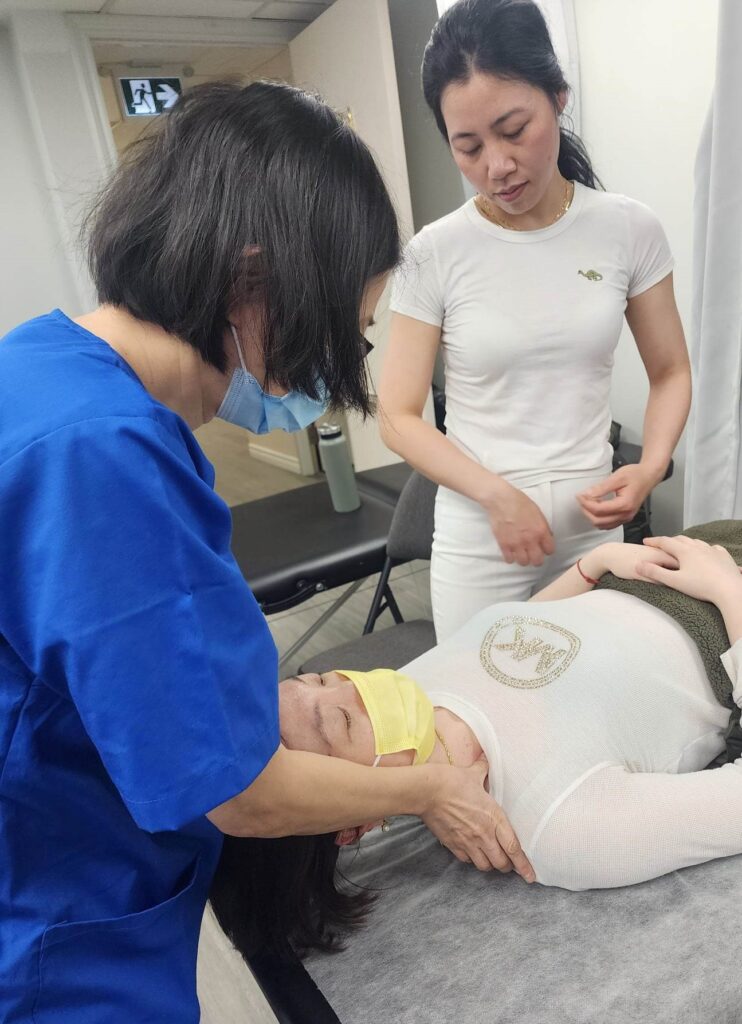
A woman provides a therapeutic massage to a patient, showcasing specialized healthcare training in action.

Quick Answer:

Healthcare diploma programs in Canada typically cost $15,000-$30,000 total depending on program length and specialization. However, financial aid through OSAP covers 50-100% of costs for most students at approved institutions like Pharma-Medical College, making actual out-of-pocket expenses much lower.

Healthcare Program Cost Breakdown

Program Type
Duration
Work Environment
With OSAP (50%)
Monthly Cost
PSW Certificate
24-28 weeks
$15,000-$18,000
$7,500-$9,000
~$1,000-$1,300

These figures include tuition; additional costs (books, supplies, uniforms) typically add $1,000-$3,000 depending on the program.

Comparing Education Costs

Private Career College Diploma (Pharma-Medical):

  • Duration: 12-24 months
  • Total cost: $15,000-$30,000
  • Time to employment: 1-2 years

University Degree:

  • Duration: 4 years
  • Total cost: $24,000-$60,000 ($6,000-$15,000/year × 4)
  • Time to employment: 4+ years

While university tuition per year is lower, diploma programs get you working 2-3 years sooner. Those years of lost income ($60,000-$85,000 annually) significantly impact total financial picture.

What’s Included in Tuition?

At Pharma-Medical College, tuition typically covers:

Always request a detailed cost breakdown before enrolling to understand exactly what’s included and what requires additional payment.

Hidden Costs to Budget For

Beyond tuition, expect:

  • Textbooks and supplies: $500-$1,500
  • Uniforms and professional attire: $200-$500
  • Certification exam fees: $300-$800
  • Professional liability insurance: $100-$300
  • Transportation to clinical placements: Variable
  • Living expenses during studies: $1,000-$2,000/month

Financial Aid Dramatically Reduces Costs

The Ontario Student Assistance Program (OSAP) provides grants (free money) and loans (low-interest, repay after graduation) based on financial need.

Typical OSAP package:

  • 30-50% grants (no repayment required)
  • 50-70% loans (6-month grace period post-graduation)
  • Interest-free during studies
  • Repayment tied to income after graduation

Pharma-Medical College is an approved OSAP institution, meaning students access the same government funding as public college students. Federal Canada Student Loans provide additional funding beyond provincial assistance.

Payment Plans and Flexibility

Pharma-Medical College offers customized payment plans spreading tuition over your program duration. Instead of paying $25,000 upfront, you might pay $1,000-$1,500 monthly while studying, reducing financial stress.

Many students work part-time during classroom phases (though clinical placements require full-time commitment), earning income that offsets education costs.

Return on Investment Analysis

Example: Diagnostic Medical Sonography

  • Total investment: $28,000
  • OSAP grant (50%): $14,000
  • Out-of-pocket: $14,000
  • Starting salary: $65,000
  • Time to recoup investment: ~8 months of employment

Over a 30-year career earning $65,000-$85,000, your initial $14,000 investment yields $2-2.5 million in lifetime earnings—an exceptional return.

Scholarships and Bursaries

Beyond government aid, explore:

  • Professional association scholarships (Sonography Canada, CMTO)
  • Community foundation awards
  • Healthcare employer bursaries
  • Indigenous student funding
  • Single parent support programs

Pharma-Medical’s financial aid office helps identify and apply for these opportunities.

Frequently Asked Questions

Can I afford healthcare training if I’m low-income? 

Yes. Low-income students often receive 70-100% of costs covered through OSAP grants and loans.

What if I don’t qualify for OSAP? 

Payment plans make education accessible even without government funding. Private loans are also available.

When do I start repaying student loans? 

Six months after graduation, giving you time to secure employment.

Are private colleges more expensive than public colleges? 

Per-year costs may be similar or slightly higher, but shorter program duration and faster employment often make private colleges more cost-effective overall.

Making Healthcare Education Affordable

Don’t let cost concerns delay your career. Contact Pharma-Medical College to discuss your financial situation. The financial aid office will help you understand options and develop an affordable plan.

With proper planning and available resources, healthcare training at Pharma-Medical College is achievable without overwhelming debt.

The answer: Healthcare training costs $15,000-$30,000, but financial aid reduces actual costs to $7,500-$15,000 for most students, making education affordable.

Connect with Us for Details on the Financial Aid Medical Program

What Jobs Can You Get With a Pharmaceutical Science Diploma in Canada?

Quick Answer:

A pharmaceutical science diploma qualifies you for careers in drug manufacturing, quality control, regulatory affairs, and research support with salaries ranging from $45,000-$70,000+ annually. Pharma-Medical College’s pharmaceutical programs prepare graduates for roles in pharmaceutical companies, cosmetic manufacturers, and food production facilities across Canada.

Top Career Paths for Pharmaceutical Graduates

Job Role
Salary Range
Work Environment
Key Responsibilities
Production Technician
$45,000-$60,000
Manufacturing facilities
Operating equipment, GMP compliance

According to Job Bank Canada, pharmaceutical careers offer excellent job security and growth potential.

Pharmaceutical Manufacturing Roles

Production technicians work in cleanroom environments manufacturing medications in various forms—tablets, capsules, liquids, injectables. You’ll operate sophisticated equipment, follow Good Manufacturing Practices (GMP), and ensure product quality meets stringent standards.

Canada’s pharmaceutical industry, as reported by Innovative Medicines Canada, employs tens of thousands and contributes billions to the economy. Major facilities exist in Ontario, Quebec, and other provinces, creating consistent job opportunities.

Quality Control and Assurance

QC analysts perform laboratory tests on raw materials and finished products, ensuring they meet safety, potency, and purity standards. You’ll use analytical instruments, document results, and identify any deviations from specifications.

QA professionals review documentation, conduct facility audits, investigate deviations, and ensure ongoing compliance with Health Canada regulations. These roles require attention to detail and understanding of pharmaceutical regulations.

Regulatory Affairs Careers

With experience, pharmaceutical graduates transition into regulatory affairs—preparing submissions for new drug approvals, managing product licenses, and ensuring compliance with changing regulations. These specialized positions command higher salaries ($60,000-$85,000+) and offer excellent advancement potential.

Regulatory professionals serve as liaisons between pharmaceutical companies and Health Canada, requiring both scientific knowledge and regulatory expertise.

Research and Development Support

While research scientist positions require advanced degrees, pharmaceutical diploma graduates work as research technicians supporting drug development. You’ll assist scientists conducting experiments, maintain laboratory equipment, prepare samples, and record data.

This exposure to pharmaceutical research can be an excellent foundation if you later pursue further education in pharmacy, pharmacology, or related sciences.

Beyond Traditional Pharmaceuticals

Your training isn’t limited to drug manufacturing:

Cosmetic Industry: Formulation technicians develop skincare products, makeup, and personal care items. Canada’s cosmetic industry offers diverse opportunities in major urban centers.

Food Industry: Quality assurance professionals ensure food products meet safety standards and labeling requirements. Pharma-Medical’s programs prepare you for careers in food manufacturing and quality control.

Nutraceuticals: The growing natural health products sector needs professionals understanding formulation, quality control, and regulatory compliance.

Industry Stability and Growth

Pharmaceutical careers offer exceptional job security. According to Statistics Canada, the industry is recession-resistant—people always need medications. Canada’s aging population and increasing chronic disease prevalence ensure continued demand for pharmaceutical products and the professionals who manufacture them.

Frequently Asked Questions

Do I need a university degree for pharmaceutical jobs? 

No. Diploma graduates qualify for most entry-level and many mid-level positions. Degrees are typically required only for senior scientist roles.

Are pharmaceutical jobs only in big cities? 

Major facilities concentrate in urban areas (Toronto, Montreal, Vancouver), but opportunities exist in smaller centers too.

What’s the career advancement potential?

Strong. Many start as technicians and advance to senior technician, supervisor, manager, or specialist roles with experience.

Is the pharmaceutical industry hiring? 

Yes. Canada’s pharmaceutical sector consistently needs qualified professionals, especially those with current GMP knowledge.

Training at Pharma-Medical College

Pharma-Medical’s pharmaceutical programs combine classroom learning with hands-on laboratory training in advanced facilities. You’ll learn:

  • Pharmaceutical calculations and formulations
  • Analytical techniques and instrumentation
  • GMP and regulatory requirements
  • Quality control procedures
  • Industry-standard documentation

The internship program connects students with pharmaceutical companies for practical experience, often leading to full-time employment. With 15+ years of experience and strong industry connections, Pharma-Medical provides excellent career support.

Start Your Pharmaceutical Career

Financial aid makes pharmaceutical education accessible. Contact Pharma-Medical College to learn about program details, admission requirements, and upcoming start dates.

The answer: A pharmaceutical science diploma opens diverse, stable, well-paying career paths in one of Canada’s most essential industries.

Connect with Us for Details on the Financial Aid Medical Program

Diagnostic Cardiac Sonography vs. General Sonography: Which Should You Choose?

Quick Answer:

Cardiac sonography specializes exclusively in heart imaging ($65,000-$90,000 salary), while general sonography covers multiple body systems ($60,000-$85,000 salary). Choose cardiac if you want deep specialization in cardiovascular imaging. Choose general if you prefer variety across abdominal, obstetric, vascular, and musculoskeletal scanning. Both programs at Pharma-Medical College lead to excellent career prospects.

Side-by-Side Comparison

Factor
Cardiac Sonography
General Sonography
Focus
Heart and cardiovascular system only
Multiple body systems

According to Job Bank Canada, both careers offer excellent employment prospects across Canada.

What is Cardiac Sonography?

Cardiac sonographers (echocardiographers) perform ultrasounds exclusively on the heart. The Diagnostic Cardiac Sonography program at Pharma-Medical College trains you in:

  • Transthoracic echocardiograms (TTE)
  • Transesophageal echocardiograms (TEE)
  • Stress echocardiography
  • Cardiac anatomy and pathophysiology
  • Hemodynamics and valve function
  • Electrocardiography (ECG) interpretation

You’ll work closely with cardiologists, assisting in diagnosing heart conditions like valve disease, heart failure, and congenital defects. The Heart and Stroke Foundation reports cardiovascular disease remains Canada’s leading health concern, driving strong demand for cardiac imaging specialists.

What is General Sonography?

General sonographers perform ultrasounds on various body systems. The Diagnostic Medical Sonography program covers:

  • Abdominal imaging (liver, kidneys, gallbladder, pancreas)
  • Obstetric and gynecological ultrasounds
  • Small parts (thyroid, breast, testicles)
  • Vascular imaging (arteries and veins)
  • Musculoskeletal scanning

Your workday varies significantly—scanning a pregnant patient, then performing abdominal studies, then vascular assessments. This variety keeps work interesting and develops broad diagnostic skills.

Training Differences

Both programs require similar foundational knowledge in anatomy, physics, and ultrasound principles. Key differences:

Cardiac programs emphasize:

  • Advanced cardiac anatomy
  • Heart pathology and disease processes
  • ECG interpretation
  • Hemodynamic calculations

General programs emphasize:

  • Multiple organ systems
  • Broader anatomical knowledge
  • Diverse pathology recognition
  • Cross-sectional anatomy

Both paths lead to professional certification through Sonography Canada, but via different examination routes.

Work Environment Considerations

Cardiac sonographers often work in fast-paced hospital settings, especially facilities with cardiac surgery programs. Emergency echocardiograms may be needed urgently, requiring on-call availability. The work is intense but intellectually stimulating for those passionate about cardiology.

General sonographers enjoy more workplace variety—hospitals, private imaging clinics, obstetrics offices, or mobile ultrasound services. Schedules are often more predictable, especially in outpatient settings, though hospital positions may include evenings and weekends.

Can You Do Both?

Yes! Many professionals pursue dual credentials. You might start with general sonography, then add cardiac specialization (or vice versa). This maximizes career flexibility and earning potential, making you valuable to employers needing coverage across multiple modalities.

Frequently Asked Questions

Which pays more? 

Cardiac sonographers typically earn $5,000-$10,000 more annually due to specialization, but this varies by location and employer.

Which has better job prospects? 

Both excellent. Cardiac demand is driven by cardiovascular disease prevalence; general demand by diverse diagnostic needs.

Which is harder to learn? 

Cardiac requires deep understanding of complex heart function. General requires broader knowledge across multiple systems. Difficulty depends on your learning style.

Can I switch between them? 

Yes, with additional training and certification in the new specialty.

Making Your Decision

Consider your interests:

  • Choose cardiac if: You’re fascinated by the heart, enjoy specialization, and want to work closely with cardiologists
  • Choose general if: You prefer variety, want flexibility in work settings, and enjoy diverse patient populations

Both sonography programs at Pharma-Medical College feature advanced labs with industry-standard equipment and clinical internships in real healthcare settings.

Book a campus tour to discuss which path aligns with your goals. Financial aid is available for both programs.

The answer: Choose cardiac for heart specialization and slightly higher pay; choose general for versatility and diverse work settings. Both offer excellent careers.

Connect with Us for Details on the Financial Aid Medical Program

How to Become a Personal Support Worker (PSW) in Ontario: Complete Guide

Understanding the Role of a Personal Support Worker

Quick Answer:

To become a PSW in Ontario, complete a 24-28 week certificate program at an accredited institution like Pharma-Medical College. No prerequisites required. Training includes classroom instruction, clinical placements, and prepares you for immediate employment in long-term care, hospitals, or home care with starting salaries of $40,000-$50,000.

PSW Training Requirements in Ontario

Requirement
Details
Timeline
Education
PSW Certificate Program
24-28 weeks

Ontario’s government standards ensure consistent PSW training quality across the province. Pharma-Medical College’s program meets or exceeds all requirements.

What You’ll Learn

Core Curriculum:

  • Anatomy and physiology basics
  • Personal care techniques (bathing, dressing, feeding)
  • Infection prevention and control
  • Medication reminders and documentation
  • Communication with clients and families
  • Specialized care (dementia, diabetes, palliative care)
  • Professional ethics and boundaries

Clinical Placements: Students complete supervised work in actual care facilities—long-term care homes, retirement residences, or hospitals. Many receive job offers from placement sites, as employers prefer hiring PSWs they’ve already trained.

Job Market and Demand

Ontario faces a critical PSW shortage. According to Statistics Canada, demand will grow substantially through 2030 as Canada’s population ages. Every long-term care home in Ontario needs PSWs, creating exceptional job security.

Current job market:

  • Thousands of open positions across Ontario
  • Multiple job offers common for graduates
  • Sign-on bonuses increasingly offered
  • Government wage enhancements implemented

PSW Salary in Ontario

Typical compensation:

  • Starting: $40,000-$45,000 annually
  • Experienced: $45,000-$55,000 annually
  • With overtime: $50,000-$60,000+ annually

Many positions include benefits like health insurance, pension plans, paid time off, and continuing education support. Recent Ontario government initiatives have increased PSW wages and introduced retention bonuses.

Where PSWs Work

Employment settings:

  • Long-term care facilities (most common)
  • Retirement homes
  • Hospitals (acute care and rehabilitation)
  • Home care agencies (visiting clients)
  • Supportive housing programs
  • Hospices and palliative care centers

Each setting offers different experiences. Long-term care provides stability and routine, while home care offers variety and independence.

Career Advancement

PSW experience opens doors to:

  • Registered Practical Nurse (RPN) programs
  • Other medical and health programs
  • Supervisor and management roles
  • Specialized care positions (dementia care units)
  • Healthcare education and training

Many healthcare professionals begin as PSWs, gaining invaluable patient care experience that strengthens applications for advanced training.

Frequently Asked Questions

How quickly can I start working? 

Most graduates secure employment within 2-4 weeks of completing their program.

Is PSW work physically demanding? 

Yes. You’ll assist with lifting, transferring, and supporting clients. Training includes proper body mechanics to prevent injury.

Can I work part-time? 

Many PSWs work part-time, and facilities often need casual/relief staff for flexible schedules.

Do I need to be certified? 

Ontario doesn’t have mandatory PSW certification, but employers require completion of a recognized training program like Pharma-Medical College’s.

Financial Aid for PSW Training

OSAP and financial aid cover most or all training costs for eligible students. The short program duration (24-28 weeks) means lower overall costs compared to longer healthcare programs, and quick entry to employment allows rapid loan repayment.

Start Your PSW Career

Pharma-Medical College’s PSW program combines experienced instructors, hands-on training, and the internship program connecting you directly with employers. The college’s 15+ years of experience and high employment ratio demonstrate commitment to student success.

Book an appointment to learn about admission requirements and start dates, or explore student services supporting your transition from training to employment.

The answer: Becoming a PSW in Ontario takes 24-28 weeks and leads to immediate employment in a high-demand, rewarding healthcare career.

Connect with Us for Details on the Financial Aid Medical Program

What Can You Do With a Massage Therapy Diploma in Canada?

What Will You Learn in a Massage Therapy Program?

Quick Answer:

A Registered Massage Therapist (RMT) diploma in Canada qualifies you for diverse careers earning $50,000-$75,000 annually in private clinics, hospitals, sports facilities, spas, or your own practice. The Massage Therapy program at Pharma-Medical College prepares you for professional registration with the College of Massage Therapists of Ontario (CMTO).

Career Paths for RMTs in Canada

Work Setting
Typical Schedule
Salary Range
Benefits
Private Clinic
Flexible, self-set
$50,000-$65,000
Work-life balance

According to Job Bank Canada, RMTs in urban centers like Toronto often exceed these ranges, especially with specialized certifications.

Specialization Options

After completing your RMT diploma, you can specialize in:

  • Sports massage: Working with athletes for injury prevention and performance
  • Therapeutic massage: Chronic pain management and rehabilitation
  • Prenatal massage: Care for expectant mothers
  • Geriatric massage: Specialized care for elderly patients
  • Pediatric massage: Working with children and adolescents

The College of Massage Therapists of Ontario (CMTO) regulates the profession and recognizes additional certifications that increase your earning potential and career options.

Self-Employment and Business Ownership

Many RMTs eventually open their own practices. Startup costs are relatively low compared to other healthcare businesses—you primarily need a treatment room, massage table, and basic supplies. Self-employed RMTs who build strong client bases often earn $75,000-$100,000+ annually.

Pharma-Medical College’s training includes business basics, and the clinical massage services offered on campus expose students to practice management.

Work-Life Balance Advantages

Massage therapy offers exceptional schedule flexibility. You can:

  • Work part-time or full-time
  • Set your own hours
  • Choose evening/weekend rates (often 20-30% higher)
  • Take extended time off between contracts
  • Combine with other wellness careers (yoga, personal training, nutrition)

This flexibility makes RMT work ideal for parents, students pursuing additional education, or anyone prioritizing work-life balance.

Career Growth and Advancement

RMTs can pursue:

  • Advanced certifications (manual lymphatic drainage, myofascial release, acupuncture)
  • Teaching positions at massage therapy colleges
  • Clinical supervisor roles
  • Wellness program management
  • Healthcare team leadership positions

Continuous learning through workshops and professional associations like RMTAO keeps your skills current and expands career opportunities.

The Pharma-Medical Advantage

Pharma-Medical College’s program provides:

  • Hands-on training in advanced labs
  • Clinical placements through the internship program
  • Instruction from experienced RMTs
  • CMTO-accredited curriculum
  • Direct employer connections

The college’s high employment ratio reflects strong industry relationships and quality training that employers value.

Frequently Asked Questions

How long does RMT training take? 

Typically 18-24 months for a full diploma meeting CMTO registration requirements.

Can I work anywhere in Canada? 

Each province has different regulations. CMTO registration allows practice in Ontario; other provinces have separate requirements.

Is massage therapy physically demanding? 

Yes. Proper body mechanics training at Pharma-Medical College helps prevent injury.

Start Your RMT Career

With Canada’s growing recognition of massage therapy as essential healthcare, demand continues rising. Financial aid makes training accessible, and Pharma-Medical College provides the comprehensive education you need.

Book a campus tour to see facilities and meet instructors, or explore student services supporting your career development.

The answer: An RMT diploma opens diverse, flexible, well-paying career paths across Canada’s healthcare system.

Connect with Us for Details on the Financial Aid Medical Program

Is Financial Aid Available for Healthcare Programs in Canada?

Feature Image

Quick Answer:

Yes, financial aid is available for healthcare programs in Canada. Most students at Pharma-Medical College receive OSAP funding that covers 50-100% of tuition through grants and low-interest loans. Private colleges are eligible for the same government funding as public institutions.

Diploma vs. Degree: Which is Faster?

Funding Source
Type
Coverage
Repayment
OSAP Grants
Free money
30-50% of tuition
None required

The Ontario Student Assistance Program (OSAP) provides approximately 60% of students with grants that don’t require repayment. Pharma-Medical College is an approved OSAP institution, giving you access to both provincial and federal student loans.

How Much Financial Aid Can You Get?

OSAP calculates your funding based on financial need, family income, and program costs. For healthcare programs at Pharma-Medical College ranging from $15,000-$30,000:

  • Low-income students: Often receive 60-100% in grants
  • Middle-income students: Typically receive 30-50% in grants, remainder in loans
  • All students: Can access payment plans regardless of OSAP eligibility

Pharma-Medical’s financial aid office works directly with students to maximize available funding and simplify applications.

Program-Specific Funding

Students in programs like Diagnostic Medical Sonography, Massage Therapy, or Personal Support Worker training may qualify for additional scholarships through professional associations like Sonography Canada or the College of Massage Therapists of Ontario (CMTO).

Return on Investment

Healthcare education pays for itself quickly. Consider this calculation:

  • Program cost: $25,000 (average)
  • OSAP grant: $12,500 (50%)
  • Out-of-pocket: $12,500
  • Starting salary: $60,000+ (most programs)
  • Time to recoup investment: 6-12 months of employment

According to Statistics Canada, healthcare occupations offer exceptional job security with median salaries well above national averages.

Frequently Asked Questions

Can international students get financial aid? 

OSAP is for Canadian citizens and permanent residents. International students should explore private loans or home country funding.

Do I have to repay grants? 

No. Grants are free money that never requires repayment. Only the loan portion must be repaid.

When do loan payments start? 

Six months after graduation, giving you time to secure employment.

What if I don’t qualify for OSAP? 

Pharma-Medical offers payment plans that spread costs over your program duration, making education accessible without government aid.

Additional Funding Sources

Beyond OSAP, explore:

  • Healthcare employer bursaries
  • Community foundation scholarships
  • Professional association awards
  • Indigenous student funding programs

Apply for Financial Aid Today

Don’t let cost concerns delay your healthcare career. Contact Pharma-Medical College to discuss your financial situation. The financial aid office helps identify all available funding and guides you through applications.

With proper planning, financial aid makes healthcare education at Pharma-Medical College affordable for most Canadian students. Start your application today and explore student services supporting your success.

The answer: Yes, comprehensive financial aid makes healthcare training accessible and affordable in Canada.

Connect with Us for Details on the Financial Aid Medical Program

How Long Does It Take to Become a Diagnostic Medical Sonographer in Canada?

Medical-Sonography-Program-in-Ontario_-A-Pathway-to-a-Rewarding-Healthcare-Career

Quick Answer:

In Canada, you can become a diagnostic medical sonographer in 18 to 24 months through an accredited diploma program at institutions like Pharma-Medical College. This is significantly faster than the 4-year university route and gets you job-ready with hands-on clinical training.

Diploma vs. Degree: Which is Faster?

Program Type
Duration
Cost
Outcome
Diploma
University D18-24 months egree
$20,000-$30,000
Same jobs & salary

The Diagnostic Medical Sonography program at Pharma-Medical College focuses exclusively on job-ready skills, eliminating general education courses that extend university programs. Both paths lead to entry-level positions earning $60,000-$85,000 according to Job Bank Canada.

What the 18-24 Months Includes

Months 1-8: Foundational Training

  • Anatomy, physiology, and ultrasound physics
  • Patient care and medical terminology
  • Hands-on lab practice with real equipment

Months 9-18: Specialized Scanning

  • Abdominal, obstetric, and vascular sonography
  • Advanced imaging techniques
  • Clinical skills development

Months 19-24: Clinical Practicum

  • Supervised hospital and clinic placements
  • Real patient scanning experience
  • Direct employer connections

Certification Timeline

After graduation, you’ll need 3-6 months to complete certification exams through organizations like CARDUP or ARDMS, both recognized in Canada. Sonography Canada confirms that accredited programs like Pharma-Medical College meet all certification requirements.

Total timeline: 21-30 months from enrollment to certified employment.

Why Choose the Faster Route?

Starting work 2+ years earlier means earning income instead of paying tuition. With financial aid available through OSAP, your $25,000 education investment typically pays for itself within 12-18 months of employment at a median $65,000 salary.

The Canadian Institute for Health Information projects strong demand for sonographers through 2030, driven by Canada’s aging population. Pharma-Medical College’s high employment ratio means most graduates secure positions during their clinical placements.

Frequently Asked Questions

Can I become a sonographer faster than 18 months? 

No. This is the minimum for comprehensive training meeting Canadian professional standards set by Health Canada.

Is online sonography training available? 

No. Certification requires extensive hands-on practice with ultrasound equipment and supervised patient scanning.

Do I need a science background? 

Not required. Pharma-Medical College accepts diverse educational backgrounds and provides foundational science training.

with confidence.

Connect with Us for Details on the Financial Aid Medical Program

Essential Advice for First-Year Medical Students in Canada: Thriving In Med School

Feature Image

Beginning medical school is a time of excitement, anticipation, and pressure. Students are transitioning into a rigorous academic environment that demands focus and adaptability. The first year sets the tone for success throughout medical training. Establishing strong habits and understanding the expectations early can lead to long-term benefits. This guide offers career advice for students and delivers clear career guidance tips for students navigating their first year in medicine.

What Is the Best Advice for First-Year Med Students?

What Is the Best Advice for First-Year Med Students

One of the most important pieces of advice for medical students starting out is to embrace the learning curve. It’s completely normal to feel overwhelmed in the beginning. Medical knowledge is vast, and no one is expected to know everything right away. A growth mindset and patience with yourself will make a significant difference.

Staying organized is essential. Use digital calendars, planners, or time-blocking methods to manage lectures, labs, study time, and rest. Effective time management can really help lower stress levels and boost your productivity. This is one of the most valuable career guidance tips for students trying to balance multiple responsibilities.

Building a support network early is equally important. Connect with classmates, faculty members, and academic advisors. A solid community can provide emotional support, collaborative study opportunities, and access to shared resources. Strong interpersonal connections can help reinforce your motivation and resilience. These networks also offer long-term career advice for students beyond the classroom.

Study Habits and Academic Success

Study Habits and Academic Success

Academic success in medical school depends on creating efficient study systems. Students should aim to understand rather than memorize, apply active learning techniques, and consistently review material. The right study habits form the cornerstone of success throughout a medical career. Developing good study habits is an essential part of advice for medical students aiming to build a solid academic foundation.

How Many Hours Should a Medical Student Study?

A reasonable target is 4–6 hours of dedicated study time per day outside of classes, adjusted for personal learning speed and content difficulty. Weekly planning can help distribute study loads evenly and prevent burnout. Prioritizing core subjects and rotating topics can also maintain variety and engagement.

Quality matters. Focused sessions using methods like active recall, flashcards, and summary writing are more effective than passive rereading. Consistent practice and routine beat last-minute cramming. Developing a structured study approach reflects practical career advice for students who want sustainable academic performance. It’s a key strategy in any list of career guidance tips for students managing heavy course loads.

What Was One Piece of Advice Given by Medical Students About Study Skills?

Experienced students often recommend using spaced repetition for long-term memory retention. This technique involves reviewing material at increasing intervals, which strengthens recall and reduces the need to relearn information. Combining this with practice questions can enhance clinical reasoning and exam preparedness. This method is widely recognized in career guidance tips for students in medical education.

Avoid cramming. Medical content is dense, and understanding concepts is more important than temporary memorization. Prioritizing comprehension over speed will benefit students throughout their studies. This is a powerful piece of advice for first-year medical students striving for strong academic outcomes and future confidence.

What Is the Best Teaching Method for Medical Students?

Many medical schools in Canada use case-based or problem-based learning (PBL). These techniques motivate students to put their knowledge into practice in real clinical situations. This type of learning enhances understanding and critical thinking. It also reinforces the kind of strategic thinking that aligns with long-term career advice for medical students.

Integrative and hands-on approaches are also valuable. Simulations, lab work, and interactive sessions allow for deeper engagement. Students should seek active participation and reflection during these activities. Embracing these teaching methods aligns with long-term career guidance tips for students aiming to develop both theoretical and practical skills.

Career and Future Planning

Career and Future Planning

Planning ahead helps medical students align their educational experiences with their professional goals. Understanding available part-time work, high-paying specialties, and in-demand fields can influence career decisions and build meaningful experiences early. These strategies reflect foundational career advice for students who are thinking long-term.

Which Job Is Best for Medical Students in Canada (During School)?

Several roles offer income and valuable exposure to the medical field. Research assistant positions help students build scientific literacy and contribute to publications. Tutoring allows students to reinforce their knowledge while supporting others.

Scribing in clinics or hospitals helps students become familiar with medical terminology, charting, and clinical environments. Volunteering in healthcare settings provides hands-on insight and strengthens resumes. These jobs offer practical career advice for students balancing academics with experiential learning. They’re commonly recommended as part of career guidance tips for students exploring career pathways.

Which Course Is Best for Earning Money in the Medical Field (Post-MD)?

After graduation, physicians may choose fields with high earning potential. Radiology, dermatology, and anesthesiology are consistently among the highest-paying specialties in Canada. These areas offer strong financial returns for students who invest in competitive training pathways.

Selecting a high-income specialty requires early preparation and understanding of entrance requirements. Strategic planning and dedication to academic performance are essential. This aligns with smart career guidance tips for students interested in financial stability and career growth. It’s also a form of future-focused career advice for medical students.

Which Medical Field Is High in Demand?

Canada currently faces shortages in several medical areas. Family medicine remains a key need across urban and rural regions. Psychiatry is growing in demand due to increased mental health awareness. Geriatrics is critical with an aging population.

Rural general practice is also a priority. These roles offer meaningful impact and strong job security. Exploring these options early provides valuable career advice for medical students considering long-term relevance and contribution to community health. These roles are frequently highlighted in career guidance tips for students aiming to make a meaningful difference.

Connect with Us for Details on the Medical Sonography Program in Canada

Challenges and How to Overcome Them

Challenges and How to Overcome Them

Medical school presents many personal and academic challenges. Recognizing these struggles and addressing them early can improve resilience and academic performance. Understanding the difficult phases helps students prepare emotionally and mentally. This section delivers actionable advice for first-year medical students dealing with the realities of their new academic environment.

What Is the Hardest Year of Med?

Many students find the second year or clinical transition period to be the most difficult. The academic workload increases significantly, and students begin engaging with patients and real clinical environments. The expectations are higher, and emotional fatigue is common.

Preparing for this period through solid study habits and time management developed in the first year can ease the adjustment. Building coping strategies and peer support also helps. Acknowledging this reality is a practical form of career advice for students navigating challenging transitions. These are often overlooked in traditional career guidance tips for students, but they are essential.

What Do Medical Students Need the Most?

Balance is crucial. Adequate sleep, regular exercise, social interaction, and time for hobbies contribute to well-being. If you overlook these areas, you might find yourself facing burnout and struggling with your academic performance.

Resilience and adaptability are equally important. Medical training involves constant learning and regular feedback. Students benefit from staying flexible and learning from setbacks. These habits reflect core career guidance tips for students managing long-term academic success and reinforce vital advice for medical students.

How to Comfort a Med Student?

Supporting a medical student begins with listening. Avoid offering unsolicited advice and instead provide space for them to express frustration. Reminding them of their progress and celebrating small achievements can boost morale.

Offering practical help, like sharing notes or helping with daily tasks, can ease stress. It’s really important to encourage students to take breaks and focus on self-care. This approach supports emotional health and reinforces positive career advice for medical students under pressure. It also echoes important career guidance tips for students emphasizing well-being.

Skills and Traits for Success

Skills and Traits for Success

Medical success requires more than academic ability. Developing professional and interpersonal skills early will benefit students in every aspect of their careers. This section outlines essential traits that help medical students thrive. Cultivating these qualities is a major theme in effective career advice for students and thoughtful career guidance tips for students.

What Advice Would You Give to a First-Year Student?

Approach medical school with curiosity and humility. Ask questions, seek feedback, and remain open to learning from peers and mentors. Growth-oriented attitudes lead to continuous improvement.

Finding mentors early provides insight into specialties, research opportunities, and professional development. Mentorship is a key source of career advice for students aiming for guided progression and realistic goal-setting. Seeking this out reflects an understanding of valuable career guidance tips for students at every stage.

Which Skill Is Best for Medical Students?

Strong communication is critical. Clear dialogue with patients, peers, and supervisors improves clinical outcomes and teamwork. Developing empathy ensures compassionate care and builds trust.

Time management, critical thinking, and self-discipline are also essential. These skills support both academic and clinical excellence. Mastering them early reflects well-rounded career guidance tips for students preparing for healthcare leadership roles. These skills also represent top-tier advice for medical students who want to excel.

Our Commitment to Future Healthcare Professionals at Pharma-Medical

Our Commitment to Future Healthcare Professionals at Pharma-Medical

At Pharma-Medical Science College of Canada, we support future healthcare professionals by offering practical, career-aligned education. Our programs are rooted in current industry standards and designed to meet workforce demands.

Students receive hands-on training, expert-led instruction, and structured support to thrive in Canada’s medical and pharmaceutical sectors. We equip learners with technical and interpersonal competencies that employers value.

As a trusted private career college, we go beyond classroom instruction. Our career services, financial aid options, and mentorship resources provide strong career advice for students throughout their journey. At Pharma-Medical, we build futures with purpose.

Conclusion

Success in medical school begins with the right mindset, strong habits, and supportive networks. The first year lays the groundwork for a fulfilling healthcare career. With clear goals, practical strategies, and informed decisions, students can achieve their full potential.

Remember that each step, each challenge, and each win contributes to progress. By applying the best advice for first-year medical students, embracing solid career guidance tips for students, and taking care of your well-being, your future in medicine is well within reach.

Ready to shape your future in healthcare? Start your journey with Pharma-Medical Science College of Canada, where your success is our priority.

Connect with Us for Details on the Medical Sonography Program in Canada

SALAM KIDANE
PERSONAL SUPPORT WORKER

What inspired you to pursue a career as a PSW?

I was inspired to pursue a career as a PSW because I wanted to help people who may be vulnerable or in need of care. I have always been passionate about helping others, and becoming a PSW allows me to make a positive impact on people’s lives every day.


What are some of the most important skills for a PSW to have?

Some of the most important skills for a PSW to have include strong communication skills, empathy, patience, and the ability to work well in a team. A PSW should also have good problem-solving skills, be able to prioritize tasks, and have a good understanding of basic medical terminology and procedures.


What has been the most challenging aspect of your PSW program?

The most challenging aspect of my PSW program has been learning how to manage my time effectively. The program is rigorous and demands a lot of time and effort, and it can be challenging to balance coursework, clinical placements, and personal responsibilities. However, I have learned to prioritize my tasks and develop effective time-management strategies, which has helped me to succeed in the program.

What has been the most rewarding experience you have had as a PSW student so far?

The most rewarding experience I have had as a PSW student so far has been completing my first clinical placement. It was amazing to see how the skills and knowledge I had learned in the classroom could be applied in a real-world setting, and to see how much of a difference I could make in someone’s life by providing compassionate care.


What advice would you give to someone who is considering pursuing a career as a PSW?

My advice would be to pursue a career as a PSW if you have a passion for helping others and are willing to work hard to make a difference in people’s lives. It can be a challenging and demanding career, but it is also incredibly rewarding and fulfilling. Make sure to take advantage of any opportunities for training and professional development, and always strive to provide the best possible care for your clients.

LINH TRAN
REGISTERED MASSAGE THERAPIST

Common Questions About Linh Tran Massage Therapy

What’s the happiest moment of your life?

As a massage therapy college student, the happiest moment of my life so far was when I received my acceptance letter into the massage therapy program. It was a moment of validation that my hard work and dedication had paid off, and I was thrilled to embark on this new journey.

What has been most difficult moment of your life?

The most difficult moment of my life so far was when I decided to leave a stable job in a completely different field to pursue my passion for massage therapy. It was a big risk, both financially and professionally, and I had to overcome a lot of self-doubt and fear of the unknown. But looking back, it was also one of the most transformative experiences of my life, as it taught me to trust my instincts, take calculated risks, and prioritize my happiness and well-being over external validation or societal expectations. It was a pivotal moment that led me to where I am today, and I’m grateful for the courage and resilience it took to make that leap.

Who is the most influential person in your life?

The most influential person in my life is my mother. She’s a strong, independent woman who has always encouraged me to pursue my passions and believe in myself. Her unwavering support and love have been instrumental in shaping who I am today.

Why did you choose to pursue this particular course?

I chose to pursue massage therapy because I’ve always been interested in the mind-body connection and the power of touch. I wanted to learn how to help people alleviate pain and stress in a natural, holistic way, and massage therapy felt like the perfect fit.

How’s your experience been at college so far?

My experience at college so far has been incredibly rewarding. The program is rigorous and challenging, but also fun and engaging. I’ve learned so much about anatomy, physiology, and various massage techniques, and I’m excited to continue developing my skills as a therapist. The community of students and faculty is supportive and inspiring, and I feel grateful to be part of it.