Massage Therapy vs Acupuncture vs Pharmacy Assistant: Which Healthcare Career Truly Fits Your Personality and Strengths?

massage-therapy-vs-acupuncture-vs-pharmacy-assistant

Choosing a healthcare career can feel like standing at the beginning of an important journey. You may feel excited, curious, and perhaps slightly uncertain about which direction to take. If you are considering a massage therapy, acupuncture, or pharmacy assistant diploma program, it helps to picture what your daily life could look like in each role.

Across Canada, many students explore options such as a massage therapy diploma program in Canada, an acupuncture diploma program in Canada, or a pharmacy assistant course in Canada to build stable, meaningful careers. Each path serves patients differently. By understanding the work style, environment, and expectations tied to each program, you can choose a direction that feels natural and susta

The Role of Personality in Choosing a Healthcare Career

The Role of Personality in Choosing a Healthcare Career

Your personality shapes how you communicate, how you respond to stress, and how you feel at the end of a workday. Healthcare roles demand focus, responsibility, and compassion. Whether you are drawn to a massage therapy diploma program, an acupuncture diploma program in Canada, or a pharmacy assistant course in Canada, your natural strengths will influence how comfortable you feel in that environment.

Why Self-Awareness Matters More Than Job Titles

Job titles often sound impressive, yet the daily routine behind the title determines long-term satisfaction. Someone who enjoys hands-on interaction and physical activity may feel energized while completing a massage therapy diploma in Canada. A person who prefers organized systems and detailed processes may feel at ease in a pharmacy assistant program.

Taking time to reflect on your habits and preferences can prevent frustration later. A physically demanding career can feel draining if you prefer seated tasks. A structured pharmacy setting may feel limiting if you thrive on therapeutic interaction. When you evaluate your communication style, patience level, and physical stamina, you gain clarity about whether a massage therapy diploma program, an acupuncture diploma program, or a pharmacy assistant course in Canada aligns with your strengths.

Three Core Career Directions in Healthcare

Although all three options fall within healthcare, they focus on distinct areas of patient support.

  • A massage therapy diploma program prepares you for direct, physical treatment.
  • An acupuncture diploma program in Canada centers on holistic balance and energy-based care.
  • A pharmacy assistant program supports safe medication distribution and pharmacy operations.

Understanding these differences helps you imagine how you would spend your time and how you would interact with patients or healthcare professionals.

Career Path #1 – Registered Massage Therapist (RMT)

A career in massage therapy appeals to individuals who enjoy working closely with people and helping them feel relief through touch. Completing a massage therapy diploma program in Canada prepares you for a regulated profession in many provinces. The training combines scientific knowledge with practical skill.

The Personality Fit: Empathetic, Caring, Physically Resilient

Students who thrive in a massage therapy diploma program tend to be attentive listeners. They value connection and feel comfortable working in close physical proximity to clients. Emotional steadiness also plays a role, as clients often share personal experiences related to stress or pain.

This path often suits people who:

  • Enjoy one-on-one interaction
  • Feel comfortable using hands-on techniques
  • Have strong physical stamina
  • Maintain focus during extended sessions

A massage therapy diploma in Canada pathway includes significant hands-on training, so body awareness and strength matter throughout your career.

The Work: Immediate, Tangible Physical Healing

Before using some techniques, massage therapists check for muscle tension, posture, and range of motion. Many clients feel much better after a session, which can be very rewarding for practitioners.

Within a massage therapy diploma program, students learn:

  • Detailed anatomy and physiology
  • Musculoskeletal assessment techniques
  • Therapeutic massage methods
  • Professional standards and record keeping

Graduates of a massage therapy diploma program in Canada may work in rehabilitation clinics, wellness centers, sports facilities, or private practices.

Strengths & Skills Needed

Success in massage therapy requires both knowledge and physical control. A massage therapy diploma program helps students build a strong foundation for safe and effective treatment.

Important abilities include:

  • Understanding muscle function and joint movement
  • Practicing safe body mechanics
  • Managing appointment schedules efficiently
  • Communicating clearly with clients about treatment goals

Completing a recognized massage therapy diploma program in Canada is required in regulated provinces before practicing professionally.

Key Considerations

Massage therapy requires significant physical effort. If you don’t pay attention to your posture and take care of yourself, doing the same thing over and over will hurt you. Students who want to earn a massage therapy diploma should carefully consider their long-term health and how to work in a way that supports their well-being.

Career Path #2 – Acupuncturist

Acupuncture offers a calm and thoughtful approach to patient care. An acupuncture diploma program in Canada prepares students to assess energy flow and restore balance through carefully placed needles. This profession blends traditional healing philosophy with structured clinical training.

The Personality Fit: Investigative, Intellectual, Holistic

An acupuncture diploma program often attracts individuals who enjoy studying complex systems. They like connecting patterns and understanding how different parts of the body influence each other.

You may feel aligned with this path if you:

  • Appreciate detailed theory
  • Prefer quiet, focused work settings
  • Feel patient with gradual improvement
  • Enjoy continuous learning

An acupuncture diploma program in Canada requires dedication to both theory and supervised clinical practice.

The Work: Energy-Based and Holistic Treatment

Acupuncturists evaluate symptoms holistically and develop personalized treatment plans. Sessions involve inserting fine needles at specific points to stimulate natural healing responses.

During an acupuncture diploma program in Canada, students study:

  • Meridian pathways and diagnostic models
  • Safe and sterile needling practices
  • Patient assessment techniques
  • Complementary therapies such as cupping

Results often develop over multiple visits, which calls for steady communication and realistic treatment planning.

Strengths & Skills Needed

In an acupuncture diploma program, accuracy is very important. Practitioners must remain calm and focused when conveying holistic ideas in a way patients can understand.

Key skills include:

  • Analytical thinking
  • Attention to subtle physical signs
  • Steady hand coordination
  • Accurate documentation

Graduating from an accredited acupuncture diploma program in Canada supports professional credibility and compliance with provincial guidelines where required.

Key Considerations

The academic portion of an acupuncture diploma program in Canada can feel intensive. Students invest significant time in theory before practicing under supervision. Commitment to ongoing education remains important throughout a career in acupuncture.

Career Path #3 – Pharmacy Assistant

Pharmacy assistants contribute to patient safety by supporting pharmacists with prescription preparation and customer service. A pharmacy assistant program trains students for structured, detail-focused healthcare environments.

The Personality Fit: Meticulous, Organized, Service-Oriented

Students who excel in a pharmacy assistant course in Canada typically value routine and accuracy. They feel comfortable following procedures and staying attentive during busy shifts.

This career often suits individuals who:

  • Enjoy organized workflows
  • Communicate clearly with customers
  • Stay calm during high-traffic hours
  • Prefer predictable systems

A pharmacy assistant program emphasizes responsibility because accuracy directly affects patient well-being.

The Work: Precision and Medication Management

Pharmacy assistants process prescriptions, manage stock, label medications, and assist customers at the counter. The work requires consistent attention to detail.

A typical pharmacy assistant course in Canada includes training in:

  • Pharmacy software applications
  • Drug classifications and terminology
  • Inventory control procedures
  • Customer service communication

Graduates of a pharmacy assistant program often find employment in retail pharmacies, hospitals, and long-term care facilities.

Strengths & Skills Needed

Accuracy is the key to success in a pharmacy assistant course in Canada. Students learn to balance speed with careful review.

Essential abilities include:

  • Precise data entry
  • Strong organizational habits
  • Clear verbal communication
  • Efficient multitasking

Completing a recognized pharmacy assistant program strengthens confidence when entering professional settings.

Key Considerations

Pharmacy environments can feel busy, especially during peak hours. A pharmacy assistant course in Canada prepares students for shift schedules that may include evenings or weekends, depending on the workplace.

Comparing Physical Demands and Work Environments

Each profession has its own physical and emotional rhythm. Considering your preferred pace can help you decide between a massage therapy diploma in Canada, an acupuncture diploma program in Canada, and a pharmacy assistant program.

Massage therapy requires sustained physical activity throughout the day. An acupuncture diploma program involves focused precision with moderate physical movement. A pharmacy assistant course in Canada requires standing and steady workflow, with minimal physical strain.

Work environments also differ:

  • A massage therapy diploma program often prepares graduates for appointment-based clinical settings.
  • An acupuncture diploma program in Canada prepares graduates for calm treatment rooms.
  • A pharmacy assistant program usually prepares graduates for work in retail or hospital pharmacies, with ongoing customer interaction.

Matching your temperament to the environment can support long-term career satisfaction.

Education Pathways in Canada

Before enrolling, it helps to understand what each program involves. Training length, clinical hours, and regulatory standards vary between a massage therapy diploma program, an acupuncture diploma program in Canada, and a pharmacy assistant course in Canada.

Massage Therapy Diploma Canada

A massage therapy diploma in Canada pathway includes classroom study, anatomy training, and supervised clinical practice. Graduates in regulated provinces complete licensing requirements before practicing independently.

Acupuncture Diploma Program Canada

An acupuncture diploma program in Canada blends Traditional Chinese Medicine theory with modern safety standards and clinical internships. Students should review provincial regulations before beginning their studies.

Pharmacy Assistant Course in Canada

A pharmacy assistant course in Canada typically requires a shorter training period compared with therapeutic diploma programs. Students focus on practical pharmacy procedures and complete supervised practicums that prepare them for entry-level employment.

Each pathway offers a distinct educational experience shaped by professional expectations.

Start Your Healthcare Career Journey with Pharma-Medical Science College of Canada

Choosing the right institution can shape your confidence and readiness for professional life. At Pharma-Medical Science College of Canada, we provide career-focused training designed to prepare our students for real healthcare environments. Whether you plan to pursue a massage therapy diploma program, an acupuncture diploma program in Canada, or a pharmacy assistant program, we place hands-on education at the center of your learning experience.

Career-Focused Diploma Programs

In our massage therapy diploma program in Canada, we provide supervised clinical experience and a strong foundation in anatomy. In our acupuncture diploma program, we guide students through traditional theory while helping them build confident, practical treatment skills. Through our pharmacy assistant course in Canada, we train students in technical accuracy and professional customer service that reflects real pharmacy operations.

We structure our programs to connect theory with applied learning. This approach allows our students in the pharmacy assistant program or therapeutic diploma tracks to graduate with both competence and confidence.

Hands-On Learning Environments

Our dedicated labs and clinical spaces are designed to support skill development in realistic settings. In massage therapy, we supervise hands-on practice so students can refine their techniques safely. In acupuncture training, we provide guided instruction to build precision and confidence. Students enrolled in our pharmacy assistant course in Canada train in simulation environments that closely reflect retail and hospital pharmacy workflows.

Through our massage therapy and acupuncture diploma programs in Canada, we help students gain practical experience that aligns with workplace expectations.

Student Support and Career Preparation

We guide our students throughout their academic journey with accessible faculty and structured support. In our massage therapy diploma, acupuncture diploma program, and pharmacy assistant program, we prepare students for licensing requirements, certification pathways, and employment readiness.

From enrollment to graduation, we support students completing a pharmacy assistant course in Canada or a therapeutic diploma so they can step confidently into the workforce.

Conclusion

Healthcare offers meaningful ways to contribute to patient well-being. Choosing between a massage therapy diploma program, an acupuncture diploma program in Canada, and a pharmacy assistant program becomes easier when you understand your personality and preferred work style.

With thoughtful reflection and clear goals, you can select a path that feels natural and rewarding. Whether you pursue a massage therapy diploma in Canada, an acupuncture diploma program, or a pharmacy assistant course, your decision can lead to a stable and fulfilling professional future.

Ready to take the next step? Connect with Pharma-Medical Science College of Canada and explore how the right program can turn your goals into a practical career path. Speak with an admissions advisor, tour the campus, and start building your future in healthcare today.


Connect with Us for Details on the Medical Healthcare Training Program

What Healthcare Careers (Besides Physician or Nurse) Can You Pursue With a Medical-Education Background From a Pharmacy/Medical College?

What Healthcare Careers Feature Image

Many students start medical or pharmacy college with one goal: to become a doctor or a nurse. After a few classes, they learn something important. Healthcare is a large field with many career paths.

If you have taken health care courses in Canada, you already have skills that apply to many jobs. From labs and research to public health and industry, there are many strong healthcare careers Canada offers. This guide explains your options and how to choose the right path.

Why a Medical-Education Background Opens More Doors Than Most People Realize

Why a Medical-Education Background Opens More Doors Than Most People Realize

Healthcare needs trained people in many roles. Hospitals are important, but they are only one part of the system. Labs, clinics, drug companies, and public health offices all hire trained graduates.

Students who complete health care courses in Canada learn safety rules, medical terms, and patient care basics. These skills are useful across many healthcare careers in Canada.

The “Healthcare Ecosystem” Beyond Hospitals

Healthcare happens in many places:

  • Community clinics
  • Diagnostic labs
  • Long-term care homes
  • Pharmaceutical companies

These settings offer stable and growing healthcare careers in Canada, especially in Ontario.


Transferable Skills You Already Have (Even Before Advanced Licensing)

Your training gives you strong core skills:

  • Medical terminology
  • Infection control practices
  • Clear documentation
  • Professional communication

These skills, gained through health care courses in Canada, are valued by employers in both clinical and industry settings.

How to Choose the Right Path: Questions to Ask Before Picking a Career

How to Choose the Right Path_ Questions to Ask Before Picking a Career

Choosing a career takes planning. You need to think about your strengths, interests, and lifestyle goals. A clear plan helps you build a long-term future in healthcare careers in Canada.

Do You Prefer People-Focused, Lab-Focused, or Systems-Focused Work?

Ask yourself where you feel most comfortable.

  • People-focused roles involve patient care.
  • Lab-focused roles involve testing and analysis.
  • Systems-focused roles involve management or data.

Career advising and guidance can help match your skills to the right health care courses in Canada.

Lifestyle Factors That Matter

Some jobs require shift work. Others follow regular office hours. Some allow remote or hybrid work. Understanding these differences helps you choose the right path within healthcare careers in Canada.

Training Level Required

Some roles need a diploma. Others require advanced degrees and licensing. Taking additional health care courses in Canada can help you grow without starting from scratch.

Pharmaceutical and Biotech Industry Careers (High Growth + Strong Salaries)

Many graduates move into pharmaceutical and biotech careers. These roles offer steady income and strong growth. They rely on scientific knowledge but usually do not involve bedside care. These positions are an important part of healthcare careers in Canada.

Medical Science Liaison (MSL)

Medical science liaisons share research information with doctors and researchers. They explain clinical data and support safe drug use across industry-based healthcare careers in Canada.

Clinical Research Associate (CRA) / Clinical Research Coordinator (CRC)

CRAs and CRCs manage clinical trials. They track data and protect patient safety. Many people enter research through healthcare internships in Canada, which provide real-world experience.

Pharmacovigilance Officer/Drug Safety Associate

Drug safety professionals monitor side effects and safety reports. Their work supports safe medication use across healthcare careers in Canada.

Regulatory Affairs Specialist / Manager

Regulatory specialists prepare documents for government approval. They help companies follow rules and standards in regulated healthcare environments.

Medical Writer

Medical writers create research summaries and educational materials. This role supports communication across pharmaceutical and clinical fields.

Specialized Clinical and Technical Careers (For Students Who Want Advanced, High-Impact Roles)

Some careers require extra training and certification. These roles carry high responsibility and strong professional identity. They are respected paths within healthcare careers in Canada.

Cardiovascular Perfusionist

Perfusionists operate heart-lung machines during surgery. This career requires advanced study beyond basic health care courses in Canada.

Genetic Counselor

Genetic counselors guide patients through genetic testing results. They combine scientific knowledge with clear and supportive communication.

Medical Physicist/Dosimetrist

These professionals help plan radiation treatments for cancer patients. The role blends healthcare training with math and data skills.

Clinical Data Manager

Clinical data managers organize and review research data. Experience from healthcare internships in Canada often helps graduates enter this field.

Informatics Pharmacist / Health Informatics Specialist

Health informatics specialists manage electronic health records and medication systems. Technology growth continues to expand this area of healthcare careers in Canada.

Healthcare Administration, Quality, and Policy Careers (For Systems Thinkers)

Healthcare Administration, Quality, and Policy Careers

Healthcare systems need strong leaders and planners. Administrative roles support safe and smooth operations. These careers offer a wide impact across healthcare careers in Canada.

Healthcare Manager/Administrator

Managers oversee staff, budgets, and daily operations. They work in hospitals, clinics, and long-term care homes.

Quality Manager / Compliance Officer

Quality professionals review procedures and maintain safety standards. Their background in documentation, learned through health care courses in Canada, supports this path.

Health Policy Analyst

Policy analysts study healthcare laws and programs. They help improve systems at a community or national level.

Drug Pricing and Program Compliance Roles (e.g., 340B Analyst in Applicable Systems)

These professionals track pricing rules and medication programs. They support fair and organized systems within healthcare careers in Canada.

Advanced Clinical Support Roles (Still Clinical—Without Becoming A Physician Or Nurse)

Some roles allow close patient care with expanded duties. These careers require additional education but offer strong clinical involvement. They are popular alternatives within healthcare careers in Canada.

Physician Assistant (PA)

Physician assistants examine patients, diagnose conditions, and prescribe treatments under supervision. This role is a direct alternative to physician training.

Pharmacogenomics Specialist

Pharmacogenomics specialists use genetic data to guide medication choices. Advanced health care courses in Canada help build the knowledge needed for this future-focused field.

Nuclear Medicine Technologist

These technologists administer special imaging drugs and operate scanning equipment. The role combines patient care with technical skill.

Dietitian/Nutritionist

Dietitians create nutrition plans for disease management and prevention. They support long-term patient health through education and coaching.

Education and Public Health Careers (For Community Impact and Long-Term Stability)

Education and Public Health Careers

Some graduates prefer teaching or community health roles. These careers focus on prevention and training. They provide stable paths within healthcare careers in Canada.

Medical Educator / Academic Pharmacist / College Instructor

Educators teach students enrolled in health care courses in Canada. They guide future professionals in classrooms and labs.

Public Health Inspector / Public Health Specialist

Public health professionals monitor safety standards and respond to outbreaks. This role supports community health protection.

How to Build Experience and Get Hired in Ontario (Internships + Placement Strategy)

Experience helps graduates stand out. Employers value hands-on learning. Completing healthcare internships in Canada improves job readiness and confidence.

Why Internships and Placements Accelerate Your Career

Internships provide:

  • Real workplace exposure
  • Professional references
  • Practical skill application

Many employers hire students who complete healthcare internships in Canada.

What Employers Want From Entry-Level Healthcare Grads

Employers look for:

  • Professional behavior
  • Clear communication
  • Accurate documentation
  • Reliability

These traits are important across healthcare careers in Canada.

Using Job Placement Support Effectively

Career services help with resumes, interviews, and employer connections. Using placement support and healthcare internships in Canada increases hiring success.

Continuing Education and Professional Development After Graduation

Continuing Education and Professional Development After Graduation

Healthcare professionals often upgrade their skills. Short programs allow career growth and change. Many graduates return to specialized health care courses in Canada to expand their options.

Stackable Credentials and Upskilling Plans

Programs such as an acupuncture course in Canada or a pharmacy assistant course in Canada provide focused training for entry-level clinical roles. These credentials match current hiring needs.

Professional Development in Healthcare

A massage therapy program in Canada or an acupuncture program in Canada allows professionals to specialize in hands-on patient care. Continuous learning supports long-term career growth.

Switching Careers Without Losing Momentum

A pharmacy assistant program in Canada offers structured training for those moving into pharmacy settings. This pathway helps professionals shift roles while building on existing skills.

Career Planning Support: How to Get Guidance and Make a Confident Choice

Planning prevents wasted time and money. Career counseling helps students choose wisely. Guidance services support smart decisions within healthcare careers in Canada.

What Medical College Career Counseling Should Include

Strong counseling includes career mapping, goal setting, and alignment with employer demand. It also identifies suitable health care courses in Canada.

Healthcare Career Guidance Ontario for Different Audiences

International students may need help understanding workplace standards. Working professionals and parents also benefit from advice focused on healthcare careers in Canada.

Creating a Career Action Plan

A clear plan includes:

  • Training timeline
  • Internship goals
  • Job search strategy

Early use of healthcare internships in Canada improves employment outcomes.

How Pharma-Medical Science College of Canada Helps Students Launch Real Careers in Ontario Healthcare

Choosing the right college shapes your future. Pharma-Medical Science College of Canada offers career-focused diploma programs designed for real job outcomes. Students preparing for healthcare careers in Canada gain practical training through industry-aligned healthcare courses in Canada.

Our Diploma Programs Connect Students to In-Demand Allied Health and Pharma Roles

We offer programs such as the pharmacy assistant program in Canada, along with a massage therapy program in Canada and an acupuncture program in Canada. These programs prepare students for direct entry into growing healthcare roles.

We Combine Theory With Practical Experience In Modern Training Labs.

Our students train in pharmacy simulation labs, ultrasound labs, and microbiology labs. Hands-on learning improves job readiness and supports placement into healthcare internships in Canada.

Our Ontario Accreditation and Student Supports Help Learners Succeed

We operate under Ontario’s Private Career Colleges Act. We provide financial aid options and structured support to help students complete recognized health care courses in Canada.

Conclusion

A pharmacy or medical college background can lead to many strong career paths. From clinical support and research to public health and administration, there are many rewarding healthcare careers Canada offers.

With the right training, practical experience, and guidance, you can build a stable and meaningful future. If you are ready to take the next step, contact Pharma-Medical Science College of Canada today to explore programs, internships, and career support designed to help you succeed.

Connect with Us for Details on the Medical Healthcare Training Program

What Does a Day in the Life of a Pharmacy-School Student Look Like — and What Skills Really Matter Beyond Chemistry and Biology?

What Does a Day in the Life of a Pharmacy-School Student Look Like

Pharmacy school can look calm from the outside. Inside, the days move fast. Students shift from lectures to labs to patient practice, often with little downtime.

Many students feel surprised by what really drives success. It is not only scientific facts. It is planning, clear speaking, and staying steady under pressure.

If you are thinking about pharmacy in Canada, this guide will help. You will see a realistic day, what students learn, and which skills matter most.

What Pharmacy School Really Prepares You For (Not Just Passing Exams)

What Pharmacy School Really Prepares You For (Not Just Passing Exams)

Pharmacy school trains you to care for patients safely. You learn how medicines work, but you also learn how to use that knowledge in real life. Strong grades help, yet daily performance depends on good judgment and clear communication.

The Real-World Pharmacist Role In Canada Today

Pharmacists help patients use medicines the right way. They support chronic disease care, manage side effects, and answer questions about treatment. In pharmacy education in Canada, students practice these tasks through cases that feel close to real patient stories.

Pharmacists also work with doctors, nurses, and other providers. So students learn how to share updates, document clearly, and explain a plan in simple words.

Why Pharmacy Education Is Both Scientific And Clinical

Students learn science so they can make safe choices for patients. They study how drugs act in the body and what can go wrong. In pharmacy student life, this often means learning a topic, then using it in a case, then reviewing what you missed.

Clinical training builds judgement. Students learn how to weigh risks, choose an option, and explain the choice in a way others can follow.

A Realistic Day In The Life Of A Pharmacy Student (Hour-By-Hour Breakdown)

A typical day depends on your year and your schedule. Some days are lecture-heavy. Other days focus on labs or placements. Still, most students move through a pattern of class, practice, and study.

Morning (8:00–8:30 AM Start): Lectures + Prep

Many mornings start with lectures in pharmacology, therapeutics, or medicinal chemistry. Students in pharmacy student life often do quick prep first, like reading learning goals or reviewing notes from the last class. Lecture pace can feel fast. A simple routine helps: preview, take focused notes, then review key points later that day.

Mid-Day: 3-Hour Labs And Workshops

Mid-day labs may cover compounding, dosage calculations, and reading lab values. This is a key part of pharmacy education in Canada because students learn accuracy and safe workflow.

Workshops may include role-play with standardized patients. Students practice counselling, asking good questions, and checking patient understanding.

Afternoon: Experiential Learning And Rotations (Upper-Year Focus)

In later years, afternoons may include placements in hospitals, community pharmacies, or clinics. Students interview patients, review charts, and help build care plans.

This is where pharmacy internships and rotations feel real. Students see how choices affect people, and they learn how to work within a busy care team.

Evening: Study Blocks + Professional Development

Evenings often include study time, assignments, and case write-ups. Group projects can add meetings and shared deadlines, so planning becomes important.

Some students also join clubs or attend events. These activities help build confidence, leadership, and job-ready skills.


The “Other Job”: Balancing School With Pharmacy Internships

Many students work part-time as interns or pharmacy technicians. Pharmacy internships can help students learn faster because they repeat real tasks and talk with patients often.

Work can also raise stress if time is tight. Students do best when they plan work shifts around heavy weeks and protect sleep.

What Students Learn In Pharmacy School (Beyond Chemistry And Biology)

What Students Learn In Pharmacy School

Pharmacy programs cover science, but the learning goes wider. Students learn how to think through patient problems, follow laws, and communicate well. This broad training is part of Pharmacy Education Canada.

Therapeutics And Clinical Reasoning

Therapeutics is the study of choosing and managing drug treatment. Students learn how to match drugs to conditions, adjust plans, and set follow-up steps. They practice thinking in a clear order: goal, choice, dose, monitoring, and next steps.

Pharmacology + Medicinal Chemistry (What Matters Most)

These subjects help students understand why drugs work and what risks they carry. Students focus on key patterns like interactions, side effects, and how the body handles medicine. In pharmacy student life, learning sticks better when students connect science to real cases instead of isolated facts.

Professional Practice, Law, And Ethics

Students learn rules about privacy, consent, and documentation. They learn what pharmacists can do and what must be escalated. Ethics shows up often. Students learn how to act when safety is at risk, even when time is short.

Connect with Us for Details on the Medical Healthcare Training Program

The Skills That Really Matter Beyond Chemistry And Biology

The Skills That Really Matter Beyond Chemistry And Biology

Students often think pharmacy school is mostly about science grades. Skills like thinking clearly, speaking well, and staying organized often shape results just as much. These skills also help students succeed during pharmacy internships.

Critical Thinking And Clinical Problem-Solving

Students learn how to read patient history, lab values, and medication lists. They practice finding drug interactions and spotting medication problems. During pharmacy internships, students learn to choose a safe next step and explain why it matters.

Communication And Interpersonal Skills

Pharmacists explain medications to people with different levels of health knowledge. Students practice using plain language and asking questions that invite honest answers. They also learn how to speak with care teams. Clear updates help prevent errors and delays.

Time Management And Prioritization

Pharmacy school has many moving parts: lectures, labs, readings, and tests. Some students also work part-time. In pharmacy student life, strong planning helps students avoid last-minute panic.

Simple tools can help:

  • Time-block study sessions for one task at a time
  • Plan the week on one page with deadlines and lab prep

Attention To Detail (Patient Safety Mindset)

Small mistakes can cause harm. Students learn to double-check calculations, labels, and documentation. They also learn how to spot risk quickly. This skill matters a lot during pharmacy internships, where speed is expected, and accuracy protects patients.

Adaptability And Lifelong Learning

Pharmacy changes often. New drugs appear, and guidelines are updated. Students learn how to use trusted resources and keep learning after school. Within pharmacy education in Canada, this skill supports safe decisions long after graduation.

Resilience And Stress Management

Exams, OSCEs, and lab tests can feel intense. Stress builds when sleep drops and work piles up. Students do better when they keep basic routines stable and ask for help early. Support can include peers, tutors, faculty, and school wellness services.

Data Literacy And Digital Proficiency

Students use Electronic Health Records, drug databases, and clinical tools. These tools help check dosing, interactions, and monitoring steps. Many programs also introduce AI-based support tools, so students learn how to use them carefully and still think for themselves.

Labs, Simulations, And Hands-On Training (Where Students Become Professionals)

Labs, Simulations, And Hands-On Training.

Hands-on training turns knowledge into action. Labs and simulations help students practice in a safe place before working with real patients. This training also boosts confidence over time.

What Happens In Pharmacy Labs

Labs teach compounding, safety steps, and workflow skills. Students also practice documentation and quality checks. For many students, this part of pharmacy student life is where skills start to feel real and repeatable.

Workshops And Simulation-Based Learning

Workshops may use standardized patients for counselling practice. Students learn how to guide a short, clear conversation and check understanding. These activities are common in pharmacy education in Canada because they build real patient skills.

Feedback-Driven Improvement

Students get feedback from instructors and rubrics. They learn what they did well and what to change next time. This loop of practice and feedback builds steady improvement and safer habits.

Clinical Rotations And Pharmacy Internships: The Real-World Learning Curve

Clinical Rotations And Pharmacy Internships

Rotations and work experiences help students learn faster. They show what real pharmacy work feels like. They also help students choose a path, like a hospital, a community, or another area.

Hospital And Clinical Settings

Hospital settings can include medication reconciliation, joining rounds, and monitoring therapy results. Students learn to document clearly and speak with care teams. These placements can feel challenging, but they teach strong clinical habits.

Community Pharmacy Placements

Community placements focus on OTC advice, quick counselling, and safe workflow. Students learn how to communicate well, even during busy hours. Many students build confidence quickly in pharmacy internships because they talk with patients all day.

Career-Building Benefits Of Internships

Internships often lead to job offers because employers value real experience. Students also gain judgment through repeated practice. Confidence grows when students see they can handle real questions and real pressure.

The Hardest Parts Of Pharmacy School (And How Students Manage Them)

The Hardest Parts Of Pharmacy School

Pharmacy school can feel heavy. Many strong students struggle at first. Knowing the hard parts helps students plan and stay calm.

Heavy Content Volume And Fast Pace

The amount of material can feel huge. Many topics connect, so falling behind can snowball. Students often use spaced repetition and practice questions to keep up. Active learning works well because it helps students apply facts instead of just re-reading notes.

High-Stakes Assessments And Performance Pressure

Assessments may include written exams, lab evaluations, and OSCE stations. Time limits can add pressure. Students improve when they practice under timed conditions and review mistakes with purpose. A steady study plan usually helps more than late-night cram sessions.

Staying Healthy During Intense Semesters

Sleep, food, and movement affect focus and memory. When health drops, school feels harder. Students do better when they keep routines simple and steady. Academic support and mental health services can also help when stress gets high.

How To Prepare Before Starting Pharmacy School (Practical Checklist)

How To Prepare Before Starting Pharmacy School

Preparation can reduce stress in the first term. A practical plan focuses on core skills, real exposure, and clear timelines.

Academic Preparation That Truly Helps

Math skills help with dosing and calculations. A basic grasp of physiology supports many topics. Strong study habits help with the fast pace. These steps support success in pharmacy education in Canada, where students are tested on both knowledge and applied thinking.

Exposure That Improves Readiness

Shadowing, volunteering, or working as a pharmacy assistant helps students understand the setting. You see workflow, patient questions, and the pace of the day. This experience can also show whether pharmacy student life fits your goals and schedule.

Planning Support Through Academic Advising

Advising helps students map prerequisites and timelines. It can also help international students plan their pathway in Canada. A clear plan reduces surprises and keeps progress steady.

Admissions And Support Systems That Help Students Succeed

Admissions And Support Systems That Help Students Succeed

Admissions can feel stressful, but support systems can lighten the load. Students benefit when they understand what programs value and what help is available after they start.

What Schools Look For In Applicants

Programs often look for strong academics, professionalism, and clear motivation. They may also value patient-focused experience and strong references. If you are comparing pharmacy schools in Toronto, learning the requirements early helps you plan your steps with less stress.

Academic Advising And Mentorship During School

Advising can help with course planning and study strategies. Mentorship from peers, faculty, and alumni can also help students manage hard weeks. Support networks reduce isolation and help students stay on track.

Planning Career Pathways Early

Students benefit from choosing rotations and work experiences that match their goals. Networking helps students learn about different roles and job paths. Early planning can also help students choose the right pharmacy internships for their interests.

How The Pharma-Medical Science College Of Canada Supports Students Preparing For Pharmacy And Healthcare Careers

At Pharma-Medical Science College of Canada, we work with students who want a hands-on start before moving into advanced study. Our career-focused programs help build confidence, practical skills, and a clear direction for pharmacy and healthcare paths.

Our Diploma Programs Help Students Enter And Grow In Healthcare And Pharma

Our programs include pharmacy assistant, pharmaceutical manufacturing, quality control, medical lab technology, diagnostic sonography, massage therapy, and other options. These pathways support career starters and working professionals connected to Pharmacy Education Canada. Through our programs, students build job-ready skills while exploring long-term goals in healthcare.

We Combine Theory With Hands-On Training In Modern Labs

We teach students in spaces such as our pharmacy simulation lab, ultrasound lab, microbiology lab, and personal support worker lab. This practical exposure builds comfort with real tools and real processes. Our hands-on learning approach supports students who want strong foundations before entering demanding programs.

We Offer A Supportive Ontario Learning Environment For Local And International Students

Our college is accredited under Ontario’s Private Career Colleges Act. We provide access to guidance that supports planning, study success, and next steps after graduation. Students studying with us may also be eligible for financial aid options such as OSAP.

Conclusion

Pharmacy school is challenging, but it can feel deeply rewarding. A clear view of pharmacy student life includes lectures, labs, simulations, placements, and often work experience that builds real confidence. Across pharmacy education in Canada, students succeed when they pair science knowledge with critical thinking, communication, planning, resilience, and strong digital skills.

If you want a practical path into healthcare or a strong foundation before advanced study, Pharma Medical Science College of Canada can help. Contact us to learn about programs, admissions, and how we can support your education and career goals.

Connect with Us for Details on the Medical Healthcare Training Program

What mistakes do new pharmacy grads often make early in their career, and how to avoid them before graduation?

What mistakes do new pharmacy grads often make early in their career

The experience of being a pharmacy student and a professional pharmacist is one of the most thrilling and strenuous transitions in healthcare education. You have spent years learning pharmacology, drug interactions, and how to compound drugs. You have good clinical acuity, your test scores are strong, and graduation is near.

However, here is the reality check that most new pharmacy graduates find shocking: clinical excellence does not necessarily make one successful in the career.

The good news? Most of these pitfalls are entirely avoidable if you know what to look for before you even walk across that graduation stage. By identifying these common mistakes now, you can take proactive steps during your pharmacy education to build a more resilient, successful career foundation. Let’s explore the five biggest mistakes new pharmacy grads make and, more importantly, how you can avoid them before graduation.

What Are the Mistakes New Pharmacy Grads Make and How to Avoid Them Before Graduation

Mistake 1: Neglecting “Soft Skills” and Communication

Neglecting "Soft Skills" and Communication

The Mistake: The biggest mistake that many new graduates of pharmacy schools make is to put all their efforts into learning pharmacology and contribute practically zero time to learning how to communicate with people. The students tend to think that once they can return the correct response on the drug interactions and dosing schedules, they will automatically pass the practice.

How to Avoid: It is not too early to start developing your soft skills portfolio, since you are still at school. Take a proactive stance in using patient counselling as a part of the coursework; do not merely complete the formalities. Lack of skilful pharmacist soft skills communication leads to misperceptions by patients on how to take medicine, lower compliance with treatment regimens, and interpersonal disputes with fellow staff and doctors. 

Think about joining speaking clubs or majoring in health communication or psychology. Practice challenging patient interactions with peers: the frustrated patient, the non-compliant patient, and the patient who does not trust pharmacists. Learn active listening skills and learn to interpret body language and emotional signals.

It is always important to keep in mind that pharmacy graduate career advice from the experienced members of the field tends to follow the same pattern: you will succeed in your career path due to your skills in communicating with the patients and your team, and you will be able to know the field.


Mistake 2: Believing Learning Ends at Graduation

The Mistake: Perhaps the most dangerous misconception new pharmacy grads hold is treating their degree as a finish line rather than a starting point. After years of hard work, it’s easy to think you’ve “made it” and can coast.

The truth is somehow different. One of the most dynamically developing spheres of healthcare is pharmacy. New drugs are approved regularly, treatment recommendations are altered on the basis of new research, and the pharmacy practice models are constantly changing according to the needs of the healthcare system. A pharmacist who ceases to learn upon graduation will have their knowledge base rendered obsolete in a few years.

How to Avoid: Embracing Continuous Professional Development (CPD) Pharmacy

The solution is adopting a mindset of lifelong learning from day one. Continuous professional development (CPD) pharmacy isn’t just a regulatory requirement; it’s your competitive advantage in a crowded job market.

Being in school does not mean you cease to establish learning habits that would help you throughout your career. Read pharmacy journals and subscribe to them. Go to conferences and seminars, not necessarily because of your coursework. Become members of professional pharmacy associations, which offer continued educational materials.

Most importantly, learn to learn effectively. Establish mechanisms for keeping up with new drug approvals, guideline updates, and practice changes. The pharmacists who succeed are those who consider pharmacy education as the base of the learning process that is evolving throughout their whole career.

Mistake 3: Neglecting Team and Workflow Management

Mistake 3: Neglecting Team and Workflow Management

The Mistake: Pharmacy school is based on a lot of individual clinical decision-making, whereas the actual practice of pharmacy is a team game in the real world. New graduates usually lack the preparation required regarding the working realities of workflow management, delegation of work to pharmacy technicians, and interaction with other healthcare specialists.

They might be knowledgeable about drug therapy, but are difficult in the practical aspects of working in a busy retail pharmacy around flu season or ordering medications in a hospital environment with multiple prescribers, nurses, and departments requiring attention at the same time. Such failure to bridge the gap between clinical training and operating reality is a source of stress, inefficiency, and job dissatisfaction.

How to Avoid: Use your pharmacy rotations networking opportunities strategically, not just to make connections, but to observe and learn workflow management techniques. Observing the specialists in the field of pharmacy is valuable to note their priorities, assign duties, and manage quality under the pressure of time.

Inquire of your preceptors how they manage to be organised. What is their response to interruptions? How do they cope with conflicting priorities? How do they ensure that nothing is overlooked during their hectic shifts?

Hone your leadership and delegation abilities. Demonstrate effective supportive communication with support staff. How to provide positive feedback and acknowledge others. These team management skills will make you stand out among the other new graduates.

Mistake 4: Failing to Network Early


The Mistake: A lot of students at the pharmacy college consider their classmates as adversaries instead of as future colleagues. There is too much concentration on grades and performance without considering to establish the real professional relationship. It is a major error in this individualistic thinking, which especially does not suit the Canadian pharmacy job market, where personal contacts tend to lead to the most promising opportunities.

New graduates with no professional network have to make hundreds of cold applications to the vacancy, hoping to compete with hundreds of others for advertised jobs. In the meantime, their counterparts who made relationship investments in school are receiving referrals, being informed of opportunities before they are announced publicly, and enjoying mentorship, expediting their career development.

How to Avoid: Building Relationships During Rotations and College Events

Start networking intentionally right now. Your pharmacy rotations networking experiences are goldmines for building professional connections. Any preceptor you work with has the potential to become a reference, mentor, or employer. Each rotated site is a possible place of work. Take these experiences as you should.

Keep in touch with preceptors even after the rotation period. Please provide periodic updates on your progress. Ask intelligent questions regarding their professional lives. Show real concern for what they do. Such relations usually result in employment opportunities or useful recommendations in the future.

Take an active part in college activities, meetings of the professional associations, and pharmacy conferences. Make sure you do not attend but participate. Ask questions when there is a presentation. Get acquainted with speakers. Share contact details with colleagues and other workers.

Form friendships with your classmates, and not on a competitive basis. Create study groups. Share resources. Support each other’s success. Such people will be your work contacts in your whole career; they will be coworkers, referral contacts, and partners in other projects.

Mistake 5: Over-Relying on Technology

Mistake 5: Over-Relying on Technology

The Mistake: Modern pharmacy students have been brought up in the age of technology at their fingertips. Clinical decision support systems, automated dispensing technology, and drug information databases are absolutely priceless. However, excessive pharmacist technology reliance creates a dangerous vulnerability.

New graduates who depend entirely on technology often struggle when systems go down, databases provide incomplete information, or clinical situations require judgment that software can’t provide. They may miss important clinical insights because they’re following an alert protocol without understanding the underlying pharmacology. Or they may fail to catch errors because they’ve outsourced their critical thinking to algorithms.

How to Avoid: Technology should be an aid to improve your clinical judgment and not a substitute. When doing your studies, you should be able to comprehend the rationale behind clinical recommendations and not the actual what you see on your screen.

Clinical reasoning is a practice that does not involve picking up your phone or computer. Whenever you use drug information sources, cross-reference with various sources and critically think prior to the application of information to your patient scenario.

Build up proper underpinning knowledge that is not technology reliant. Know the most frequent and most significant drug interactions, contraindications, and dosage aspects. Develop psychological constructs that will guide you in solving clinical issues, even in the event of a technology malfunction.

Connect with Us for Details on the Medical Healthcare Training Program

Why Choose the Pharma-Medical Science College of Canada

Why Choose the Pharma-Medical Science College of Canada

As you navigate your pharmacy education journey and work to avoid these common pitfalls, choosing the right educational institution makes all the difference. Pharma Medical understands that preparing successful pharmacy professionals requires more than just teaching clinical content.

At Pharma Medical, the curriculum is designed to address the real-world challenges you’ll face as a practising pharmacist. The program emphasises developing strong communication skills and soft skills alongside clinical competencies. Students receive extensive training in patient counselling, interpersonal communication, and professional collaboration, the very skills that many new graduates discover they’re lacking.

The focus on the development of professional practices throughout the educational process is implied in the institution. Students are taught not only the content of pharmacy but also how to be lifelong learners who will be able to keep up with the changing healthcare environment. The faculty are practising professionals, and they will bring the real world experiences and insights into the classroom.

Extensive rotation programs prioritise practical experience by exposing students to a variety of practice settings. These rotations are not only clinical learning experiences but are specifically designed to provide me with professional networks, workflow management skills, and knowledge of what operations pharmacy practice is really like.

Conclusion

It does not just occur automatically that the student of pharmacy becomes a successful practising pharmacist. Successful new graduates are the ones who are aware of the pitfalls to be avoided at an early age and make proactive efforts to bypass them.

You can continue to be relevant and useful in decades of practice by becoming an active investor in your own professional growth: continually developing your skills and knowledge will make you invaluable. Through the experience of learning workflow and team management on your rotations, you will know the operational realities of practice with confidence.

Today, by beginning to create your professional network, you will access opportunities that will never be offered to the general job market. And simply by applying technology judiciously without getting yourself addicted to it, you will keep that critical thinking, which is the hallmark of extraordinary pharmacy practice.

These aren’t just abstract concepts; they’re practical strategies that distinguish successful pharmacists from those who struggle. The choices you make during your pharmacy education will shape your entire career trajectory.

Contact us to learn about comprehensive career support, educational resources, and guidance from professionals who understand what it takes to succeed in modern pharmacy practice.

Connect with Us for Details on the Medical Healthcare Training Program

How does ongoing professional development in pharmacy (certificates, continuing education) impact long-term career growth and salary?

How does ongoing professional development in pharmacy

The pharmacy profession has been experiencing incredible changes in the last two decades. The role that was formerly mostly dispensing has become a complex career in the field of clinical work that requires one to continue their learning and develop specific knowledge and adaptive skills. The pharmacists of today no longer hide behind a counter and count pills like it were part of their job; they are clinical consultants, patient educators, medication therapy managers, and healthcare leaders who play a central role in patient outcomes.

The pharmacists who succeed are the ones who adopt professional development in pharmacy as a lifelong commitment, constantly broadening their level of knowledge, attaining special certificates, and taking up the opportunities of continuing education that will keep them up to date with pharmaceutical care.

The question most pharmacy practitioners are asking is, what does this continued investment in professional development do to long-term career growth and salary? The answer, backed by industry data and career trajectories, is profoundly significant.

What is Professional Development in Pharmacy?

What is Professional Development in Pharmacy?

Professional development is a continuous process of learning new skills, knowledge, and competency in the course of a career. It includes formal education, which includes pharmacy certificate and education programs, continuing education courses, specific training, workshops, conferences, and self-directed learning activities, which increase professional capabilities.

Professional development in the sphere of medicine gains specific significance because scientific development is rapidly growing, and the profession of medical workers directly affects the safety and outcome of patients. For pharmacists specifically, professional development includes:

  • Pursuing pharmacy specialization programs in such fields as oncology, geriatrics, pediatrics, or ambulatory care.
  • Obtaining continuing education units (CEUs) is a requirement to renew the license.
  • Obtaining additional certifications, such as immunization delivery, diabetes education, or medication therapy management
  • Participation in conferences and workshops in the industry.
  • Engaging in research and scholarly activities.
  • Participating in professional organizations and committees.

How Professional Development Impacts Long-Term Career Growth

Investing in continuous professional development creates a compounding effect on pharmacy career growth, opening doors that remain closed to those who rely solely on their initial credentials.

Specialization & Advanced Roles

The possibility to shift to a specialized and advanced role is one of the greatest influences of professional development. Pharmacists who have undergone pharmacy specialization programs place themselves in such positions as

  • Clinical pharmacy specialists in hospital settings.
  • Ambulatory care pharmacists manage chronic disease patients.
  • Oncology pharmacists work alongside cancer treatment teams.
  • Pharmacists specializing in infectious diseases optimize the use of antibiotics.
  • Pharmacy managers and directors oversee operations.

The specialized positions come with higher levels of professional satisfaction, autonomy, and direct patient care responsibility that is much more than the traditional dispensing roles. We have witnessed Pharma Medical graduates using specialized training to move out of the community pharmacy practice environment and into the clinical environment, which is more in line with their career goals.

Increased Competency & Confidence

Continuing education and special training directly contribute to clinical competency. The more pharmacists can expand their knowledge in a particular field of therapeutic activity, the more they gain confidence in their right to make clinical recommendations, support patients, and cooperate with other health workers. This heightened competence can be seen by employers, fellow workers, and even patients, and it helps make the pharmacist an expert and a resource to turn to.

This confidence translates into tangible career benefits: better performance reviews, increased responsibilities, and recognition as a subject matter expert within their organization.


Adaptability & New Opportunities

The healthcare environment is ever-changing. Pharmaceutical services are being redefined through the use of telepharmacy, pharmacogenomics, biosimilars, specialty drugs and value-based care models. Professional development initiatives make these pharmacists more adaptable to these changes and able to exploit new opportunities.

One such case was the implementation of immunization certification for pharmacists, who were put in a very promising position to take up significant roles during the COVID-19 pandemic and make a massive change in their scope of practice and visibility across communities. The people who invested in digital training in health are now leading telepharmacy programs that reach underserved groups.

Shift Toward Outpatient and Diagnostic Services

The transition from inpatient care models to outpatient care models is one of the most important changes in the past few years. The development of medical technology and shifting healthcare philosophy imply that medical procedures, which have traditionally required hospital stays, can now be performed in outpatient clinics. This revolution has created a massive demand for allied health professionals who can provide specialized services at such locations.

Diagnostic services, especially, have been growing at an explosive rate. With the focus on preventive care and improved diagnostic technology, the demand for well-trained imaging technologists, ultrasound technicians and other diagnostic experts has been on the rise. This change not only indicates a shift in the place of care provision but also a complete redesign of the structure of healthcare service provision and access.

Growth in Private Healthcare and Clinics

The healthcare system in Canada is changing to incorporate an increasing private sector that supplements public-sector healthcare provision. The number of private clinics that provide specific diagnostic imaging, surgical, and therapeutic services has been increasing nationwide. These facilities are largely relying on the allied health professionals to ensure they run smoothly and provide quality care.

This expansion in the field of private healthcare has provided Canadian allied health professionals with new career opportunities, with more flexible working conditions than in the traditional hospital environment. The growth of private clinics has also helped address wait times and capacity issues within their own systems, and allied health training programs have become more appealing to students seeking viable, rewarding careers.

Staffing Shortages

In most Canadian provinces, the problem of healthcare staffing shortage has become a crisis. Although a significant part is paid to the shortage of physicians and nurses, allied health positions are also not easy to fill. Some of the causes of such shortages include an ageing employee base that is soon to retire, rising demand for services, and a lack of sufficient training facilities to address the rising needs.

The shortage of health professionals in allied health has tangible effects: more people have to wait for diagnostic tests, fewer people are receiving treatment, and existing staff are overworked, leading to burnout. The resolution of these healthcare staffing shortages will require a multifaceted approach that includes providing more training programs, improving working conditions, and promoting these professions to potential students.

Connect with Us for Details on the Medical Healthcare Training Program

Networking & Professional Connections

Conferences, certification programs, or specialty training (professional development activities) are invaluable networking opportunities. Such networks tend to result in mentoring relationships, joint projects, employment, and other opportunities that would not otherwise exist. Pharmacy is a surprisingly small world, and networking with people in leadership positions within the field will jumpstart pharmacy career growth in ways you had not initially considered.

Leadership Potential

Organizations will always encourage those professionals who show initiative and willingness to develop. The proactive pharmacists who are keen on continuing education and special training send a message to their employers that they are serious about their profession and can adopt leadership roles. Such experience qualifies them to be top contenders in the blogs of supervisors, committee heads, preceptors, and management.

Professional development also offers the business savvy, ability to communicate, and knowledge of how to think strategically that are required to be a good leader, skills that are not necessarily taught in a first-year pharmacy program.

How Professional Development Impacts Salary

How Professional Development Impacts Salary

Beyond the intrinsic rewards of expanded knowledge and capabilities, professional development has a direct, measurable impact on earning potential throughout a pharmacy career.

Higher Earning Potential

Industry data consistently shows that pharmacists with specialized certifications and advanced training command higher salaries than their generalist counterparts. According to recent compensation surveys:

  • Board-certified pharmacotherapy specialists earn 15-25% more than non-certified pharmacists in similar settings.
  • Clinical pharmacists with specialty certifications earn median salaries $15,000-$30,000 higher than community pharmacists.
  • Pharmacy managers’ and directors’ Jobs that normally demand proven professional growth attract much higher salaries compared to the job of staff pharmacists.

The return on investment for pharmacy certificates and education programs is substantial. While there’s an upfront cost in time and tuition, the salary differential over a 30-year career can amount to hundreds of thousands of dollars in additional earnings.

Increased Demand

Healthcare institutions are after pharmacists who have expert knowledge. Candidates having the relevant certifications and continuing education credentials are actively recruited by hospitals, health systems and specialty pharmacy providers. This leverage at the bargaining table, coupled with more choices in case of job opportunities, has been found to work out in their favour.

At Pharma Medical, our Pharma-Medical college programs are tailored to address the needs of this market, and thus, the graduates will be well-equipped with specialized skills and credentials that will make them very active in the employment market.

Job Mobility & Career Flexibility

Professional development creates career flexibility. Pharmacists with varying levels of credentials and specialized training have greater opportunities in terms of career changes, relocations, and movements between practice settings. In itself, this mobility offers some negotiating strength, because highly portable professionals who do not rely on a single employer or practice environment can negotiate better remuneration packages.

Also, specific skills usually cross over environments. A pharmacist who has been trained in diabetes management can use that experience in a community pharmacy, ambulatory care clinic, hospital setting, or even during service in the pharmaceutical industry, and the career opportunities are vast.

Why Choose Pharma-Medical College for Professional Development in Pharmacy

Why Choose Pharma-Medical College for Professional Development in Pharmacy

When it comes to advancing your pharmacy career through professional development, choosing the right educational partner makes all the difference. Pharma Medical has established itself as one of Canada’s most trusted institutions for pharmacy education and professional advancement.

What sets Pharma-Medical apart:

  • Industry-Relevant Curriculum: Our Pharma-Medical college programs are continuously updated to reflect current practice standards, emerging therapeutic areas, and evolving healthcare delivery models. You’ll learn skills you can apply immediately in your practice.
  • Flexible Learning Options: We know that pharmacy professionals do not have time. Through our programs, you are provided with flexibility and online-based and practical training facilities, which do not put you at a disadvantage in your present job.
  • Experienced Faculty: Study under pharmacists and health care professionals who are actively working in the industry and inject each lesson with their practical experience and up-to-date views.
  • Strong Industry Connections: Our extensive network of pharmacy employers, healthcare organizations, and industry associates gives students opportunities to do internships, to secure employment, and to make other professional contacts, which fast-tracks their career progression.
  • Proven Track Record: Thousands of pharmacy professionals have advanced their careers through Pharma-Medical programs, transitioning into specialized roles, leadership positions, and higher-earning opportunities.
  • Comprehensive Support: From academic advising to career counselling, we will offer you the support that you require to complete your professional development objectives and channel them into career growth.

Pharma-Medical has provided programs and continuing education opportunities in pharmacy specialization growth to both new pharmacy graduates looking to specialize and experienced pharmacists who are seeking to move into clinical practice or pharmacy professionals seeking a career pathway towards leadership roles.

Conclusion

In the modern, fast-changing healthcare world, professional growth in pharmacy is not an optional expense but an investment in your future. The pharmacists who invest in lifelong learning, focused training, and continuing education place themselves in expanded roles, greater responsibility, and much greater earning potential, both in the short term and throughout their lifetime.

Professional development directly influences both the growth of a pharmacy career and the trend of salary. Learning specialized certifications leads to higher clinical positions, and ongoing education boosts competence and confidence, and a proven interest in professional development indicates to employers that one is a leader.

Contact us today and discover how strategic professional development can transform your career trajectory and earning potential. Your future self will thank you for the investment you make today.

Connect with Us for Details on the Medical Healthcare Training Program

How has demand for allied health professionals changed in recent years and which specialties are growing fastest?

How has demand for allied health professionals changed in recent

Canadian healthcare is undergoing a transformation never witnessed before. With the aging population, the growing complexity of health care demands, the strain on our healthcare system is going to keep growing. Although doctors and nurses usually receive centre stage in healthcare debates, there is an emerging recognition of another crucial workforce: allied health professionals. These professional practitioners constitute the foundation of healthcare delivery in contemporary society through offering key diagnostic, therapeutic and support services that make our healthcare system operational. Understanding how demand for allied health professionals has changed in recent years is crucial for anyone considering a healthcare career or seeking to understand the future of Canadian healthcare.

Health professionals in allied health have never been as important as they are today. Whether it is diagnostic medical sonographers or respiratory therapists, these professionals are contributing to essential gaps in patient care and improved patient outcomes throughout the country.

What Are Allied Health Professionals?

What Are Allied Health Professionals?

The allied health professionals include a wide range of health care professionals offering technical, diagnostic, therapeutic, and support services. Contrary to doctors who diagnose and prescribe treatment, or nurses who actually take direct care of patients, allied health professionals specialize in particular technical/therapeutic areas, which is vital to complete patient care.

The scope of allied health is remarkably broad, including roles such as:

  • Diagnostic imaging technologists operate sophisticated scanning equipment.
  • Respiratory therapists that assist patients to breathe easily.
  • Surgical technologists make the operating rooms run smoothly.
  • Rehabilitation aids are used to restore mobility and independence to patients.
  • Cardiovascular technologists who support heart health diagnostics.

The activities of these health professionals involve working in a team with physicians, nurses and other members of the healthcare team to provide holistic and patient-centred care. Their expertise and specialized training are irreplaceable in modern healthcare, whether in hospitals, clinics, long-term care facilities, or even individual practices.


How Demand Has Changed in Recent Years

Pre and Post Pandemic Trends

Pre and Post Pandemic Trends

The COVID-19 pandemic played a watershed role in Canadian healthcare to radically change our perception of healthcare staffing shortages and workforce planning. The demand for allied health professionals had been increasing steadily before 2020, driven by demographic changes and technological developments. Nevertheless, these trends were pushed to a whole new level by the pandemic.

The issue of an ageing population and the more complex care needs of the elderly had already strained the healthcare system before the pandemic. After the pandemic, demand has gone through the roof as postponed procedures resulted in gigantic backlogs, and more Canadians have come to understand the importance of health care, leading to a need for diagnostic and therapeutic services. The pandemic also demonstrated the fundamental weaknesses in the healthcare workforce, making the attraction and retention of allied health professionals a national priority.

Shift Toward Outpatient and Diagnostic Services

The transition from inpatient care models to outpatient care models is one of the most important changes in the past few years. The development of medical technology and shifting healthcare philosophy imply that medical procedures, which have traditionally required hospital stays, can now be performed in outpatient clinics. This revolution has created a massive demand for allied health professionals who can provide specialized services at such locations.

Diagnostic services, especially, have been growing at an explosive rate. With the focus on preventive care and improved diagnostic technology, the demand for well-trained imaging technologists, ultrasound technicians and other diagnostic experts has been on the rise. This change not only indicates a shift in the place of care provision but also a complete redesign of the structure of healthcare service provision and access.

Growth in Private Healthcare and Clinics

The healthcare system in Canada is changing to incorporate an increasing private sector that supplements public-sector healthcare provision. The number of private clinics that provide specific diagnostic imaging, surgical, and therapeutic services has been increasing nationwide. These facilities are largely relying on the allied health professionals to ensure they run smoothly and provide quality care.

This expansion in the field of private healthcare has provided Canadian allied health professionals with new career opportunities, with more flexible working conditions than in the traditional hospital environment. The growth of private clinics has also helped address wait times and capacity issues within their own systems, and allied health training programs have become more appealing to students seeking viable, rewarding careers.

Staffing Shortages

In most Canadian provinces, the problem of healthcare staffing shortage has become a crisis. Although a significant part is paid to the shortage of physicians and nurses, allied health positions are also not easy to fill. Some of the causes of such shortages include an ageing employee base that is soon to retire, rising demand for services, and a lack of sufficient training facilities to address the rising needs.

The shortage of health professionals in allied health has tangible effects: more people have to wait for diagnostic tests, fewer people are receiving treatment, and existing staff are overworked, leading to burnout. The resolution of these healthcare staffing shortages will require a multifaceted approach that includes providing more training programs, improving working conditions, and promoting these professions to potential students.

Connect with Us for Details on the Medical Healthcare Training Program

Fastest-Growing Allied Health Specialties

Fastest-Growing Allied Health Specialties

Several allied health specialties are experiencing particularly robust growth, making them among the fastest-growing allied health careers in Canada today.

Diagnostic Medical Sonography (Ultrasound Techs)

One of the most in-demand allied health professionals is a diagnostic medical sonographer or ultrasound technician, as they are popularly referred to. Such specialists take images using advanced ultrasound machinery that aid doctors in diagnosing diseases like complications during pregnancy, cardiovascular disease and cancer.

The demand for sonographers has been on the rise for several reasons: ultrasound is a non-invasive procedure and is therefore an ideal diagnostic modality, the aging population needs more frequent ultrasound imaging, and technological improvements have broadened its uses. Sonographers with training have an outstanding career opportunity and are abundant in terms of competitive remuneration and career outlooks, both in hospitals, clinics and in the practice environment.

Surgical Techs

Surgical technologists are essential people in operating rooms, equipment preparation, sterilization, and the work of the surgeons. The need to meet the demands of more intricate cases, driven by the growing volume of surgeries conducted to overcome the pandemic-related backlog and by an older, more complex demographic in need of surgical procedures, has escalated the demand for skilled surgical techs.

This specialty provides a rapid career with practical aspects to individuals who are interested in an acute care setting. The job involves tedious attention to details, a high level of group working capabilities and the capacity to work under stressful conditions-all these features make effective surgical techs indispensable constituents of surgical teams.


Respiratory Therapists

Respiratory therapists came into the limelight due to the pandemic, yet the need for such specialists had been increasing before COVID-19. Respiratory therapists evaluate, treat, and manage patients with breathing illnesses, including chronic early COPD and asthma, and acute respiratory failures, which might include ventilator care.

As the respiratory problems are increasing as a result of aging, environmental conditions, and the prevalence of chronic diseases, respiratory therapy is one of the fastest-growing allied health careers. The professionals are employed in various settings, including hospitals, home care, and pulmonary rehabilitation clinics.

Rehabilitation Assistants (PT/OT Assistants)

The assistants of physiotherapy and occupational therapy lend a hand to licensed therapists and help patients to become mobile, strong, and independent. Since the ageing population becomes more prevalent in Canada and the number of individuals who cannot perform their daily activities and functions due to chronic conditions increases, the need to rehabilitate has been increasing exponentially.

Rehabilitation assistants provide practical care that directly improves patients’ quality of life. This specialty provides very satisfying labour with visible results that are present in the workplace, which is why it appeals to individuals who want to pursue meaningful careers in health. The relatively shorter allied health training programs for these roles, compared to becoming a licensed therapist, also make them accessible entry points into healthcare.

Imaging Techs (CT, MRI, GI Techs)

Imaging Techs (CT, MRI, GI Techs)

The use of sophisticated imaging methods such as CT scans and MRIs in the diagnosis of medical conditions has transformed the medical field, and experienced technologists to run this equipment are highly demanded. Such imaging techs are supposed to receive specialized training to safely use sophisticated equipment, place patients in the correct positions, and provide high-quality diagnostic images.

The complexity of new imaging technologies implies that lifelong learning and change are inherent to such jobs, which is attractive to people who are fond of technologies and constant professional growth. As diagnostic imaging is at the core of contemporary medicine, the career stability and development prospects in such specialties are high.

Cardiovascular Techs

Cardiovascular technologists carry out diagnostic procedures connected to heart disorders, such as an echocardiogram, stress test, and vascular ultrasound. As cardiovascular disease continues to be a health challenge among Canadians, the professionals are crucial in the detection and continued observation of heart diseases at an early stage.

The nature of cardiovascular diagnostics and the severity of heart health make such professionals highly in demand. This profession combines technical skills and direct patient contact, providing a balanced, satisfying profession.

Why Choose Pharma Medical College

Why Choose Pharma Medical College

For those interested in joining the fastest growing allied health careers, choosing the right training program is crucial. Pharma Medical College stands out as a premier destination for allied health training programs in Canada, offering comprehensive education that prepares students for immediate employment in high-demand specialties.

Pharma Medical College understands how demand for allied health professionals has changed and has designed programs that align with current healthcare needs. Through practical training, qualified trainers, and excellent links to healthcare employers, the college enables students to acquire the practical skills and knowledge to perform excellently in the preferred fields.

And whether you want to be a diagnostic medical sonographer, surgical technologist, or another allied health professional, which is an increasingly popular career, Pharma Medical College will provide the education and resources you need to start your healthcare career with huge success. The quality education and student success at the college have seen the college become a brand name in allied health training programs in Canada.

Conclusion

The shift in healthcare delivery in Canada has significantly changed the way demand for allied health professionals is shaped. From pre-pandemic stable expansion to post-pandemic acceleration, since hospital-based models have expanded to a variety of outpatient and personal clinic care, allied health roles have been gaining increased primary roles in healthcare delivery.

Diagnostic medical sonography, surgical technology, respiratory therapy, rehabilitation assistance, advanced imaging, and cardiovascular technology are the fastest growing allied health careers that provide excellent career opportunities to individuals wishing to have a stable and satisfactory career. These specialties address critical healthcare staffing shortages while providing meaningful work that directly impacts patient outcomes.

If you’re ready to join this vital and growing field, explore the comprehensive allied health training programs at Pharma Medical College and take the first step toward a rewarding healthcare career by contacting us. The time to act is now; healthcare needs you, and the opportunities have never been better.


Connect with Us for Details on the Medical Healthcare Training Program

What are the most common misconceptions parents have about pharmaceutical/medical education — and what’s the reality?

What are the most common misconceptions parents: Blog Feature image

The Canadian healthcare system is facing a high demand for skilled workers across all fields. Pharmaceutical research and quality control are some of the areas where qualified healthcare workers are required every year, in addition to pharmacy assistance and diagnostic imaging. As parents, you play a pivotal role in guiding your children through one of life’s most important decisions: choosing their educational and career path.

In the case of pharmaceutical education Canada and medical training, even the most well-intentioned parents do not quite believe in what the reality of the modern day represents. Such medical college myths may occasionally cause youths to shirk the otherwise fulfilling lives in healthcare or give them false hopes about what they entail. This blog is aimed at closing the gap between the myths and the real state of affairs of the pharmaceutical medical education, so that you can be able to make a wise decision that actually contributes to the future of your child.

Understanding the truth about healthcare education misconceptions is the first step toward empowering the next generation of healthcare professionals. We shall see what parents think a lot about pharmaceutical-medical education and what students really feel during the training process.

Most Common Misconceptions Parents Have About Pharmaceutical/Medical Education vs. The Reality

Most Common Misconceptions Parents Have About Pharmaceutical/Medical Education vs. The Reality

Misconception 1: “It’s a Fast Track to Wealth & Prestige”

Many parents see careers in pharmaceuticals and medicine through the prism of material success and status. People have a misconception that as soon as your child gets through his or her training, they will immediately be earning six figures and be respected by a large proportion of society. This perception often stems from the traditional view of doctors and pharmacists as very wealthy.

The Reality: While healthcare careers can certainly be financially rewarding, the path isn’t an instant ticket to wealth. Students have to dedicate a lot of time, effort, and resources to education. Lower-level jobs in pharmaceutical quality control, manufacturing, or as pharmacy aides require professionalism and time before they can attain higher levels of pay. The meaningful work itself is the real reward: it focuses on improving patient outcomes, medication safety, and the general health of the population. The key to success in this area is not only the quest for prestige but also an interest in assisting others. In addition, the pharmaceutical and medical industries have dissimilar compensations at the different levels of work, and career development requires constant learning and improvement of professional levels.

Misconception 2: “Doctors Know Everything”

Parents tend to put medical and pharmaceutical practitioners on a high pedestal, and they think that they know all the conditions, pharmaceuticals, and treatment regimens. The myth can foster unrealistic expectations among students entering the profession.

The Reality: The modern healthcare model is founded on cooperation, specialization, and lifelong learning. There is no single professional who can be aware of any one thing about medicine or pharmaceuticals; one should understand that the field is too broad and constantly changing. Modern healthcare training has focused on the ability to think critically, conduct research, and find and use existing evidence-based information. The professionals are also taught to collaborate in interdisciplinary groups, where pharmacists and pharmacy assistants, laboratory technicians, and medical practitioners, among others, bring their expertise. The most effective healthcare practitioners are those who are humble, inquisitive, and dedicated to lifelong learning, rather than those who profess to know everything.

Misconception 3: “Pharma Is Purely Driven by R&D for Cures”

Most parents believe that pharmaceutical careers mostly entail laboratory research to develop breakthrough cures for diseases. Although this is good news, it accounts for only a small part of the pharmaceutical business.

The Reality: There are various other important functions of the pharmaceutical industry beyond research and development. Quality control specialists ensure medications meet safety standards, manufacturing technicians oversee production processes, regulatory affairs professionals navigate compliance requirements, and pharmacy assistant careers focus on patient care and medication management. All of these positions play a vital role in providing safe and effective drugs to patients. Indeed, most pharmaceutical jobs available are in quality assurance, manufacturing, supply chain management, and patient education. Students pursuing pharmaceutical education Canada programs will discover numerous career paths that don’t involve bench research but are equally vital to healthcare delivery.
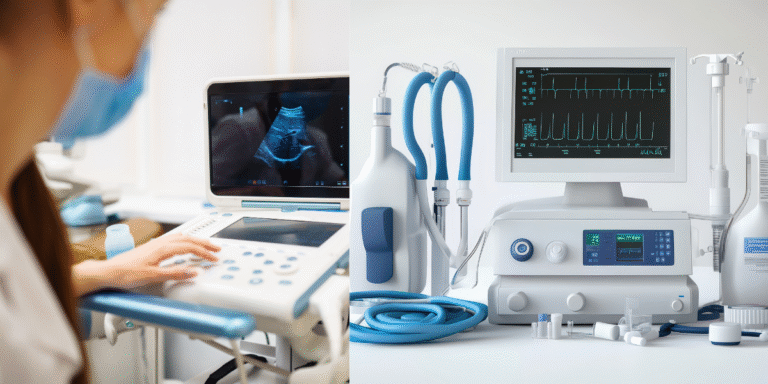
Misconception 4: “Students Have No Life Outside Studies”

The stereotype about the medical or pharmacy student who is always tired and studies 16 hours a day, crouching over textbooks, is still in the minds of many parents. This picture may give the impression that healthcare education is so daunting and imbalanced.

The Reality: Although the pharmaceutical and medical programs are admittedly strict, universities and colleges nowadays are aware of the significance of student well-being and work-life balance. The programs are structured and include scheduled time within which individuals are allowed to engage in personal activities, interact with others, and take care of themselves. Flexible schedules, available at many institutions such as the Pharma-Medical Science College of Canada, support various learning styles and other life situations. The students are good time managers and will engage in clubs, volunteering, as well as hobbies, in addition to studying. It is the trick of effective studying and proactive learning styles, instead of spending hours and hours with textbooks. The goal of healthcare programs is to produce well-rounded professionals who can take care of their own well-being and health while also attending to others.

Misconception 5: “Medical School Is Just Memorization”

The pharmaceutical and medical education that parents run through their minds (endlessly) is often seen as memorization of names of drugs, anatomy, disease processes, and guiltless mind-exercise.

The Reality: The modern pharmaceutical medical education focuses on learning as opposed to memorization. Although the foundational knowledge is needed, the current curriculum is based on critical thinking, problem-solving, and the application of concepts to real-life situations. Students learn to interpret information, make evidence-based decisions, and be flexible with new information rather than memorize facts. The traditional lecture-based learning has been largely supplanted with active learning techniques such as case studies, simulations, laboratory work and collaborative projects. This method also produces professionals who can think independently, solve complex problems, and continue learning even after entering their careers. The aim is to create critical thinkers who can navigate a dynamic health care environment.

Connect with Us for Details on the Medical Healthcare Training Program

The Modern Landscape of Pharma-Medical Education

The Modern Landscape of Pharma-Medical Education

The current pharmaceutical education in Canada has developed largely from old models. The industry requires a technically skilled, flexible workforce willing to join at short notice. This has given birth to specialized and short-term diploma programs that provide high-impact training and are not exposed to the long-term approach of a traditional degree program.

Pharmaceutical quality control programs equip students to handle medications safely and to comply with regulatory standards. Training in manufacturing equips graduates to manage production processes in pharmaceutical plants. Medical sonography programs are diagnostic programs that prepare specialists in the latest imaging technology. These focused educational pathways allow students to enter rewarding pharmacy assistant careers and related healthcare roles in months rather than years.

The classroom learning experience has changed with the process of transition to active learning and integration of technologies. The use of artificial intelligence to facilitate personalized learning is now supported by tools that help students recognize what they do not know and practice what they are good at. Virtual simulation is a safe setting used to learn the techniques before dealing with real patients or drugs. Laboratory facilities that meet industry standards provide students with practical experience of what they will be working with in their profession, as well as protocols.

Why Pharma-Medical Science College of Canada?

Why Pharma-Medical Science College of Canada?

When considering pharmaceutical medical education options in Canada, Pharma-Medical Science College of Canada stands out for several compelling reasons. The institution has built its reputation on providing practical, industry-relevant training that prepares students for immediate employment in healthcare settings.

The main component of any program is hands-on training. The learners are trained in industrial laboratories using the same technology and tools used in pharmaceutical firms, hospitals, and clinics in Canada. This experiential learning ensures that graduates are competent and confident on the first day of their respective careers. Learning how to control quality in the learning process, how to manufacture or take care of patients, students acquire practical skills that are directly transferred into the workplace.

The college understands that many students have a combination of work, education, family, and other duties. Quality pharmaceutical education Canada is available to different learners by providing flexible schedule alternatives, such as evening classes and weekend classes, for some of the programs. This inclusivity clears the misunderstanding that healthcare education requires one to leave behind all other life aspects.

For parents exploring pharmacy assistant careers and other healthcare pathways for their children, institutions like Pharma-Medical Science College represent an investment in practical, achievable education that leads to stable, meaningful employment.

Conclusion

The journey through pharmaceutical and medical education is filled with challenges, rewards, and opportunities that don’t always align with popular medical college myths. By understanding the reality behind common healthcare education misconceptions, you can better support your child’s aspirations and help them make informed decisions about their future.

The reality is that healthcare professionals provide a wide range of opportunities for active and continuous learning, rather than encyclopedic knowledge; teamwork and critical thinking rather than merely memorization; and balance through proper time management. The entry point to this lucrative field is through modern pharmaceutical education Canada, especially the particular diploma programs.

Ready to explore the reality of modern pharmaceutical education? Visit Pharma-Medical Science College of Canada or contact us to discover programs that combine practical training, flexible scheduling, and comprehensive career support.

Connect with Us for Details on the Medical Healthcare Training Program

How Does Prior Work Experience or a Different Degree Impact Admission into a Pharmacy/Medical Program?

Prior Work Experience or a Different Degree Impact Admission: Blog Feature image

After considering a career change to pharmacy or medical sciences, you must have posed some hard questions to yourself. “Am I too old to start over?” I am worried the non-science degree will work against me. Will my retail job matter to the admissions committees? These fears are all natural, but the good news is that the field of healthcare is evolving, and your personal history may be the very thing that makes you different.

The Changing Face of Healthcare Students

The Changing Face of Healthcare Students

Enter any pharmaceutical store or program in the field of medicine, and you will see something that is not common after ten years. There are not just fresh-faced high school graduates in the classroom holding their first acceptance letters. Rather, there are former retail managers, administrative people, career-switchers from business backgrounds and, of course, individuals who already have a degree in an entirely unrelated area.

Healthcare education has been changing to recognize that the most effective healthcare providers do not necessarily follow a linear path. The industry requires individuals who contribute real-world work, emotional support, and varied perspectives to patient care. It is why schools are finding it more attractive to look beyond transcripts to assess the entire individual, and that is where the prior work experience or alternate degree comes in as a big asset.

It is natural to be worried about being “too old” or with the “wrong” background, though this is usually baseless. Indeed, across most admission offices in institutions such as Pharma-Medical Science College of Canada, maturity, dedication, and life skills of career changers are welcome in our programs.

The “Holistic” Admission Trend: Why Grades Aren’t Everything Anymore

The "Holistic" Admission Trend: Why Grades Aren't Everything Anymore

You likely heard the word ‘holistic admissions’ bantered about in your research, and maybe you have read summaries of pharmacy program admission requirements. But what does it mean to you?

Holistic admissions medical school and pharmacy program practices evaluate applicants based on multiple dimensions rather than just GPA and test scores. Admissions committees are now looking at:

  • Your employment history and what it reveals about your personality.
  • The things that have happened in your life have sparked your interest in healthcare.
  • Experience in soft skills, including communication, empathy, and problem-solving.
  • Your dedication to the career (through volunteering, job shadowing, or other such work).
  • Personal challenges you’ve overcome.
  • The reasons why you seek healthcare.

This change recognizes that a 4.0 GPA does not necessarily translate to great patient care. An applicant who has served as a pharmacy assistant as part of the prerequisites may better understand the process of providing medication and dealing with patients than an applicant who has never left the library. A person who has been in charge of a retail team knows how to handle stress, conflicts, and customer support, which is very important in the healthcare environment.

When evaluating how prior work experience affects pharmacy program admission, admissions teams are looking for evidence that you understand what you’re getting into and that you’ve developed transferable skills that will make you a better healthcare professional.

The Impact of Prior Work Experience on Your Application

The Impact of Prior Work Experience on Your Application

Not every work experience has been equal in the admissions committees, but this does not imply that non-healthcare expertise is useless. We can divide how various kinds of work history can make your application stronger.

Healthcare Experience: Your “Golden Ticket” for Proving Commitment

If you’ve worked as a pharmacy assistant, pharmacy technician, medical receptionist, or in any patient-facing role, you’re holding what many admissions officers consider the golden ticket. This experience demonstrates several critical qualities:

  • Genuine commitment to the field: You have already tried the waters and decided to get into the deep water. It is not a fantasy ideal of a career; you are aware of the reality of daily life.
  • Understanding of healthcare environments: You are familiar with the pace, terminology, patient care, and challenges. Your initial clinical placement will not shock you.
  • Practical knowledge base: You are already familiar with the processes of medication dispensing, patient confidentiality, insurance and clinical workflow. This grounding would enable you to work on high-level concepts and not simple orientation.
  • Professional references: Your managers can comment on your reliability, your skills in patient care, and your ability to handle healthcare tasks.

When discussing prior work experience, pharmacy medical program admission in your application essays or interviews, highlight specific situations where you demonstrated clinical judgment, compassion under pressure, or commitment to patient safety. These concrete examples carry far more weight than generic statements about “wanting to help people.”

Non-Healthcare Experience: The Hidden Value of “Soft Skills”

Possibly, you have worked in retail management, administration, customer service, or in completely different areas. It depends on how valuable this can be to you. Health care is a people business, and the soft skills that you have gained directly apply to patient care.

  • Retail and customer service experience teaches you how to approach different populations, how to graciously handle difficult conversations, how to cope with stress when the store is busy, and how to resolve issues on the spot. These are precisely the same skills you will require when you have to convey the medication instructions to a nervous patient or handle a pharmacy at the time of the flu season.
  • Administrative and office experience provides attention to detail, organizational skills, time management, and the capacity to balance between several priorities, which are important to control the patient records, insurance authorizations, and medication orders with the required accuracy.
  • Management experience demonstrates leadership, team collaboration, conflict resolution, and decision-making under pressure. Healthcare is becoming more collaborative, and these are the skills that can make you a good working partner.

In your application, frame these experiences through a healthcare lens. Instead of saying “I managed a team of 10 retail employees,” try “I developed strong communication and conflict-resolution skills while managing a diverse team, which prepared me to collaborate effectively in multidisciplinary healthcare settings.”

Connect with Us for Details on the Medical Healthcare Training Program

The “Second Career” Student: How Your Different Degree Impacts Admission

Already have a bachelor’s degree in something other than pharmacy or health sciences? This is becoming a common thing, and it can be highly beneficial in your favour, no matter what your major is.

Science Degrees: Fast-Tracking Your Healthcare Understanding

In the case that you have a degree in biology, chemistry, biochemistry, or any health-related science, you will have a major lead in terms of background knowledge. You have now learned the scientific method, laboratory methods, and fundamentals in anatomy, physiology or pharmacology.

This background means you can:

  • Quickly grasp complex pharmaceutical concepts.
  • Understand drug mechanisms and interactions more intuitively.
  • Excel in courses involving biochemistry and pathophysiology.
  • Give your energies towards clinical application and not basic science catch-up.

However, don’t let this advantage make you complacent. The admissions committees will want you to prove that you are aware of the distinction between laboratory science and patient-centred care. Demonstrate that you have pursued patient interaction experience and that you are ready to meet the interpersonal healthcare requirements.

Non-Science Degrees: Bringing Diverse Perspectives to Patient Care

Hold a degree in business, psychology, communications, arts, or humanities? Excellent. Healthcare desperately needs professionals who can think beyond the purely clinical.

  • Business degrees provide an understanding of healthcare economics, operational efficiency, and management concepts, which are becoming increasingly relevant as pharmacists assume broader roles in healthcare management.
  • Psychology and social science backgrounds offer a profound understanding of human behaviour and mental health, as well as the social determinants of health. You will be better positioned to understand why patients fail to adhere to their medications as required or to communicate effectively with vulnerable groups.
  • Communications and humanities degrees build critical thinking and ethical thinking as well as communication skills. You can translate complex medical information into understandable language and navigate the moral issues that arise in patient care.

The key is to show that you have (or are doing) the required science courses to be admitted and that you value your diverse background as a strength, rather than a weakness. Describe in your application documents your special outlook and how it will make you a more balanced healthcare professional.

Why Pharma-Medical is the Right Fit for Career Changers

Why Pharma-Medical is the Right Fit for Career Changers

If you’re pursuing a career change to pharmacy or medical sciences, not all educational institutions are equally welcoming to non-traditional students. Pharma-Medical Science College of Canada has specifically designed their approach to support career changers and students with diverse backgrounds.

  • Recognition of prior learning: The admissions process of Pharma-Medical appreciates that learning can occur in various environments as opposed to the traditional classroom setting. Your life experience and past academic training would also count towards your general preparation for healthcare training.
  • Practical, hands-on healthcare training: Career changers usually prefer to enter the field as soon as possible without compromising on education. Pharma-Medical focuses on real-life or practical laboratories that will bridge the gap between theory and practice. You are not reading only about patient care but actually practicing it in contemporary laboratory facilities with instructors with the years of experience and introduce industry knowledge.
  • Fast-track diploma options: In contrast to traditional four-year programs, Pharma-Medical provides diploma programs that enable you to start in the healthcare workforce sooner. The Diagnostic Medical Sonography, Massage Therapy, Personal Support Worker, and other healthcare specialization programs are career-oriented, with no unnecessary courses.
  • Supportive learning environment: Pharma-Medical has more than 15 years of experience training medical workers, which gives it insight into the special situations career changers can encounter. The college has financial support as well as flexible scheduling options, and a high employment percentage, which proves that they not only focus on educating their students but also on developing their careers.

The combination of practical, hands-on health care training and recognition of your previous experience makes Pharma-Medical especially well-suited for students transitioning to the healthcare sector from other disciplines.

Take the Next Step in Your Healthcare Journey

Making a career change to pharmacy or medical sciences is a significant decision, but it’s one that thousands of successful healthcare professionals have made before you. The experience you have had in your previous job and your various academic experiences are not factors you need to jump over, but rather strengths that will make you a more empathetic, well-rounded health care expert.

If you’re ready to explore how your background fits into a healthcare career, Pharma-Medical Science College of Canada offers programs specifically designed for career changers like you. With modern facilities, experienced instructors, practical training, and a track record of successful graduate employment, Pharma-Medical can help you transition from where you are to where you want to be.

Ready to learn more about pharmacy program admission requirements and how your experience positions you for success? Contact us today to see the facilities, meet instructors, and get your specific questions answered. Your healthcare career is waiting, and your unique journey to get there is exactly what the field needs.

Connect with Us for Details on the Medical Healthcare Training Program

How Healthcare Certifications Boost Your Earning Potential and Long-Term Career Growth

Feature Image

A rewarding healthcare career rarely happens by accident. It grows from deliberate learning, strong credentials, and well-planned steps that raise your profile with employers and patients alike. Earning healthcare certifications through accredited healthcare courses gives you recognized proof of skill and dedication. Prospective students, working professionals, parents, advisors, healthcare providers, and international learners all benefit from a clear roadmap that leads to respected qualifications. With medical certification courses and high-quality healthcare training programs in Ontario, you position yourself for steady advancement, meaningful work, and higher earnings.

Why Healthcare Certifications Matter in Today’s Healthcare Landscape

Why Healthcare Certifications Matter in Today's Healthcare Landscape

Credentials set a clear benchmark of capability. They help employers identify candidates who can deliver safe, effective care from day one and who are committed to continuous improvement supported by accredited healthcare courses and medical certification courses.

Enhanced Professional Credibility and Trust

Earning healthcare certifications signals verified competence that strengthens your reputation with employers, colleagues, and patients. When your training comes from accredited healthcare courses, your qualifications carry recognizable weight across clinics, hospitals, and community settings. Paired with well-structured medical certification courses, these credentials build trust around your clinical judgment and reliability.

Proving Readiness for Leadership and Higher Responsibility

Teams look to certified professionals when assigning supervisory tasks or leading projects. Advancing through healthcare certifications shows you can handle complex responsibilities with consistency and care. Completing medical certification courses demonstrates that your knowledge is current and that you can translate standards into daily practice, a key signal for promotion.

How Healthcare Certifications Drive Higher Earning Potential

How Healthcare Certifications Drive Higher Earning Potential

Compensation often rises when you bring validated skills to the table. Employers frequently tie pay bands to proven competencies documented through healthcare certifications and rigorous medical certification courses.

Higher Salaries for Certified Healthcare Professionals

Certified employees tend to qualify for roles with stronger pay brackets, shift premiums, or specialty differentials. Graduates of respected healthcare training programs in Ontario can point to specific healthcare certifications that align with local labor demands and regulated scopes of practice. Adding targeted medical certification courses often unlocks second credentials that move you into higher tiers.

Better Negotiating Power and Added Job Security

When you present healthcare certifications, you add concrete evidence of quality that strengthens salary discussions. Completing medical certification courses gives you quantifiable training hours, competency checklists, and exam results that support requests for raises or new responsibilities. These assets also improve job security, since certified staff are difficult to replace without disrupting care.

The Significance of Certifications for Prolonged Professional Development and Progress

The Significance of Certifications for Prolonged Professional Development and Progress

Career development relies on steady gains in competence, scope, and responsibility. Earning healthcare certifications through accredited healthcare courses creates a ladder you can climb with confidence.

Promotions and Specialized Career Tracks

Many advancement pathways list healthcare certifications as required or strongly preferred. Strategic medical certification courses can qualify you for specialized tracks such as clinical supervision, lead technician roles, coordination positions, or department management. Each additional credential widens the range of roles you can pursue over a multi-year plan.

Skill Enhancement and Specialization Opportunities

Targeted accredited healthcare courses help you develop focused skills that improve day-to-day performance, from patient communication to advanced instrumentation. Adding medical certification courses lets you deepen expertise in niche areas that hospitals and clinics value. Those specializations often come with clearer promotion routes and stronger pay bands.

Staying Updated With Evolving Industry Standards

Best practices evolve, and healthcare certifications help you keep pace with procedural updates and safety protocols. High-quality accredited healthcare courses refresh core knowledge while aligning your competencies with current regulations and guidelines. Completing medical certification courses at planned intervals keeps your toolkit fresh and your practice consistent with modern requirements.

Connect with Us for Details on the Medical Healthcare Training Program

Types of Healthcare Certifications That Make the Biggest Impact

Types of Healthcare Certifications That Make the Biggest Impact

Choosing the right credential begins with clarity on your starting point and destination. A mix of healthcare certifications, accredited healthcare courses, and stackable medical certification courses can create an efficient plan.

Foundational Certifications for Beginners

Entry-level healthcare certifications establish baseline competence across patient care, safety, and documentation. Foundational accredited healthcare courses introduce essential procedures, communication, and ethics in clinical settings. Early medical certification courses also prepare newcomers for exams and practical assessments.

Advanced Certifications for Experienced Professionals

As your responsibilities grow, advanced medical certification courses validate higher-order skills that support leadership and specialist roles. Building a portfolio of healthcare certifications helps you qualify for roles with greater scope, such as advanced diagnostics or quality oversight. Pairing these with accredited healthcare courses sustains your momentum toward senior positions.

Choosing the Right Healthcare Training Program in Ontario (and Beyond)

Choosing the Right Healthcare Training Program in Ontario (and Beyond)

Program selection influences both your educational experience and employment outcomes. Evaluate healthcare training programs in Ontario with attention to accreditation, curriculum depth, practicum design, and exam preparation supported by accredited healthcare courses.

Accreditation, Curriculum Standards & Real-World Experience

Accreditation confirms that accredited healthcare courses meet recognized educational and regulatory benchmarks. Strong programs combine theory with simulations, labs, and clinical placements that translate to job-ready skills. Integrating medical certification courses helps you prepare for credentialing exams with confidence and clear timelines.

Online vs. In-Person Certification Pathways

Flexible online formats can suit working learners who need to balance study and employment while pursuing healthcare certifications. Campus-based delivery can maximize lab time, mentorship, and peer collaboration within accredited healthcare courses. Many healthcare training programs in Ontario now blend both formats, and targeted medical certification courses often offer hybrid options.

How to Begin Your Certification Journey: Practical Steps for Success

How to Begin Your Certification Journey_ Practical Steps for Success

Clear goals and a realistic schedule keep your education on track. Combining healthcare certifications with a mix of medical certification courses creates a structure that supports steady progress.

Setting Goals and Choosing the Right Credential

Start by mapping your target role, then identify required healthcare certifications and any supplementary medical certification courses. Compare prerequisites, exam dates, and practicum needs across respected healthcare training programs in Ontario. Seek programs that package accredited healthcare courses with advising support and flexible study tracks.

Preparing for Certification Exams & Excelling in Your Program

Plan study blocks, practice with exam-style questions, and track performance by topic in your medical certification courses. Use the instructor’s office hours, tutoring, and peer study groups available within accredited healthcare courses. Capstone projects, labs, and supervised practice all reinforce the competencies evaluated by healthcare certifications and keep your skills sharp.

How Pharma-Medical Science College of Canada Supports Your Certification Journey

How Pharma-Medical Science College of Canada Supports Your Certification Journey

Pharma-Medical Science College of Canada focuses on career outcomes, hands-on learning, and structured exam preparation. Students build competencies aligned with employer expectations through healthcare training programs in Ontario, accredited healthcare courses, and stackable medical certification courses that support lasting success.

Our Accredited, Career-Driven Diploma Programs

Diploma options span pharmaceutical manufacturing, quality control, medical lab technology, diagnostic sonography, massage therapy, and pharmacy assistant training. Each pathway integrates accredited healthcare courses designed to build practical skill and confidence for credentialing. Many tracks are layered in medical certification courses and culminate in healthcare certifications aligned with provincial and national standards.

Supporting International and Domestic Students Through Every Step

International and domestic learners receive guidance on admission requirements, visas, and settlement resources within comprehensive healthcare training programs in Ontario. Financial aid advising helps eligible students navigate funding for accredited healthcare courses and related expenses. Academic coaching and mentoring complement medical certification courses to keep learners progressing toward healthcare certifications.

Our Commitment to Your Professional Growth

Curricula integrate theory, simulation, and clinical practice to build a strong evidence-based approach to care. Faculty with industry experience teach accredited healthcare courses that prepare you for real-world challenges and credentialing timelines. Through carefully sequenced medical certification courses, you develop the depth needed for advanced healthcare certifications and leadership opportunities.

Conclusion

Professional growth accelerates when your training is structured, recognized, and tightly connected to employer needs. By combining healthcare certifications, focused medical certification courses, robust healthcare training programs in Ontario, and quality accredited healthcare courses, you set a course for higher earnings, stronger credibility, promotions, and long-term career momentum.

Ready to move forward with a school that aligns learning with real opportunities? Apply to Pharma Medical Science College of Canada for hands-on programs that lead to respected credentials and meaningful work. Speak with an advisor today to plan your path through accredited healthcare courses, targeted medical certification courses, and industry-recognized healthcare certifications within proven healthcare training programs in Ontario.

Connect with Us for Details on the Medical Healthcare Training Program

Do You Need Healthcare Experience for a Cardiac Sonography Diploma—Or Can Anyone Start?

Feature Image

Thinking about a future in cardiac imaging, but unsure where to start? Cardiac sonography is attracting students across Ontario and Canada because it blends patient care, high-impact diagnostics, and steady job prospects. The big question many ask is simple yet pivotal: Can you enroll without prior healthcare experience, or do you need a foundation first? This guide breaks down how admission works, what training looks like, and why prerequisites matter. By the end, you will know where you stand, what to prepare, and how to move forward with confidence in a cardiac sonography program that aligns with your goals to become a cardiac sonographer.

Understanding the Role of a Cardiac Sonographer

Understanding the Role of a Cardiac Sonographer

Cardiac sonographers play a central role in cardiovascular care by producing real-time ultrasound images of the heart. The profession is growing across Canada due to increased cardiac disease prevalence and expanded diagnostic services.

Daily Responsibilities and Clinical Workflow

Cardiac sonographers perform echocardiograms, apply patient positioning techniques, and capture quality images that cardiologists use to diagnose and guide treatment. They communicate exam steps clearly, support patient comfort, and maintain equipment standards. Collaboration with cardiology teams shapes daily workflow, which is why a cardiac sonography program trains students to operate efficiently and ethically as they prepare to become cardiac sonographers.

Core Skills Needed in the Profession

The role calls for technical precision, deep anatomical knowledge, steady patient communication, and meticulous attention to detail. Professionals must interpret dynamic physiology while adjusting gain, depth, and Doppler settings to optimize image quality. These competencies are cultivated systematically in a cardiac sonography program, helping graduates become cardiac sonographers ready for clinical practice.

Do You Need Healthcare Experience to Enter a Cardiac Sonography Program in Ontario?

Do You Need Healthcare Experience to Enter a Cardiac Sonography Program in Ontario

Most Ontario pathways are structured for applicants who already have healthcare education or a related degree. This model supports fast-paced learning and early clinical exposure.

Why Ontario Programs Require Prior Healthcare Education

Cardiac sonography diplomas move quickly, compressing complex theory and labs into a short window. Programs teach advanced imaging concepts, which require students to arrive with patient-care experience and foundational sciences. Accreditation standards and clinical partner expectations often tie eligibility to existing credentials, so a cardiac sonography program can concentrate on the specialized training needed to become a cardiac sonographer.

Rare Exceptions and What They Involve

Direct-entry options right from high school are unusual in Ontario. Where limited openings exist, they typically involve extensive prerequisite science courses and competitive screening. Even in these cases, candidates strengthen their readiness through volunteer experience, shadowing, or bridging, which helps them progress in a cardiac sonography program and ultimately become cardiac sonographers safely and effectively.

Admission Requirements for Ontario Cardiac Sonography Programs

Admission Requirements for Ontario Cardiac Sonography Programs

Ontario programs generally follow two eligibility pathways. Understanding which path applies to you will help you organize transcripts, prerequisites, and timelines.

Pathway 1, Prior Healthcare Credential (Most Common Route)

Applicants often hold a diploma or advanced diploma in a registered health profession, such as:

  • Medical Radiation Technology, Respiratory Therapy, Registered Practical Nursing
  • Cardiovascular Technology, Registered Massage Therapy

Graduates from these programs bring clinical communication, patient handling, and baseline physiology, which accelerates their progress. With this foundation, they can step into a cardiac sonography program and become a cardiac sonographer with fewer academic gaps and stronger clinical readiness.

Pathway 2, Bachelor’s Degree in a Medical or Health-Related Science

Many programs accept bachelor’s degrees in fields like Kinesiology, Nursing, and Applied Health Sciences. Strong performance in anatomy, physiology, biology, and pathology is typically expected. This pathway suits career changers who want a direct clinical role, using their degree to enter a cardiac sonography program and become a cardiac sonographer through focused, practical training.

Additional Admission Requirements

Applicants are commonly asked to provide English proficiency results, an updated criminal record and vulnerable sector screening, and immunization records aligned with clinical partner policies. Meeting these standards supports early placement success in a cardiac sonography program, creating a smoother path to becoming a cardiac sonographer.

Connect with Us for Details on the Medical Cardiac Sonography Program

Why These Requirements Exist

Cardiac imaging involves real-time decisions that affect patient safety and diagnostic accuracy. Prerequisites help programs teach advanced content without reteaching fundamentals.

The Advanced Nature of Echocardiography

Echocardiography requires interpreting chamber size, wall motion, valve function, and hemodynamics while managing probe orientation and Doppler measurements. Students need medical terminology and physiology from day one, so the cardiac sonography program can focus on echo mastery, accelerating the journey to become a cardiac sonographer who can deliver reliable studies.

Clinical Rotations Demand Immediate Readiness

Students enter hospitals early, where they interact with diverse patients and clinical teams. Prior healthcare exposure shortens the learning curve and improves patient interactions. This foundation supports meaningful progress in a cardiac sonography program, building confidence and competence to become a cardiac sonographer who integrates seamlessly into care teams.

What Students Learn in a Cardiac Sonography Program

What Students Learn in a Cardiac Sonography Program

Even experienced applicants start with a focused foundation, then move into advanced echo topics. The curriculum stacks theory, lab practice, and clinical rotations in a logical sequence.

Core Curriculum Examples

Students study cardiac anatomy and physiology, ultrasound physics, Doppler principles, cardiac pathology, and instrumentation. They learn image acquisition protocols, scanning planes, and quality optimization. This integrated coursework shapes the core competencies a cardiac sonography program requires, preparing graduates to become cardiac sonographers with sound judgment.

Practical Labs and Simulation Training

Labs provide hands-on scanning practice with peers and models, supported by faculty feedback. Simulation refines image acquisition, probe control, and measurement skills in a safe environment. Iterative practice bridges theory and clinical performance, aligning with the expectations of a cardiac sonography program and the goal to become a cardiac sonographer.

Clinical Placements

In-hospital rotations immerse students in real patient care, supervised by experienced cardiac sonographers and cardiology teams. Learners practice complete exam protocols, documentation, and communication. These placements are the capstone of a cardiac sonography program, offering the experience needed to become a cardiac sonographer ready for entry-level roles.

Career Outlook After Becoming a Cardiac Sonographer

Career Outlook After Becoming a Cardiac Sonographer

Graduates find opportunities in hospitals, diagnostic labs, and cardiology clinics across provinces. Workforce demand is driven by population aging and the need for cardiovascular screening and follow-up.

Entry-Level Positions

New graduates often step into echocardiography technologist roles where they perform standard transthoracic studies and assist with stress testing. The transition from student to staff is supported by mentorship and structured onboarding. Completing a cardiac sonography program positions candidates to become cardiac sonographers with immediate clinical value.

Specializations and Continuing Education

After building a strong base, some professionals focus on pediatric echocardiography, stress echo, or multi-modality cardiac imaging that complements ultrasound. Additional competencies can open doors to advanced practice or leadership. A solid start in a cardiac sonography program provides the platform to become a cardiac sonographer who grows throughout a career.

Professional Certification Pathways

Employers commonly value ARDMS or CCI credentials as proof of competence and commitment. Preparing for registry exams includes case review, physics refreshers, and protocol mastery. Strong exam performance reflects disciplined training in a cardiac sonography program and supports the goal to become a cardiac sonographer whom hiring managers trust.

Who Should Consider This Path?

Different applicant profiles can thrive, provided they match their background to the right pathway. Clarity about fit helps with planning and timelines.

Healthcare Professionals Seeking Advancement

Nurses, MRTs, RTs, RPNs, and cardiovascular technologists often transition smoothly because they already work with patients and clinical systems. Their experience speeds up skill acquisition in labs and rotations. With focused training in a cardiac sonography program, they can become a cardiac sonographer poised for growth.

Graduates with Health or Science Degrees

Bachelor’s graduates looking for a direct, patient-facing role will find a clear trajectory. With prerequisite sciences in place, they can pivot from academic learning to applied imaging. This pathway uses a cardiac sonography program as the bridge to become a cardiac sonographer in a practical, hands-on setting.

International Students

Prospective learners from abroad should plan for credential evaluation, language testing, and regulatory steps. Advising support helps translate previous education into local requirements and timelines. When aligned properly, international applicants can enter a cardiac sonography program and become a cardiac sonographer in the Ontario context.

Academic Advisors and Parents

Advisors and parents can help candidates chart prerequisites early, schedule labs strategically, and plan volunteer or shadowing experiences. Early planning avoids delays and strengthens applications. This support builds momentum toward a cardiac sonography program and the decision to become a cardiac sonographer.

Next Steps for Prospective Applicants

A clear action plan can shorten your path and reduce stress. Start by matching your current credentials to the right entry route.

How to Prepare Before Applying

  • Upgrade sciences such as anatomy, physiology, and biology if your transcript has gaps or older grades.
  • Explore bridging or post-grad certificates that close competency gaps efficiently.
  • Shadow a cardiac sonographer to confirm fit and understand day-to-day clinical realities.

Each step deepens your readiness, strengthens your application, and clarifies expectations within a cardiac sonography program, smoothing your progress to become a cardiac sonographer.

Questions to Ask Programs

  • Accreditation status and recognition within Ontario and across Canada
  • Clinical placement partnerships and the variety of rotation sites
  • Competitiveness of admission and typical applicant profiles
  • Graduate success rates and first-time cert exam outcomes

Clear answers to these questions help you choose a cardiac sonography program that matches your learning style and career timeline, positioning you to become a cardiac sonographer with confidence.

How We Support Your Journey at Pharma-Medical Science College of Canada

How We Support Your Journey at Pharma-Medical Science College of Canada

Pharma-Medical Science College of Canada is to deliver career-focused healthcare education that aligns with Ontario standards and employer expectations. We support both domestic and international learners with a structured path that complements future advanced studies.

Our Hands-On Training Environment

We highlight practical learning in facilities such as an ultrasound lab, pharmacy simulation lab, and microbiology lab. This environment builds technical discipline, critical thinking, and professional communication. The skills translate directly to the demands of a cardiac sonography program, helping you become a cardiac sonographer who excels in clinical settings.

Our Commitment to Student Support

From academic advising to career guidance and clinical placement assistance, our services are designed to reduce friction and keep your progress steady. Financial aid advising, including OSAP guidance, helps you plan responsibly. With the right support, you can focus on the competencies that matter in a cardiac sonography program and the journey to becoming a cardiac sonographer.

Why Students Choose Us

Students value flexible scheduling, experienced faculty, and an industry-relevant curriculum that fits real healthcare needs. Our approach emphasizes practical readiness and individualized support. These strengths align with the preparation needed before entering a cardiac sonography program, giving you momentum to become a cardiac sonographer.

Conclusion

Ontario programs that train cardiac imaging professionals typically expect applicants to bring healthcare education or a related degree. That structure protects patient safety, supports early clinical success, and allows focused training in echo techniques. If you are mapping your path, start by confirming which eligibility route you fit and organizing your prerequisites, labs, and documentation accordingly. With thoughtful planning and targeted preparation, a cardiac sonography program can position you to become a cardiac sonographer in a rewarding field.

Ready to take the next step with a student-first environment and practical guidance? Contact Pharma Medical Science College of Canada to discuss pathways, timelines, and support. Your journey can start today, and your preparation can set a clear course to clinical practice.

Connect with Us for Details on the Medical Cardiac Sonography Program