Pharmacy Assistant Course in Ontario, Canada: Duration, Fees, Subjects, and Career Opportunities

Featured Image

Choosing a pharmacy assistant course is one of the most practical ways to enter the healthcare field in Canada without spending years in school. Pharmacies need trained support staff who can help with daily operations, inventory, customer service, and prescription workflow support in a professional, regulated environment.

In this guide, you will learn what to expect from a pharmacy assistant course Ontario students typically take, including pharmacy assistant course duration, pharmacy assistant course fees, core subjects, practical training, admissions, and career options in Toronto, Ontario, Canada. If you are comparing options for a pharmacy assistant course in Canada, this blog will help you make a confident decision.

What Is a Pharmacy Assistant and What Is the Role of Pharmacy Assistants?

A pharmacy assistant supports the pharmacy team by helping with front-end operations and assisting with the prescription workflow under supervision. In community and hospital settings across Ontario, the role centers on accuracy, organization, and customer care.

Common day-to-day tasks often include:

  • Assisting with prescription processing support, such as preparing paperwork, organizing prescription orders, and supporting workflow steps as assigned
  • Stock and inventory support, including ordering, receiving, rotating, and tracking expiry dates
  • Using pharmacy computer dispensing systems for workflow support tasks and data entry, where applicable
  • Customer and patient service support, including answering general questions and directing concerns to the pharmacist (non-clinical support)

Where pharmacy assistants work in Ontario:

  • Local pharmacies in Toronto and throughout Ontario
  • Hospital pharmacies and drugstores
  • Long-term care support settings and nursing homes
  • Drug distribution firms, organizations, and repackaging environments

For many people, completing an assistant pharmacy course is the bridge between wanting a healthcare career and getting hired into an entry-level pharmacy role with real advancement potential.

Who Should Take a Pharmacy Assistant Course in Ontario?

Who Should Take a Pharmacy Assistant Course in Ontario

A pharmacy assistant course can be a strong fit for people who want stable work, enjoy structured tasks, and like the idea of helping patients without becoming a regulated clinician.

This path is popular for:

  • People who want to switch careers and get into healthcare faster
  • New immigrants are gaining experience in the Canadian workplace.
  • Recent high school graduates looking for a job-ready credential
  • People in Toronto looking for healthcare jobs who want a job that is always in demand

Traits that help you succeed:

  • Strong attention to detail and comfort following procedures
  • Confidence with math for pharmacy calculations
  • Clear communication and customer service skills
  • Comfort working with computers and handling sensitive information

Local training is important for students in Toronto, Ontario. When you start applying for jobs in the GTA, a pharmacy assistant course that employers in Ontario recognize, along with a practicum or co-op placement, can really help.

Pharmacy Assistant Course in Canada: Core Subjects You Will Study

The core curriculum is what turns interest into job-ready ability. A quality Canada pharmacy assistant course focuses on both knowledge and workflow, so graduates can support pharmacists effectively and adhere to Canadian standards.

Pharmacy Terminology and Medical Terminology

You learn the language of the pharmacy environment, including common drug terms, abbreviations, and medical vocabulary that appear on prescriptions and patient profiles. This subject improves accuracy and confidence, especially in fast-paced settings.

Pharmacy Math and Dosage Forms

Pharmacy Math and Dosage Forms

Math for pharmacies is a big part of any pharmacy assistant course in Canada. You practice the math that pharmacists use in their daily work and get used to different types of medications and how to prepare them. This helps you do a better job in the dispensary workflow every day and makes fewer mistakes.

Pharmacology and Toxicology Basics

This topic talks about how drugs work in real life and why safety is important. In a pharmacy setting, you learn the basic ideas that help you handle medications safely, know which ones are high-risk, and understand basic toxicology principles.

Pharmacy Computer Dispensing System Training

Modern pharmacies rely on software systems for records, workflow, labels, and inventory tracking. A strong pharmacy assistant course includes training on pharmacy computer-dispensing systems so you understand how information flows through the pharmacy.

Inventory Management and Merchandise Management

Many pharmacy assistants are responsible for managing inventory every day. You learn about how to place orders, how to receive and store stock, how to keep track of expiration dates, and how pharmacy systems help with business.

Pharmacy Legislation and Ethics in Canada

Because pharmacy deals with sensitive health information, privacy, compliance, and ethics matter. This subject covers awareness of legislation, confidentiality, and professional expectations in the Canadian pharmacy workplace. It is an essential part of any pharmacy assistant course that Ontario students plan to use for employment.

Practical Training Components (Hands-On Experience That Employers Want)

Many employers in Toronto prefer candidates who have already been exposed to a real pharmacy workflow. That is why practical training is one of the most valuable parts of a pharmacy assistant course.

Co-op / Practicum Placement Experience

A practicum or co-op placement helps you move from theory to confidence. It allows you to practice what you learned in a real environment, follow workplace routines, and develop professional habits.

During placement, students typically practice:

  • Helping with prescription workflow steps while being watched
  • Tasks related to inventory include receiving, stocking, and checking for expiration dates.
  • Using computers and taking care of normal paperwork
  • How to talk to and help customers in a pharmacy

Examples of Placement Settings (Ontario and Canada)

Depending on the program, placements may be in community pharmacy environments and other healthcare-related settings. In Toronto and across Ontario, common workplace types include community pharmacies, larger retail pharmacy locations, and other pharmacy operations settings.

Pharmacy Assistant Course Duration: How Long Is Pharmacy Assistant Course Training?

Pharmacy Assistant Course Duration: How Long Is Pharmacy Assistant Course Training

One of the first questions people ask is how long a pharmacy assistant course lasts in Ontario. The answer depends on the school, schedule, and whether the program includes a co-op or practicum.

How Long Is a Pharmacy Assistant Course?

In general, a pharmacy assistant course duration may be presented in weeks or months. Timeline can change based on:

  • Full-time vs part-time structure
  • Instructor-led vs self-paced format
  • Whether a placement is included and how it is scheduled

Example Program Structure (Online Learning + Placement)

A common structure offered by career-focused colleges includes instructor-led training followed by a placement period. For example, one program model includes:

  • 34 weeks (900 hours) instructor-led full-time training
  • 6-week practicum (240 hours)
  • About 7 months of online learning plus about 1.5 months of practical placement

This structure is helpful for Toronto learners who want flexibility but still want real workplace exposure through placement.

Pharmacy Assistant Course Fees in Ontario: What to Expect

Pharmacy assistant course fees in Ontario can vary based on program length, delivery method, and what is included. When comparing options in Toronto, look beyond the headline number and confirm what support you are getting.

Course fees often cover:

  • Instructor-led training and learning materials
  • Access to online learning platforms, where applicable
  • Practical training coordination and placement support

Some schools also offer financial consultation, and financial aid may be available to those who qualify. Because pharmacy assistant course fees can change by intake, it is smart to confirm the latest details directly with the admissions team.

Admission Requirements for a Pharmacy Assistant Course in Ontario

Admission requirements vary, but many programs expect applicants to have at least a Grade 12 level education. Some schools may also accept a university degree or a diploma from a science college.

Common requirements include:

  • Grade 12 level or higher education
  • Demonstrated competency in English

If you are an international student, a mature student, or someone returning to school after time away, it is worth contacting the school to confirm your best entry route. Getting clarity early makes choosing the right pharmacy assistant course much easier.

Career Opportunities After an Assistant Pharmacy Course in Canada

Career Opportunities After an Assistant Pharmacy Course in Canada

Completing an assistant pharmacy course can open doors in multiple pharmacy-related environments. In Toronto and across Ontario, pharmacies and related employers look for dependable staff who understand workflow, accuracy, and professionalism.

Where Graduates Can Work

Graduates may pursue roles in:

  • Community drug store settings
  • Hospital drug store settings
  • Nursing homes and long-term care environments
  • Drug distribution companies or agencies
  • Repacking roles within the pharmaceuticals industry

Why Ontario Employers Value Co-op Experience

Co-op or practicum experience is often the difference between “trained” and “job-ready.” Employers value candidates who have already:

  • Followed real pharmacy workflow processes
  • Used pharmacy software systems in a workplace setting
  • Built confidence with customer service and professional communication

For this reason, choosing a pharmacy assistant course that students in Ontario can use to gain placement experience is a wise choice, as it also opens up strong career opportunities, especially in a competitive market like Toronto.

Pharmacy Assistant Course Ontario: Choosing the Right College (Quick Checklist)

When selecting a pharmacy assistant course, focus on outcomes and employability, not just marketing claims.

Use this quick checklist:

  • Instructor-led training vs self-paced learning
  • Co-op or practicum placement support
  • Strong coverage of pharmacy math, pharmacology basics, legislation, ethics, and computer systems
  • Location convenience for Toronto, North York, and the GTA, plus online learning options if needed
  • Career support and guidance for resumes and job readiness

A well-structured pharmacy assistant course in Canada should feel practical, organized, and aligned with what pharmacies actually do every day.


Study Pharmacy Assistant in Ontario with Pharma-Medical College 

If you want a clear path into pharmacy work in Toronto, Ontario, choosing the right pharmacy assistant course is essential. A career-focused program that combines instructor-led learning with practical placement can help you build real confidence before entering the job market.

If you are comparing pharmacy assistant course options in Ontario, look for training that reflects Canadian pharmacy standards and real workplace workflows. To learn about intake dates, course fees, and program format, connect with Pharma-Medical College and book a consultation. Your next step toward a pharmacy career in Toronto can start with the right training and guidance.

FAQs About Pharmacy Assistant Course in Ontario

A pharmacy assistant course is a training program that prepares students to support pharmacy operations in community or hospital settings. It usually covers terminology, pharmacy math, computer systems, inventory, and workplace standards.

How long does a pharmacy assistant course last? It depends on the college and schedule. Many programs run for several months and may include a practicum. Always confirm the full duration of the pharmacy assistant course, including placement time.

Core subjects in pharmacy assistant courses often include pharmacy terminology, medical terminology, pharmacy math, pharmacology basics, toxicology basics, inventory management, computer dispensing systems, and Canadian pharmacy legislation and ethics.

Many programs include a practicum or co-op placement. Practical training helps you apply classroom learning to real-world pharmacy workflows, improving job readiness in Toronto and across Ontario.

Some options include online learning with an in-person placement component. If you want an online-friendly pharmacy assistant course in Canada, confirm the current delivery format and placement requirements with the college.

After an assistant pharmacy course, graduates may work in community pharmacies, hospital pharmacies, nursing homes, distribution companies, or repacking settings, depending on experience and local demand.

 Pharmacy assistant course fees vary by school, program length, and what is included. Ask the admissions team what the fees cover and whether financial aid options are available.

Admission requirements often include Grade 12 level education or higher and English competency. Requirements can vary, so confirm with the school if you are an international student, a mature student, or changing careers.


Acupuncture Therapist Career in Toronto: Acupuncture Course & Licensing Guide

Featured Image

Acupuncture has become a well-recognized complementary health approach throughout Toronto, Ontario, Canada, especially as more people seek non-drug options for pain management, stress reduction, and overall wellness. In areas like North York and Markham, you will find acupuncture offered alongside massage therapy, physiotherapy, chiropractic care, and other rehabilitation services.

As demand grows, many regulated health professionals are exploring an acupuncture course to expand their scope, improve client outcomes, and add a valuable skill set to their practice.

This guide is written for RMTs and other regulated health professionals who want to do this Course that fits Ontario expectations and supports safe, effective care. We will cover what an acupuncture therapist does, who can enroll in an Ontario-based program, what to look for in acupuncture training, and how regulation works in the province. If you are comparing options for an acupuncture course across Canada, this Toronto-focused overview will help you make a confident decision.

Understanding the Role of an Acupuncturist and Acupuncture Therapist

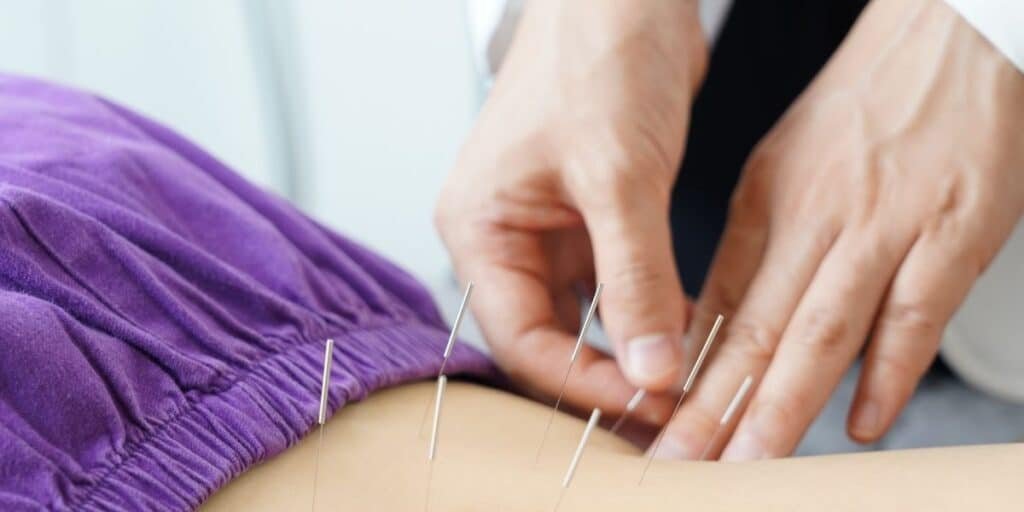
An acupuncture therapist uses fine, sterile needles and related techniques to stimulate specific points on the body. In clinical practice, it can help with goals such as reducing pain, making it easier to move around, and supporting the nervous system in dealing with stress. Putting in needles is only part of the job. It includes a clinical assessment, explaining the treatment plan, getting informed consent, preventing infections, and keeping records.

In Toronto and the GTA, acupuncture services are commonly offered in:

  • Massage therapy clinics
  • Physiotherapy and rehabilitation centres
  • Chiropractic clinics
  • Natural health and wellness clinics
  • Private acupuncture clinics
  • Some community-based and teaching hospital environments

For regulated professionals, acupuncture training is often about adding a structured, evidence-informed approach to an existing practice. If you are building your long-term career plan in Ontario, understanding how the role of an acupuncture therapist fits within the regulated scope is just as important as choosing the right acupuncture course.

Education Requirements for Acupuncturists in Ontario (Who Can Take This Type of Program)

Education Requirements for Acupuncturists in Ontario


Ontario has specific expectations around safety, competencies, and scope when regulated professionals perform acupuncture. That is why eligibility matters. Programs designed for regulated health professionals typically require applicants to have a healthcare background already.

A common eligibility profile includes regulated or professionally trained practitioners such as:

  • Registered Massage Therapists (RMTs)
  • Physiotherapists
  • Chiropractors
  • Osteopaths
  • Traditional Chinese Medicine (TCM) practitioners and related professionals

It’s not just about price or convenience when picking the right acupuncture program. It’s about learning in a way that encourages safe technique, professional responsibility, and making the right clinical decisions. When people look for the best acupuncture schools, they usually mean well-known schools with a structured curriculum, a strong safety culture, and training that meets Ontario’s practice standards. If you want to find an acupuncture course you can trust, the first thing to do is make sure the program is right for your job and level of expertise.

Acupuncture Courses and Programs in Toronto (What to Look For)

Not every acupuncture course is built the same. Some are introductory and general, while others are designed to support expectations for professional practice. If you are comparing an acupuncture program Toronto professionals can use to expand their services, focus on three core areas: length, curriculum, and hands-on delivery.

Program length

The length of the program is important because acupuncture is a technical skill that improves with guided repetition and supervised practice. A 340-hour acupuncture course is a big commitment, but it’s designed to allow many working professionals to learn and work at the same time.

When you evaluate acupuncture courses Toronto options, ask:

  • How are the hours divided between lecture and lab?
  • What does a typical weekly schedule look like?
  • What level of practice and assessment is included?

If you are looking for acupuncture classes that fit into your routine, you still want enough training time to build confidence, precision, and safe habits.

Curriculum focus (what you actually learn)

Curriculum focus

A strong acupuncture training curriculum should begin with fundamentals and build into safe clinical application. For example, a professionally oriented acupuncture course typically covers:

  • The basics of the meridian system, its terms, and how to find points
  • The 12 regular meridian points, with a focus on the ones that are most often used
  • Basics of needles, such as structure, gauge, and how to handle them
  • Steps to get ready for needling, positioning, and draping
  • Methods of insertion, such as direction, angle, and depth
  • Basic needle manipulation and skills that help you use good technique
  • Safety standards, managing risks, stopping bad things from happening, and knowing how to respond
  • Gua sha, cupping, and moxibustion are other techniques that can be used.

If your goal is to practice professionally in Toronto, this level of depth is what separates casual learning from true job-ready acupuncture training. It also supports professional credibility when patients ask about your education and qualifications.

Hands-on learning format

Acupuncture is hands-on by nature, so the delivery format matters. Many professionals prefer a combined lab-and-lecture structure because it connects theory to practice in real time. In the lab, you refine palpation, point location accuracy, needle handling, hygiene steps, and client positioning. In a lecture, you build the conceptual base that supports clinical judgement.

When comparing an acupuncture course, prioritize programs that clearly explain how they teach practical skills. This is especially important if you are searching for an acupuncture program that Toronto professionals can complete while maintaining high safety standards.

Licensing and Regulation in Ontario (What Students Should Know)

Regulation is a key part of planning your path as an acupuncture therapist in Ontario. Rules differ depending on your profession, your regulatory college, and the scope of practice you are authorized to perform.

Licensing and registration process

Licensing and registration process

For regulated health professionals in Ontario, the licensing and registration process is closely tied to the scope of practice and your professional regulator. For example, many RMTs look for education that aligns with the College of Massage Therapists of Ontario (CMTO) expectations for acupuncture practice. This is why selecting the right acupuncture program is not just academic; it is practical.

In short, your professional background affects:

  • What education is considered appropriate
  • What standards and competencies are you expected to meet
  • How acupuncture fits within your existing scope of practice

This is one reason many professionals choose an Ontario-aligned acupuncture course over a generic one without clear regulatory relevance.

Licensing exam (what to ask the school)

Different professions and pathways may involve assessments, competency checks, or other requirements. While a school should never guarantee results, it should explain how training supports safe competence and professional readiness.

When evaluating acupuncture training, ask the school:

  • What skills and performance metrics does the curriculum focus on
  • How to judge practical skills
  • What are the standards for safety, documentation, and risk management that are taught?
  • What help is available for students who are trying to meet professional requirements?

For anyone building a long-term plan as an acupuncture therapist, these questions help you choose an acupuncture program that supports real clinical work in Toronto.

Protected titles (Ontario clarity)

Protected titles and permitted activities can vary by regulator and profession. In Ontario, what you can call yourself and what you can do clinically depends on your credentials and regulatory framework. If you are pursuing an acupuncture course across Canada and planning to practice in Toronto, confirm the details directly with the relevant Ontario regulatory body for your profession. This protects you and your clients, and it prevents misunderstandings about advertising, scope, and service delivery.

Skills Needed to Succeed in Acupuncture

Skills Needed to Succeed in Acupuncture

Even with a high-quality acupuncture course, success depends on how you apply the skill in a real clinical environment. The strongest acupuncture therapists build both technical and professional competencies.

Key skills include:

  • Setting clear expectations and communicating clearly with clients
  • Boundaries in the workplace and informed consent
  • Consistency in hygiene, infection control, and sterile technique
  • Accuracy in knowing anatomy and judging safe depth
  • Thinking about risk management and keeping good records
  • Calm confidence and paying attention to details during treatments

In Toronto, where clients often compare providers online and expect professionalism, these skills can be the difference between occasional bookings and a stable referral-based practice. Solid acupuncture training supports these habits, but you also develop them through consistent, careful practice.

Career Opportunities After Acupuncture Training in Toronto and the GTA

Adding acupuncture to your clinical skill set can open new opportunities, especially in the GTA, where integrated clinics are common. After completing an acupuncture course, many practitioners explore roles in settings such as:

  • Community and teaching hospitals
  • Private acupuncture clinics
  • Massage clinics
  • Physiotherapy clinics and rehabilitation centres
  • Chiropractic centres
  • Natural treatment and wellness clinics
  • Nursing homes and long-term care environments
  • Fitness and wellness centres
  • Spa and wellness settings were permitted
  • Self-employment, depending on professional scope and authorization

If you are searching for the best acupuncture schools in Toronto, think beyond the classroom. Consider whether the education supports the career setting you want. The right acupuncture program that Toronto professionals choose should align with both your current credentials and your future practice goals.


Why This Confirmed Acupuncture Education Program Stands Out (Ontario Focus)

When selecting an acupuncture course in Toronto, one of the strongest indicators of fit is whether the program aligns with Ontario practice expectations. The Confirmed Acupuncture Education Program at Pharma Medical is designed to comply with CMTO standards of practice for acupuncture and align with CMTO acupuncture practice competencies and performance indicators. For RMTs in particular, that alignment can be highly relevant when planning education that supports professional scope.

It is also offered in convenient GTA locations, including North York and Markham. For students searching for acupuncture courses Toronto that are accessible from across the city, a campus location can make consistent attendance and hands-on participation much easier. If your goal is an acupuncture program Toronto professionals can complete with a structured lab and lecture model, this Ontario-focused approach is worth a close look.

Conclusion

If you are a regulated health professional building your future in Toronto, Ontario, Canada, choosing the right acupuncture course can help you expand your clinical services while maintaining high standards of safety and professionalism. To explore a structured, Ontario-focused program offered in North York and Markham, connect with Pharma-Medical College to request information and review admission requirements. Take the next step in your career with confidence by booking a tour or submitting an inquiry today.

FAQs About Acupuncture Therapist Career in Toronto

 Program length varies by school and professional pathway. Some options are short introductions, while professional programs may be several hundred hours. For example, the program featured here is a 340-hour acupuncture course.

Many professional acupuncture training programs are designed for regulated health professionals such as RMTs, physiotherapists, chiropractors, osteopaths, and TCM practitioners. Always confirm admission requirements with the school.

A structured acupuncture program commonly covers meridian system foundations, point location, needle handling and insertion technique, manipulation basics, client positioning, safety standards, risk management, and may include related methods like cupping, gua sha, and moxibustion.

RMT requirements can involve CMTO expectations. This confirmed acupuncture education program is designed to align with CMTO standards and competencies. For personal confirmation, check with CMTO and review your scope requirements.

This program is offered at campuses in North York and Markham, which can be convenient for learners across Toronto and the GTA.

Depending on your credentials and scope, opportunities may include integrated clinics, private acupuncture clinics, rehabilitation settings, wellness centres, long-term care environments, and self-employment where permitted.

Look for clear admission criteria, strong safety and assessment standards, hands-on lab training, a curriculum that matches your professional needs, and an Ontario-aligned approach that supports your scope of practice.

Connect with Us for Details on Acupuncture Therapist Program

Registered Massage Therapist vs Physiotherapy Assistant: Which Career Should You Choose?

Featured Image

If you are exploring a hands-on healthcare career in Toronto, Ontario, Canada, two popular options often come up: becoming a Registered Massage Therapist or working as a Physiotherapy Assistant. Both jobs help with recovery, mobility, and pain management, but they have different duties, training paths, and long-term career goals.

This guide explains the real differences, what a typical day at work is like, and how to pick the best path for you in Toronto.

Quick Overview of the Registered Massage Therapist Career

A Registered Massage Therapist is a regulated health professional who assesses soft tissues and joints and provides treatment to reduce pain and dysfunction.

What a Registered Massage Therapist typically does in real life:

  • Does client intake and basic assessments of muscle, soft tissue, and joint movement
  • Uses hands-on methods to ease tension, pain, and limited movement
  • Makes plans for treatment and keeps track of progress over several visits
  • Teaches clients about home care, posture, and easy therapeutic exercises
  • Keeps professional records and follows the rules of the field

People they usually work with:

  • Clients who are dealing with stress, chronic pain, repetitive strain, and trouble moving around
  • People who play sports and are active
  • Patients who were sent to us from rehab centres and wellness clinics in Toronto

Registered Massage Therapist Career is often chosen by people interested in a long-term career with the option to work in clinics, wellness centres, or independent practice.

Quick Overview of Physiotherapy Assistant Career

Quick Overview of Physiotherapy Assistant Career

A Physiotherapy Assistant supports the physiotherapist by helping patients follow treatment plans safely and consistently. This role is often found in rehab and clinical environments.

What a Physiotherapy Assistant typically does in real life:

  • Helps patients follow their prescribed exercises and mobility routines
  • Helps set up treatment and keep the clinic running smoothly
  • Helps keep patients safe and comfortable during sessions
  • Keeps track of progress; reports it to the superphysiobout it.
  • Helps keep rehab areas neat and ready for care

Who they usually work with:

  • Patients recovering from injury, surgery, or chronic movement issues
  • Physiotherapists and multidisciplinary rehab teams
  • Clinics focused on rehabilitation, sports recovery, and mobility in Toronto

Many people choose this path for a stable career in physiotherapy in clinical settings where teamwork and structure are important.

Registered Massage Therapist vs Physiotherapy Assistant (Core Difference)

A Registered Massage Therapist typically assesses and treats clients directly within their professional scope. It is a patient-facing therapy where you deliver hands-on cadevelopd build treatment plans over time. That is why many students look for a strong massage therapy course or a registered massage therapist course that prepares them for real clinical practice and professional expectations.

A Physiotherapy Assistant, on the other hand, supports the treatment plans of a physiotherapist. It is a key role in a clinic, but the assistant generally follows established protocols and helps patients complete their rehab steps safely. For people considering a physiotherapy assistant career, this can be a great fit if you like helping patients progrend you thrive in structured clinical routines.

Difference between Registered Massage Therapist vs. Physiotherapy Assistant (Comparison Table)


Registered Massage Therapist (RMT)

Physiotherapy Assistant (PTA)

Focus:

Soft tissue and joint assessment, hands-on treatment

Supporting rehab plans and patient exercise routines

Techniques:

Massage techniques, treatment principles, therapeutic exercise basics, thermal applications

Guided exercises, mobility assistance, treatment support tasks

Goal:

Reduce pain, restore function, improve mobility, support wellness

Help patients follow rehab plans safely and consistently

Training:

Formal massage therapy diploma training with clinical hours and competency-based education

Training focused on clinical assistance and rehab support skills.

Massage Therapy Work: What a Registered Massage Therapist Does Day to Day

A typical day for a Registered Massage Therapist in Toronto blends assessment, treatment, documentation, and client education.

Client assessment basics in plain language:

  • You ask about pain, how much movement is possible, and daily habits.
  • You look at how someone stands or moves in general.
  • You look for tightness, pain, and limits in muscles and joints.
  • You make a treatment plan that fits and aligns with the client’s needs and goals.

Common work settings in Toronto:

  • Clinics for wellness and clinics with many specialties
  • Rehab clinics that help people with pain and mobility problems that keep coming back
  • Sports and performance settings
  • Health and wellness services for businesses

If you are drawn to building long-term client relationships and delivering hands-on results, the path of a registered massage therapist may be right for you. Many students start by comparing a massage therapy course and an RMT course to see which program format and clinic training best match their learning style.

Physiotherapy Work: What a Physiotherapy Assistant Does Day to Day

A day for a Physiotherapy Assistant is typically fast-paced and team-oriented. You work closely with physiotherapists and help keep rehab sessions consistent and safe.

Key responsibilities often include:

  • Helping patients with exercises that the physiotherapist has already told them to do
  • Helping with mobility training, balance work, and drills for functional movement
  • Helping patients learn how to do exercises the right way
  • Getting equipment ready and helping appointments go smoothly

Common work settings in Toronto:

  • Physiotherapy clinics and rehab clinics
  • Sports injury and recovery centres
  • Community care settings focused on mobility and function
  • Hospital or long-term care environments, depending on the role

For many people, the physiotherapy assistant career is appealing because it offers meaningful patient interaction while staying within an assistant’s scope of practice, usually under supervision.

Training and Education Pathways in Ontario (What to Expect)

Training and Education Pathways in Ontario

Training is where these two career paths really separate.

If you are aiming to become a Registered Massage Therapist, you typically need a program that develops both knowledge and real clinic readiness. A quality registered massage therapist course will cover topics like anatomy, physiology, assessment skills, massage techniques, professionalism, and safe practice. Many students refer to this pathway simply as an RMT course, but the key is ensuring it includes hands-on learning and supervised clinical practice.

Training for physiotherapy assistants typically focuses on supporting rehabilitation settings. You will acquire the skills necessary to help patients with exercises, communicate effectively in a clinical context, and function well as a member of a healthcare team. This training is designed to support the physiotherapist’s treatment plan rather than replace it.

If you are comparing options in Toronto, ask yourself what type of learning you want:

  • If you want deep hands-on therapy education, prioritise a strong massage therapy course
  • If you want a support-focused rehab role, physiotherapy assistant training may fit better

Decision Matrix: When to Choose Which?

If you are planning to work in Toronto, North York, Etobicoke, or across Ontario, here is a simple way to decide.

Choose a registered massage therapist if you want:

  • A hands-on therapy role where you treat clients directly and track their progress
  • A long-term registered massage therapist career with flexibility in settings and scheduling
  • Training that builds assessment skills, treatment planning, and clinical confidence through a structured registered massage therapist course

Choose Physiotherapy Assistant if you want:

  • A team-based clinic role supporting patients through physiotherapy routines
  • A clear pathway into a physiotherapy assistant career in rehab environments
  • Daily structure and clinical flow focused on helping patients complete prescribed exercises safely

Job Outlook and Work Settings in Toronto and Ontario

Both roles can lead to stable healthcare work in Toronto, Ontario, Canada, because demand for pain management, rehab support, and mobility care continues to grow.

Where a Registered Massage Therapist may work:

  • Private clinics and wellness centres
  • Chiropractic and physiotherapy clinics
  • Sports rehab and performance environments
  • Corporate wellness and mobile practice
  • Self-employment and private practice

Where a Physiotherapy Assistant may work:

  • Physiotherapy and rehab clinics
  • Sports injury clinics and recovery centres
  • Long-term care support settings, depending on the position
  • Community care environments focused on mobility and function

If your goal is flexibility and hands-on treatment delivery, the Registered Massage Therapist path typically offers more autonomy. If your goal is clinical teamwork and rehab support, the Physiotherapy Assistant path can be a strong fit.

Registered Massage Therapist Course in Toronto: Program Snapshot (Based on Pharma Medical College)

Registered Massage Therapist Course in Toronto: Program Snapshot

If you are leaning toward becoming a Registered Massage Therapist, the Massage Therapy Diploma Program featured on PharmaMedical.ca highlights several details that matter to students in Toronto:

  • Program length: 88 weeks, full-time, instructor-led (hybrid delivery with scheduled online theory plus in-person practical training)
  • Clinic practice: 330 hours of on-campus clinics (including outreach hours)
  • Campuses: North York and Etobicoke
  • Outcome: designed to develop entry-to-practice competencies and prepare graduates toward becoming a Registered Massage Therapist in Ontario

This is the kind of structure many students look for when choosing an RMT course in Toronto, especially when hands-on clinical learning is a priority.

Ready to Start Your Massage Therapy Course in Toronto?

If your goal is to become a confident Registered Massage Therapist in Toronto, Ontario, Canada, choosing the right education is essential. A career-focused training environment with a clear program structure and real clinic exposure can help you build the skills needed for success.

If you want to compare your options, speak with an advisor, and determine whether a massage therapy course aligns with your goals, take time to review program details, admission requirements, and training outcomes. You can request information, book a tour, or connect with an admissions team to discuss start dates and eligibility.

To take the next step toward your Registered Massage Therapist career, connect with Pharma-Medical Coll to and explore the program details today.

FAQs About Registered Massage Therapist vs Physiotherapy Assistant

A Registered Massage Therapist assesses and treats clients directly using hands-on therapy within their scope. A Physiotherapy Assistant supports rehab exercises and clinic care under the guidance of a physiotherapist.

Yes. A career as a geriatric massage therapist can offer demand across wellness and rehab settings in Toronto, along with flexibility in work environments and schedules.

Program lengths vary, but the Massage Therapy Diploma Program on PharmaMedical.ca lists an 88-week full-time format. Always confirm clinical hours and delivery format when choosing an RMT course.

You can explore the Massage Therapy Diploma Program listed on PharmaMedical.ca, which notes campuses in North York and Etobicoke, serving the Toronto area.

For hands-on treatment as the primary service, the Registered Massage Therapist path is usually the better match. The Physiotherapy Assistant role is more focused on supporting rehab plans and guided exercises.

What Are the Duties of a Medical Laboratory Technician? Roles and Responsibilities Explained

Featured Image

The medical laboratory is the core of the healthcare system, away from the bedside but at the core of every diagnosis. Doctors and nurses are the face of patient care, but the medical laboratory technician is the engine behind the clinical decisions.

In fact, laboratory test results form the basis of about 70% of medical decisions. For anyone looking for a stable, high-impact career in science and healthcare, it is important to understand the duties of medical lab technician.

What Are Medical Laboratory Technicians?

A medical laboratory technician (MLT) is a skilled health care professional who performs a broad range of laboratory tests that aid in the detection, diagnosis, and treatment of diseases. They perform everything from routine blood work to complex microbiological cultures under the supervision of laboratory managers or pathologists. And their work ensures that the data being used by the medical community is accurate, reliable and timely.

Deep Dive into Clinical Responsibilities

Deep Dive into Clinical Responsibilities

The medical lab technician work profile is diverse, requiring both manual dexterity and high-level analytical thinking. Here is a breakdown of their primary clinical duties:

  • Sample collection: The collection of blood, tissue and fluid samples from patients, ensuring accuracy and care.
  • Phlebotomy: Performing venipuncture and skin puncture, and ensuring the comfort of the patient.
  • Specimen Integrity: Correct patient identification and specimen labelling to minimize diagnostic errors.
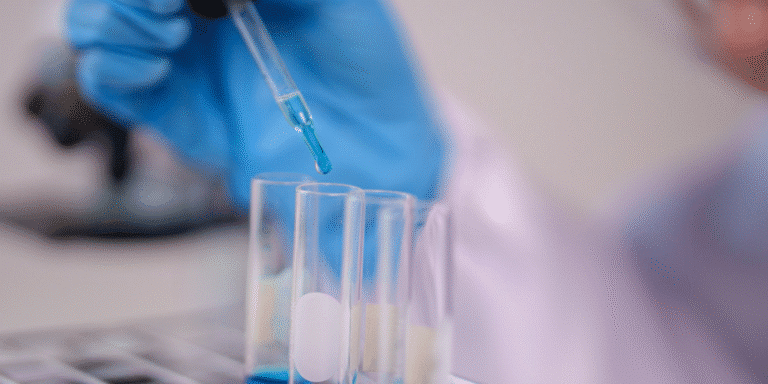
  • Sample Preparation: Using centrifuges and chemical reagents to prepare samples for detailed analysis.
  • Hematology: Conducting blood cell counts and identifying cell abnormalities.
  • Chemistry Testing: Testing for chemical components like glucose, cholesterol, and hormone levels.
  • Microbiology: Identifying bacteria, fungi, and parasites in clinical cultures to guide antibiotic treatment.
  • Transfusion Medicine: Performing cross-matching for blood transfusions to ensure patient compatibility.
  • Instrumentation: Operation and calibration of automated laboratory analyzers.
  • Maintenance: Repair lab equipment to prevent downtime.
  • Quality Control: Checking quality control charts to make sure that all test results are correct.
  • Data Management: Recording and reporting test results into digital information systems.
  • Communication: Alerting physicians immediately to critical or life-threatening values.
  • Safety Protocols: Adhering to strict biohazard and safety protocols to protect themselves and the public.
  • Inventory Management: Maintaining an inventory of reagents and laboratory supplies.
  • Sanitization: Sterilizing workspaces and tools to prevent cross-contamination.

A Day in the Life: What Does a Medical Lab Technician Actually Do?

A Day in the Life: What Does a Medical Lab Technician Actually Do?

To understand what laboratory technician do daily, one must look at the rhythm of the lab.

The Morning Rush: Calibration and Quality Assurance

The day often begins with “QC” or Quality Control. Before a single patient sample is processed, the technician must calibrate the machines and control samples to ensure the analyzers are reading within the correct parameters. Precision is the foundation of the job.

Processing Samples: From Reception to Results

The pace picks up when the lab opens to the public or receives samples from hospital wards. STAT orders are the technician’s top priority, who also processes blood vials and maintains the delicate balance of chemical reactions in the lab.

Navigating High-Pressure Environments: Hospital vs. Private Lab Life

It’s a fast environment, often with trauma cases or emergency surgeries in a hospital setting. In a private lab, the volume may be greater for routine screenings. Both settings demand a technician who can stay calm and focused under pressure.

Technical Standards and Compliance

Technical Standards and Compliance

Maintaining the Gold Standard: Precision and Accuracy in Testing

A medical laboratory technician is an investigator of the microscopic world. They follow standardized operating procedures (SOPs) to ensure that a test result in one city is as accurate as one in another.

Workplace Safety: Managing Biohazards and Chemical Risks

Handling infectious diseases and caustic chemicals is part of the daily routine. Technicians are experts in using Personal Protective Equipment (PPE) and managing biohazardous waste to ensure a sterile and safe environment.

Ethics and Confidentiality: Protecting Patient Data in the Lab

Privacy is paramount. Technicians must handle sensitive patient data with the utmost discretion and adhere to provincial and federal privacy laws.


The Evolving Landscape: Technology in the Modern Laboratory

The role is increasingly tech-driven. Modern labs utilize sophisticated robotics and AI-integrated software to process thousands of samples. Staying current with these technologies is a core part of being a successful medical laboratory technician.

Career Roadmap: How to Become a Certified MLT

Career Roadmap: How to Become a Certified MLT

Selecting an Accredited Medical Lab Technician Program

The first step is education. You must choose a medical lab technician program that meets the requirements of the relevant regulatory bodies to ensure your education meets national standards. If you are looking for a comprehensive education, you can find a medical lab technician course in Toronto that provides both theoretical and practical skills for the field.

Mastering the Curriculum: Anatomy, Physiology, and Biochemistry

Students dive deep into the biological sciences, learning how the human body functions and how diseases alter its chemistry.

Bridging the Gap: The Value of Hands-On Clinical Placements

Theory is only half the battle. Practical placements allow students to perform the actual duties of medical lab technician professionals in real-world settings. Understanding how to become a medical laboratory technician involves mastering these hands-on clinical hours.

Navigating the CSMLS Certification Process

In Canada, the national standard is set by the Canadian Society for Medical Laboratory Science (CSMLS). The final hurdle to becoming a recognized professional is passing the certification exam.


Career Outlook and Growth Opportunities

Salary Expectations and Industry Demand in Ontario

The demand for healthcare professionals in Ontario is at an all-time high. With an aging population and increased screening for chronic diseases, the job market for those who complete a medical lab technician program is incredibly robust.

Specialization Paths: From Senior Tech to Lab Management

Once you have mastered the top skills for lab technician roles, you can specialize in areas like genetics, molecular biology, or move into laboratory management and administration.

Why Choose Pharma Medical Science College for Your MLT Diploma?

Why Choose Pharma Medical Science College for Your MLT Diploma?

At Pharma Medical Science College, we provide a curriculum designed to mirror the current needs of the healthcare industry. 

Our cutting-edge facilities and knowledgeable instructors will get you ready for the medical lab technician work environment from day one. We believe in small classes and personal attention to help you to succeed on your certification exams and beyond.

Start Your Journey in Medical Science Today

The world of medicine is waiting for you. If you like the technical side of the lab or the importance of helping to keep patients healthy, this is a safe and rewarding career path.

Ready to discover where your future starts? Contact us today for more information about our upcoming intakes.

FAQs About Medical Esthetician vs Esthetician

While both roles involve medical lab technician work, technologists typically have a higher level of education (such as a degree) and perform more complex, manual testing and analysis. Technicians generally focus on the practical, automated, and routine aspects of laboratory testing.

Yes. Most hospitals in Ontario actively recruit graduates of accredited medical lab technician programs who have successfully passed the CSMLS certification exam.

Not at all. While phlebotomy is one of the essential duties of medical lab technician roles, it is only a small fraction of the job. Technicians spend most of their time analyzing chemistry, hematology, and microbiology using sophisticated equipment.

Most diploma programs are intensive and efficient, typically taking between 12 to 18 months to complete. This includes the required hands-on clinical placement hours.

Beyond scientific knowledge, the most critical skills include extreme attention to detail, strong organizational abilities, manual dexterity, and the ability to work effectively under high-pressure deadlines.

Cardiac Sonography vs Diagnostic Medical Sonography: Key Differences, Career Paths & Salary Guide

Featured Image

The world of medical imaging is vast, but few roles are as vital or as rewarding as those in ultrasound. When exploring your options in healthcare education, you will likely encounter the debate of cardiac sonography vs diagnostic medical sonography. While both professions utilise high-frequency sound waves to create internal images of the body, they are distinct career paths with different clinical focuses, day-to-day responsibilities, and educational requirements.

Whether you are a prospective student in Ontario or a healthcare professional looking to specialise, understanding these nuances is essential. This guide explores the unique aspects of a cardiac sonography career compared with a diagnostic medical sonography career, helping you decide which path best aligns with your professional goals.

Understanding the Core Differences: Cardiac vs. Diagnostic Medical Sonography

To the general public, ultrasound is often associated primarily with pregnancy. However, in a professional medical context, diagnostic medical sonography is typically used as an “umbrella” term. It encompasses a wide range of imaging applications, from checking the health of an unborn fetus to examining the liver or kidneys.

In contrast, cardiac sonography is a specialised niche. It focuses exclusively on the cardiovascular system. While a general sonographer may be a “jack of all trades” regarding various organ systems, a cardiac sonographer is a specialist dedicated to the intricacies of the human heart.

What is Diagnostic Medical Sonography (DMS)?

Diagnostic medical sonography is a specialty within diagnostic medical imaging that uses non-invasive ultrasound technology to produce images of the body’s organs, tissues, and blood flow. It is a critical tool for physicians to diagnose and monitor a staggering variety of medical conditions. Practitioners in this field must have a deep understanding of anatomy throughout the torso, as they may be asked to scan anything from the thyroid gland to a musculoskeletal injury in a single shift.

What is Cardiac Sonography (Echocardiography)?

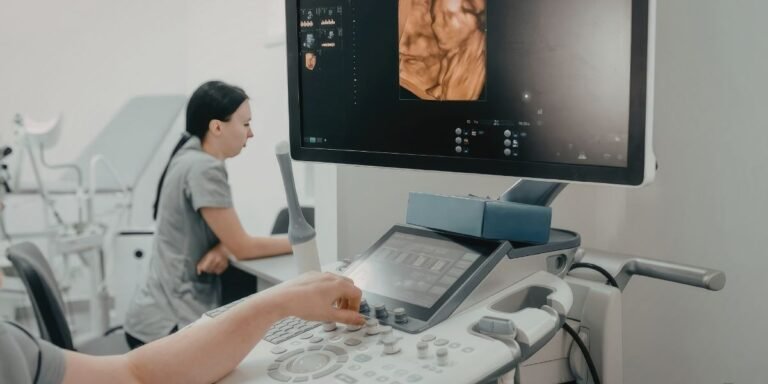
Cardiac sonography, also known as echocardiography, is the specialised practice of using ultrasound to evaluate the anatomy and physiology of the heart. These specialists focus on how the heart is structured and, more importantly, how it functions in real time. Because the heart is a constantly moving target, this role requires a high level of technical skill and a specialised understanding of hemodynamics (the way blood flows through the body).

Did You Know?

The first medical use of ultrasound was not for pregnancy, but for detecting gallstones and, later, for investigating the heart in the early 1950s.

Clinical Scope: What Will Your Daily Work Look Like?

Clinical Scope: What Will Your Daily Work Look Like?

These two professionals’ daily routines vary based on the “patient volume” and the specific structures they image. When comparing cardiac sonography vs diagnostic medical sonography, the clinical scope is perhaps the most visible difference.

Areas of Focus in Diagnostic Medical Sonography

A professional in a diagnostic medical sonography career usually handles “general” ultrasound. This includes:

  • Abdominal Imaging: Evaluating the liver, gallbladder, pancreas, and spleen.
  • Obstetrics and Gynaecology (OB/GYN): Monitoring fetal development and female reproductive health.
  • Small Parts: Imaging the thyroid, testes, or breasts.
  • Vascular Ultrasound: Checking for blood clots or blockages in the extremities.

Areas of Focus in Cardiac Sonography

In a career in cardiac sonography, the focus narrows but deepens. Daily tasks involve:

  • Heart Chambers and Valves: Measuring the size of the heart and ensuring valves open and close correctly.
  • Blood Flow Analysis: Using Doppler technology to track the velocity and direction of blood.
  • EKG Integration: Monitoring a patient’s heart rhythm simultaneously with the ultrasound image.
  • Stress Echoes: Imaging the heart while the patient exercises to assess how it performs under pressure.

Career Opportunities in Sonography: Comparing the Paths

Career Opportunities in Sonography: Comparing the Paths

Both fields offer robust career opportunities across Canada, especially as the ageing population requires more diagnostic screenings.

Diagnostic Medical Sonography Career Paths

Graduates often find that diagnostic medical sonography career offers high versatility. You might start as a generalist and later earn additional credentials in breast or vascular imaging. Because the scope is so broad, there is rarely a dull moment, as every patient presents a different anatomical puzzle.

Cardiac Sonography Career Paths

A career in cardiac sonography is ideal for those who want to be part of a specialized cardiac care team. You might work closely with cardiologists in specialized heart clinics or assist in surgical settings. There are also paths into pediatric echocardiography, focusing on congenital heart defects in newborns.

Typical Work Environments (Hospitals vs. Private Clinics)

  • Hospitals: Both types of sonographers work here. Hospitals usually handle higher-acuity cases, emergency room calls, and bedside scanning in the Intensive Care Unit (ICU).
  • Private Clinics: General diagnostic medical sonography is very common in community clinics. Cardiac sonographers also work in private clinics, though these are often specialized “Heart Centers” that focus solely on cardiovascular health.

Salary Guide: Which Specialization Pays More?

Salary is a big factor to consider when weighing cardiac sonography vs diagnostic medical sonography. Both are well paid in Ontario, but specialization tends to have a higher ceiling.

Role

Entry Level (Annual)

Mid-Senior Level (Annual)

Hourly Average (Ontario)

Diagnostic Medical Sonographer

$65,000 – $75,000

$85,000 – $100,000+

$34 – $48

Cardiac Sonographer

$70,000 – $80,000

$90,000 – $115,000+

$38 – $52

Entry-Level vs. Senior Salary Expectations

Initially, the pay gap between the two is narrow. However, because cardiac sonography is considered a high-level specialty, senior practitioners in cardiac labs or those with advanced certification in fetal echo often command the highest wages in the field.

Factors Influencing Sonographer Compensation

Several factors impact your earning potential in these career opportunities:

  1. Geographic Location: Major hubs like Toronto or Ottawa often offer higher rates to match the cost of living.
  2. Shift Differentials: Working evenings, weekends, or being “on call” in a hospital setting increases take-home pay.
  3. Certification: Being registered with Sonography Canada is mandatory for the best-paying positions.

Choosing the best sonography career path depends on your interests, lifestyle preferences, and long-term goals. Evaluate specialties, work environments, and growth opportunities to find the right fit.

Educational Requirements & Certification in Canada

Educational Requirements & Certification in Canada

To enter a diagnostic medical sonography career or its cardiac counterpart, you must complete a program at an accredited institution.

Sonography Canada Certification Requirements

Regardless of your chosen path, you must pass national certification exams. These exams ensure that you meet the high standards required to practice safely in Canada. For general ultrasound, you take the Core and General exams. For cardiac, you focus on the Cardiac specialization exams.

Choosing the Right Diploma Program at Pharma Medical College

Pharma Medical College offers comprehensive training designed to prepare students for these exact challenges. By choosing a focused diploma program, you gain the hands-on scanning hours necessary to feel confident during your clinical placements and eventual certification exams.

If you are wondering whether prior experience is needed before enrolling for Sonography Diploma, it’s important to understand the typical entry requirements and expectations for these programs.


Comparison of Diagnostic Medical Sonography vs. Cardiac Sonography Specializations

Feature

Diagnostic Medical Sonography

Cardiac Sonography

Primary Focus

Multiple organs (Liver, Pelvis, etc.)

The Heart and Great Vessels

Common Tools

2D/3D Ultrasound, Doppler

2D Echo, Colour Doppler, M-Mode

Patient Interaction

Brief to Moderate

Intensive (often involves 45-60 min scans)

Physical Demand

High (standing/reaching)

High (repetitive scanning motions)

Variety

Very High (different organs daily)

Focused (variations of heart pathology)

Which One is Right for You? (Comparison Checklist)

Still undecided? Use this checklist to see where your interests lie.

Choose Diagnostic Medical Sonography if:

  • You enjoy variety and want to see different parts of the body every day.
  • You are interested in prenatal care and women’s health.
  • You like the idea of working in diverse settings, from small clinics to large hospitals.

Choose Cardiac Sonography if:

  • You are fascinated by the physics of blood flow and the “mechanics” of the heart.
  • You prefer to become a master of one specific, complex organ system.
  • You enjoy a high-tech environment where you integrate ultrasound with EKG data.

Start Your Healthcare Journey at Pharma Medical College

Start Your Healthcare Journey at Pharma Medical College

The demand for skilled professionals is at an all-time high. Whether you choose a diagnostic medical sonography course for its versatility or a cardiac sonography course for its specialized nature, you are entering a field that saves lives every day. At Pharma Medical College, we provide the environment and expertise to turn your interest into a profession.

Choosing between cardiac sonography and diagnostic medical sonography is the first step toward a fulfilling future. Both paths offer excellent career opportunities and the chance to make a tangible difference in patient outcomes. Ready to take the next step? Explore our programs today and find your place in the future of healthcare.

Take the first step toward your healthcare career, apply today or contact us to learn more about our programs. 

Medical Esthetician vs Esthetician: Which Career Is Right for You?

Featured Image

Thinking about a career in skincare? You are not alone. The beauty and wellness industry in Canada is growing fast, and more people are choosing skincare as a full-time profession. But when it comes to picking the right path, many students find themselves confused between a medical esthetician vs esthetician career.

Both paths are interesting, but they require different training, take place in different places, and pay different amounts. This guide will show you everything you need to know to make the best decision for your future.

Did you know? Over the next ten years, Canada’s beauty and personal care industry is expected to grow steadily, creating thousands of new jobs in both spas and clinics.

What Is a Medical Esthetician?

Definition of a Medical Esthetician

A medical esthetician is a licensed skin care professional who works in a hospital or doctor’s office. They offer more advanced treatments than what you would find at a regular spa. These include working with dermatologists or plastic surgeons, getting laser treatments, or getting chemical peels.


Where Do Medical Esthetician Careers Work?

Professionals in medical esthetician careers typically work in places like:

  • Medical clinics:  assisting physicians with skin-related procedures
  • Dermatology offices  performing clinical treatments for acne, pigmentation, and anti-aging
  • Medi-spas: offering a mix of medical and beauty treatments in a spa-like setting

Skills Required to Become a Medical Esthetician

  • Knowledge of skin anatomy and medical terminology
  • Proficiency in laser, light therapy, and injectable pre/post care
  • Strong communication skills for working with healthcare teams
  • Attention to detail and clinical precision

What Is an Esthetician?

Definition of an Esthetician

An esthetician focuses on beauty and wellness treatments designed to enhance the skin’s appearance. They work in non-medical environments and provide services such as facials, waxing, and body treatments. It is a great starting point for anyone passionate about skincare and beauty.

Where Do Esthetician Careers Work?

Esthetician careers are found in a variety of settings:

  • Salons: offering skincare alongside hair and nail services
  • Spas: providing relaxation-focused skin treatments
  • Wellness centers: combining skincare with holistic health services

Skills Needed for Esthetician Careers

  • Knowledge of skincare products and ingredients
  • Hands-on technique for facials and waxing
  • Customer service and relationship-building skills
  • Understanding of different skin types and conditions

Differences Between a Medical Esthetician vs Esthetician

Key Differences in Work Environment

Medical Esthetician

  • Clinical, medical settings
  • Works with doctors & nurses
  • Sterile, professional environment
  • Advanced procedures

Esthetician

  • Health clubs, spas, and salons
  • Works with clients in the beauty industry
  • A calm and friendly place
  • Treatments that focus on beauty

Difference in Training and Certification in Canada

Difference in Training and Certification in Canada

In Canada, both roles require formal training. However, the medical esthetician vs esthetician distinction becomes clear in advanced coursework. Medical estheticians typically undergo longer programs that include clinical training, while estheticians complete foundational beauty programs.

skills to become medical estheticians, combining the best of both worlds!

Types of Treatments Performed

  • Medical esthetician: Laser hair removal, chemical peels, microneedling, pre/post surgical skin care
  • Esthetician: Facials, waxing, exfoliation, aromatherapy, body wraps

Which Career Is Better for Long-Term Growth?

If you want faster career growth and higher earning potential, medical esthetician careers tend to offer greater opportunities for advancement. However, traditional esthetician careers are also stable and allow for entrepreneurship, like running your own salon or spa.

Fun Fact: Many estheticians start in salons and later upgrade their skills to become medical estheticians, combining the best of both worlds!

Job Duties

Daily Job Duties of a Medical Esthetician

  • Advanced skincare treatments: chemical peels, microdermabrasion, and laser therapy
  • Laser and clinical procedures: operating medical-grade equipment under supervision
  • Working with healthcare professionals: assisting physicians during cosmetic procedures.

Daily Job Duties of an Esthetician

  • Facials and skin treatments: cleansing, exfoliating, and hydrating the skin
  • Waxing and beauty services: hair removal and brow shaping
  • Client consultations: recommending skincare routines and products

Esthetician vs Medical Esthetician Salary

Esthetician vs Medical Esthetician

Average Esthetician Salary in Canada

The average salary in Canada Depending on where you live and how much experience you have, can be anywhere from $35,000 to $50,000 a year. Those working in high-end spas or building a loyal client base can earn more.

Avg. Esthetician Salary (Canada/yr) – $35K–$50K

Avg. Medical Esthetician Salary (Canada/yr) – $50K–$75K

Top Earners (Medical, Senior Level) – $80K+

Average Medical Esthetician Salary in Canada

The average medical esthetician salary in Canada typically ranges from $50,000 to $75,000 per year. Senior medical estheticians in major cities can earn over $80,000 annually.

Factors Affecting Salary

  • In Canada, cities like Toronto, Brampton, and Mississauga usually pay more.
  • The more years of experience you have, the more money you can make.
  • Type of workplace: medical settings usually pay more than regular spas.

Which Career Pays More in the Long Run?

When comparing medical esthetician salary to esthetician salary, the medical path typically wins. However, estheticians who build their own business or specialize in high-demand services can also earn very well over time.

Education and Certification Requirements in Canada

Education and Certification Requirements in Canada

How to Become an Esthetician

To become an esthetician in Canada, you need to complete a recognized esthetics program, which usually takes 6 to 12 months. After graduation, you may need to pass a provincial exam to get your license.

How to Become a Medical Esthetician

Becoming a medical esthetician requires additional education beyond standard esthetics training. Programs cover anatomy, clinical skincare, laser safety, and hands-on practice in medical environments. Certification in laser technology or other advanced modalities is often required.

Importance of Choosing the Right Training Program

Choosing a quality training program can make a huge difference in your career. The right school will give you hands-on experience, expert mentorship, and the credentials employers trust in today’s competitive market.

Did you know? Employers in Toronto and Mississauga frequently prefer candidates from programs that offer clinical, hands-on training, especially for medical esthetician roles.

Medical Esthetician Careers vs Esthetician Careers

Career Growth Opportunities

Both paths offer great growth, but medical esthetician careers open doors to specialized roles in dermatology, cosmetic surgery clinics, and even medical device sales. Esthetician careers offer opportunities for growth through entrepreneurship, brand partnerships, and spa management.

Job Demand in Cities Like Toronto, Brampton, and Mississauga

The demand for both roles is strong in Ontario’s major cities. Toronto, Brampton, and Mississauga have a growing number of medispa, clinics, and wellness centers that are actively hiring skilled skincare professionals.

Which Career Has More Stability?

Medical esthetician roles tend to offer greater stability because they are tied to healthcare settings that remain in demand year-round. Traditional esthetician positions can fluctuate with seasonal trends, but remain a solid career choice with strong local demand.

How to Choose the Right Career for You

How to Choose the Right Career for You

Do You Prefer Clinical or Spa Environments?

If you enjoy structured clinical settings and working alongside health professionals, a medical esthetician path is a perfect fit. If you love a warm, beauty-focused atmosphere with client pampering, traditional esthetics is a great match.

Are You Interested in Advanced Skin Treatments?

Passionate about lasers, chemical peels, and science-backed skincare? Then the medical esthetician vs esthetician decision is clear, the medical path gives you access to cutting-edge treatments and technology.

What Are Your Salary Expectations?

If earning a higher medical esthetician salary is a priority, investing in advanced medical esthetics training is a smart move. If you are happy with a comfortable income and flexibility, a standard esthetician salary can still support a fulfilling career.

Why Study at Pharma Medical College?

Choosing the right school is just as important as choosing the right career. Pharma Medical College offers an industry-focused medical esthetician program designed to prepare you for real-world success in both clinical and beauty settings.

  • Industry-focused medical esthetician program: curriculum built around current industry standards and employer needs
  • Hands-on training and expert instructors: practice on real clients under the guidance of experienced professionals
  • Career support and job placement assistance: get help finding your first job or advancing in your current one.
  • Start your journey with Pharma Medical College today: take the first step toward a rewarding skincare career.

Whether you are eyeing medical esthetician careers or traditional esthetician careers, Pharma Medical College has the right program to help you succeed.

Start Your Career with Pharma Medical College

If you are planning to build a successful future in skincare, choosing the right education is the first step. Pharma Medical College offers industry-relevant programs designed to prepare you for both esthetician careers and medical esthetician careers in Canada. With hands-on training, expert faculty, and strong career support, you can confidently start your journey toward a rewarding and high-demand profession in the beauty and medical aesthetics industry.

Apply today and take the first step toward a successful career in medical esthetics!

FAQs About Medical Esthetician vs Esthetician

Medical esthetician vs esthetician differs mainly in work environment, training, and treatments. Medical estheticians work in clinical settings and perform advanced procedures, while regular estheticians focus on beauty treatments in spas and salons.

Neither is universally better. It depends on your goals. If you want higher pay and clinical work, the medical esthetician path is ideal. If you love a creative, beauty-centered environment, an esthetician career is fulfilling and flexible.

The top medical esthetician salary in Canada can exceed $80,000 to $90,000 per year for experienced professionals in major cities or specialized clinics.

Yes. Most provinces require certification and, in some cases, additional licensing for advanced procedures like laser treatments. Always check your provincial regulatory body for current requirements.

Absolutely! Many estheticians upgrade their skills by enrolling in advanced medical esthetics programs. It is a natural and popular career progression within the industry.

Both medical esthetician careers and esthetician careers are in demand across Canada. However, with the rise of medispas and cosmetic clinics, the medical esthetics field is growing rapidly, especially in cities such as Toronto, Brampton, and Mississauga.

Massage Therapy vs Acupuncture vs Pharmacy Assistant: Which Healthcare Career Truly Fits Your Personality and Strengths?

massage-therapy-vs-acupuncture-vs-pharmacy-assistant

Choosing a healthcare career can feel like standing at the beginning of an important journey. You may feel excited, curious, and perhaps slightly uncertain about which direction to take. If you are considering a massage therapy, acupuncture, or pharmacy assistant diploma program, it helps to picture what your daily life could look like in each role.

Across Canada, many students explore options such as a massage therapy diploma program in Canada, an acupuncture diploma program in Canada, or a pharmacy assistant course in Canada to build stable, meaningful careers. Each path serves patients differently. By understanding the work style, environment, and expectations tied to each program, you can choose a direction that feels natural and susta

The Role of Personality in Choosing a Healthcare Career

The Role of Personality in Choosing a Healthcare Career

Your personality shapes how you communicate, how you respond to stress, and how you feel at the end of a workday. Healthcare roles demand focus, responsibility, and compassion. Whether you are drawn to a massage therapy diploma program, an acupuncture diploma program in Canada, or a pharmacy assistant course in Canada, your natural strengths will influence how comfortable you feel in that environment.

Why Self-Awareness Matters More Than Job Titles

Job titles often sound impressive, yet the daily routine behind the title determines long-term satisfaction. Someone who enjoys hands-on interaction and physical activity may feel energized while completing a massage therapy diploma in Canada. A person who prefers organized systems and detailed processes may feel at ease in a pharmacy assistant program.

Taking time to reflect on your habits and preferences can prevent frustration later. A physically demanding career can feel draining if you prefer seated tasks. A structured pharmacy setting may feel limiting if you thrive on therapeutic interaction. When you evaluate your communication style, patience level, and physical stamina, you gain clarity about whether a massage therapy diploma program, an acupuncture diploma program, or a pharmacy assistant course in Canada aligns with your strengths.

Three Core Career Directions in Healthcare

Although all three options fall within healthcare, they focus on distinct areas of patient support.

  • A massage therapy diploma program prepares you for direct, physical treatment.
  • An acupuncture diploma program in Canada centers on holistic balance and energy-based care.
  • A pharmacy assistant program supports safe medication distribution and pharmacy operations.

Understanding these differences helps you imagine how you would spend your time and how you would interact with patients or healthcare professionals.

Career Path #1 – Registered Massage Therapist (RMT)

A career in massage therapy appeals to individuals who enjoy working closely with people and helping them feel relief through touch. Completing a massage therapy diploma program in Canada prepares you for a regulated profession in many provinces. The training combines scientific knowledge with practical skill.

The Personality Fit: Empathetic, Caring, Physically Resilient

Students who thrive in a massage therapy diploma program tend to be attentive listeners. They value connection and feel comfortable working in close physical proximity to clients. Emotional steadiness also plays a role, as clients often share personal experiences related to stress or pain.

This path often suits people who:

  • Enjoy one-on-one interaction
  • Feel comfortable using hands-on techniques
  • Have strong physical stamina
  • Maintain focus during extended sessions

A massage therapy diploma in Canada pathway includes significant hands-on training, so body awareness and strength matter throughout your career.

The Work: Immediate, Tangible Physical Healing

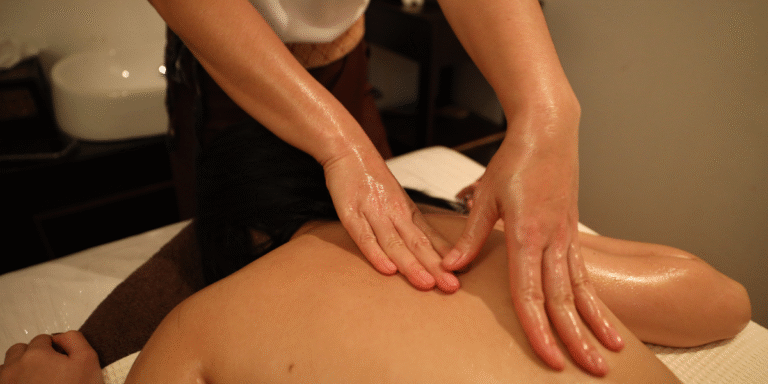
Before using some techniques, massage therapists check for muscle tension, posture, and range of motion. Many clients feel much better after a session, which can be very rewarding for practitioners.

Within a massage therapy diploma program, students learn:

  • Detailed anatomy and physiology
  • Musculoskeletal assessment techniques
  • Therapeutic massage methods
  • Professional standards and record keeping

Graduates of a massage therapy diploma program in Canada may work in rehabilitation clinics, wellness centers, sports facilities, or private practices.

Strengths & Skills Needed

Success in massage therapy requires both knowledge and physical control. A massage therapy diploma program helps students build a strong foundation for safe and effective treatment.

Important abilities include:

  • Understanding muscle function and joint movement
  • Practicing safe body mechanics
  • Managing appointment schedules efficiently
  • Communicating clearly with clients about treatment goals

Completing a recognized massage therapy diploma program in Canada is required in regulated provinces before practicing professionally.

Key Considerations

Massage therapy requires significant physical effort. If you don’t pay attention to your posture and take care of yourself, doing the same thing over and over will hurt you. Students who want to earn a massage therapy diploma should carefully consider their long-term health and how to work in a way that supports their well-being.

Career Path #2 – Acupuncturist

Acupuncture offers a calm and thoughtful approach to patient care. An acupuncture diploma program in Canada prepares students to assess energy flow and restore balance through carefully placed needles. This profession blends traditional healing philosophy with structured clinical training.

The Personality Fit: Investigative, Intellectual, Holistic

An acupuncture diploma program often attracts individuals who enjoy studying complex systems. They like connecting patterns and understanding how different parts of the body influence each other.

You may feel aligned with this path if you:

  • Appreciate detailed theory
  • Prefer quiet, focused work settings
  • Feel patient with gradual improvement
  • Enjoy continuous learning

An acupuncture diploma program in Canada requires dedication to both theory and supervised clinical practice.

The Work: Energy-Based and Holistic Treatment

Acupuncturists evaluate symptoms holistically and develop personalized treatment plans. Sessions involve inserting fine needles at specific points to stimulate natural healing responses.

During an acupuncture diploma program in Canada, students study:

  • Meridian pathways and diagnostic models
  • Safe and sterile needling practices
  • Patient assessment techniques
  • Complementary therapies such as cupping

Results often develop over multiple visits, which calls for steady communication and realistic treatment planning.

Strengths & Skills Needed

In an acupuncture diploma program, accuracy is very important. Practitioners must remain calm and focused when conveying holistic ideas in a way patients can understand.

Key skills include:

  • Analytical thinking
  • Attention to subtle physical signs
  • Steady hand coordination
  • Accurate documentation

Graduating from an accredited acupuncture diploma program in Canada supports professional credibility and compliance with provincial guidelines where required.

Key Considerations

The academic portion of an acupuncture diploma program in Canada can feel intensive. Students invest significant time in theory before practicing under supervision. Commitment to ongoing education remains important throughout a career in acupuncture.

Career Path #3 – Pharmacy Assistant

Pharmacy assistants contribute to patient safety by supporting pharmacists with prescription preparation and customer service. A pharmacy assistant program trains students for structured, detail-focused healthcare environments.

The Personality Fit: Meticulous, Organized, Service-Oriented

Students who excel in a pharmacy assistant course in Canada typically value routine and accuracy. They feel comfortable following procedures and staying attentive during busy shifts.

This career often suits individuals who:

  • Enjoy organized workflows
  • Communicate clearly with customers
  • Stay calm during high-traffic hours
  • Prefer predictable systems

A pharmacy assistant program emphasizes responsibility because accuracy directly affects patient well-being.

The Work: Precision and Medication Management

Pharmacy assistants process prescriptions, manage stock, label medications, and assist customers at the counter. The work requires consistent attention to detail.

A typical pharmacy assistant course in Canada includes training in:

  • Pharmacy software applications
  • Drug classifications and terminology
  • Inventory control procedures
  • Customer service communication

Graduates of a pharmacy assistant program often find employment in retail pharmacies, hospitals, and long-term care facilities.

Strengths & Skills Needed

Accuracy is the key to success in a pharmacy assistant course in Canada. Students learn to balance speed with careful review.

Essential abilities include:

  • Precise data entry
  • Strong organizational habits
  • Clear verbal communication
  • Efficient multitasking

Completing a recognized pharmacy assistant program strengthens confidence when entering professional settings.

Key Considerations

Pharmacy environments can feel busy, especially during peak hours. A pharmacy assistant course in Canada prepares students for shift schedules that may include evenings or weekends, depending on the workplace.

Comparing Physical Demands and Work Environments

Each profession has its own physical and emotional rhythm. Considering your preferred pace can help you decide between a massage therapy diploma in Canada, an acupuncture diploma program in Canada, and a pharmacy assistant program.

Massage therapy requires sustained physical activity throughout the day. An acupuncture diploma program involves focused precision with moderate physical movement. A pharmacy assistant course in Canada requires standing and steady workflow, with minimal physical strain.

Work environments also differ:

  • A massage therapy diploma program often prepares graduates for appointment-based clinical settings.
  • An acupuncture diploma program in Canada prepares graduates for calm treatment rooms.
  • A pharmacy assistant program usually prepares graduates for work in retail or hospital pharmacies, with ongoing customer interaction.

Matching your temperament to the environment can support long-term career satisfaction.

Education Pathways in Canada

Before enrolling, it helps to understand what each program involves. Training length, clinical hours, and regulatory standards vary between a massage therapy diploma program, an acupuncture diploma program in Canada, and a pharmacy assistant course in Canada.

Massage Therapy Diploma Canada

A massage therapy diploma in Canada pathway includes classroom study, anatomy training, and supervised clinical practice. Graduates in regulated provinces complete licensing requirements before practicing independently.

Acupuncture Diploma Program Canada

An acupuncture diploma program in Canada blends Traditional Chinese Medicine theory with modern safety standards and clinical internships. Students should review provincial regulations before beginning their studies.

Pharmacy Assistant Course in Canada

A pharmacy assistant course in Canada typically requires a shorter training period compared with therapeutic diploma programs. Students focus on practical pharmacy procedures and complete supervised practicums that prepare them for entry-level employment.

Each pathway offers a distinct educational experience shaped by professional expectations.

Start Your Healthcare Career Journey with Pharma-Medical Science College of Canada

Choosing the right institution can shape your confidence and readiness for professional life. At Pharma-Medical Science College of Canada, we provide career-focused training designed to prepare our students for real healthcare environments. Whether you plan to pursue a massage therapy diploma program, an acupuncture diploma program in Canada, or a pharmacy assistant program, we place hands-on education at the center of your learning experience.

Career-Focused Diploma Programs

In our massage therapy diploma program in Canada, we provide supervised clinical experience and a strong foundation in anatomy. In our acupuncture diploma program, we guide students through traditional theory while helping them build confident, practical treatment skills. Through our pharmacy assistant course in Canada, we train students in technical accuracy and professional customer service that reflects real pharmacy operations.

We structure our programs to connect theory with applied learning. This approach allows our students in the pharmacy assistant program or therapeutic diploma tracks to graduate with both competence and confidence.

Hands-On Learning Environments

Our dedicated labs and clinical spaces are designed to support skill development in realistic settings. In massage therapy, we supervise hands-on practice so students can refine their techniques safely. In acupuncture training, we provide guided instruction to build precision and confidence. Students enrolled in our pharmacy assistant course in Canada train in simulation environments that closely reflect retail and hospital pharmacy workflows.

Through our massage therapy and acupuncture diploma programs in Canada, we help students gain practical experience that aligns with workplace expectations.

Student Support and Career Preparation

We guide our students throughout their academic journey with accessible faculty and structured support. In our massage therapy diploma, acupuncture diploma program, and pharmacy assistant program, we prepare students for licensing requirements, certification pathways, and employment readiness.

From enrollment to graduation, we support students completing a pharmacy assistant course in Canada or a therapeutic diploma so they can step confidently into the workforce.

Conclusion

Healthcare offers meaningful ways to contribute to patient well-being. Choosing between a massage therapy diploma program, an acupuncture diploma program in Canada, and a pharmacy assistant program becomes easier when you understand your personality and preferred work style.

With thoughtful reflection and clear goals, you can select a path that feels natural and rewarding. Whether you pursue a massage therapy diploma in Canada, an acupuncture diploma program, or a pharmacy assistant course, your decision can lead to a stable and fulfilling professional future.

Ready to take the next step? Connect with Pharma-Medical Science College of Canada and explore how the right program can turn your goals into a practical career path. Speak with an admissions advisor, tour the campus, and start building your future in healthcare today.

What Healthcare Careers (Besides Physician or Nurse) Can You Pursue With a Medical-Education Background From a Pharmacy/Medical College?

What Healthcare Careers Feature Image

Many students start medical or pharmacy college with one goal: to become a doctor or a nurse. After a few classes, they learn something important. Healthcare is a large field with many career paths.

If you have taken health care courses in Canada, you already have skills that apply to many jobs. From labs and research to public health and industry, there are many strong healthcare careers Canada offers. This guide explains your options and how to choose the right path.

Why a Medical-Education Background Opens More Doors Than Most People Realize

Why a Medical-Education Background Opens More Doors Than Most People Realize

Healthcare needs trained people in many roles. Hospitals are important, but they are only one part of the system. Labs, clinics, drug companies, and public health offices all hire trained graduates.

Students who complete health care courses in Canada learn safety rules, medical terms, and patient care basics. These skills are useful across many healthcare careers in Canada.

The “Healthcare Ecosystem” Beyond Hospitals

Healthcare happens in many places:

  • Community clinics
  • Diagnostic labs
  • Long-term care homes
  • Pharmaceutical companies

These settings offer stable and growing healthcare careers in Canada, especially in Ontario.


Transferable Skills You Already Have (Even Before Advanced Licensing)

Your training gives you strong core skills:

  • Medical terminology
  • Infection control practices
  • Clear documentation
  • Professional communication

These skills, gained through health care courses in Canada, are valued by employers in both clinical and industry settings.

How to Choose the Right Path: Questions to Ask Before Picking a Career

How to Choose the Right Path_ Questions to Ask Before Picking a Career

Choosing a career takes planning. You need to think about your strengths, interests, and lifestyle goals. A clear plan helps you build a long-term future in healthcare careers in Canada.

Do You Prefer People-Focused, Lab-Focused, or Systems-Focused Work?

Ask yourself where you feel most comfortable.

  • People-focused roles involve patient care.
  • Lab-focused roles involve testing and analysis.
  • Systems-focused roles involve management or data.

Career advising and guidance can help match your skills to the right health care courses in Canada.

Lifestyle Factors That Matter

Some jobs require shift work. Others follow regular office hours. Some allow remote or hybrid work. Understanding these differences helps you choose the right path within healthcare careers in Canada.

Training Level Required

Some roles need a diploma. Others require advanced degrees and licensing. Taking additional health care courses in Canada can help you grow without starting from scratch.

Pharmaceutical and Biotech Industry Careers (High Growth + Strong Salaries)

Many graduates move into pharmaceutical and biotech careers. These roles offer steady income and strong growth. They rely on scientific knowledge but usually do not involve bedside care. These positions are an important part of healthcare careers in Canada.

Medical Science Liaison (MSL)

Medical science liaisons share research information with doctors and researchers. They explain clinical data and support safe drug use across industry-based healthcare careers in Canada.

Clinical Research Associate (CRA) / Clinical Research Coordinator (CRC)

CRAs and CRCs manage clinical trials. They track data and protect patient safety. Many people enter research through healthcare internships in Canada, which provide real-world experience.

Pharmacovigilance Officer/Drug Safety Associate

Drug safety professionals monitor side effects and safety reports. Their work supports safe medication use across healthcare careers in Canada.

Regulatory Affairs Specialist / Manager

Regulatory specialists prepare documents for government approval. They help companies follow rules and standards in regulated healthcare environments.

Medical Writer

Medical writers create research summaries and educational materials. This role supports communication across pharmaceutical and clinical fields.

Specialized Clinical and Technical Careers (For Students Who Want Advanced, High-Impact Roles)

Some careers require extra training and certification. These roles carry high responsibility and strong professional identity. They are respected paths within healthcare careers in Canada.

Cardiovascular Perfusionist

Perfusionists operate heart-lung machines during surgery. This career requires advanced study beyond basic health care courses in Canada.

Genetic Counselor

Genetic counselors guide patients through genetic testing results. They combine scientific knowledge with clear and supportive communication.

Medical Physicist/Dosimetrist

These professionals help plan radiation treatments for cancer patients. The role blends healthcare training with math and data skills.

Clinical Data Manager

Clinical data managers organize and review research data. Experience from healthcare internships in Canada often helps graduates enter this field.

Informatics Pharmacist / Health Informatics Specialist

Health informatics specialists manage electronic health records and medication systems. Technology growth continues to expand this area of healthcare careers in Canada.

Healthcare Administration, Quality, and Policy Careers (For Systems Thinkers)

Healthcare Administration, Quality, and Policy Careers

Healthcare systems need strong leaders and planners. Administrative roles support safe and smooth operations. These careers offer a wide impact across healthcare careers in Canada.



Healthcare Manager/Administrator

Managers oversee staff, budgets, and daily operations. They work in hospitals, clinics, and long-term care homes.

Quality Manager / Compliance Officer

Quality professionals review procedures and maintain safety standards. Their background in documentation, learned through health care courses in Canada, supports this path.

Health Policy Analyst

Policy analysts study healthcare laws and programs. They help improve systems at a community or national level.

Drug Pricing and Program Compliance Roles (e.g., 340B Analyst in Applicable Systems)

These professionals track pricing rules and medication programs. They support fair and organized systems within healthcare careers in Canada.

Advanced Clinical Support Roles (Still Clinical—Without Becoming A Physician Or Nurse)

Some roles allow close patient care with expanded duties. These careers require additional education but offer strong clinical involvement. They are popular alternatives within healthcare careers in Canada.

Physician Assistant (PA)

Physician assistants examine patients, diagnose conditions, and prescribe treatments under supervision. This role is a direct alternative to physician training.

Pharmacogenomics Specialist

Pharmacogenomics specialists use genetic data to guide medication choices. Advanced health care courses in Canada help build the knowledge needed for this future-focused field.

Nuclear Medicine Technologist

These technologists administer special imaging drugs and operate scanning equipment. The role combines patient care with technical skill.

Dietitian/Nutritionist

Dietitians create nutrition plans for disease management and prevention. They support long-term patient health through education and coaching.

Education and Public Health Careers (For Community Impact and Long-Term Stability)

Education and Public Health Careers

Some graduates prefer teaching or community health roles. These careers focus on prevention and training. They provide stable paths within healthcare careers in Canada.

Medical Educator / Academic Pharmacist / College Instructor

Educators teach students enrolled in health care courses in Canada. They guide future professionals in classrooms and labs.

Public Health Inspector / Public Health Specialist

Public health professionals monitor safety standards and respond to outbreaks. This role supports community health protection.

How to Build Experience and Get Hired in Ontario (Internships + Placement Strategy)

Experience helps graduates stand out. Employers value hands-on learning. Completing healthcare internships in Canada improves job readiness and confidence.

Why Internships and Placements Accelerate Your Career

Internships provide:

  • Real workplace exposure
  • Professional references
  • Practical skill application

Many employers hire students who complete healthcare internships in Canada.

What Employers Want From Entry-Level Healthcare Grads

Employers look for:

  • Professional behavior
  • Clear communication
  • Accurate documentation
  • Reliability

These traits are important across healthcare careers in Canada.

Using Job Placement Support Effectively

Career services help with resumes, interviews, and employer connections. Using placement support and healthcare internships in Canada increases hiring success.

Continuing Education and Professional Development After Graduation

Continuing Education and Professional Development After Graduation

Healthcare professionals often upgrade their skills. Short programs allow career growth and change. Many graduates return to specialized health care courses in Canada to expand their options.

Stackable Credentials and Upskilling Plans

Programs such as an acupuncture course in Canada or a pharmacy assistant course in Canada provide focused training for entry-level clinical roles. These credentials match current hiring needs.

Professional Development in Healthcare

A massage therapy program in Canada or an acupuncture program in Canada allows professionals to specialize in hands-on patient care. Continuous learning supports long-term career growth.

Switching Careers Without Losing Momentum

A pharmacy assistant program in Canada offers structured training for those moving into pharmacy settings. This pathway helps professionals shift roles while building on existing skills.

Career Planning Support: How to Get Guidance and Make a Confident Choice

Planning prevents wasted time and money. Career counseling helps students choose wisely. Guidance services support smart decisions within healthcare careers in Canada.

What Medical College Career Counseling Should Include

Strong counseling includes career mapping, goal setting, and alignment with employer demand. It also identifies suitable health care courses in Canada.

Healthcare Career Guidance Ontario for Different Audiences

International students may need help understanding workplace standards. Working professionals and parents also benefit from advice focused on healthcare careers in Canada.

Creating a Career Action Plan

A clear plan includes:

  • Training timeline
  • Internship goals
  • Job search strategy

Early use of healthcare internships in Canada improves employment outcomes.

How Pharma-Medical Science College of Canada Helps Students Launch Real Careers in Ontario Healthcare

Choosing the right college shapes your future. Pharma-Medical Science College of Canada offers career-focused diploma programs designed for real job outcomes. Students preparing for healthcare careers in Canada gain practical training through industry-aligned healthcare courses in Canada.

Our Diploma Programs Connect Students to In-Demand Allied Health and Pharma Roles

We offer programs such as the pharmacy assistant program in Canada, along with a massage therapy program in Canada and an acupuncture program in Canada. These programs prepare students for direct entry into growing healthcare roles.

We Combine Theory With Practical Experience In Modern Training Labs.

Our students train in pharmacy simulation labs, ultrasound labs, and microbiology labs. Hands-on learning improves job readiness and supports placement into healthcare internships in Canada.

Our Ontario Accreditation and Student Supports Help Learners Succeed

We operate under Ontario’s Career Colleges Act. We provide financial aid options and structured support to help students complete recognized health care courses in Canada.

Conclusion

A pharmacy or medical college background can lead to many strong career paths. From clinical support and research to public health and administration, there are many rewarding healthcare careers Canada offers.

With the right training, practical experience, and guidance, you can build a stable and meaningful future. If you are ready to take the next step, contact Pharma-Medical Science College of Canada today to explore programs, internships, and career support designed to help you succeed.

What Does a Day in the Life of a Pharmacy-School Student Look Like — and What Skills Really Matter Beyond Chemistry and Biology?

What Does a Day in the Life of a Pharmacy-School Student Look Like

Pharmacy school can look calm from the outside. Inside, the days move fast. Students shift from lectures to labs to patient practice, often with little downtime.

Many students feel surprised by what really drives success. It is not only scientific facts. It is planning, clear speaking, and staying steady under pressure.

If you are thinking about pharmacy in Canada, this guide will help. You will see a realistic day, what students learn, and which skills matter most.

What Pharmacy School Really Prepares You For (Not Just Passing Exams)

What Pharmacy School Really Prepares You For (Not Just Passing Exams)

Pharmacy school trains you to care for patients safely. You learn how medicines work, but you also learn how to use that knowledge in real life. Strong grades help, yet daily performance depends on good judgment and clear communication.

The Real-World Pharmacist Role In Canada Today

Pharmacists help patients use medicines the right way. They support chronic disease care, manage side effects, and answer questions about treatment. In pharmacy education in Canada, students practice these tasks through cases that feel close to real patient stories.

Pharmacists also work with doctors, nurses, and other providers. So students learn how to share updates, document clearly, and explain a plan in simple words.

Why Pharmacy Education Is Both Scientific And Clinical

Students learn science so they can make safe choices for patients. They study how drugs act in the body and what can go wrong. In pharmacy student life, this often means learning a topic, then using it in a case, then reviewing what you missed.

Clinical training builds judgement. Students learn how to weigh risks, choose an option, and explain the choice in a way others can follow.

A Realistic Day In The Life Of A Pharmacy Student (Hour-By-Hour Breakdown)

A typical day depends on your year and your schedule. Some days are lecture-heavy. Other days focus on labs or placements. Still, most students move through a pattern of class, practice, and study.

Morning (8:00–8:30 AM Start): Lectures + Prep

Many mornings start with lectures in pharmacology, therapeutics, or medicinal chemistry. Students in pharmacy student life often do quick prep first, like reading learning goals or reviewing notes from the last class. Lecture pace can feel fast. A simple routine helps: preview, take focused notes, then review key points later that day.

Mid-Day: 3-Hour Labs And Workshops

Mid-day labs may cover compounding, dosage calculations, and reading lab values. This is a key part of pharmacy education in Canada because students learn accuracy and safe workflow.

Workshops may include role-play with standardized patients. Students practice counselling, asking good questions, and checking patient understanding.

Afternoon: Experiential Learning And Rotations (Upper-Year Focus)

In later years, afternoons may include placements in hospitals, community pharmacies, or clinics. Students interview patients, review charts, and help build care plans.

This is where pharmacy internships and rotations feel real. Students see how choices affect people, and they learn how to work within a busy care team.

Evening: Study Blocks + Professional Development

Evenings often include study time, assignments, and case write-ups. Group projects can add meetings and shared deadlines, so planning becomes important.

Some students also join clubs or attend events. These activities help build confidence, leadership, and job-ready skills.


The “Other Job”: Balancing School With Pharmacy Internships

Many students work part-time as interns or pharmacy technicians. Pharmacy internships can help students learn faster because they repeat real tasks and talk with patients often.

Work can also raise stress if time is tight. Students do best when they plan work shifts around heavy weeks and protect sleep.

What Students Learn In Pharmacy School (Beyond Chemistry And Biology)

What Students Learn In Pharmacy School

Pharmacy programs cover science, but the learning goes wider. Students learn how to think through patient problems, follow laws, and communicate well. This broad training is part of Pharmacy Education Canada.

Therapeutics And Clinical Reasoning

Therapeutics is the study of choosing and managing drug treatment. Students learn how to match drugs to conditions, adjust plans, and set follow-up steps. They practice thinking in a clear order: goal, choice, dose, monitoring, and next steps.

Pharmacology + Medicinal Chemistry (What Matters Most)

These subjects help students understand why drugs work and what risks they carry. Students focus on key patterns like interactions, side effects, and how the body handles medicine. In pharmacy student life, learning sticks better when students connect science to real cases instead of isolated facts.

Professional Practice, Law, And Ethics

Students learn rules about privacy, consent, and documentation. They learn what pharmacists can do and what must be escalated. Ethics shows up often. Students learn how to act when safety is at risk, even when time is short.

The Skills That Really Matter Beyond Chemistry And Biology

The Skills That Really Matter Beyond Chemistry And Biology

Students often think pharmacy school is mostly about science grades. Skills like thinking clearly, speaking well, and staying organized often shape results just as much. These skills also help students succeed during pharmacy internships.

Critical Thinking And Clinical Problem-Solving

Students learn how to read patient history, lab values, and medication lists. They practice finding drug interactions and spotting medication problems. During pharmacy internships, students learn to choose a safe next step and explain why it matters.

Communication And Interpersonal Skills

Pharmacists explain medications to people with different levels of health knowledge. Students practice using plain language and asking questions that invite honest answers. They also learn how to speak with care teams. Clear updates help prevent errors and delays.

Time Management And Prioritization

Pharmacy school has many moving parts: lectures, labs, readings, and tests. Some students also work part-time. In pharmacy student life, strong planning helps students avoid last-minute panic.

Simple tools can help:

  • Time-block study sessions for one task at a time
  • Plan the week on one page with deadlines and lab prep

Attention To Detail (Patient Safety Mindset)

Small mistakes can cause harm. Students learn to double-check calculations, labels, and documentation. They also learn how to spot risk quickly. This skill matters a lot during pharmacy internships, where speed is expected, and accuracy protects patients.

Adaptability And Lifelong Learning

Pharmacy changes often. New drugs appear, and guidelines are updated. Students learn how to use trusted resources and keep learning after school. Within pharmacy education in Canada, this skill supports safe decisions long after graduation.

Resilience And Stress Management

Exams, OSCEs, and lab tests can feel intense. Stress builds when sleep drops and work piles up. Students do better when they keep basic routines stable and ask for help early. Support can include peers, tutors, faculty, and school wellness services.

Data Literacy And Digital Proficiency

Students use Electronic Health Records, drug databases, and clinical tools. These tools help check dosing, interactions, and monitoring steps. Many programs also introduce AI-based support tools, so students learn how to use them carefully and still think for themselves.

Labs, Simulations, And Hands-On Training (Where Students Become Professionals)

Labs, Simulations, And Hands-On Training.

Hands-on training turns knowledge into action. Labs and simulations help students practice in a safe place before working with real patients. This training also boosts confidence over time.

What Happens In Pharmacy Labs

Labs teach compounding, safety steps, and workflow skills. Students also practice documentation and quality checks. For many students, this part of pharmacy student life is where skills start to feel real and repeatable.

Workshops And Simulation-Based Learning

Workshops may use standardized patients for counselling practice. Students learn how to guide a short, clear conversation and check understanding. These activities are common in pharmacy education in Canada because they build real patient skills.

Feedback-Driven Improvement

Students get feedback from instructors and rubrics. They learn what they did well and what to change next time. This loop of practice and feedback builds steady improvement and safer habits.

Clinical Rotations And Pharmacy Internships: The Real-World Learning Curve

Clinical Rotations And Pharmacy Internships

Rotations and work experiences help students learn faster. They show what real pharmacy work feels like. They also help students choose a path, like a hospital, a community, or another area.

Hospital And Clinical Settings

Hospital settings can include medication reconciliation, joining rounds, and monitoring therapy results. Students learn to document clearly and speak with care teams. These placements can feel challenging, but they teach strong clinical habits.

Community Pharmacy Placements

Community placements focus on OTC advice, quick counselling, and safe workflow. Students learn how to communicate well, even during busy hours. Many students build confidence quickly in pharmacy internships because they talk with patients all day.

Career-Building Benefits Of Internships

Internships often lead to job offers because employers value real experience. Students also gain judgment through repeated practice. Confidence grows when students see they can handle real questions and real pressure.

The Hardest Parts Of Pharmacy School (And How Students Manage Them)

The Hardest Parts Of Pharmacy School

Pharmacy school can feel heavy. Many strong students struggle at first. Knowing the hard parts helps students plan and stay calm.

Heavy Content Volume And Fast Pace

The amount of material can feel huge. Many topics connect, so falling behind can snowball. Students often use spaced repetition and practice questions to keep up. Active learning works well because it helps students apply facts instead of just re-reading notes.

High-Stakes Assessments And Performance Pressure

Assessments may include written exams, lab evaluations, and OSCE stations. Time limits can add pressure. Students improve when they practice under timed conditions and review mistakes with purpose. A steady study plan usually helps more than late-night cram sessions.

Staying Healthy During Intense Semesters

Sleep, food, and movement affect focus and memory. When health drops, school feels harder. Students do better when they keep routines simple and steady. Academic support and mental health services can also help when stress gets high.

How To Prepare Before Starting Pharmacy School (Practical Checklist)

How To Prepare Before Starting Pharmacy School

Preparation can reduce stress in the first term. A practical plan focuses on core skills, real exposure, and clear timelines.

Academic Preparation That Truly Helps

Math skills help with dosing and calculations. A basic grasp of physiology supports many topics. Strong study habits help with the fast pace. These steps support success in pharmacy education in Canada, where students are tested on both knowledge and applied thinking.

Exposure That Improves Readiness

Shadowing, volunteering, or working as a pharmacy assistant helps students understand the setting. You see workflow, patient questions, and the pace of the day. This experience can also show whether pharmacy student life fits your goals and schedule.

Planning Support Through Academic Advising

Advising helps students map prerequisites and timelines. It can also help international students plan their pathway in Canada. A clear plan reduces surprises and keeps progress steady.

Admissions And Support Systems That Help Students Succeed

Admissions And Support Systems That Help Students Succeed

Admissions can feel stressful, but support systems can lighten the load. Students benefit when they understand what programs value and what help is available after they start.

What Schools Look For In Applicants

Programs often look for strong academics, professionalism, and clear motivation. They may also value patient-focused experience and strong references. If you are comparing pharmacy schools in Toronto, learning the requirements early helps you plan your steps with less stress.

Academic Advising And Mentorship During School

Advising can help with course planning and study strategies. Mentorship from peers, faculty, and alumni can also help students manage hard weeks. Support networks reduce isolation and help students stay on track.

Planning Career Pathways Early

Students benefit from choosing rotations and work experiences that match their goals. Networking helps students learn about different roles and job paths. Early planning can also help students choose the right pharmacy internships for their interests.

How The Pharma-Medical Science College Of Canada Supports Students Preparing For Pharmacy And Healthcare Careers

At Pharma-Medical Science College of Canada, we work with students who want a hands-on start before moving into advanced study. Our career-focused programs help build confidence, practical skills, and a clear direction for pharmacy and healthcare paths.

Our Diploma Programs Help Students Enter And Grow In Healthcare And Pharma

Our programs include pharmacy assistant, pharmaceutical manufacturing, quality control, medical lab technology, diagnostic sonography, massage therapy, and other options. These pathways support career starters and working professionals connected to Pharmacy Education Canada. Through our programs, students build job-ready skills while exploring long-term goals in healthcare.

We Combine Theory With Hands-On Training In Modern Labs

We teach students in spaces such as our pharmacy simulation lab, ultrasound lab, microbiology lab, and personal support worker lab. This practical exposure builds comfort with real tools and real processes. Our hands-on learning approach supports students who want strong foundations before entering demanding programs.

We Offer A Supportive Ontario Learning Environment For Local And International Students

Our college is accredited under Ontario’s  Career Colleges Act. We provide access to guidance that supports planning, study success, and next steps after graduation. Students studying with us may also be eligible for financial aid options such as OSAP.

Conclusion

Pharmacy school is challenging, but it can feel deeply rewarding. A clear view of pharmacy student life includes lectures, labs, simulations, placements, and often work experience that builds real confidence. Across pharmacy education in Canada, students succeed when they pair science knowledge with critical thinking, communication, planning, resilience, and strong digital skills.

If you want a practical path into healthcare or a strong foundation before advanced study, Pharma Medical Science College of Canada can help. Contact us to learn about programs, admissions, and how we can support your education and career goals.

{ "@context": "https://schema.org", "@graph": [ { "@type": "EducationalOrganization", "@id": "https://pharmamedical.ca/#organization", "name": "Pharma Medical Science College of Canada", "url": "https://pharmamedical.ca/", "telephone": "+1-416-821-4876" }, { "@type": "WebSite", "@id": "https://pharmamedical.ca/#website", "url": "https://pharmamedical.ca/", "name": "Pharma Medical Science College of Canada", "publisher": { "@id": "https://pharmamedical.ca/#organization" }, "inLanguage": "en-CA" }, { "@type": "WebPage", "@id": "https://pharmamedical.ca/day-in-the-life-pharmacy-school-student-toronto/#webpage", "url": "https://pharmamedical.ca/day-in-the-life-pharmacy-school-student-toronto/", "name": "What Does a Day in the Life of a Pharmacy-School Student Look Like - and What Skills Really Matter Beyond Chemistry and Biology?", "isPartOf": { "@id": "https://pharmamedical.ca/#website" }, "inLanguage": "en-CA", "description": "A practical look at a pharmacy student's daily routine, including lectures, labs, experiential learning, internships and the skills needed beyond science subjects.", "mainEntity": { "@id": "https://pharmamedical.ca/day-in-the-life-pharmacy-school-student-toronto/#article" } }, { "@type": "BlogPosting", "@id": "https://pharmamedical.ca/day-in-the-life-pharmacy-school-student-toronto/#article", "headline": "What Does a Day in the Life of a Pharmacy-School Student Look Like - and What Skills Really Matter Beyond Chemistry and Biology?", "description": "A practical look at a pharmacy student's daily routine, including lectures, labs, experiential learning, internships and the skills needed beyond science subjects.", "url": "https://pharmamedical.ca/day-in-the-life-pharmacy-school-student-toronto/", "mainEntityOfPage": { "@id": "https://pharmamedical.ca/day-in-the-life-pharmacy-school-student-toronto/#webpage" }, "datePublished": "2026-02-16T00:00:00-05:00", "author": { "@id": "https://pharmamedical.ca/#organization" }, "publisher": { "@id": "https://pharmamedical.ca/#organization" }, "image": [ "https://pharmamedical.ca/wp-content/uploads/2026/02/A-Realistic-Day-In-The-Life-Of-A-Pharmacy-Student-768x384.png" ], "inLanguage": "en-CA", "about": [ { "@type": "Thing", "name": "Pharmacy education in Canada" }, { "@type": "Thing", "name": "Pharmacy student life" }, { "@type": "Thing", "name": "Pharmacy internships" } ] } ] }

What mistakes do new pharmacy grads often make early in their career, and how to avoid them before graduation?

What mistakes do new pharmacy grads often make early in their career

The experience of being a pharmacy student and a professional pharmacist is one of the most thrilling and strenuous transitions in healthcare education. You have spent years learning pharmacology, drug interactions, and how to compound drugs. You have good clinical acuity, your test scores are strong, and graduation is near.

However, here is the reality check that most new pharmacy graduates find shocking: clinical excellence does not necessarily make one successful in the career.

The good news? Most of these pitfalls are entirely avoidable if you know what to look for before you even walk across that graduation stage. By identifying these common mistakes now, you can take proactive steps during your pharmacy education to build a more resilient, successful career foundation. Let’s explore the five biggest mistakes new pharmacy grads make and, more importantly, how you can avoid them before graduation.

What Are the Mistakes New Pharmacy Grads Make and How to Avoid Them Before Graduation

Mistake 1: Neglecting “Soft Skills” and Communication

Neglecting "Soft Skills" and Communication

The Mistake: The biggest mistake that many new graduates of pharmacy schools make is to put all their efforts into learning pharmacology and contribute practically zero time to learning how to communicate with people. The students tend to think that once they can return the correct response on the drug interactions and dosing schedules, they will automatically pass the practice.

How to Avoid: It is not too early to start developing your soft skills portfolio, since you are still at school. Take a proactive stance in using patient counselling as a part of the coursework; do not merely complete the formalities. Lack of skilful pharmacist soft skills communication leads to misperceptions by patients on how to take medicine, lower compliance with treatment regimens, and interpersonal disputes with fellow staff and doctors. 

Think about joining speaking clubs or majoring in health communication or psychology. Practice challenging patient interactions with peers: the frustrated patient, the non-compliant patient, and the patient who does not trust pharmacists. Learn active listening skills and learn to interpret body language and emotional signals.

It is always important to keep in mind that pharmacy graduate career advice from the experienced members of the field tends to follow the same pattern: you will succeed in your career path due to your skills in communicating with the patients and your team, and you will be able to know the field.


Mistake 2: Believing Learning Ends at Graduation

The Mistake: Perhaps the most dangerous misconception new pharmacy grads hold is treating their degree as a finish line rather than a starting point. After years of hard work, it’s easy to think you’ve “made it” and can coast.

The truth is somehow different. One of the most dynamically developing spheres of healthcare is pharmacy. New drugs are approved regularly, treatment recommendations are altered on the basis of new research, and the pharmacy practice models are constantly changing according to the needs of the healthcare system. A pharmacist who ceases to learn upon graduation will have their knowledge base rendered obsolete in a few years.

How to Avoid: Embracing Continuous Professional Development (CPD) Pharmacy

The solution is adopting a mindset of lifelong learning from day one. Continuous professional development (CPD) pharmacy isn’t just a regulatory requirement; it’s your competitive advantage in a crowded job market.

Being in school does not mean you cease to establish learning habits that would help you throughout your career. Read pharmacy journals and subscribe to them. Go to conferences and seminars, not necessarily because of your coursework. Become members of professional pharmacy associations, which offer continued educational materials.

Most importantly, learn to learn effectively. Establish mechanisms for keeping up with new drug approvals, guideline updates, and practice changes. The pharmacists who succeed are those who consider pharmacy education as the base of the learning process that is evolving throughout their whole career.

Mistake 3: Neglecting Team and Workflow Management

Mistake 3: Neglecting Team and Workflow Management

The Mistake: Pharmacy school is based on a lot of individual clinical decision-making, whereas the actual practice of pharmacy is a team game in the real world. New graduates usually lack the preparation required regarding the working realities of workflow management, delegation of work to pharmacy technicians, and interaction with other healthcare specialists.

They might be knowledgeable about drug therapy, but are difficult in the practical aspects of working in a busy retail pharmacy around flu season or ordering medications in a hospital environment with multiple prescribers, nurses, and departments requiring attention at the same time. Such failure to bridge the gap between clinical training and operating reality is a source of stress, inefficiency, and job dissatisfaction.

How to Avoid: Use your pharmacy rotations networking opportunities strategically, not just to make connections, but to observe and learn workflow management techniques. Observing the specialists in the field of pharmacy is valuable to note their priorities, assign duties, and manage quality under the pressure of time.

Inquire of your preceptors how they manage to be organised. What is their response to interruptions? How do they cope with conflicting priorities? How do they ensure that nothing is overlooked during their hectic shifts?

Hone your leadership and delegation abilities. Demonstrate effective supportive communication with support staff. How to provide positive feedback and acknowledge others. These team management skills will make you stand out among the other new graduates.

Mistake 4: Failing to Network Early


The Mistake: A lot of students at the pharmacy college consider their classmates as adversaries instead of as future colleagues. There is too much concentration on grades and performance without considering to establish the real professional relationship. It is a major error in this individualistic thinking, which especially does not suit the Canadian pharmacy job market, where personal contacts tend to lead to the most promising opportunities.

New graduates with no professional network have to make hundreds of cold applications to the vacancy, hoping to compete with hundreds of others for advertised jobs. In the meantime, their counterparts who made relationship investments in school are receiving referrals, being informed of opportunities before they are announced publicly, and enjoying mentorship, expediting their career development.

How to Avoid: Building Relationships During Rotations and College Events

Start networking intentionally right now. Your pharmacy rotations networking experiences are goldmines for building professional connections. Any preceptor you work with has the potential to become a reference, mentor, or employer. Each rotated site is a possible place of work. Take these experiences as you should.

Keep in touch with preceptors even after the rotation period. Please provide periodic updates on your progress. Ask intelligent questions regarding their professional lives. Show real concern for what they do. Such relations usually result in employment opportunities or useful recommendations in the future.

Take an active part in college activities, meetings of the professional associations, and pharmacy conferences. Make sure you do not attend but participate. Ask questions when there is a presentation. Get acquainted with speakers. Share contact details with colleagues and other workers.

Form friendships with your classmates, and not on a competitive basis. Create study groups. Share resources. Support each other’s success. Such people will be your work contacts in your whole career; they will be coworkers, referral contacts, and partners in other projects.

Mistake 5: Over-Relying on Technology

Mistake 5: Over-Relying on Technology

The Mistake: Modern pharmacy students have been brought up in the age of technology at their fingertips. Clinical decision support systems, automated dispensing technology, and drug information databases are absolutely priceless. However, excessive pharmacist technology reliance creates a dangerous vulnerability.

New graduates who depend entirely on technology often struggle when systems go down, databases provide incomplete information, or clinical situations require judgment that software can’t provide. They may miss important clinical insights because they’re following an alert protocol without understanding the underlying pharmacology. Or they may fail to catch errors because they’ve outsourced their critical thinking to algorithms.

How to Avoid: Technology should be an aid to improve your clinical judgment and not a substitute. When doing your studies, you should be able to comprehend the rationale behind clinical recommendations and not the actual what you see on your screen.

Clinical reasoning is a practice that does not involve picking up your phone or computer. Whenever you use drug information sources, cross-reference with various sources and critically think prior to the application of information to your patient scenario.

Build up proper underpinning knowledge that is not technology reliant. Know the most frequent and most significant drug interactions, contraindications, and dosage aspects. Develop psychological constructs that will guide you in solving clinical issues, even in the event of a technology malfunction.

Why Choose the Pharma-Medical Science College of Canada

Why Choose the Pharma-Medical Science College of Canada

As you navigate your pharmacy education journey and work to avoid these common pitfalls, choosing the right educational institution makes all the difference. Pharma Medical understands that preparing successful pharmacy professionals requires more than just teaching clinical content.

At Pharma Medical, the curriculum is designed to address the real-world challenges you’ll face as a practising pharmacist. The program emphasises developing strong communication skills and soft skills alongside clinical competencies. Students receive extensive training in patient counselling, interpersonal communication, and professional collaboration, the very skills that many new graduates discover they’re lacking.

The focus on the development of professional practices throughout the educational process is implied in the institution. Students are taught not only the content of pharmacy but also how to be lifelong learners who will be able to keep up with the changing healthcare environment. The faculty are practising professionals, and they will bring the real world experiences and insights into the classroom.

Extensive rotation programs prioritise practical experience by exposing students to a variety of practice settings. These rotations are not only clinical learning experiences but are specifically designed to provide me with professional networks, workflow management skills, and knowledge of what operations pharmacy practice is really like.

Conclusion

It does not just occur automatically that the student of pharmacy becomes a successful practising pharmacist. Successful new graduates are the ones who are aware of the pitfalls to be avoided at an early age and make proactive efforts to bypass them.

You can continue to be relevant and useful in decades of practice by becoming an active investor in your own professional growth: continually developing your skills and knowledge will make you invaluable. Through the experience of learning workflow and team management on your rotations, you will know the operational realities of practice with confidence.

Today, by beginning to create your professional network, you will access opportunities that will never be offered to the general job market. And simply by applying technology judiciously without getting yourself addicted to it, you will keep that critical thinking, which is the hallmark of extraordinary pharmacy practice.

These aren’t just abstract concepts; they’re practical strategies that distinguish successful pharmacists from those who struggle. The choices you make during your pharmacy education will shape your entire career trajectory.

Contact us to learn about comprehensive career support, educational resources, and guidance from professionals who understand what it takes to succeed in modern pharmacy practice.